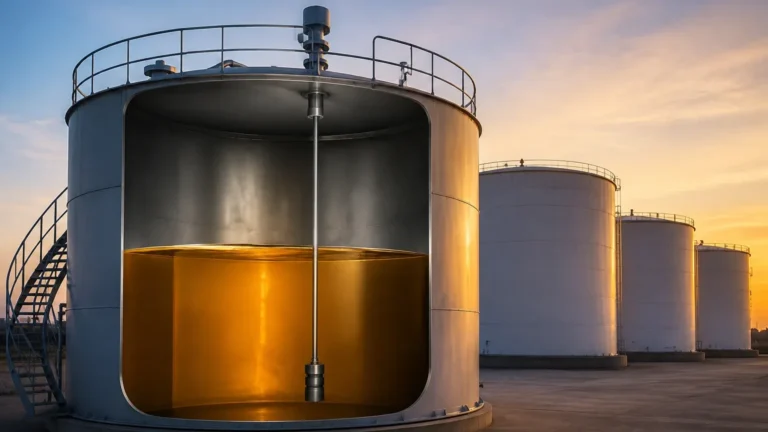
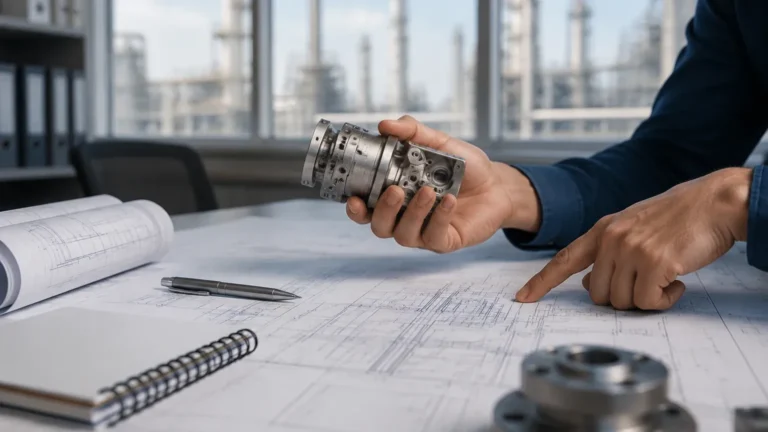
Industrial Water Monitoring
Industrial Water Monitoring
Industrial water monitoring is a critical component of modern process automation, ensuring the efficiency, safety, and environmental compliance of facilities ranging from power plants to chemical processing units. In the context of level measurement, monitoring water involves more than just tracking volume; it requires precise data to manage cooling systems, wastewater treatment, and boiler feed cycles. For engineers and facility managers, selecting the appropriate instrumentation is the first step toward building a resilient monitoring infrastructure.
As a professional manufacturer, Welk provides a comprehensive range of instruments designed for these demanding environments. By understanding the underlying physics of different measurement technologies, operators can better integrate solutions that withstand the rigors of industrial water cycles. For a complete overview of available technologies, engineers can visit the Main Page to review specific product specifications.
Core Measurement Principles for Water Level Control
Before selecting a sensor for industrial water monitoring, it is essential to understand how different technologies interact with the medium. Water, while generally considered a stable liquid, presents different challenges depending on its purity, temperature, and the presence of additives.
Ultrasonic Level Measurement
Ultrasonic sensors operate on the "Time-of-Flight" (ToF) principle. The sensor emits a high-frequency sound pulse that travels through the air, reflects off the water surface, and returns to the transducer. The instrument calculates the distance based on the time elapsed and the speed of sound.
* Advantages: Non-contact, cost-effective, and easy to install.
* Limitations: Highly sensitive to air temperature fluctuations, heavy foam, and steam. In industrial settings where water might be boiling or chemically agitated, the sound waves can be scattered or absorbed.
Radar Level Measurement
Radar sensors also use the ToF principle but utilize electromagnetic waves rather than sound. These waves travel at the speed of light and are largely unaffected by air temperature, pressure, or vacuum conditions. Radar is particularly effective for industrial water monitoring in closed tanks where steam or dust might be present.
* Advantages: High accuracy (often within ±2 mm), unaffected by vapor or dust, and suitable for high-pressure environments.
* Limitations: Higher initial investment compared to ultrasonic sensors; requires consideration of the liquid's dielectric constant (though water’s high dielectric constant makes it an excellent reflector for radar).
Hydrostatic Pressure Measurement
Hydrostatic transmitters measure the pressure exerted by a column of liquid. The pressure at the bottom of a tank is directly proportional to the height of the water and its density. By using a submersible or flange-mounted pressure transducer, the system can calculate the level with high reliability.
* Advantages: Ideal for deep wells, reservoirs, and tanks where surface foam or internal obstructions make non-contact measurement difficult.
* Limitations: Accuracy can be affected by changes in liquid density (e.g., if the water has varying concentrations of dissolved solids) and changes in atmospheric pressure if the tank is not properly vented.
Technology Selection for Industrial Water Applications
Choosing the right instrument requires balancing the specific needs of the application against the technical limitations of the hardware. The following table provides a comparison of common technologies used in water management.
| Technology | Best For | Accuracy | Max Range (Typical) | Environmental Tolerance |
| :— | :— | :— | :— | :— |
| Ultrasonic | Open channels, sumps | ±0.25% | 15 – 20 meters | Low (affected by wind/steam) |
| Radar (80GHz) | Process tanks, chemicals | ±1 mm | 30 – 120 meters | High (immune to vapor/dust) |
| Hydrostatic | Deep wells, vented tanks | ±0.1% – 0.5% | Up to 200 meters | High (submersible options) |
| Magnetic Gauge | Boiler drums, bypass | Visual | 6 meters | High (high temp/pressure) |
Key Application Scenarios in Industrial Water Monitoring
Wastewater Treatment and Sumps
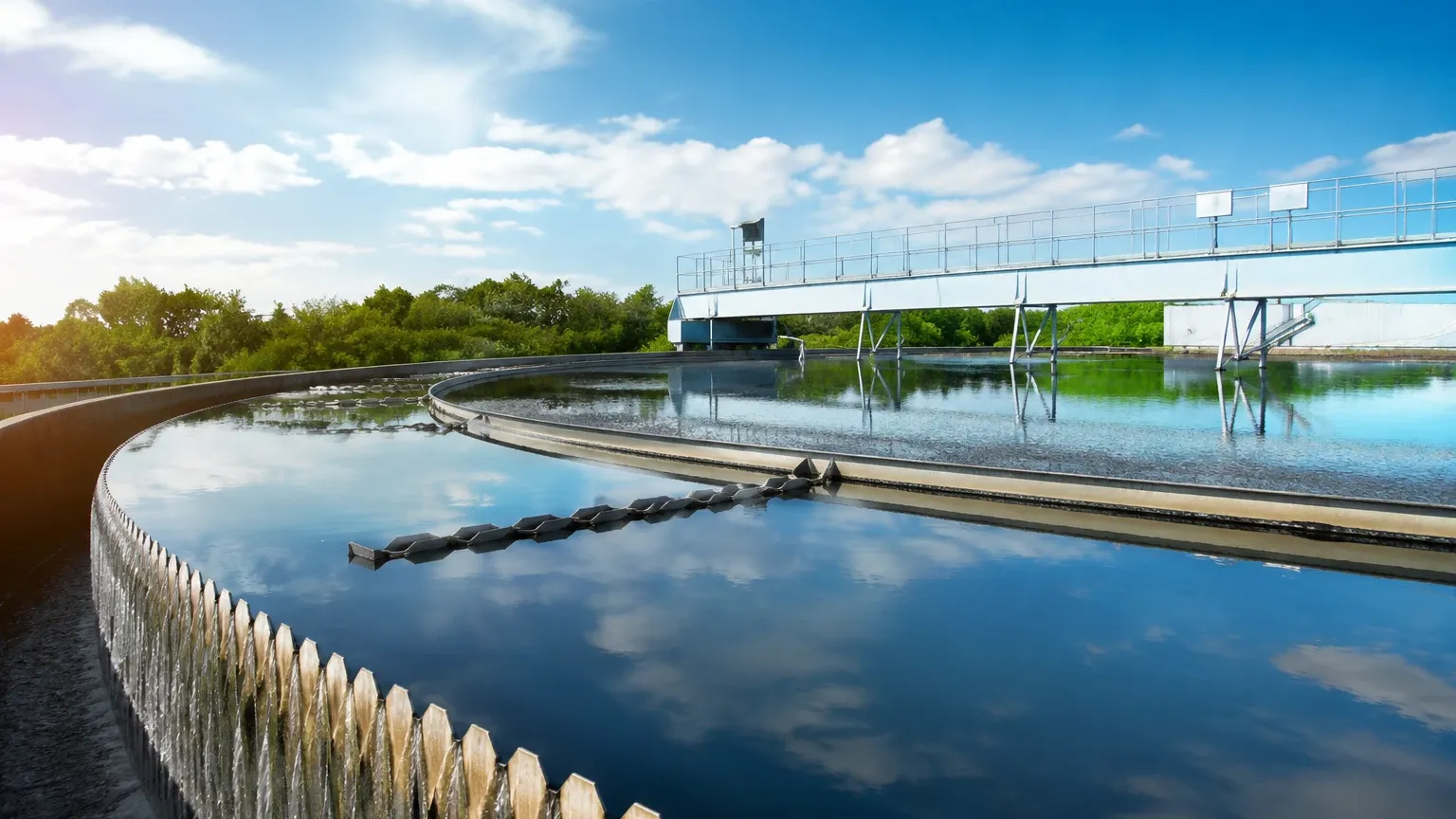
In wastewater applications, the water often contains solids, grease, and chemicals. Non-contact ultrasonic sensors are frequently used here to avoid sensor fouling. However, if the sump is prone to heavy foaming, a radar sensor or a hydrostatic transmitter may be more reliable. Monitoring the level in these areas prevents overflow and ensures that pumps are not run dry, which could lead to mechanical failure.
Cooling Towers and Reservoirs
Cooling water systems require constant monitoring to maintain thermal efficiency. Because these systems are often located outdoors, sensors must be rated for IP68 protection and be able to handle ambient temperature swings. Ultrasonic sensors with integrated temperature compensation are common, but radar is increasingly preferred for its superior reliability in varying weather conditions.
Boiler Feedwater and Steam Cycles
High-temperature water monitoring is one of the most challenging aspects of industrial automation. In these cases, magnetic level gauges or high-frequency radar are used. Magnetic gauges provide a physical, visual indication of the level while also providing an electronic output for the control system. These are essential for safety-critical applications where a power failure must not result in a total loss of level visibility.
Installation Considerations and Best Practices
Proper installation is as important as selecting the right technology. Even the most advanced radar sensor will fail to provide accurate data if it is poorly positioned.
1. Avoid Dead Zones: Every non-contact sensor has a "dead zone" or "blocking distance" directly beneath the transducer where it cannot measure. Ensure the sensor is mounted high enough so that the maximum water level never enters this zone.
2. Perpendicular Alignment: For ultrasonic and radar sensors, the transducer face must be perfectly parallel to the water surface. A tilt of just a few degrees can cause the signal to reflect away from the sensor, leading to signal loss.
3. Nozzle Interference: If mounting a sensor on a nozzle, the nozzle's internal diameter and length must be considered. If the nozzle is too narrow or too long, it can create "ringing" or false echoes that interfere with the actual level signal.
4. Obstruction Mapping: In tanks with agitators, ladders, or internal piping, modern sensors allow for "false echo suppression." This involves mapping the tank when empty so the software can ignore reflections from static internal structures.
Addressing Risks and Limitations
While industrial water monitoring systems are robust, several factors can compromise their integrity:
* Turbulence: Rapidly moving water can cause the surface to become uneven, scattering non-contact signals. In these cases, using a stilling well (a pipe that dampens surface movement) can stabilize the reading.
* Chemical Compatibility: In industrial water treatment, the presence of chlorine, acids, or bases can corrode sensor housings. It is vital to select materials like PVDF, PTFE, or high-grade stainless steel (316L) for wetted parts.
* Build-up and Scaling: In hard water applications, calcium deposits can build up on hydrostatic diaphragms or ultrasonic transducers. Regular maintenance schedules should include a visual inspection and cleaning of the sensor face.
Frequently Asked Questions (FAQ)
Q: How often should industrial water level sensors be calibrated?
A: For most general water applications, an annual calibration check is sufficient. However, for regulatory compliance in wastewater discharge or high-pressure boiler applications, semi-annual or quarterly checks may be required.
Q: Can I use ultrasonic sensors for boiling water?
A: It is generally not recommended. The heavy steam and the change in the speed of sound caused by the high temperature significantly degrade the accuracy of ultrasonic devices. Radar is the preferred non-contact choice for high-temperature water.
Q: What is the benefit of using a 4-20mA signal versus a digital protocol like RS485?
A: 4-20mA is the industry standard for its simplicity and resistance to electrical noise over long distances. Digital protocols like RS485 (Modbus) allow for more diagnostic data and easier integration into complex SCADA systems but may require more specialized wiring and configuration.
Pre-Purchase Checkpoints for Engineering Teams
Before finalizing a purchase for industrial water monitoring equipment, project teams should confirm the following technical details:
* Process Temperature and Pressure: Ensure the sensor’s operating limits exceed the maximum possible process excursions.
* Tank Geometry: Provide the manufacturer with the height, diameter, and any internal obstructions of the vessel.
* Output Requirements: Determine if the system requires a simple analog output, relays for pump control, or a digital communication protocol.
* Environmental Rating: Confirm if the installation area is classified as hazardous (Ex-rated) or if it requires specific ingress protection (IP67/IP68).
By carefully evaluating these factors, industrial facilities can implement a water monitoring strategy that reduces downtime and optimizes resource usage. For further technical support and to explore specific measurement solutions, please refer to the Main Page for detailed product documentation and engineering assistance.