Pre-measured & Pre-packaged Food Processing Wastewater Treatment
Pre-measured & Pre-packaged Food Processing Wastewater Treatment
The industrial production of pre-measured and pre-packaged foods—ranging from ready-to-eat meals and portion-controlled seasonings to vacuum-sealed proteins—represents one of the most resource-intensive sectors of the food and beverage industry. A critical byproduct of this efficiency is a complex wastewater stream. Effective pre-measured & pre-packaged food processing wastewater treatment is not merely a regulatory requirement; it is a vital component of operational sustainability and cost management.
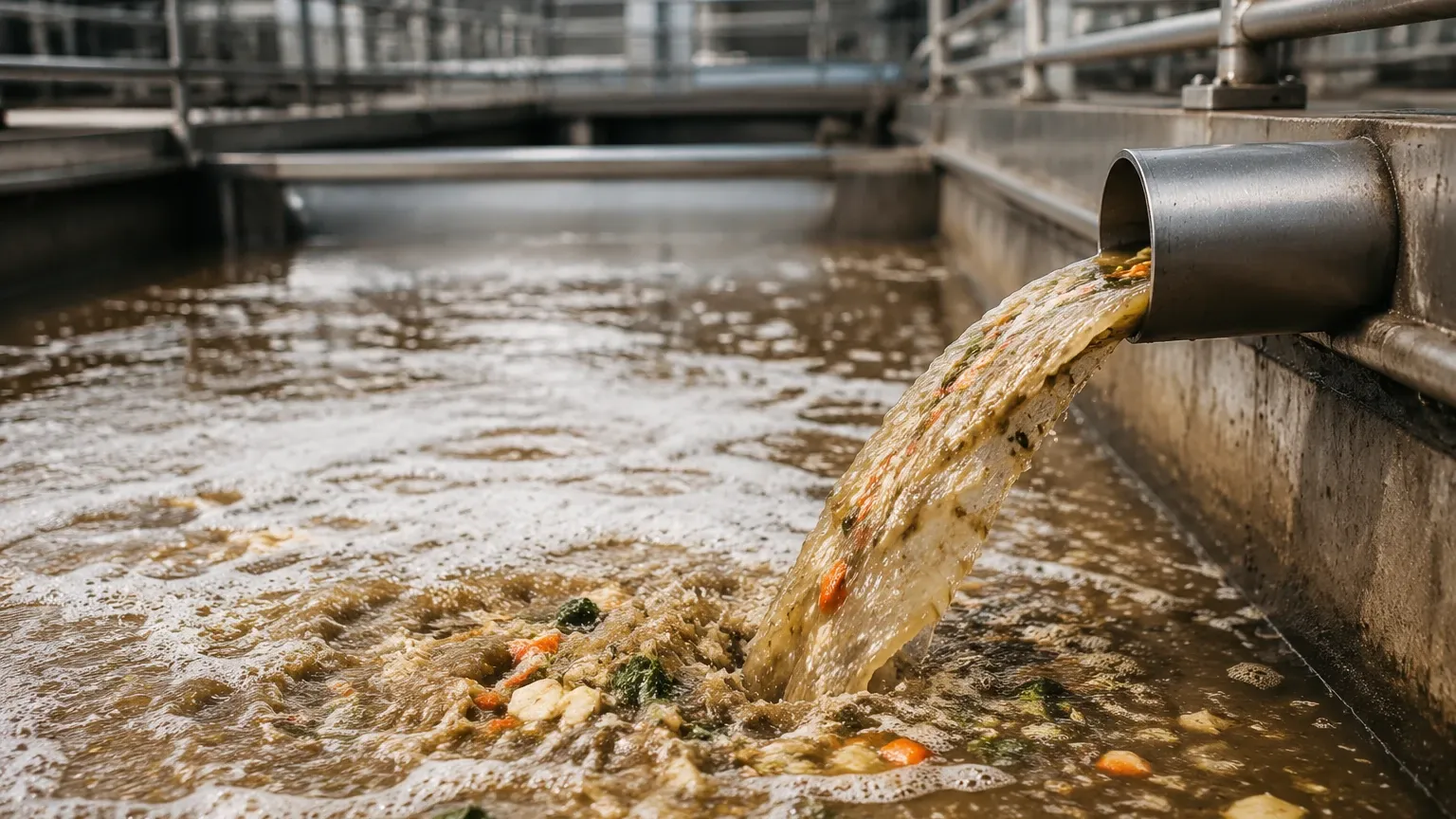
In these facilities, wastewater is generated through various stages, including raw material washing, equipment sanitation (Clean-in-Place or CIP), and the preparation of sauces or brines. The resulting effluent often contains high concentrations of Biological Oxygen Demand (BOD), Chemical Oxygen Demand (COD), suspended solids, and fats, oils, and grease (FOG). To manage these loads, precise process control is required, where level measurement serves as the primary data source for automation and safety.
Understanding Wastewater Challenges in Pre-packaged Food Facilities
Wastewater from pre-packaged food processing is characterized by its variability. Unlike a single-product plant, a facility producing pre-measured meals may process poultry in the morning and vegetable-based sauces in the afternoon. This leads to fluctuations in pH, temperature, and organic loading.
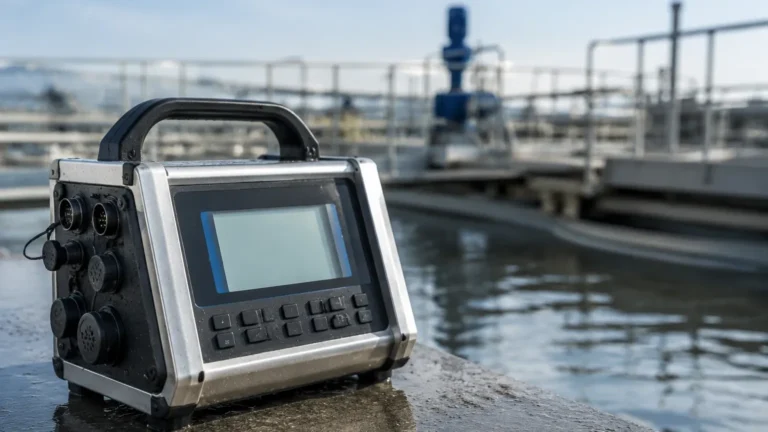
Level measurement instruments are the "eyes" of the treatment system. They monitor the volume in equalization tanks, control the dosing of neutralizing chemicals, and ensure that sludge levels in clarifiers do not exceed operational limits. Without accurate level data, treatment plants risk overflows, pump damage due to dry running, or discharge violations that can lead to significant fines.
Core Level Measurement Principles for Wastewater Applications
Before selecting specific instrumentation for pre-measured & pre-packaged food processing wastewater treatment, it is essential to understand the underlying physics of the most common measurement technologies. Each principle offers distinct advantages depending on the physical properties of the wastewater.
1. Radar Level Measurement (ToF)
Radar sensors operate on the Time-of-Flight (ToF) principle. The sensor emits high-frequency microwave pulses (typically in the 26 GHz or 80 GHz range) that travel to the liquid surface and reflect back to the antenna. Since microwaves travel at the speed of light, the duration between emission and reception is used to calculate the distance.
* Advantage: Radar is non-contact and unaffected by changes in temperature, pressure, or the presence of vapors and dust. It is highly effective for wastewater containing oils or fats that might coat a contact-based probe.
2. Ultrasonic Level Measurement
Similar to radar, ultrasonic sensors use ToF but rely on sound waves rather than electromagnetic waves. The transducer emits an ultrasonic pulse that reflects off the liquid surface.
* Advantage: This is a cost-effective solution for open-channel flow measurement and simple sump monitoring. However, it is sensitive to air temperature fluctuations and heavy steam, which can alter the speed of sound and lead to inaccuracies.
3. Hydrostatic Pressure Measurement
This principle relies on the relationship between the height of a liquid column and the pressure it exerts at the base of a tank. A pressure transmitter at the bottom of the vessel measures this force, which is then converted into a level reading based on the fluid's density.
* Advantage: Hydrostatic sensors are highly reliable for vented tanks with consistent liquid densities. They are often used in deep lift stations or large storage tanks where top-down mounting is impractical.
4. Magnetic Level Gauges
For auxiliary tanks or chemical storage, magnetic level gauges provide a clear visual indication alongside electronic output. A float containing a magnet moves with the liquid level inside a bypass chamber, flipping magnetic flags on the exterior and actuating reed switches or transmitters.
Strategic Sensor Selection for Food Processing Effluent
Selecting the right instrument requires an analysis of the specific stage of the treatment process. The following table provides a comparison of technologies based on common wastewater scenarios found in pre-packaged food plants.
| Application Stage | Typical Conditions | Recommended Technology | Why? |
| :— | :— | :— | :— |
| Equalization (EQ) Tanks | Turbulence, varying density, foam | 80 GHz Radar | High-frequency radar penetrates foam and ignores turbulence. |
| Grease Traps / Interceptors | High FOG, crust formation | Non-contact Radar | Contact probes will foul quickly due to grease buildup. |
| Chemical Dosing Tanks | Corrosive acids/bases | Ultrasonic or PTFE-coated Radar | Non-contact prevents corrosion of the sensor body. |
| Open Channel Flow | High humidity, ambient air | Ultrasonic | Cost-effective and standard for Parshall flumes. |
| Sludge Holding Tanks | High solids, thick viscosity | Hydrostatic (Flush Diaphragm) | Flush diaphragms prevent solids from clogging the sensor. |
For engineers looking to integrate these technologies into a broader automation framework, reviewing the technical specifications of various Main Page options is a necessary step to ensure compatibility with existing PLC or SCADA systems.
Installation Best Practices for Reliable Monitoring
Even the most advanced level meter will fail if installed incorrectly. In the context of pre-measured & pre-packaged food processing wastewater treatment, several environmental factors must be addressed during the design phase.
Avoiding Internal Obstructions
For radar and ultrasonic sensors, the "beam angle" is critical. Sensors should be positioned away from inlet pipes, agitators, and ladders. If an obstruction is unavoidable, many modern Welk instruments feature "false echo suppression," allowing the software to ignore reflections from fixed internal structures.
Nozzle Height and Dead Zones
Every non-contact sensor has a "dead zone" (or blocking distance) directly beneath the transducer where measurement is impossible. Ensure the sensor is mounted high enough so that the maximum liquid level never enters this zone. Conversely, ensure the mounting nozzle is not so long that it creates internal reflections that interfere with the signal.
Turbulence and Stilling Wells
In tanks with heavy agitation, the liquid surface may be too chaotic for a clean reflection. In these cases, a stilling well—a vertical pipe that acts as a buffer—can be installed. The sensor measures the level inside the pipe, which remains calm even if the rest of the tank is turbulent.
Addressing Environmental and Physical Limitations
While modern instrumentation is robust, certain conditions in food processing wastewater treatment present ongoing challenges.
1. Steam and Vapor: In wash-down areas where hot water is used to clean pre-packaging lines, steam can attenuate ultrasonic signals. In these environments, radar is the superior choice as microwaves are unaffected by gas-phase water molecules.
2. Foam: Heavy protein-based foam can absorb ultrasonic and low-frequency radar signals. Using a high-frequency (80 GHz) radar sensor provides a narrower beam and better signal dynamics to track the true liquid level beneath the foam.
3. Build-up and Scaling: Wastewater often contains dissolved minerals or sticky food residues. Non-contact sensors are preferred here. If a contact-based hydrostatic sensor must be used, a flush-mount diaphragm design is required to prevent material from accumulating in the pressure port.
The Role of Level Switches in Safety
While continuous level transmitters provide real-time data, redundant safety is often provided by level switches. In wastewater treatment, high-level switches act as an emergency stop for influent pumps to prevent environmental spills. Tuning fork switches or capacitive switches are commonly used because they can distinguish between actual liquid and a layer of foam or coating on the probe.
Frequently Asked Questions (FAQ)
Q: How often do level sensors in wastewater applications need calibration?
A: For non-contact radar, calibration is typically performed at commissioning and rarely needs adjustment unless the tank geometry changes. Hydrostatic sensors may require annual checks to account for potential sensor drift or changes in fluid density.
Q: Can one sensor type handle all stages of wastewater treatment?
A: While radar is the most versatile, it may be over-engineered for a simple water storage tank where a hydrostatic transmitter or ultrasonic sensor would be more cost-effective. A hybrid approach is usually the most efficient.
Q: How does FOG (Fats, Oils, and Grease) affect measurement?
A: FOG can create a thick layer on top of the water. Contact-based sensors will become coated and fail. Non-contact radar is the industry standard for these applications because it can accurately measure the liquid level through the grease layer or detect the top of the grease layer depending on the frequency and dielectric settings.
Q: Are these sensors compatible with CIP (Clean-in-Place) processes?
A: Many sensors designed for the food industry are built with IP68 or IP69K ratings and stainless steel housings, allowing them to withstand high-pressure wash-downs and caustic cleaning agents used in pre-packaged food facilities.
Conclusion
Effective pre-measured & pre-packaged food processing wastewater treatment relies on the seamless integration of mechanical treatment, chemical processing, and precision instrumentation. By understanding the measurement principles of radar, ultrasonic, and hydrostatic technologies, facility managers can optimize their treatment processes, ensure compliance, and reduce operational overhead. For detailed product selection and application engineering support, professionals are encouraged to consult the Main Page for technical documentation and expert guidance on level measurement solutions.
Download Pre-measured & Pre-packaged Food Processing Wastewater Treatment as a PDF