Penetrating Oil for O2 Sensor
Penetrating Oil for O2 Sensor
In the field of industrial maintenance and automotive engineering, the removal of sensors that have been subjected to extreme thermal cycling and corrosive environments is a frequent challenge. The oxygen (O2) sensor, typically located within an exhaust manifold or piping system, is prone to "seizing" due to the intense heat and oxidation it endures. Utilizing a high-quality penetrating oil for o2 sensor extraction is often the first step in a successful maintenance procedure. However, for engineers and technicians working in broader process industries, the principles of sensor extraction and maintenance extend far beyond the automotive sector into the realm of industrial level measurement and process control.
This article examines the mechanics of penetrating fluids, the risks associated with chemical solvents in sensitive instrumentation, and provides a comprehensive guide to selecting and maintaining industrial level measurement technologies, such as those provided by Welk, to ensure long-term reliability and ease of service.
The Mechanics of Penetrating Oil for O2 Sensor Extraction
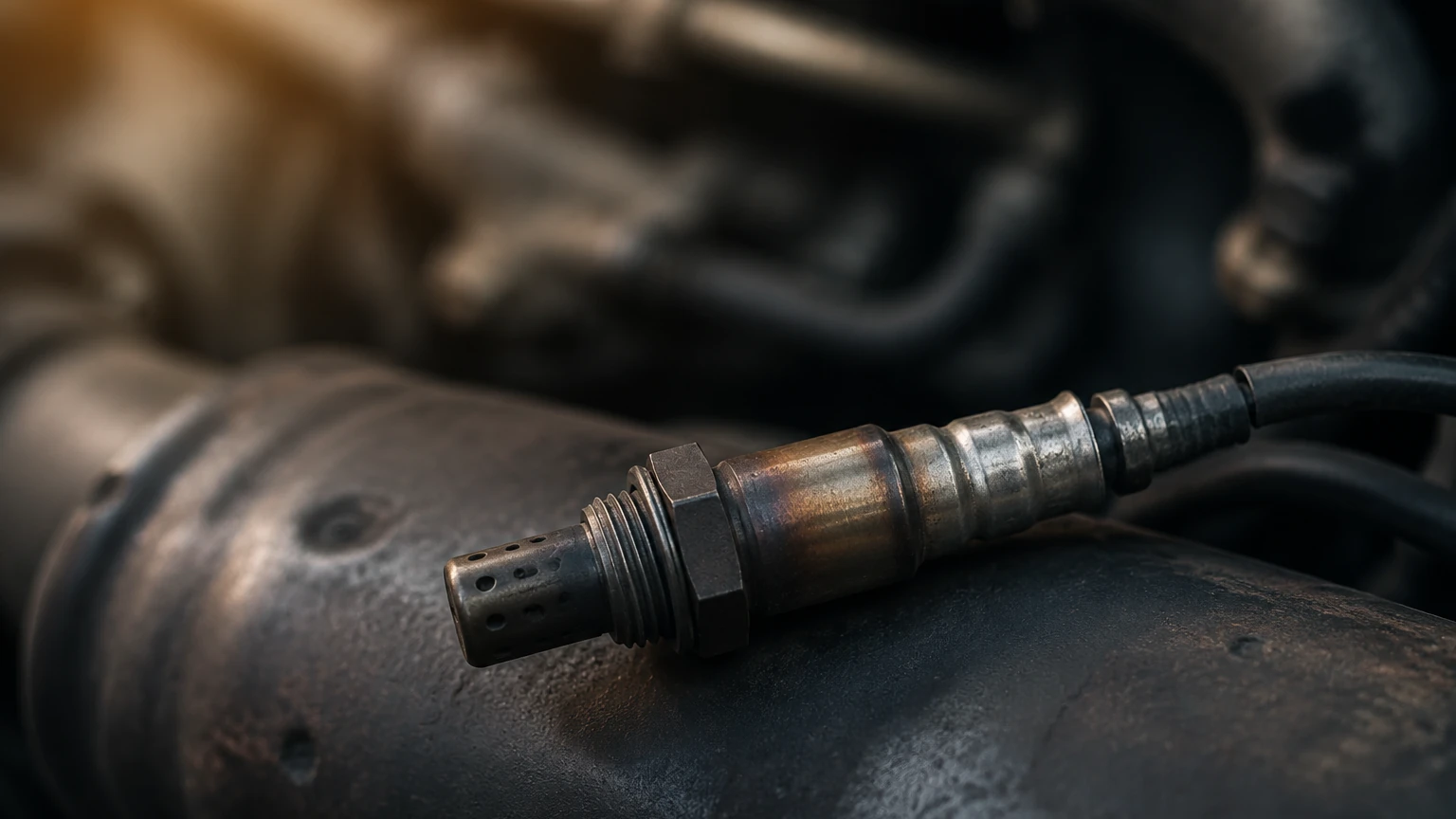
Before discussing industrial applications, it is essential to understand why a penetrating oil for o2 sensor removal is necessary. O2 sensors are threaded directly into exhaust components where temperatures can exceed 650°C (1,200°F). This heat causes the metal threads to expand and contract, often leading to a phenomenon known as "galling" or cold welding. Additionally, moisture and road salts (in automotive cases) or process chemicals (in industrial cases) lead to the formation of iron oxide (rust) within the thread interface.
Capillary Action and Surface Tension
An effective penetrating oil works through capillary action. This is the ability of a liquid to flow into narrow spaces without the assistance of, or even in opposition to, external forces like gravity. For a fluid to penetrate the microscopic gaps between the threads of a seized O2 sensor, it must have extremely low surface tension and low viscosity.
When applied, the oil seeks out the smallest fissures in the rust layer. Over a period of minutes or hours, the solvent breaks down the bonds of the oxide, while the lubricant portion of the fluid reduces the friction coefficient between the male and female threads. This dual action allows the technician to apply torque without shearing the sensor body or stripping the internal threads of the mounting bung.
Evaluation Criteria: What Makes an Effective Penetrating Fluid?
Not all lubricants are suitable for use as a penetrating oil for o2 sensor applications. In a B2B or industrial environment, the following criteria must be evaluated:
1. Solvency: The fluid must contain chemical agents capable of dissolving carbon deposits and metal oxides.
2. Flash Point: Given that sensors are often serviced in high-heat environments, the flash point of the oil must be considered to prevent accidental ignition.
3. Evaporation Rate: A fluid that evaporates too quickly will not have sufficient time to travel down the length of the threads.
4. Sensor Compatibility: This is the most critical factor. Many O2 sensors are "breathable" through their wire leads or specific vents. If a silicone-based penetrating oil or a heavy petroleum distillate enters the sensor body, it can poison the zirconia or titania element, rendering the sensor useless even if it is successfully removed and reinstalled.
Risks of Chemical Contamination in Sensitive Instrumentation
While penetrating oils are indispensable for extraction, they pose significant risks to the integrity of industrial instrumentation. In process automation, where level meters and transmitters are used to monitor volatile chemicals or ultrapure water, the introduction of a penetrating solvent can lead to several failure modes:
* Diaphragm Damage: In hydrostatic level transmitters, the thin metallic or ceramic diaphragm is highly sensitive. Corrosive solvents can pit the surface or degrade the fill fluid seals.
* Signal Interference: For ultrasonic level sensors, residue left on the transducer face can alter the acoustic impedance, leading to false echoes or "blind spots."
* Seal Degradation: Many industrial sensors use O-rings made of Viton, EPDM, or Nitrile. Incompatible penetrating oils can cause these seals to swell, crack, or dissolve, leading to process leaks.
For these reasons, engineers often prefer mechanical solutions or specialized, non-contaminating release agents when maintaining high-precision industrial equipment.
Industrial Level Measurement: Bridging the Gap from Automotive to Process Engineering
Just as an O2 sensor monitors the chemistry of an exhaust stream, industrial level meters monitor the volume and status of fluids in tanks, silos, and open channels. Welk specializes in providing these robust measurement solutions, designed to withstand the same harsh conditions that typically require the use of a penetrating oil for o2 sensor removal.
When selecting a level measurement system, engineers must consider the measurement principle to ensure the device can be maintained without resorting to aggressive chemical solvents. To explore the full range of industrial solutions, professionals can Review product options and application support on the Welk Main Page.
Radar Level Meters (Non-Contact)
Radar technology utilizes high-frequency electromagnetic waves (typically in the GHz range). The sensor emits a signal that reflects off the surface of the medium and returns to the receiver. The time-of-flight (ToF) is used to calculate the distance. Because radar is non-contact and can be mounted behind a PTFE flange protector, the risk of the sensor threads becoming seized by the process media is significantly reduced.
Ultrasonic Level Sensors
Similar to radar, ultrasonic sensors use sound waves. They are cost-effective for water treatment and simple chemical storage. However, they are sensitive to temperature gradients and heavy foam. Maintenance usually involves cleaning the transducer face rather than struggling with seized threads in the process fluid.
Comparison of Level Measurement Technologies
The following table provides a selection guide for industrial level instruments based on typical application requirements:
| Technology | Measurement Principle | Ideal Application | Maintenance Requirement | Resistance to Seizing |
| :— | :— | :— | :— | :— |
| Radar (80GHz) | Electromagnetic ToF | Chemical tanks, high-temp solids | Low (Non-contact) | Excellent |
| Ultrasonic | Acoustic ToF | Water treatment, open channels | Moderate (Clean face) | Good |
| Hydrostatic | Pressure Differential | Deep wells, vented tanks | High (Seal integrity) | Moderate |
| Magnetic Gauge| Buoyancy/Magnetic | Oil & Gas, high-pressure boilers | Moderate (Float cleaning) | Moderate |
| Level Switch | Vibration/Capacitance | Overfill protection | Low | High |
Practical Installation and Maintenance for Industrial Sensors
To avoid the need for aggressive penetrating oil for o2 sensor-style interventions in an industrial setting, proper installation is paramount. Whether installing a radar level meter or a hydrostatic transmitter, follow these engineering guidelines:
1. Use Anti-Seize Compounds: Apply a nickel-based or ceramic-based anti-seize compound to the threads of the sensor before installation. Ensure the compound is compatible with the process media.
2. Torque Specifications: Over-tightening is the leading cause of seized threads. Always use a calibrated torque wrench and follow the manufacturer's Nm (Newton-meter) specifications.
3. Material Matching: Avoid joining dissimilar metals (e.g., a stainless steel sensor into an aluminum flange) without proper insulation or lubrication, as this can lead to galvanic corrosion.
4. Regular Inspection: In environments with high vibration or temperature fluctuations, inspect the mounting points every 6 to 12 months. A small amount of preventative lubrication can prevent a total seizure.
Installation Considerations for Level Meters
When installing level measurement instruments from Welk, consider the "dead zone" or "blocking distance." For an ultrasonic sensor, this might be 0.25m to 0.5m from the transducer face. If the sensor is mounted too close to the maximum fill level, it will fail to provide an accurate reading. Similarly, radar sensors must be mounted away from the tank wall to avoid false reflections from internal structures like ladders or agitators.
FAQ: Sensor Extraction and Maintenance
Q: Can I use standard WD-40 as a penetrating oil for o2 sensor removal?
A: While standard lubricants provide some relief, specialized penetrating oils with lower viscosity and specific rust-dissolving additives are significantly more effective for seized O2 sensors. Always ensure the product is "sensor safe" to avoid damaging the internal electronics.
Q: How do I remove a level sensor that is already seized?
A: For industrial level sensors, start with a thermal shock method if the process allows. Cooling the sensor with a localized refrigerant while gently heating the mounting bung can break the bond. If chemicals are used, ensure they are thoroughly cleaned off before the new sensor is installed to prevent process contamination.
Q: Why choose radar over hydrostatic for high-maintenance environments?
A: Radar level meters are generally preferred because they have no moving parts and do not come into direct contact with the media (when using a flange protector). This eliminates the risk of thread corrosion and diaphragm fatigue, which are common in hydrostatic setups.
Conclusion
Whether you are dealing with a seized automotive component requiring a penetrating oil for o2 sensor extraction or specifying high-precision instrumentation for a chemical plant, the principles of maintenance and material science remain the same. Preventing mechanical failure through proper material selection, anti-seize application, and the use of non-contact measurement technologies is always more cost-effective than reactive repairs.
Welk provides a comprehensive suite of level measurement solutions designed to minimize maintenance overhead and maximize process uptime. By choosing the right technology—be it radar, ultrasonic, or magnetic—engineers can ensure that their systems remain accurate and accessible for years to come. For detailed technical specifications and to find the right instrument for your specific application, visit the Welk Main Page to review our full product catalog and engineering support resources.