Flow Computer
Flow Computer
In the complex landscape of industrial process control, the flow computer serves as the central intelligence unit for fluid measurement. While primary sensors like flow meters, pressure transmitters, and temperature probes gather raw data, it is the flow computer that translates these disparate signals into actionable, high-accuracy information. For engineers and facility managers, understanding the nuances of flow computer technology is essential for ensuring fiscal accuracy, regulatory compliance, and operational efficiency.
A flow computer is a specialized electronic device designed to calculate the volume, mass, and energy flow of liquids and gases. Unlike a standard PLC (Programmable Logic Controller), which handles general automation tasks, a flow computer is purpose-built with complex algorithms that account for the physical properties of fluids under varying conditions. This article explores the principles, selection criteria, and integration strategies for flow computers in modern industrial environments.
Measurement Principles and Compensation Algorithms
The primary function of a flow computer is to perform "flow compensation." Fluids, particularly gases and steam, are highly compressible. Their density changes significantly with fluctuations in temperature and pressure. To provide an accurate measurement, a flow computer must apply real-time corrections to the raw flow signal.
Volume to Mass Conversion
Most flow meters, such as turbine or vortex meters, measure the velocity of the fluid or the volume passing through a pipe at "line conditions." However, for inventory management and custody transfer, measurements must be reported at "standard conditions" (e.g., 15°C and 101.325 kPa). The flow computer uses equations of state, such as AGA 3 for orifice meters or AGA 8 for natural gas compressibility, to calculate the standard volume or mass flow.
Energy Flow Calculation
In heating and cooling applications or natural gas distribution, the energy content (BTU or Joules) is often more important than the volume. Flow computers calculate energy flow by integrating the mass flow rate with the fluid's enthalpy or calorific value, which may be provided by a gas chromatograph or programmed as a constant.
Signal Processing
Flow computers accept various input types:
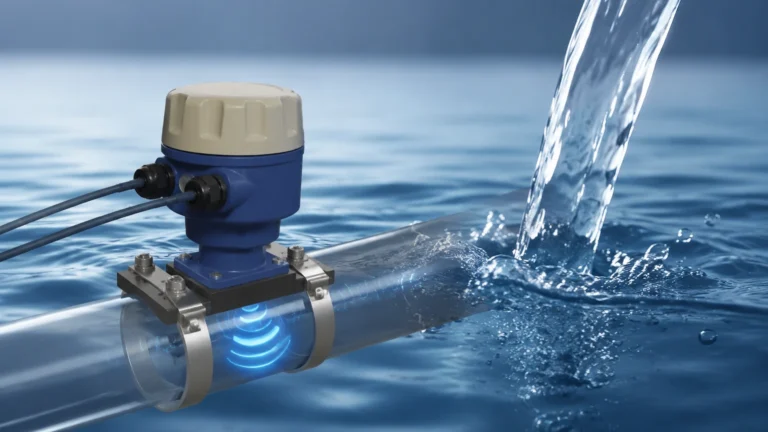
* Pulse Inputs: From turbine, PD (Positive Displacement), or ultrasonic meters.
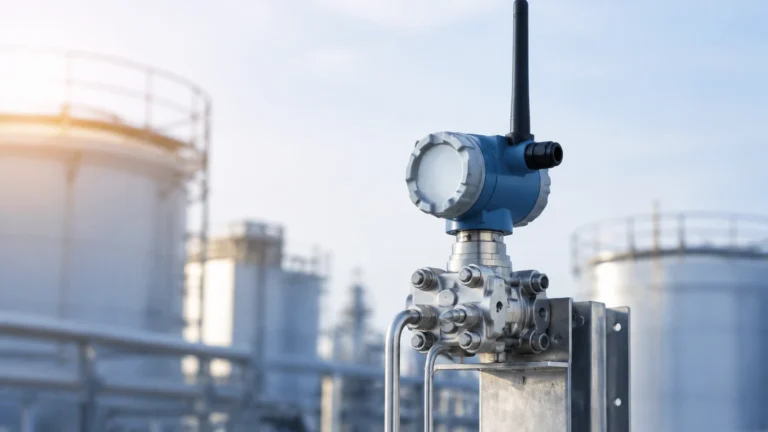
* Analog Inputs (4-20mA): From pressure, temperature, and differential pressure transmitters.
* Digital Inputs: Via Modbus, HART, or Foundation Fieldbus for high-integrity data transfer.
Key Evaluation Criteria for Selecting a Flow Computer
Selecting the right flow computer requires a balance between technical capability and cost-effectiveness. The following criteria should guide the procurement process:
1. Accuracy and Certification
For custody transfer applications—where ownership of a fluid changes hands—the flow computer must meet strict legal metrology standards (such as OIML R117 or API Chapter 21). High-end units offer calculation uncertainties of less than 0.05%.
2. Multi-Stream Support
In large-scale operations, a single flow computer may need to manage multiple flow streams simultaneously. Determining whether a single-stream or multi-stream unit is required depends on the physical proximity of the measurement points and the risk of a single point of failure affecting multiple lines.
3. Environmental Durability
Flow computers are often installed in harsh environments. Units should be evaluated based on their IP (Ingress Protection) rating and hazardous area certifications (ATEX/IECEx). For remote locations, power consumption is also a critical factor, with some units designed to run on solar power and batteries.
4. Communication and Integration
Modern industrial automation relies on seamless data flow. A flow computer must support standard protocols like Modbus TCP/IP, Profinet, or EtherNet/IP to communicate with SCADA systems and PLCs. Furthermore, the ability to log historical data and generate audit trails is vital for compliance.
Integration with Level Measurement Systems
While flow computers focus on the movement of fluids, they are frequently integrated with level measurement systems to provide a complete picture of plant inventory. In tank farm applications, for instance, level sensors provide the static inventory data, while flow computers track the dynamic inflow and outflow.
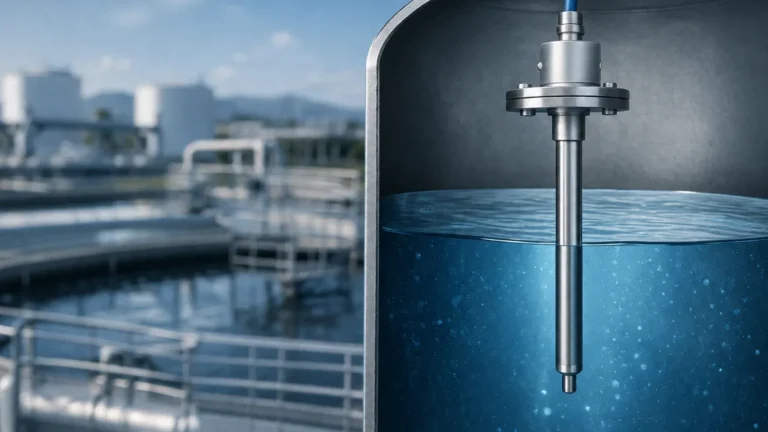
Instruments such as radar level meters or hydrostatic transmitters provide the "head" or "level" data required to calculate the volume of fluid in a vessel. When this data is combined with the output of a flow computer, operators can perform mass balance reconciliations to detect leaks or measurement discrepancies. For high-precision level and flow instrumentation, engineers often consult the Main Page of specialized manufacturers to ensure component compatibility.
Flow Computer Selection Guide
The following table provides a comparison of common flow computer configurations based on application requirements.
| Feature | Entry-Level (Rate/Totalizer) | Standard Industrial | Custody Transfer Grade |
| :— | :— | :— | :— |
| Primary Use | Simple water/utility monitoring | Process control and steam | Oil & Gas fiscal billing |
| Inputs | 1 Pulse, 1 Analog | 2-4 Streams, Multi-Analog | 10+ Streams, Digital Comms |
| Algorithms | Basic Linearization | Steam Tables, AGA/API | Full Equation of State (GERG) |
| Data Logging | Minimal | Daily/Monthly Totals | Audit Trail, Event Logs |
| Redundancy | None | Optional Software Redundancy | Hardware Redundancy Support |
Installation Best Practices and Maintenance
Proper installation is as critical as the hardware itself. Even the most advanced flow computer will provide inaccurate data if the input signals are compromised.
Wiring and Shielding
To prevent electromagnetic interference (EMI) from affecting pulse or analog signals, use twisted-pair shielded cables. Ensure the shield is grounded at only one end to avoid ground loops, which can introduce significant errors in 4-20mA loops.
Input Calibration
Periodic calibration of the entire measurement loop—not just the flow computer—is necessary. This involves injecting a known signal (e.g., using a 4-20mA simulator) into the flow computer and verifying that the displayed value matches the calculated expected value. In metric-based systems, ensure all units (e.g., m³/h, kg/s, kPa, °C) are consistently configured across all devices.
Firmware Management
Flow computer manufacturers frequently release firmware updates to address security vulnerabilities or add new calculation standards. Maintenance schedules should include a review of firmware versions, ensuring that any updates are performed in a controlled environment to avoid losing configuration data.
Common Risks and Operational Limitations
Despite their sophistication, flow computers are subject to several operational risks:
* Signal Noise: High-frequency noise from variable frequency drives (VFDs) can cause the flow computer to "over-count" pulses, leading to inflated flow totals.
* Computational Lag: In high-speed control loops, the time it takes for a flow computer to process complex math can introduce a small delay. While usually negligible for inventory, it can affect fast-acting batching systems.
* Configuration Errors: The "garbage in, garbage out" principle applies. If the fluid density or pipe diameter is entered incorrectly during commissioning, all subsequent calculations will be flawed. Always double-check the K-factors and meter factors against the flow meter's calibration certificate.
Frequently Asked Questions (FAQ)
Q: Can a PLC replace a flow computer?
A: While a PLC can perform basic math, it often lacks the specialized, high-speed floating-point processing and pre-validated libraries required for complex fluid property calculations. A flow computer is preferred for high-accuracy or regulated applications because its algorithms are purpose-built and often certified by third parties.
Q: How often should a flow computer be calibrated?
A: For non-critical process monitoring, annual verification is usually sufficient. However, for custody transfer, local regulations or contractual agreements may require quarterly or even monthly verification of the measurement loop.
Q: What is the difference between a flow computer and a flow totalizer?
A: A flow totalizer is a simpler device that merely sums the pulses or analog signal over time. A flow computer performs active compensation for temperature, pressure, and fluid composition, providing a much more accurate representation of the actual mass or standard volume.
Q: How do flow computers handle multi-phase flow?
A: Standard flow computers are designed for single-phase fluids (all liquid or all gas). Measuring multi-phase flow (e.g., a mixture of oil, water, and gas) requires highly specialized and significantly more expensive equipment, often involving gamma-ray densitometers or advanced ultrasonic arrays.
Conclusion
The flow computer is an indispensable tool for modern industry, bridging the gap between raw physical measurements and high-level business intelligence. By selecting a unit that matches the specific needs of the application—whether it be simple utility tracking or high-stakes custody transfer—and ensuring rigorous installation and maintenance, operators can achieve unparalleled accuracy in their fluid processes. For those looking to integrate these systems with comprehensive level measurement solutions, exploring the technical resources on the Main Page of industry experts is a recommended next step in system design and optimization.