Chloride Sensor
Chloride Sensor
In industrial process control and environmental monitoring, the chloride sensor is a critical analytical tool used to determine the concentration of chloride ions (Cl-) in aqueous solutions. Chloride is one of the most common inorganic anions found in water and wastewater. While it is essential for various biological and industrial processes, excessive concentrations can lead to severe equipment degradation, particularly through stress corrosion cracking in stainless steel and the acceleration of pitting in metallic components.
For engineers and plant managers, selecting the right chloride sensor involves understanding the chemical environment of the application, the required accuracy, and how the sensor integrates into the broader automation architecture. This guide provides a technical overview of chloride measurement technologies, selection parameters, and their operational relationship with industrial instrumentation such as the level measurement solutions found on our Main Page.
Measurement Principles of Chloride Sensors
Chloride sensors primarily utilize electrochemical methods to provide real-time data. Understanding these principles is the first step in ensuring the selected instrument is compatible with the process medium.
Ion-Selective Electrode (ISE) Technology
The most prevalent method for online chloride monitoring is the Ion-Selective Electrode (ISE). This technology operates on a potentiometric principle. The sensor consists of an internal reference electrode and a sensing electrode equipped with a chloride-selective membrane (often a solid-state polycrystalline silver chloride/silver sulfide pellet).
When the sensor is immersed in a liquid, an electrical potential develops across the membrane. This potential is proportional to the logarithm of the chloride ion activity in the solution, as described by the Nernst Equation:
*E = E0 + (2.303 RT/nF) log(A)*
Where:
* E is the total potential.
* E0 is the standard electrode potential.
* R is the gas constant.
* T is the absolute temperature (in Kelvin).
* n is the charge of the ion.
* F is the Faraday constant.
* A is the activity of the chloride ion.
Amperometric and Colorimetric Alternatives
While ISE is dominant for continuous monitoring, other methods exist for specific use cases:
* Amperometric Sensors: These measure the current generated during a chemical reaction at a working electrode. They are often used in specialized high-purity water applications but are more sensitive to flow rate changes than ISEs.
* Colorimetric Analyzers: These are automated laboratory-style instruments that mix reagents with the sample to produce a color change, which is then measured optically. While highly accurate, they involve complex fluidics and consumable costs, making them less common for direct in-line installation compared to solid-state sensors.
Technical Selection Criteria
Selecting a chloride sensor requires a detailed analysis of the process conditions. A sensor designed for clean drinking water will quickly fail if placed in a high-temperature chemical reactor or a wastewater treatment basin with high solids content.
Selection Table: Chloride Sensor Comparison
| Feature | Potentiometric (ISE) | Amperometric | Colorimetric (Online) |
| :— | :— | :— | :— |
| Measurement Range | 2 to 35,000 mg/L | 0.1 to 1,000 mg/L | 0.01 to 100 mg/L |
| Accuracy | ±5% to 10% of reading | ±2% to 5% | ±1% to 2% |
| Response Time | < 60 seconds | < 30 seconds | 5 to 15 minutes |
| Maintenance | Monthly calibration | Frequent membrane change | Reagent replenishment |
| Common Use | Wastewater, Cooling water | High-purity water | Laboratory/Compliance |
| Interferences | Bromide, Cyanide, Sulfide | pH fluctuations | Turbidity, Color |
Key Evaluation Factors
1. Concentration Range: Industrial chloride levels can vary from a few parts per million (ppm) in boiler feed water to over 30,000 mg/L in seawater or produced water from oil and gas operations. Ensure the sensor’s linear range matches the expected process fluctuations.
2. Temperature and Pressure: Most standard ISE sensors are rated for temperatures between 0°C and 50°C (32°F to 122°F). High-pressure applications require specialized housings or flow-cell arrangements to prevent membrane damage.
3. Chemical Compatibility: The body material of the sensor (typically PVC, PEEK, or Stainless Steel) must be resistant to the process medium. In corrosive chemical environments, PEEK is often preferred for its chemical inertness.
Industrial Applications
Water and Wastewater Treatment
In municipal wastewater plants, chloride monitoring is essential for ensuring compliance with discharge permits. High chloride levels can be toxic to aquatic life. In drinking water treatment, sensors monitor the source water to detect saltwater intrusion or industrial runoff.
Cooling Towers and Boilers
Cooling water systems use evaporation to dissipate heat, which naturally concentrates dissolved solids, including chlorides. If chloride levels exceed specific thresholds, the risk of corrosion in heat exchangers increases exponentially. Chloride sensors trigger "blowdown" cycles—where a portion of the concentrated water is drained and replaced with fresh makeup water.
Oil and Gas (Produced Water)
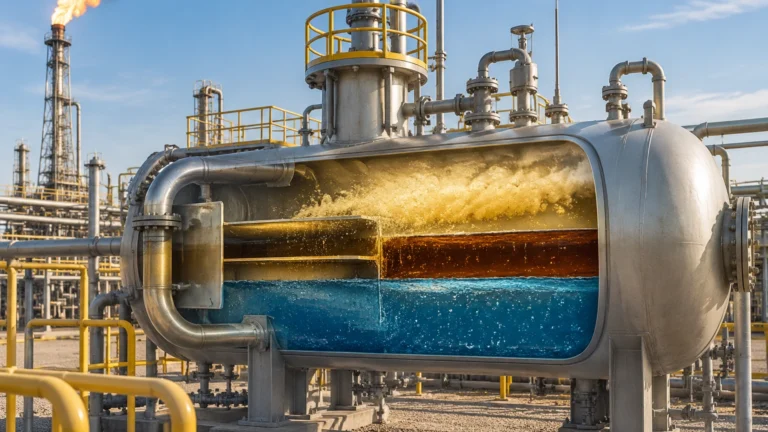
During oil extraction, large volumes of "produced water" are brought to the surface. This water is often extremely saline. Chloride sensors are used to monitor the desalination or treatment process before the water is reinjected or reused for hydraulic fracturing.
Installation and Engineering Considerations
Proper installation is paramount to the longevity and accuracy of a chloride sensor. Unlike level meters, which can often be mounted non-contact (such as ultrasonic or radar models), chloride sensors must be in direct contact with the liquid.
Mounting Configurations
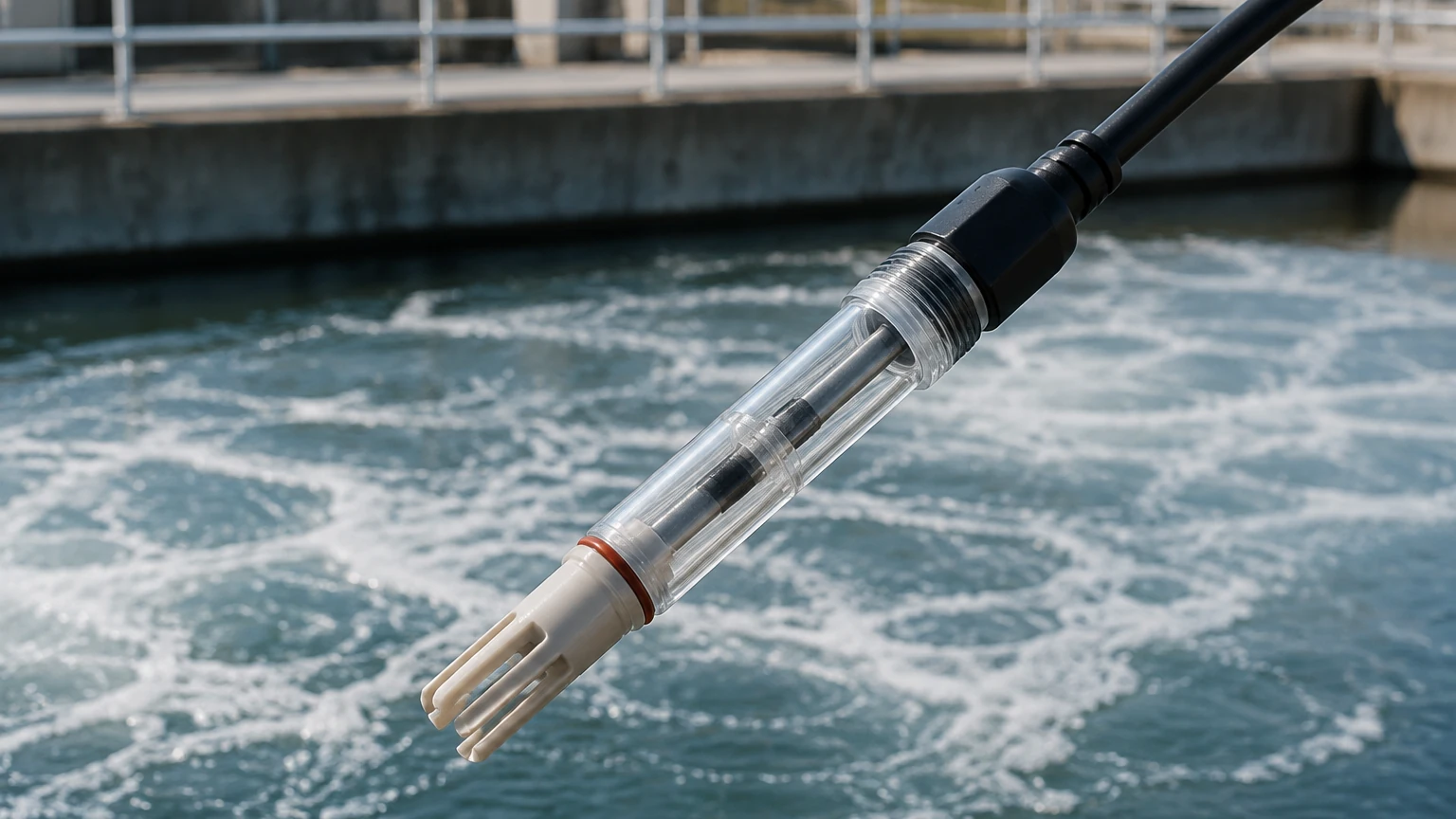
* Immersion Mounting: The sensor is attached to a pole and submerged directly into an open tank or basin. This is common in wastewater treatment.
* In-Line Mounting: The sensor is installed directly into a pipe via a tee-fitting. This requires a shut-off valve or a retractable assembly to allow for maintenance without stopping the process flow.
* Flow-Cell Mounting: A small bypass line carries a sample of the process liquid through a specialized chamber containing the sensor. This allows for precise control over flow velocity and temperature, which improves measurement stability.
Integration with Level Measurement
In most industrial tanks, liquid quality monitoring is performed alongside inventory management. For example, in a chemical storage tank, a radar level meter provides volume data while a chloride sensor monitors the concentration of the stored medium. This dual-data approach is essential for automated dosing systems. For comprehensive information on integrating level measurement technologies with analytical sensors, refer to the technical resources on our Main Page.
Limitations and Interference Factors
No sensor is perfectly selective. Users must be aware of the "Selectivity Coefficient," which defines how much the sensor responds to ions other than chloride.
1. Interfering Ions: For ISE sensors, ions such as Bromide (Br-), Iodide (I-), and Cyanide (CN-) can penetrate the membrane or react with the silver chloride pellet, causing significant positive errors. Sulfide (S2-) is particularly problematic as it can "poison" the electrode surface, necessitating mechanical cleaning or replacement.
2. Ionic Strength: ISE sensors measure ion *activity*, not just concentration. In solutions with very high total dissolved solids (TDS), the relationship between activity and concentration changes. This is managed by adding an Ionic Strength Adjustor (ISA) to the sample, though this is typically only feasible in flow-cell or laboratory setups.
3. Fouling: In applications like wastewater or pulp and paper processing, biological growth (biofouling) or oil coatings can insulate the sensor membrane. Automated cleaning systems, such as compressed air blasts or water jets, are often required to maintain accuracy.
Maintenance and Calibration Protocols
To ensure reliable B2B process control, a strict maintenance schedule must be implemented.
* Calibration: Chloride sensors should be calibrated using at least two standard solutions that bracket the expected process range (e.g., a 100 mg/L and a 1,000 mg/L standard). Calibration frequency depends on the stability of the environment but is typically performed monthly.
* Hydration: ISE membranes must remain hydrated. If a sensor is removed from the process and allowed to dry out, it must be soaked in a chloride-containing solution for several hours before it can provide accurate readings.
* Reference Junction Maintenance: The reference electrode contains an electrolyte (usually KCl). Over time, this electrolyte can become contaminated or depleted. Sensors with refillable junctions require periodic topping up, while sealed sensors must be replaced once the electrolyte is exhausted.
Frequently Asked Questions (FAQ)
Q: How long does a typical chloride sensor last?
A: In clean water applications, a sensor may last 12 to 24 months. In harsh industrial or wastewater environments, the lifespan may be reduced to 3 to 6 months due to membrane depletion or chemical attack.
Q: Can a chloride sensor measure total salinity?
A: While chloride is a major component of salinity, a chloride sensor only measures the Cl- ion. Total salinity is better measured using a conductivity sensor, which accounts for all dissolved ions, though chloride sensors provide more specific data regarding corrosion potential.
Q: Does flow rate affect the reading?
A: Potentiometric ISE sensors are generally not sensitive to flow rate, provided there is sufficient movement to ensure a representative sample. However, extremely high flow rates can cause physical wear on the membrane, while stagnant water can lead to localized concentration gradients.
Q: Is pH compensation necessary for chloride measurement?
A: Generally, chloride ISEs are stable across a wide pH range (typically pH 2 to 12). However, extreme pH levels can affect the ionic strength of the solution or damage the sensor materials. It is best to consult the specific sensor data sheet for pH limits.
Conclusion
The chloride sensor is an indispensable component for protecting industrial infrastructure and ensuring process quality. By understanding the electrochemical principles of ISE technology and accounting for potential interferences and maintenance needs, engineering teams can implement robust monitoring solutions. Whether managing cooling tower cycles or monitoring wastewater effluent, the integration of chloride data with reliable level and flow instrumentation—as detailed on our Main Page—forms the backbone of modern industrial automation and environmental stewardship.