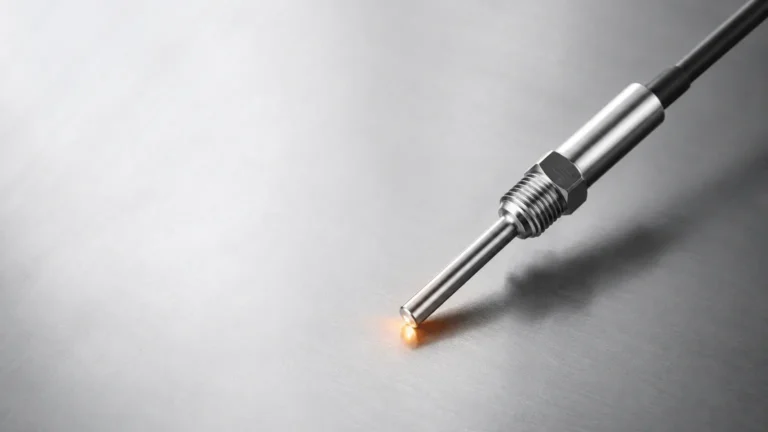
Ifm E30396
Ifm E30396
In industrial process automation, the accuracy of a level measurement system is frequently determined not just by the sensor's electronic capabilities, but by the physical integrity of its installation. Mounting accessories, such as the ifm e30396 mounting plate, serve as the critical interface between sensitive instrumentation and the harsh environments of storage tanks, reactors, and process vessels. For engineers and system integrators, selecting the correct mounting hardware is essential to ensure signal stability, prevent leaks, and maintain compliance with hygiene or safety standards.
This article provides a technical overview of the ifm e30396, its role in level measurement applications, and the engineering considerations necessary for successful deployment in industrial automation environments.
Understanding the Role of Mounting Accessories in Level Measurement
Before evaluating specific hardware like the ifm e30396, it is necessary to understand why mounting geometry and material compatibility are paramount in level measurement. Most modern industrial level sensors—whether radar, ultrasonic, or hydrostatic—rely on a clear "view" of the medium or a stable pressure reference.
Measurement Principles and Mounting Impact
1. Radar Level Measurement (ToF): Radar sensors emit high-frequency electromagnetic pulses. If a sensor is mounted at an angle or near a tank wall due to a poorly fitted mounting plate, the signal may reflect off internal obstructions, creating "false echoes." Proper mounting ensures the sensor is perpendicular to the liquid surface.
2. Ultrasonic Level Sensors: These devices use sound waves. Any vibration or misalignment caused by a loose or incompatible mounting adapter can lead to signal attenuation.
3. Hydrostatic Transmitters: These measure the liquid head pressure. The mounting interface must ensure a leak-proof seal, as even a minor pressure loss can result in significant calculation errors regarding the total volume.
Accessories like the ifm e30396 provide the standardized mechanical footprint required to secure these sensors into larger vessel openings, often adapting a small process connection to a larger flange or plate assembly.
Technical Specifications of the ifm e30396
The ifm e30396 is a mounting plate designed primarily for use with specific sensor families, often associated with pressure or level monitoring in industrial tanks. Its primary function is to provide a stable, bolt-on platform for sensors that might otherwise require complex welding or custom machining to install.
Material and Construction
The component is typically manufactured from high-grade stainless steel, such as 1.4404 (316L/1.4435). This material selection is critical for B2B applications for several reasons:
* Corrosion Resistance: 316L stainless steel offers excellent resistance to oxidation and many chemical agents, making it suitable for water treatment and chemical processing.
* Durability: Unlike plastic or lower-grade alloy alternatives, the e30396 can withstand the mechanical stresses of high-pressure environments and thermal cycling.
* Hygienic Standards: The smooth finish of stainless steel components helps prevent bacterial growth, which is vital in food and beverage or pharmaceutical applications.
Mechanical Dimensions
While specific dimensions should always be verified against the latest manufacturer data sheet, the e30396 generally features a circular or rectangular footprint with pre-drilled holes for securing to a vessel. The central aperture is threaded or machined to accept specific process connections (such as G1 or G1/2 threads). For detailed technical drawings and compatibility with modern radar or ultrasonic systems, engineers often consult the Main Page of specialized instrument providers to ensure the accessory aligns with the chosen transmitter.
Selection Criteria for Mounting Adapters
When integrating the ifm e30396 or similar mounting hardware into a project, engineers must evaluate several factors to avoid system failure or inaccurate data.
1. Process Connection Compatibility
The most common error in procurement is a mismatch between the sensor's thread type and the mounting plate's aperture. Ensure that if the sensor uses a G-thread (parallel), the mounting plate is designed for a parallel fit with the appropriate gasket or O-ring, rather than an NPT (tapered) thread.
2. Pressure and Temperature Ratings
Every mounting component has a maximum pressure rating. In pressurized vessels, the e30396 must be rated to exceed the maximum possible surge pressure of the system. Similarly, the operating temperature must remain within the limits of both the metal and any associated sealing materials (such as EPDM, FKM, or PTFE).
3. Tank Geometry and Internal Obstructions
The placement of the mounting plate on the tank roof is critical. It should be positioned away from:
* Inlet Pipes: To avoid turbulence and foam.
* Agitators: To prevent physical damage and signal interference.
* Tank Walls: To minimize side-wall reflections in radar and ultrasonic applications.
Comparison of Mounting Methods
The following table compares the use of a mounting plate like the ifm e30396 against other common installation methods.
| Installation Method | Best For | Advantages | Disadvantages |
| :— | :— | :— | :— |
| Mounting Plate (e.g., e30396) | Existing tanks with large openings | Easy to install/replace; no welding required on-site. | Requires a flat surface for bolting. |
| Welding Adapter | New vessel construction | Permanent, high-pressure seal; hygienic. | Difficult to modify; requires certified welders. |
| Flange Mounting | High-pressure/High-temp | Standardized; very high strength. | Can be heavy and expensive for small sensors. |
| Bracket Mounting | Open channels/Sump pits | Lowest cost; highly adjustable. | Not suitable for pressurized or sealed environments. |

Installation Considerations and Best Practices
To maximize the lifespan of both the ifm e30396 and the sensor it supports, follow these engineering best practices during installation:
Sealing and Gaskets
The integrity of the seal between the mounting plate and the vessel is as important as the sensor itself. Ensure that the gasket material is chemically compatible with the stored medium. For example, while EPDM is excellent for water applications, it may fail in the presence of certain oils or hydrocarbons, where FKM (Viton) would be preferred.
Torque Specifications
Over-tightening the bolts on a mounting plate can lead to warping, which may compromise the seal or cause the sensor to sit at an improper angle. Use a calibrated torque wrench and follow the manufacturer's specified Newton-meters (Nm) for the specific bolt grade being used.
Orientation
For sensors with directional signals (like many radar level meters), the orientation of the mounting plate must allow for the sensor to be rotated into the optimal position. Some plates offer slotted holes to allow for minor adjustments after the initial bolting.
Limitations and Risks
While the ifm e30396 is a robust component, it is not a universal solution. Engineers should be aware of the following limitations:
* Vibration: In applications with heavy machinery or powerful agitators, mechanical vibration can be transmitted through the mounting plate to the sensor. In extreme cases, this can lead to fatigue failure of the sensor's housing. Vibration dampeners may be required.
* Build-up: In sticky or viscous media, the area around the mounting plate aperture can accumulate material. This build-up can eventually interfere with the sensor's signal path, requiring periodic cleaning.
* Chemical Attack: While 316L stainless steel is highly resistant, it is not immune to all chemicals. High concentrations of hydrochloric acid or hot chloride solutions can cause pitting corrosion. Always verify the chemical compatibility chart for your specific medium.
Frequently Asked Questions (FAQ)
Q: Can the ifm e30396 be used with sensors from other manufacturers?
A: Yes, provided the process connection (thread size and type) and the mounting bolt pattern are compatible. However, it is designed specifically to fit the form factor of certain ifm sensors, so physical clearance should be checked.
Q: Does the mounting plate require a specific ground connection?
A: In many industrial environments, especially those prone to static electricity or lightning strikes, the mounting plate should be electrically bonded to the vessel and the plant's common ground to protect the sensor electronics.
Q: Is the e30396 suitable for vacuum applications?
A: This depends on the sealing arrangement used between the plate and the tank. If a proper vacuum-rated gasket is used and the plate is machined to high tolerances, it can support vacuum conditions, but this should be confirmed with the technical specification sheet.
Conclusion
The ifm e30396 represents a standard, reliable solution for securing instrumentation in various industrial sectors. By providing a stable and durable interface, it ensures that high-precision level meters can perform their functions without the risk of mechanical displacement or environmental leakage.
When planning a level measurement project, it is essential to look at the system holistically—combining high-quality sensors with robust mounting hardware. For those seeking comprehensive level measurement solutions, including radar, ultrasonic, and hydrostatic transmitters that integrate seamlessly with professional mounting accessories, exploring the range of products available at the Main Page is a recommended next step for technical evaluation and procurement planning.