Surface Temp Sensor
Surface Temp Sensor
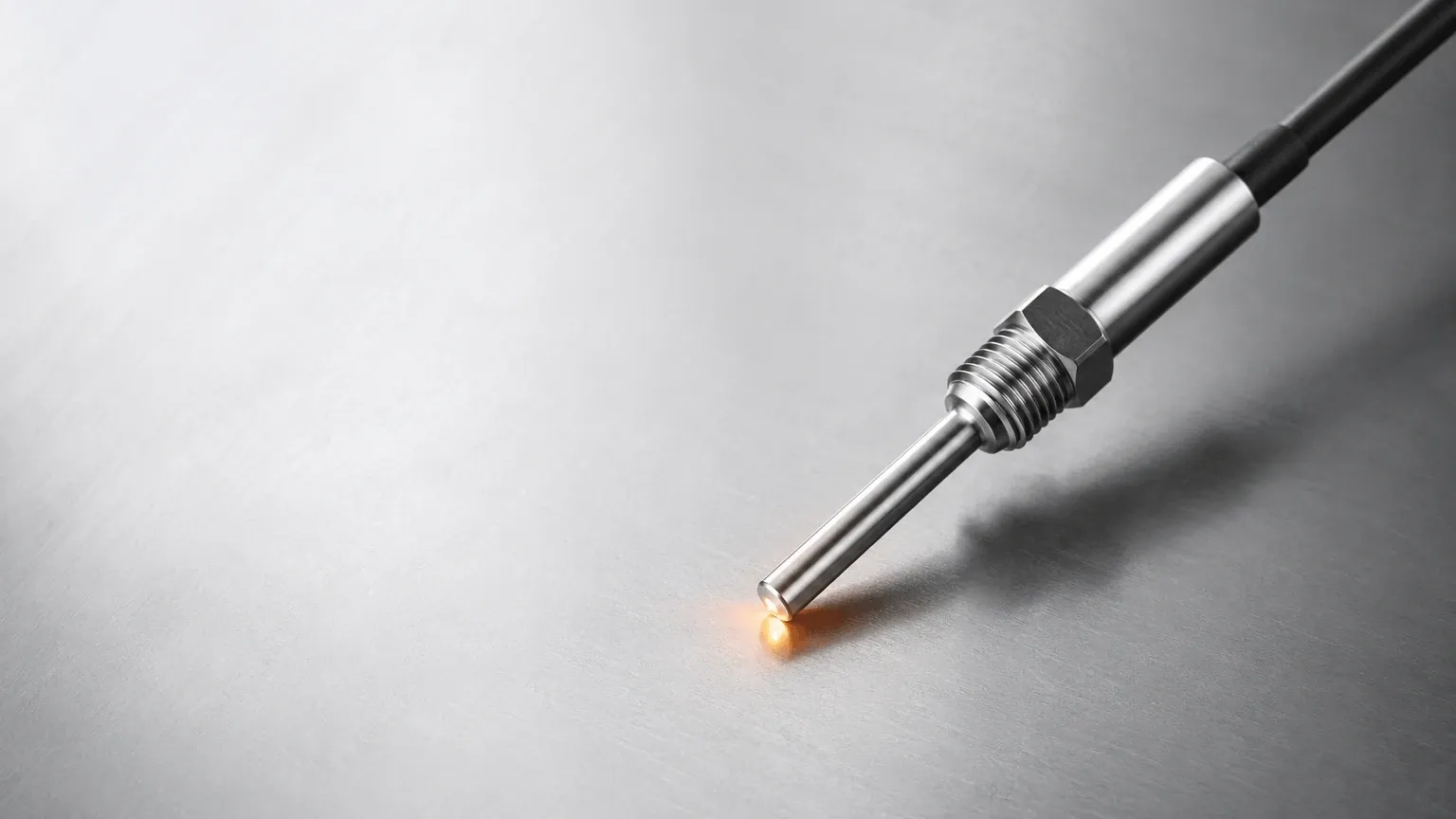
In industrial process control, monitoring the temperature of a solid surface is as critical as measuring the fluid within a vessel. A surface temp sensor is a specialized instrument designed to measure the temperature of a substrate—such as a pipe wall, a tank exterior, or a motor housing—without necessarily penetrating the material. For engineers and maintenance professionals, selecting the right surface temperature measurement technology is vital for ensuring equipment longevity, process safety, and the accuracy of secondary measurements like liquid level.
At its core, surface temperature measurement relies on the efficient transfer of heat from the target surface to the sensing element. Unlike immersion sensors, which are surrounded by the medium they measure, surface sensors are susceptible to ambient environmental conditions, making installation and sensor selection paramount to obtaining a reliable reading.
Understanding Surface Temperature Measurement Principles
Before selecting a specific sensor, it is essential to understand the underlying physical principles that govern how these devices detect thermal energy. Most industrial surface temp sensors fall into three categories: Resistance Temperature Detectors (RTDs), Thermocouples, and Thermistors.
Resistance Temperature Detectors (RTDs)
RTDs operate on the principle that the electrical resistance of a metal increases as its temperature rises. The most common material used is platinum, leading to the industry-standard Pt100 (100 ohms at 0°C) and Pt1000 (1000 ohms at 0°C) sensors.
For surface applications, RTD elements are often housed in flat, thin-film configurations. This maximizes the surface area in contact with the target. RTDs are preferred in B2B industrial environments because of their high accuracy, excellent stability over time, and linear output. They are typically used in applications ranging from -200°C to +600°C.
Thermocouples
Thermocouples utilize the Seebeck effect, where a voltage is generated at the junction of two dissimilar metals when subjected to a temperature gradient. Common types include Type K (Chromel/Alumel) and Type J (Iron/Constantan).
In surface sensing, thermocouples are often designed with "grounded" junctions or exposed foils to ensure rapid thermal response. While generally less accurate than RTDs, thermocouples are favored for their extreme temperature ranges (up to 1,700°C in some configurations) and their ruggedness in high-vibration environments.
Thermistors
Thermistors are ceramic-based semiconductors that exhibit a significant change in resistance over a narrow temperature range. While highly sensitive, they are typically limited to lower temperature ranges (usually below 150°C) and are less linear than RTDs. They are often found in specialized OEM applications where high sensitivity to small temperature changes is required.
Types of Surface Temperature Sensors for Industrial Use
The mechanical design of a surface temp sensor determines how easily it can be integrated into an existing process. Standard configurations include:
* Bolt-on/Lug Sensors: These feature a ring-terminal or lug housing that allows the sensor to be fastened directly to a surface using a screw or bolt. They are ideal for motor casings and heavy-walled tanks.
* Magnetic Sensors: Equipped with high-strength magnets, these sensors are designed for temporary or mobile monitoring on ferrous metal surfaces, such as large steel pipes or storage silos.
* Self-Adhesive Foil Sensors: These are thin, flexible sensors backed with industrial-grade adhesive. They provide a very low profile and minimal thermal mass, allowing for extremely fast response times on flat or curved surfaces.
* Pipe-Clamp (Strap-on) Sensors: Designed specifically for plumbing and process piping, these sensors use a metal strap or clamp to secure the sensing element against the outer diameter of a pipe. This avoids the need for cutting pipes or installing thermowells.
Critical Selection Criteria for Process Engineers
When evaluating a surface temp sensor for a specific application, several technical factors must be considered to minimize measurement error.
1. Temperature Range
Ensure the sensor material and the lead wire insulation can withstand the maximum expected temperature. For example, a self-adhesive sensor might be rated for the sensing element's range, but the adhesive itself may fail at temperatures exceeding 150°C.
2. Response Time
Surface measurement is inherently slower than immersion measurement due to the thermal mass of the sensor housing. If the process involves rapid temperature fluctuations, a thin-film RTD or a fine-wire thermocouple is necessary to reduce "thermal lag."
3. Surface Material and Finish
The contact between the sensor and the surface is never perfect at a microscopic level. Air gaps act as insulators. On rough surfaces, a larger contact area or the use of thermal interface materials (TIM) is required to ensure accurate heat transfer.
4. Environmental Exposure
Will the sensor be exposed to corrosive chemicals, high humidity, or UV radiation? In chemical processing plants, stainless steel housings (316L) and PTFE-coated lead wires are standard requirements to prevent premature sensor failure.
Practical Selection Table
| Sensor Technology | Typical Range | Accuracy | Best For |
| :— | :— | :— | :— |
| Pt100 RTD (Thin Film) | -50°C to 250°C | High (Class A/B) | Precision process monitoring and calibration. |
| Type K Thermocouple | -200°C to 1100°C | Moderate | High-temperature exhausts and furnaces. |
| NTC Thermistor | -40°C to 150°C | Very High (Narrow) | Specialized OEM equipment and battery monitoring. |
| Strap-on Sensor | -20°C to 120°C | Moderate | HVAC and water pipe temperature monitoring. |
Installation Best Practices and Thermal Contact
The accuracy of a surface temp sensor is only as good as its installation. Because the sensor is located at the boundary between the process and the ambient air, it is prone to "stem conduction" errors—where the ambient air cools or heats the sensor, leading to a reading that does not reflect the true surface temperature.
Steps for Proper Installation:
1. Surface Preparation: Clean the target area thoroughly. Remove rust, scale, or paint that might act as an insulator. For metal surfaces, a light sanding can improve contact.
2. Use Thermal Grease: Applying a thin layer of silicone-based thermal conductive paste fills the microscopic air gaps between the sensor and the surface, significantly improving heat transfer.
3. Insulation: Once the sensor is mounted, it should be covered with a layer of thermal insulation. This isolates the sensor from the ambient air, ensuring it reaches the same thermal equilibrium as the surface.
4. Strain Relief: Ensure that the lead wires are secured. Vibration or tension on the wires can pull the sensor away from the surface, leading to erratic readings.
The Role of Temperature Sensing in Level Measurement Accuracy
In the context of industrial automation, surface temperature sensors often work in tandem with level measurement instruments. Many level measurement technologies are sensitive to temperature variations, which can introduce significant errors if not compensated for.
Ultrasonic Level Sensors
Ultrasonic sensors calculate the distance to a liquid surface by measuring the time of flight of a sound wave. The speed of sound in air is highly dependent on temperature ($v \approx 331.3 + 0.606T$ m/s). If the air temperature inside a tank changes, the level reading will drift. A surface temp sensor mounted on the tank wall or integrated into the sensor housing provides the data necessary for the controller to perform real-time compensation.
Hydrostatic Level Transmitters
Hydrostatic pressure sensors measure the weight of the liquid column above them. However, the density of most liquids changes with temperature. For high-precision inventory management, a temperature sensor is used to adjust the density calculation, ensuring that the mass or volume of the liquid is accurately reported regardless of thermal expansion.
For engineers looking to integrate these sensors into broader automation systems, reviewing the Main Page of industrial instrumentation providers offers a comprehensive look at compatible hardware and integrated solutions.
Limitations and Potential Risks
While surface sensors are convenient, they have inherent limitations compared to immersion sensors:
* Ambient Interference: Without proper insulation, the sensor will almost always read a value between the true surface temperature and the ambient air temperature.
* Thermal Lag: Because heat must travel through the wall of a pipe or tank before reaching the sensor, there is a delay in detecting internal process changes.
* Attachment Failure: Adhesives can dry out, and bolts can loosen due to thermal cycling (expansion and contraction). Regular inspection is required in critical applications.
Frequently Asked Questions (FAQ)
Q: Can I use a surface temp sensor on a plastic pipe?
A: Yes, but be aware that plastics (like PVC or HDPE) have much lower thermal conductivity than metals. The sensor will accurately measure the *outside* surface of the plastic, but it will be much slower to reflect changes in the fluid temperature inside the pipe.
Q: How do I choose between a Pt100 and a Pt1000 for surface measurement?
A: Pt1000 sensors are often preferred when using long lead wires without a 3-wire or 4-wire compensation circuit, as the higher base resistance makes the lead wire resistance less significant. For short distances or high-precision lab environments, Pt100 is the standard.
Q: Is a non-contact IR sensor better than a contact surface sensor?
A: Infrared (IR) sensors are excellent for moving parts or extremely hot surfaces. However, they are sensitive to "emissivity" (how well a surface radiates heat). Shiny metals have low emissivity and are difficult to measure with IR. Contact sensors are generally more reliable for continuous process monitoring on stationary equipment.
Conclusion
A surface temp sensor is a versatile tool in the industrial arsenal, providing critical data for process safety and instrument compensation. By understanding the measurement principles of RTDs and thermocouples, selecting the appropriate mounting style, and following rigorous installation protocols—including the use of thermal paste and insulation—operators can achieve high levels of accuracy. Whether used for monitoring motor health or providing temperature compensation for advanced level meters, these sensors remain a fundamental component of modern industrial automation.