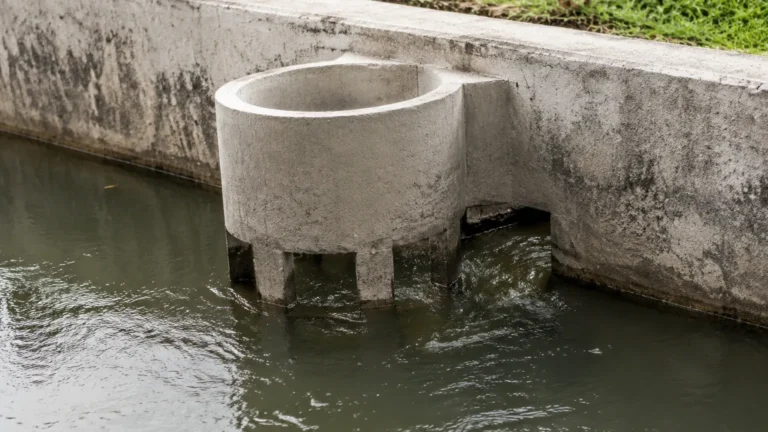
Predictive Service Maintenance Solutions
Predictive Service Maintenance Solutions
In the modern industrial landscape, the transition from reactive repair cycles to proactive asset management is essential for maintaining operational continuity. Predictive service maintenance solutions represent a strategic shift where data-driven insights from field instrumentation, such as level meters and sensors, are used to forecast equipment needs before a failure occurs. For engineers and facility managers, integrating these solutions into level measurement systems reduces unplanned downtime, optimizes spare parts inventory, and extends the service life of critical infrastructure.
Effective predictive maintenance relies on the continuous monitoring of instrument health and process variables. By analyzing signal quality, echo strength, and diagnostic codes from level transmitters, operators can identify issues like probe buildup, sensor degradation, or environmental interference. This guide explores the principles of level measurement technologies and how they integrate into a broader framework of predictive service maintenance solutions.
Principles of Level Measurement Technology
Before implementing predictive maintenance, it is necessary to understand the underlying physics of the sensors providing the data. Different measurement principles offer varying levels of diagnostic depth.
Radar Level Measurement
Radar level meters operate using either Pulse Radar or Frequency Modulated Continuous Wave (FMCW) technology. These instruments emit high-frequency electromagnetic waves (typically in the 6GHz, 26GHz, or 80GHz bands) toward the medium surface. The time-of-flight or frequency shift between the emitted and received signal is used to calculate the distance.
From a predictive maintenance standpoint, radar sensors are highly valuable because they provide complex signal profiles (echo curves). A decrease in the amplitude of the return signal over time may indicate heavy foam formation or antenna contamination, allowing maintenance teams to schedule a cleaning before the signal is lost entirely.
Ultrasonic Level Sensors
Ultrasonic sensors use sound waves to determine the distance to a liquid or solid surface. The sensor emits a pulse and measures the time it takes for the echo to return. While cost-effective, ultrasonic waves are sensitive to air temperature, turbulence, and vapors. Modern ultrasonic units include temperature compensation and self-diagnostic algorithms that monitor echo integrity. If the "confidence" level of the echo drops below a certain threshold, the system can trigger an alert as part of the predictive service maintenance solutions strategy.
Hydrostatic Pressure Transmitters
Hydrostatic level measurement relies on the principle that the pressure at the bottom of a vessel is proportional to the height of the liquid column above it ($P = \rho \cdot g \cdot h$). These sensors are robust but can suffer from diaphragm fatigue or capillary tube drift. Predictive monitoring involves checking for zero-point drift or response time lags, which may indicate a clogging impulse line or a failing sensing element.
Magnetic Level Gauges and Switches
Magnetic level gauges provide visual indication via a float-actuated flag system. When equipped with reed chain transmitters or magnetostrictive sensors, they provide electronic feedback. Predictive maintenance here focuses on the mechanical integrity of the float and the accumulation of magnetic particles (sludge) that could impede float movement.
Integrating Instruments into Predictive Service Maintenance Solutions
To move from simple measurement to predictive maintenance, the data generated by Welk level meters must be communicated and analyzed effectively. This integration typically occurs through three primary layers:
1. Smart Diagnostics at the Device Level: Modern transmitters perform internal self-checks on electronics, power supply stability, and transducer health. Standardized error codes (such as NAMUR NE 107) categorize these alerts into "Maintenance Required," "Out of Specification," or "Function Check."
2. Digital Communication Protocols: Using 4-20mA HART, RS485 Modbus, or Profibus, instruments transmit not just the primary level value, but also secondary variables like internal temperature, electronics health, and signal-to-noise ratios. This data is the foundation for predictive service maintenance solutions.
3. Edge and Cloud Analytics: Data is aggregated in a PLC, DCS, or cloud-based platform. Trend analysis algorithms identify slow-moving degradation patterns that a human operator might miss, such as a gradual increase in the noise floor of a radar signal over six months.
Selection Criteria for Level Measurement Instruments
Choosing the right technology is the first step in ensuring a reliable predictive maintenance program. The following table provides a comparison of common technologies used in industrial applications.
| Technology | Typical Accuracy | Media Type | Maintenance Profile | Predictive Capability |
| :— | :— | :— | :— | :— |
| Radar (80GHz) | ±2 mm | Liquids/Solids | Very Low | High (Echo curve analysis) |
| Ultrasonic | ±0.25% of range | Liquids/Slurry | Low to Moderate | Medium (Confidence monitoring) |
| Hydrostatic | ±0.1% to 0.5% | Liquids | Moderate | Medium (Drift detection) |
| Magnetic Gauge | ±5 mm to 10 mm | Liquids | Moderate | Low (Mechanical check) |
| Guided Wave Radar | ±3 mm | Liquids/Solids | Low | High (Interface/Buildup detection) |
When evaluating these options, engineers should consider the chemical compatibility of the wetted parts, the presence of agitators, and the potential for rapid temperature fluctuations. For a comprehensive overview of available hardware and technical specifications, you may visit the Main Page to review product options and application support.
Installation Considerations for Reliable Data
Predictive service maintenance solutions are only as good as the data they receive. Improper installation is the most common cause of "false" maintenance alerts. To ensure high-quality signal data, the following guidelines should be followed:
* Avoid Obstructions: For non-contact sensors (Radar and Ultrasonic), the signal beam must have a clear path to the product surface. Internal structures like ladders, heating coils, or agitators can create "false echoes." While software can often "mask" these, they reduce the overall signal-to-noise ratio and complicate predictive diagnostics.
* Nozzle Geometry: The height and diameter of the mounting nozzle can affect the signal. For radar, a nozzle that is too long and narrow can cause ringing or internal reflections. Ensure the sensor face extends slightly beyond the nozzle or follows the manufacturer’s standoff requirements.
* Stilling Wells and Bypass Chambers: In turbulent applications or those with heavy foam, using a stilling well can stabilize the surface. However, the well itself must be monitored for buildup or scaling, which guided wave radar or magnetic floats are particularly sensitive to.
* Environmental Protection: Ensure that cable glands are properly sealed and that sunshades are used for outdoor installations to prevent electronics overheating, which can lead to premature component failure.

Limitations and Common Risks
While predictive service maintenance solutions offer significant benefits, there are limitations to consider:
1. Data Overload: Collecting too much diagnostic data without a clear analysis plan can overwhelm maintenance departments. It is critical to define which parameters (e.g., signal strength, temperature) are the primary indicators of health for a specific application.
2. Environmental Extremes: In extremely high-pressure or high-temperature environments, sensor degradation may happen faster than predictive models anticipate. Regular physical inspections should complement digital monitoring.
3. Coating and Buildup: Some media, such as heavy oils or crystalline slurries, will coat any sensor. While some radar sensors can "see through" thin layers, heavy buildup will eventually cause a loss of signal. Predictive systems should be calibrated to recognize the specific "signature" of buildup to alert for cleaning.
4. Connectivity Issues: Predictive maintenance relies on the consistent flow of data. In remote areas or facilities with poor network infrastructure, data gaps can lead to missed failure warnings.
Frequently Asked Questions (FAQs)
How does predictive maintenance differ from preventive maintenance?
Preventive maintenance is time-based (e.g., "clean the sensor every 3 months"), regardless of its condition. Predictive maintenance is condition-based (e.g., "clean the sensor when signal strength drops below 20dB"). This ensures that maintenance is only performed when necessary, saving labor and reducing the risk of "infant mortality" caused by unnecessary handling of the equipment.
Can older level meters be used in predictive service maintenance solutions?
Legacy instruments with only 4-20mA analog outputs provide limited diagnostic data. To fully integrate into a predictive framework, these may need to be upgraded to smart transmitters with HART or digital bus communication, or retrofitted with wireless adapters that can extract HART diagnostic data.
What is the most reliable technology for predictive maintenance in chemical tanks?
Radar (specifically 80GHz FMCW) is generally considered the most reliable for predictive maintenance in chemical tanks. Its non-contact nature reduces wear, and its ability to provide detailed echo profiles allows for sophisticated remote diagnostics of the tank environment and the sensor's own health.
How often should I calibrate my level meters under a predictive maintenance plan?
Calibration intervals are typically determined by the stability of the instrument and the criticality of the process. Predictive solutions monitor for "drift." If the sensor diagnostics show high stability and no signal degradation, calibration intervals can often be extended, whereas a sensor showing erratic behavior would trigger an immediate verification request.
Conclusion and Next Steps
Implementing predictive service maintenance solutions for level measurement requires a combination of high-quality instrumentation, proper installation, and intelligent data analysis. By selecting the right technology—whether it be radar, ultrasonic, or hydrostatic—and leveraging the diagnostic capabilities of modern smart sensors, industrial operators can significantly improve the reliability of their processes.
Before proceeding with a maintenance overhaul, it is recommended to conduct a site audit to identify critical measurement points and evaluate the current communication infrastructure. Confirming the compatibility of existing PLCs or monitoring systems with digital sensor outputs is a vital step in ensuring a successful deployment. For detailed technical guidance on selecting instruments that support these advanced maintenance strategies, refer to the Main Page for additional resources and product documentation.