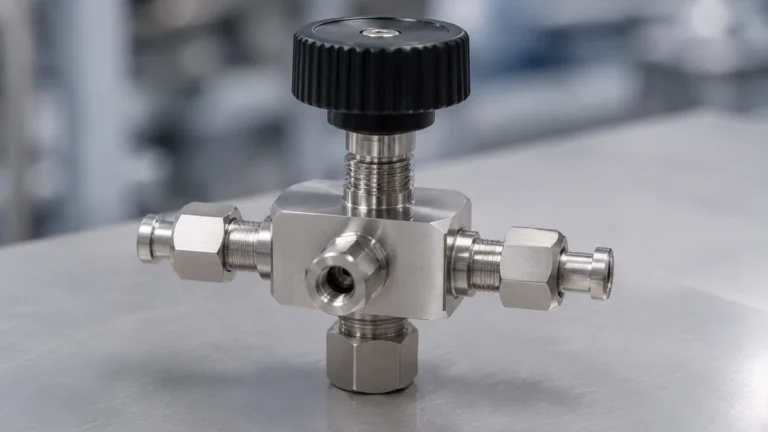
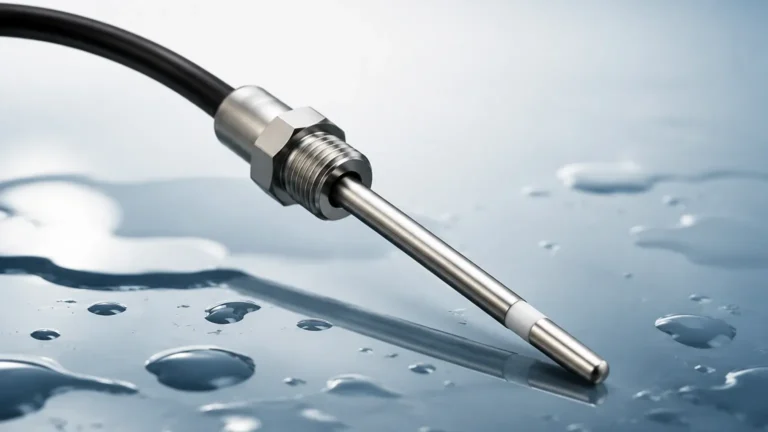
Hamilton Capacitance Probe
Hamilton Capacitance Probe
In the specialized fields of biotechnology, pharmaceuticals, and advanced chemical processing, the ability to monitor process variables in real-time is critical for maintaining product quality and yield. Among the various sensing technologies available, the Hamilton capacitance probe stands out as a primary tool for measuring viable cell density (VCD) and biomass. Unlike standard industrial level sensors that use capacitance to detect the presence or height of a liquid, these probes utilize dielectric spectroscopy to provide a deep look into the biological health of a bioprocess.
Understanding the engineering principles behind these probes, their selection criteria, and their integration into automated systems is essential for process engineers. This guide explores the technical foundations of capacitance-based measurement, specifically focusing on the application of Hamilton-style probes in industrial environments.
Measurement Principles of Capacitance Probes
To understand the Hamilton capacitance probe, one must first understand the principle of permittivity in a biological or chemical medium. Capacitance is the ability of a system to store an electrical charge. In a bioprocess, this is influenced by the dielectric constant of the materials between the probe's electrodes.
The Dielectric Constant and Cell Membranes
In a fermenter or bioreactor, the medium consists of water, nutrients, and living cells. Living cells possess an intact plasma membrane which acts as a non-conductive capacitor. When an alternating current (AC) field is applied via the probe, ions in the medium move toward the electrodes, but they are blocked by the insulating cell membranes. This leads to a charge buildup, known as polarization.
This polarization contributes to the overall permittivity of the medium. Because only cells with intact membranes (viable cells) can hold this charge, the measured capacitance is directly proportional to the volume of viable biomass. Dead cells, which have ruptured membranes, do not polarize in the same way and are therefore not counted in the capacitance measurement. This distinguishes capacitance probes from optical sensors, which often count both living and dead cells as well as debris.
Frequency and Beta-Dispersion
Hamilton capacitance probes typically operate across a range of frequencies. The phenomenon where the permittivity of a cell suspension changes with the frequency of the applied electric field is called "beta-dispersion." By measuring at multiple frequencies, the probe can filter out background noise from the medium's conductivity and provide a precise reading of the viable cell volume. This frequency-dependent analysis is what allows the probe to remain accurate even as the chemical composition of the broth changes during a batch run.
Key Features of Hamilton Capacitance Probes
When evaluating a Hamilton capacitance probe for industrial or laboratory use, several technical specifications define its performance and compatibility. These probes are designed to withstand the rigorous cleaning and sterilization cycles required in regulated industries.
Material Construction and Sanitary Design
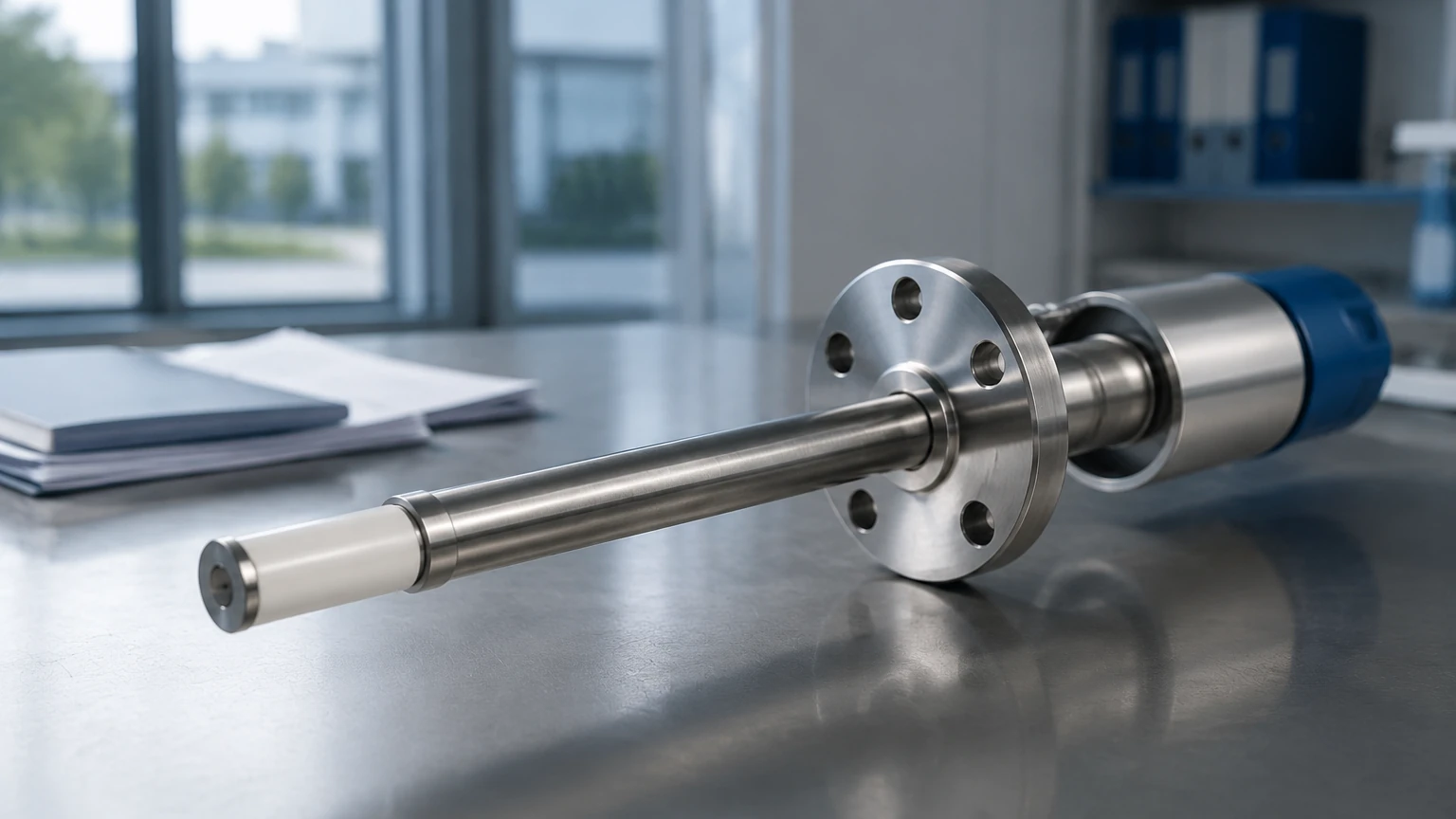
Industrial probes are typically constructed from 316L stainless steel to ensure chemical resistance and durability. The sensing tip, which contains the electrodes, is often made from high-performance polymers like PEEK (Polyether ether ketone) or technical ceramics. These materials must be USP Class VI compliant to ensure they do not leach harmful substances into the process.
* Surface Finish: To prevent bacterial growth, the metal surfaces are typically polished to an Ra < 0.4 µm.
* Sterilization: Probes are designed to be Autoclavable and capable of withstanding Steam-in-Place (SIP) and Cleaning-in-Place (CIP) procedures, often up to 135°C (275°F).
Integration and Communication
Modern probes, such as the Hamilton Arc series, include integrated microelectronics. This eliminates the need for a separate, bulky transmitter. The probe itself processes the raw signal and outputs data via standard industrial protocols:
1. 4-20 mA Analog: For traditional PLC integration.
2. Modbus RTU: For digital communication and advanced diagnostics.
3. Bluetooth: For wireless monitoring and calibration via mobile devices or specialized handhelds.
Selection Criteria for Capacitance Measurement
Choosing the right probe requires an analysis of the vessel size, the nature of the media, and the specific goals of the measurement. While these probes are highly effective for biomass, they may not be the best choice for every application.
Comparison Table: Capacitance vs. Alternative Technologies
| Feature | Capacitance Probe (VCD) | Optical Density (OD) | Turbidity Sensors |
| :— | :— | :— | :— |
| Measurement Target | Viable Cell Volume | Total Cell Mass | Suspended Solids |
| Sensitivity to Debris | Low | High | High |
| Sensitivity to Bubbles | Moderate | High | High |
| Real-time Data | Yes | Yes | Yes |
| Maintenance | Low (Solid-state) | Moderate (Lens fouling) | Moderate |
| Cost | Higher | Moderate | Lower |
Process Constraints
Engineers must confirm the following before selecting a probe:
* Conductivity Range: Capacitance measurement is sensitive to the conductivity of the medium. Most probes operate effectively up to 50-100 mS/cm. If the process involves extremely high salt concentrations, the signal-to-noise ratio may decrease.
* Vessel Geometry: The probe requires a specific insertion length to ensure the sensing tip is fully submerged and away from the vessel walls or agitator blades to avoid interference. Common lengths range from 120mm to 450mm.
* Port Size: Standard ports are typically 12mm (PG13.5 thread) or 25mm (Ingold style).
Installation and Positioning Considerations
Correct installation is paramount for obtaining reliable data. Because the Hamilton capacitance probe relies on an electric field, its environment significantly impacts its readings.
Avoiding Interference
The probe should be installed in a location with high representative mixing. However, it must be kept away from components that could distort the electric field or cause physical damage:
1. Agitators: Maintain a safe distance from impellers to prevent mechanical stress, but ensure enough flow to prevent cell settling on the probe tip.
2. Spargers: Large gas bubbles can interfere with the capacitance signal. Positioning the probe away from the direct path of the sparger helps maintain a stable reading.
3. Vessel Walls: For small-scale glass bioreactors, the proximity to the wall can create a "fringe field" effect. Standard practice is to maintain a distance of at least 20mm from any metal or glass surface.
Orientation
Probes are generally installed at an angle (often 15 to 45 degrees) or horizontally in larger tanks. A vertical installation is sometimes avoided in liquids to prevent gas bubbles from becoming trapped against the sensing face, which would result in an underestimation of the biomass.
Limitations and Common Risks
While the Hamilton capacitance probe is a robust tool, users should be aware of specific limitations that can affect data integrity.
* Cell Size Changes: Since the probe measures the volume of viable cells, if the cells significantly change in size (e.g., swelling during a stress phase), the capacitance reading will increase even if the cell count remains the same. Calibration should account for the specific morphology of the cell line used.
* Non-Biological Solids: While the probe is excellent at ignoring dead cells, other polarizable materials in the media (such as certain microcarriers or complex nutrients) may contribute to the baseline capacitance.
* Fouling: Although PEEK and stainless steel are resistant to adhesion, a thick biofilm buildup on the electrodes can insulate the sensors and drift the measurement. Regular CIP cycles are necessary to maintain accuracy.
Frequently Asked Questions (FAQ)
Q: Can a capacitance probe be used for level measurement?
A: While the physical principle of capacitance is used in level sensors, a Hamilton biomass probe is specifically tuned for high-frequency dielectric spectroscopy to measure cell density. For standard liquid or solid level detection, it is more cost-effective and accurate to use dedicated industrial Main Page solutions such as radar or hydrostatic transmitters.
Q: How often does the probe need calibration?
A: The electronic components are typically pre-calibrated by the manufacturer. However, a "zero" calibration in the specific growth medium (without cells) is recommended before every batch to account for the baseline permittivity of the nutrients.
Q: Is the probe compatible with single-use bioreactors?
A: There are specific versions of capacitance sensors designed for single-use technology (SUT). These often involve a pre-installed, gamma-sterilized sensor patch or a specialized port that maintains the sterile barrier while allowing the reusable probe electronics to connect.
Conclusion for Process Engineers
The Hamilton capacitance probe is an essential instrument for modern bioprocessing, providing a window into the viable biomass that other technologies cannot match. By understanding the dielectric principles and ensuring proper installation, engineers can significantly improve batch consistency and process control.
When designing a complete process monitoring system, it is important to integrate these specialized sensors with broader facility instrumentation. For comprehensive information on various level and process measurement technologies, including radar, ultrasonic, and magnetic gauges, you can Review product options and application support at the Welk Main Page. Selecting the right combination of specialized biomass probes and reliable industrial level meters ensures both the biological success and the operational safety of the production facility.