Water Flow Meter Calibration Services
Water Flow Meter Calibration Services
In industrial process control, the accuracy of fluid measurement is not merely a technical preference but a fundamental requirement for operational efficiency, safety, and regulatory compliance. Water flow meter calibration services provide the essential verification needed to ensure that instruments used in water treatment, chemical processing, and industrial automation are performing within their specified tolerance limits. Over time, factors such as mechanical wear, electronic drift, and mineral scaling can degrade the accuracy of even the most robust sensors. Professional calibration restores confidence in the data, allowing engineers to optimize resource consumption and maintain strict quality standards.
Fundamental Measurement Principles
Before selecting water flow meter calibration services, it is critical to understand the underlying physics of the instruments being tested. Different technologies interact with fluid dynamics in unique ways, necessitating specific calibration approaches.
Electromagnetic Flow Meters
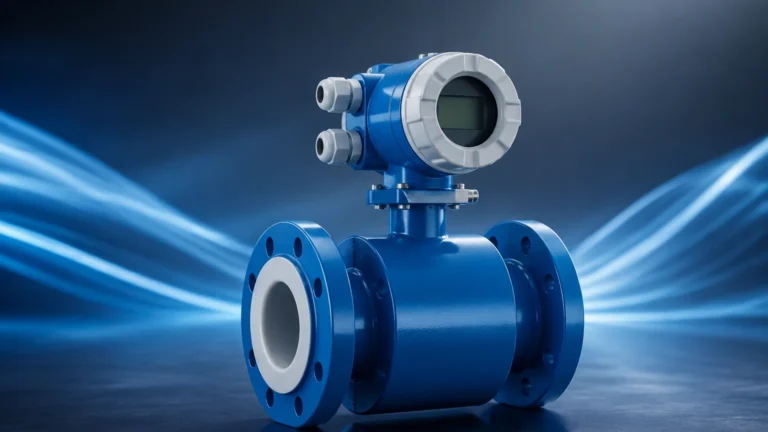
Electromagnetic meters operate based on Faraday’s Law of Induction. When a conductive liquid (such as water) flows through a magnetic field, it generates a voltage proportional to its velocity. Calibration for these meters focuses on the integrity of the magnetic field and the sensitivity of the electrodes to ensure the conversion of voltage to flow rate remains linear.
Ultrasonic Flow Meters
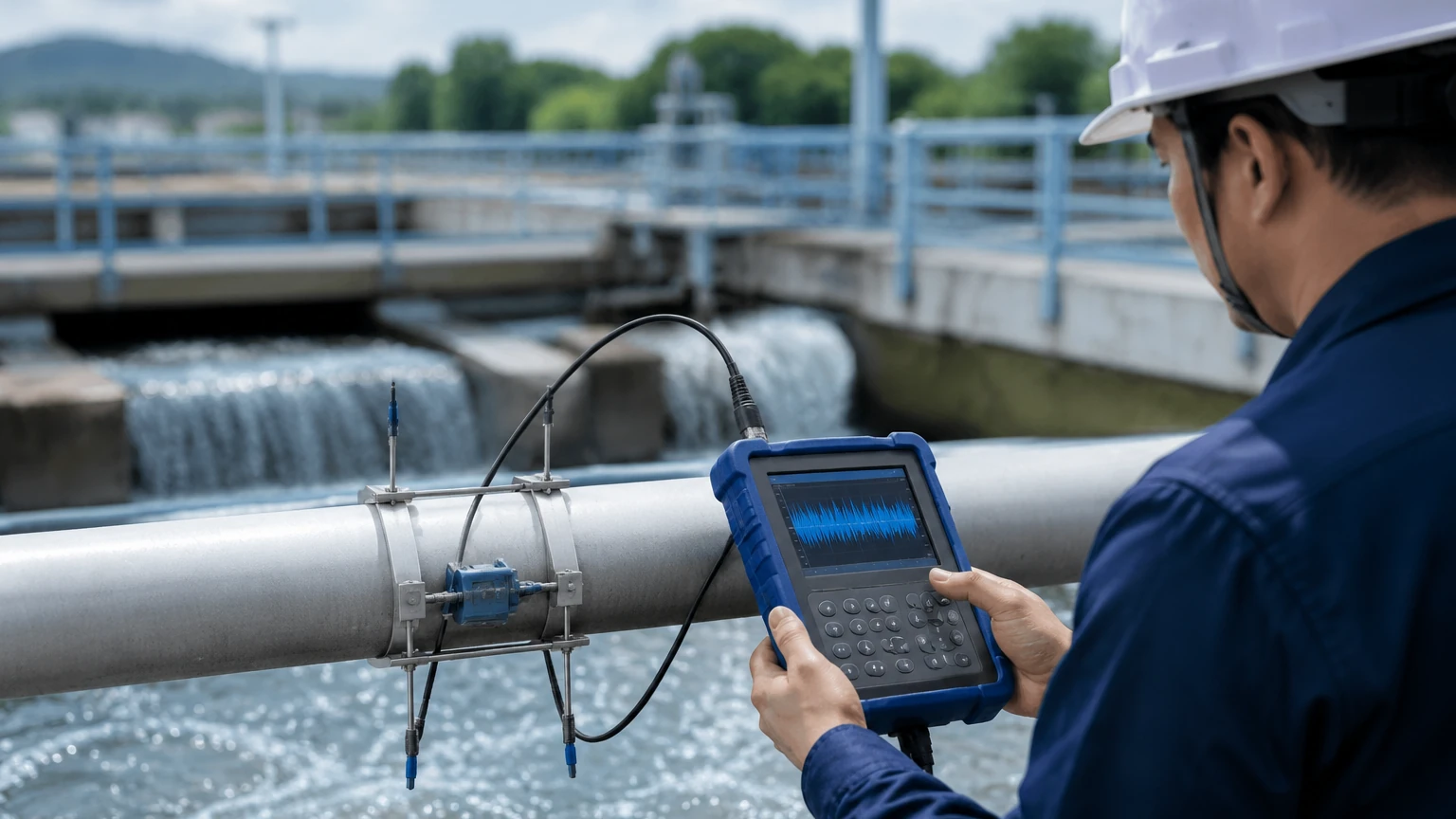
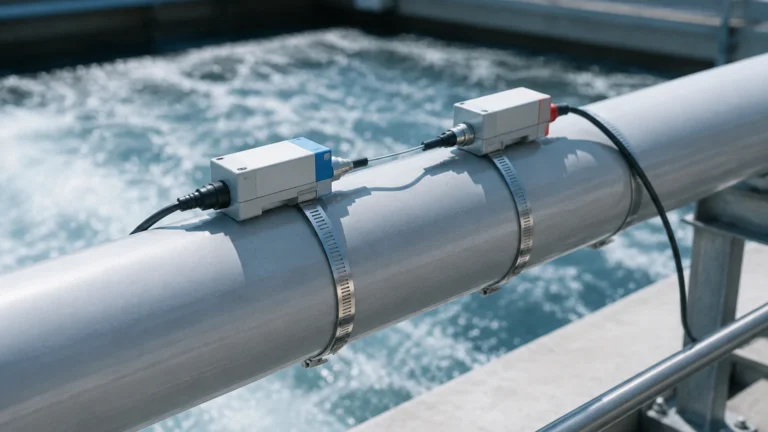
Ultrasonic instruments typically use transit-time or Doppler shift principles. Transit-time meters measure the time difference between ultrasonic pulses traveling with and against the flow. Calibration involves verifying the signal processing speed and the alignment of transducers, particularly for clamp-on models where the pipe wall material affects the signal.
Turbine and Vortex Meters
Turbine meters use a mechanical rotor that spins at a rate proportional to the fluid velocity, while vortex meters measure the frequency of vortices shed by a bluff body. Calibration for these mechanical or semi-mechanical systems often addresses physical wear on bearings or the accumulation of debris on the shedding body, which can alter the K-factor (pulses per unit volume).
The Scope of Water Flow Meter Calibration Services
Water flow meter calibration services involve comparing the readings of a "unit under test" (UUT) against a traceable reference standard with higher accuracy. This process determines the error of the UUT and provides the data necessary to adjust the instrument or apply a correction factor.
Professional services typically offer two primary environments for calibration:
1. Laboratory Calibration: The meter is removed from the process line and sent to a controlled facility. This environment offers the highest precision and lowest uncertainty, as variables like temperature, pressure, and flow profile are strictly managed.
2. On-site (In-situ) Verification: For large-diameter pipes or critical processes that cannot be shut down, technicians perform verification using portable master meters or ultrasonic clamp-on devices. While convenient, on-site services generally have a higher uncertainty than laboratory settings.
Primary Calibration Methodologies
Calibration facilities utilize several standard methods to establish a reference flow rate. The choice of method depends on the required accuracy and the volume of water processed.
Gravimetric Method
This is widely considered the most accurate method for liquid flow calibration. It involves weighing the amount of water that passes through the meter over a specific period. By using high-precision scales and accounting for the density of water at a given temperature, the mass flow is converted to volume flow. This method is often used to calibrate the "master meters" used in other calibration rigs.
Master Meter Method
In this approach, the UUT is placed in series with a highly stable and frequently calibrated "master meter." The readings from both meters are compared across various flow points. This method is faster than gravimetric calibration and is the standard for most commercial water flow meter calibration services.
Volumetric Method
This method utilizes a calibrated tank or a "prover" with a known volume. The time taken to fill the volume to a specific level is measured. While effective, it is increasingly being replaced by gravimetric or master meter systems in high-end laboratories due to the potential for human error in reading levels.
Selection Table: Comparing Calibration Approaches
| Feature | Gravimetric Method | Master Meter Method | On-site Verification |
| :— | :— | :— | :— |
| Accuracy (Uncertainty) | Highest (< 0.1%) | High (0.2% – 0.5%) | Moderate (1.0% – 3.0%) |
| Traceability | Direct to Mass/Time | Indirect (via Master) | Indirect |
| Best For | Primary Standards | General Industrial Meters | Large Pipes / In-situ |
| Cost | High | Moderate | Variable |
| Turnaround Time | Slow | Moderate | Fast |
Critical Factors Influencing Calibration Accuracy
When engaging water flow meter calibration services, several technical factors must be considered to ensure the results are valid for the actual operating environment.
* Flow Profile and Straight Runs: Most flow meters require a fully developed, non-turbulent flow profile. This is achieved by having a straight run of pipe upstream (typically 10 times the pipe diameter, or 10D) and downstream (5D) of the meter. If the calibration rig does not mimic these conditions, the results may not translate to the field installation.
* Fluid Properties: While water is the medium, its properties can vary. Temperature affects density and viscosity. Calibration should ideally be performed at a temperature close to the process temperature, or mathematical compensations must be applied.
* Reynolds Number: For high-precision applications, matching the Reynolds number (the ratio of inertial forces to viscous forces) between the calibration lab and the field site is essential for ensuring dynamic similarity.
Installation Considerations for Long-Term Accuracy
Calibration is only a snapshot in time. To maintain the accuracy provided by water flow meter calibration services, the physical installation must adhere to engineering best practices:
1. Avoid Air Entrainment: Flow meters must be installed in sections of the pipe that remain completely full. Vertical pipes with upward flow are ideal. Avoid installing meters at the highest point of a system where air pockets can collect.
2. Vibration and EMI: Electromagnetic meters are sensitive to electrical noise. Ensure proper grounding and shielding. Similarly, ultrasonic and vortex meters can be affected by heavy mechanical vibration from nearby pumps.
3. Valve Placement: Control valves should always be installed downstream of the flow meter to prevent the turbulence and cavitation caused by the valve from affecting the meter's sensor.
Risks of Delayed Calibration and Compliance Standards
Neglecting regular calibration intervals introduces significant risks to industrial operations. In municipal water treatment, inaccurate billing or chemical dosing can lead to financial disputes or safety violations. In chemical manufacturing, incorrect flow data can ruin batches and lead to expensive waste.
Most industries follow the ISO/IEC 17025 standard, which specifies the general requirements for the competence of testing and calibration laboratories. When selecting a service provider, confirming their 17025 accreditation ensures that their equipment is traceable to national standards (such as NIST or PTB) and that their uncertainty calculations are verified by third-party auditors.
Frequently Asked Questions (FAQs)
How often should a water flow meter be calibrated?
Most manufacturers recommend an annual calibration. However, the frequency should be based on the criticality of the process, the harshness of the fluid, and historical drift data. If a meter consistently shows minimal drift over three years, the interval may be extended.
Can I calibrate a water flow meter using a level sensor in a tank?
Yes, this is known as the drawdown method. By measuring the change in level over time in a tank with a known cross-sectional area, you can calculate the flow rate. While this is a valid field check, it is generally less accurate than professional water flow meter calibration services due to uncertainties in tank geometry and level sensor precision.
What is the difference between calibration and validation?
Calibration is the act of comparing a device to a standard and documenting the error. Validation (or verification) is a functional check to ensure the device is operating within a specific required range, often performed on-site without necessarily adjusting the device.
Technical Limitations
It is important to note that calibration cannot fix a broken meter. If an instrument has a damaged liner, corroded electrodes, or a failed transducer, calibration will only document the failure. Furthermore, calibration performed with clean water may not perfectly predict performance in slurries or highly aerated liquids, although it remains the industry standard for establishing a baseline. For comprehensive system health, engineers should also Review product options and application support to ensure the selected instrumentation technology is appropriate for the specific fluid characteristics and environmental conditions of the site.
Conclusion
Water flow meter calibration services are a cornerstone of modern industrial metrology. By understanding the measurement principles of electromagnetic, ultrasonic, and mechanical meters, and by selecting the appropriate gravimetric or master meter calibration methodology, facilities can ensure long-term data integrity. Adhering to strict installation guidelines and maintaining a regular calibration schedule according to ISO standards minimizes operational risk and optimizes process efficiency across all water-related applications.