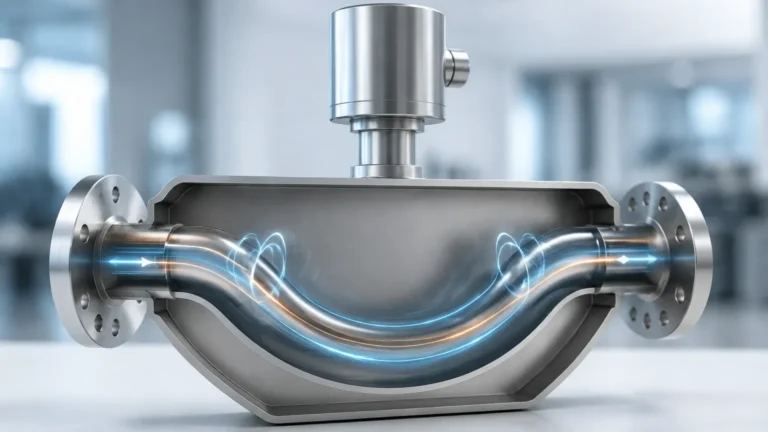
Water Flow Meter Calibration
Water Flow Meter Calibration
In industrial process control, the accuracy of liquid measurement is a fundamental requirement for operational efficiency, regulatory compliance, and cost management. Whether in water treatment plants, chemical processing facilities, or oil and gas operations, the performance of a flow meter is only as reliable as its last calibration. Water flow meter calibration is the process of comparing the readings of a flow measurement device against a known reference standard to ensure that the instrument provides data within its specified accuracy limits.
For engineers and facility managers, understanding the nuances of water flow meter calibration is essential for maintaining system integrity. This guide explores the principles of flow measurement, the methodologies used in calibration, and the critical factors that influence the long-term reliability of these instruments.
Principles of Water Flow Measurement
Before addressing calibration procedures, it is necessary to understand how different technologies capture flow data. Each measurement principle has unique characteristics that dictate how it should be calibrated and maintained.
Electromagnetic Flow Meters (Magmeters)
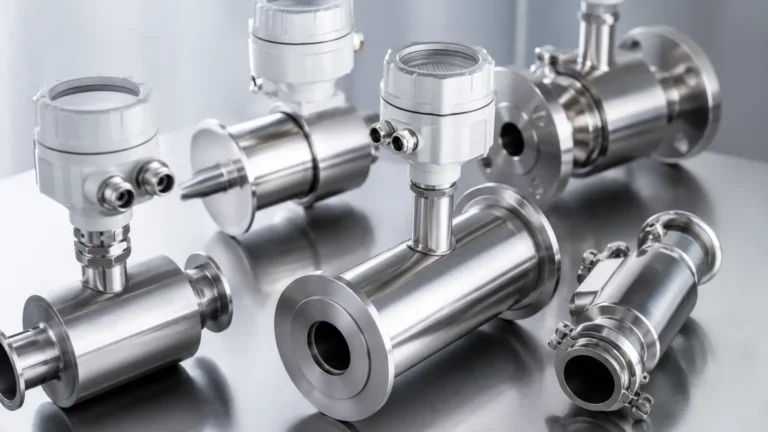
Electromagnetic flow meters operate based on Faraday’s Law of Induction. When a conductive liquid, such as water, flows through a magnetic field generated by the meter, it creates a voltage proportional to the velocity of the liquid.
* Advantages: No moving parts, minimal pressure drop, and high accuracy.
* Calibration Focus: Ensuring the electrodes are clean and the magnetic field strength is consistent. Because they rely on conductivity, changes in fluid properties can necessitate recalibration.
Ultrasonic Flow Meters
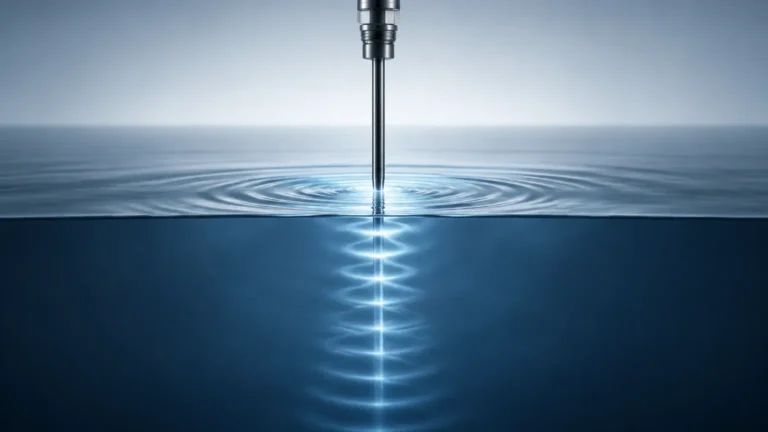
Ultrasonic meters typically use the "transit-time" method. Two transducers send and receive ultrasonic signals through the moving fluid. The time difference between the signal traveling with the flow and the signal traveling against the flow is used to calculate velocity.
* Advantages: Non-intrusive (clamp-on models), no wear and tear from the fluid.
* Calibration Focus: Signal strength and timing precision. For clamp-on versions, the pipe wall thickness and material must be precisely accounted for during the calibration process.
Turbine Flow Meters
These meters use a mechanical rotor that spins as water passes through. The rotational speed is proportional to the flow velocity.
* Advantages: High precision and fast response times.
* Calibration Focus: Mechanical wear. Over time, friction in the bearings or erosion of the rotor blades can change the "K-factor" (pulses per unit volume), requiring regular water flow meter calibration to correct the drift.
The Necessity of Water Flow Meter Calibration
All measurement instruments experience drift. In industrial environments, factors such as temperature fluctuations, pressure surges, chemical corrosion, and mechanical vibration contribute to the degradation of sensor accuracy.
Water flow meter calibration serves three primary purposes:
1. Validation: Confirming the meter is performing according to the manufacturer’s specifications.
2. Adjustment: Re-aligning the meter’s output to match the reference standard if a deviation is found.
3. Compliance: Meeting legal and industrial standards (such as ISO or NIST) required for billing, environmental reporting, or safety protocols.
Calibration Methodologies
There are several established methods for performing water flow meter calibration, ranging from laboratory-grade procedures to field-based verifications.
1. Gravimetric (Weight-Based) Calibration
This is widely considered the most accurate method. A specific volume of water is passed through the meter and collected in a vessel on a high-precision scale. The mass of the water is measured, and since the density of water at a given temperature is known, the actual volume is calculated.
* Metric Example: 1,000 kilograms of water at 4°C (39.2°F) equals approximately 1 cubic meter (1,000 liters).
* Application: Used primarily in primary calibration laboratories to certify master meters.
2. Master Meter Calibration
In this method, the "meter under test" (MUT) is connected in series with a "master meter" that has a much higher, recently certified accuracy level. Water is pumped through both meters simultaneously, and the readings are compared.
* Application: Common for onsite calibration where removing the meter for lab testing is impractical.
3. Volumetric Calibration
This involves passing water through the meter into a calibrated volumetric tank (a prover). The tank has a known, certified volume. Once the water reaches a specific level in the tank, the meter’s reading is compared against the tank’s physical volume.
Evaluation Criteria for Calibration Accuracy
When reviewing a calibration report, several technical parameters must be evaluated to ensure the instrument is fit for purpose:
* Accuracy: The degree to which the meter’s reading matches the true value. For industrial water applications, accuracy is often expressed as a percentage of the actual flow rate (e.g., ±0.5% of rate).
* Repeatability: The ability of the meter to provide the same result under identical conditions. A meter can be inaccurate but highly repeatable, which is often easier to correct via calibration than a meter with poor repeatability.
* Linearity: The consistency of accuracy across the entire flow range (from minimum to maximum flow).
* Uncertainty: A statistical measure of the possible error in the calibration process itself. A professional calibration facility will always provide an uncertainty statement.
Practical Selection and Comparison Table
Choosing the right meter often depends on how easily it can be calibrated and maintained within a specific application. To find the best fit for your facility, you can Review product options and application support to match technology with your accuracy requirements.
| Meter Type | Primary Principle | Typical Accuracy | Calibration Difficulty | Best Use Case |
| :— | :— | :— | :— | :— |
| Electromagnetic | Faraday's Law | ±0.2% to ±0.5% | Moderate | Conductive liquids, wastewater, chemicals |
| Ultrasonic | Transit Time | ±0.5% to ±2.0% | Low | Large pipes, clean water, non-intrusive needs |
| Turbine | Mechanical | ±0.15% to ±0.5% | High | Clean, low-viscosity fluids, high-precision billing |
| Vortex | Von Kármán Effect | ±0.75% to ±1.0% | Moderate | Steam, gas, and water in high-temperature processes |
Installation Considerations for Calibration Integrity
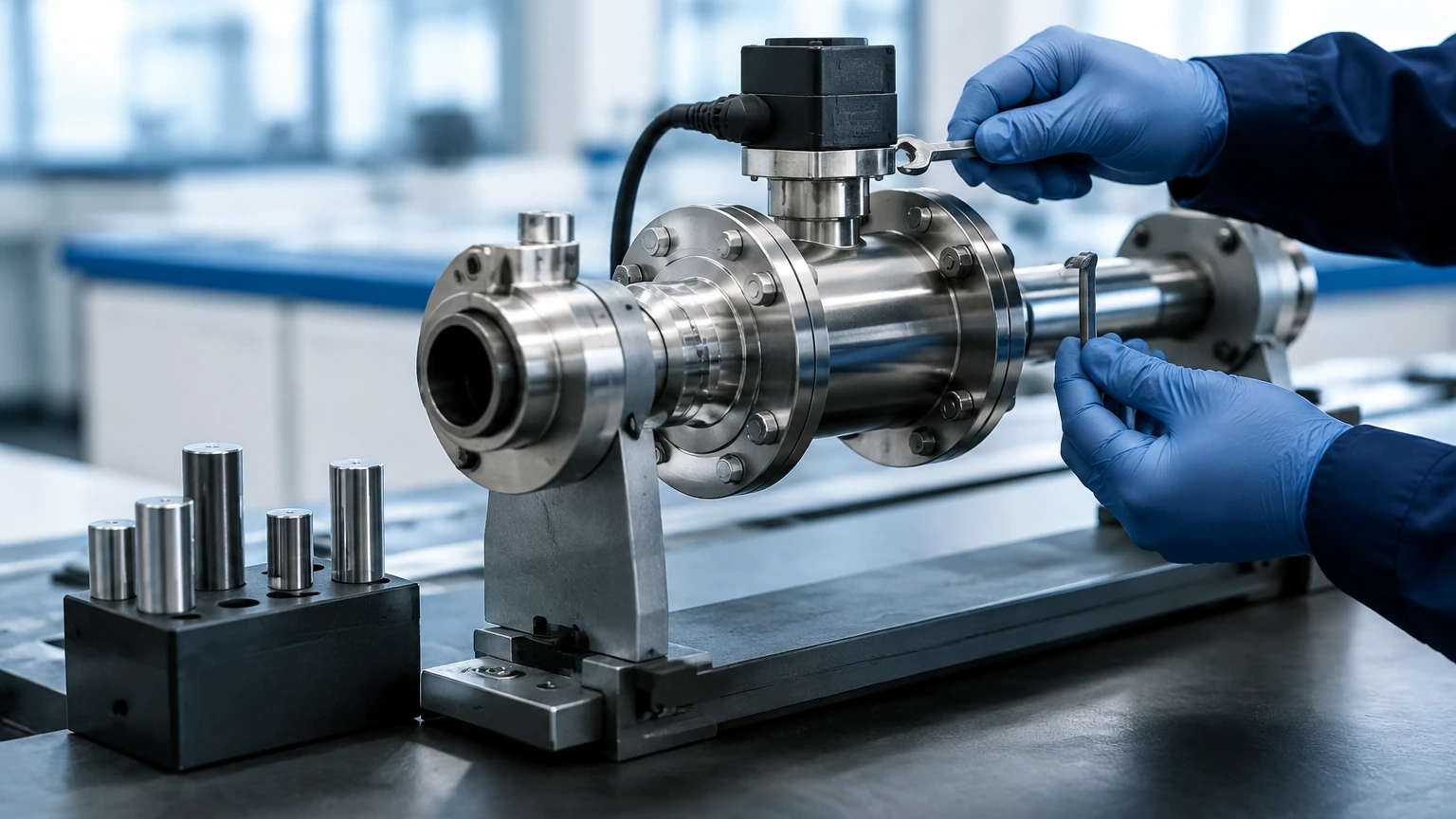
Even a perfectly calibrated meter will produce inaccurate data if installed incorrectly. To maintain the validity of a water flow meter calibration, the following installation guidelines should be followed:
1. Straight Pipe Runs: Most meters require a specific length of straight pipe upstream (usually 10 times the pipe diameter, or 10D) and downstream (5D) to eliminate turbulence and ensure a stable flow profile.
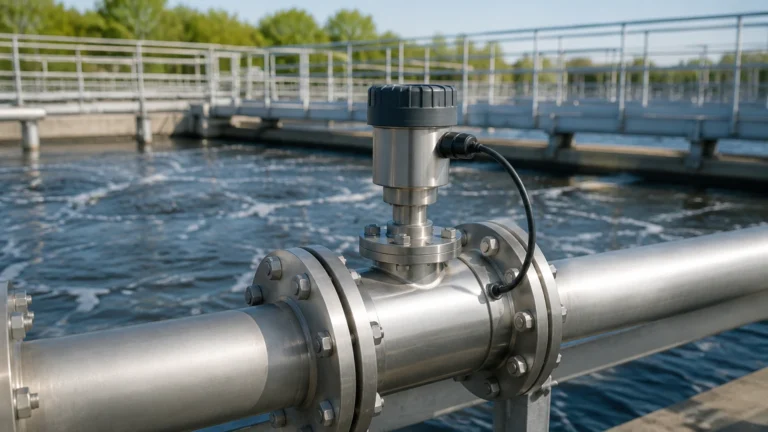
2. Full Pipe Requirement: For electromagnetic and ultrasonic meters, the pipe must be completely full of liquid. Air pockets or partially full pipes will cause significant measurement errors.
3. Orientation: Some meters perform differently depending on whether they are installed horizontally or vertically. Vertical installations with upward flow are generally preferred to ensure the pipe remains full.
4. Grounding: For electromagnetic meters, proper grounding is critical to prevent electrical noise from interfering with the low-voltage signal generated by the flow.
Common Risks and Limitations
While calibration ensures accuracy at a specific point in time, several factors can compromise the instrument's performance between calibration cycles:
* Scaling and Buildup: In water treatment, minerals can build up on the internal walls of the meter or on electrodes, changing the cross-sectional area or insulating the sensors.
* Cavitation: If the pressure drops too low, vapor bubbles can form. When these bubbles collapse, they can damage the internal components of turbine or vortex meters.
* Fluid Properties: Significant changes in water temperature or viscosity can affect the Reynolds number of the flow, potentially moving the meter out of its calibrated "sweet spot."
Frequently Asked Questions (FAQ)
How often should water flow meter calibration be performed?
Most industrial standards recommend annual calibration. However, the frequency should be based on the criticality of the measurement, the harshness of the environment, and historical drift data. If a meter is used for custody transfer (billing), calibration may be required more frequently by law.
Can I calibrate a water flow meter onsite?
Yes, using a master meter or a portable ultrasonic meter as a reference. While field calibration is convenient, it typically has a higher uncertainty than laboratory calibration due to less controlled environmental conditions.
What is a K-Factor?
The K-factor is a calibration constant that represents the number of pulses a meter produces per unit of volume (e.g., pulses per liter). During water flow meter calibration, the K-factor is often adjusted to bring the meter back into its accuracy specification.
Does a "factory calibration" last forever?
No. A factory calibration is a baseline. Once the meter is installed and subjected to real-world process conditions, wear and environmental factors will eventually cause the meter to drift.
Conclusion
Water flow meter calibration is not merely a maintenance task; it is a critical component of industrial quality control. By understanding the measurement principles of devices like electromagnetic and ultrasonic meters, and by adhering to rigorous calibration standards, organizations can ensure the longevity and precision of their flow measurement systems. For those seeking to upgrade their current instrumentation or implement a new measurement strategy, consulting with a professional manufacturer like Welk ensures that both the technology and the calibration protocols meet the specific demands of the application. For further technical specifications and instrument selection, visit the Main Page to explore comprehensive level and flow measurement solutions.