What Is a Pressure Transmitter
What Is a Pressure Transmitter
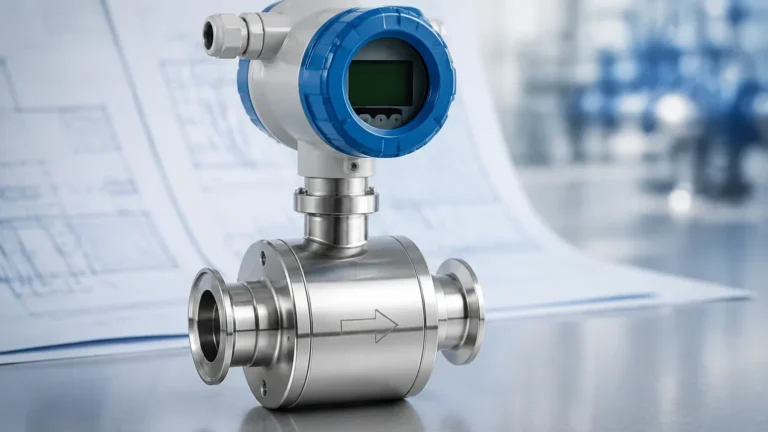
In the realm of industrial automation and process control, precision is the cornerstone of safety and efficiency. Among the most critical instruments used to maintain this precision is the pressure transmitter. While often used interchangeably with the term "pressure transducer" in casual conversation, a pressure transmitter is a specific type of device designed to measure the pressure of gases or liquids and convert that measurement into a standardized electrical signal suitable for long-distance transmission and control system integration.
For engineers and procurement professionals, understanding what is a pressure transmitter involves more than just knowing its basic function. It requires an exploration of its internal physics, its role in hydrostatic level measurement, and the specific criteria that differentiate a high-performance industrial unit from a standard sensor. As a professional manufacturer, Welk provides these instruments to industries ranging from water treatment to chemical processing, where accurate data is the primary driver of operational success.
Understanding the Fundamentals of Pressure Measurement
To define what is a pressure transmitter, one must first understand the three primary ways pressure is referenced in an industrial environment. Pressure is essentially the force exerted by a fluid per unit area, but the "zero point" of that measurement determines the type of transmitter required.
1. Gauge Pressure: This is the most common measurement. It uses the current atmospheric pressure as its reference point. If a gauge pressure transmitter reads zero, it means the pressure inside the system is equal to the ambient air pressure outside. These are widely used in open tanks and standard piping.
2. Absolute Pressure: This measurement is referenced against a perfect vacuum (zero PSI or 0 bar absolute). It is essential for applications where atmospheric pressure fluctuations would introduce errors, such as in vacuum distillation or high-altitude aerospace applications.
3. Differential Pressure (DP): A DP transmitter measures the difference between two pressure points. This is a versatile technology used not only for pressure monitoring but also for calculating flow rates across an orifice plate or determining the level of a liquid in a pressurized vessel.
In most industrial settings, the transmitter converts these physical stresses into a 4-20mA analog signal. This current loop is favored because it is highly resistant to electrical noise and can travel long distances (hundreds of meters) without signal degradation, which is vital for large-scale plants.
Core Measurement Principles and Technologies
How a pressure transmitter "feels" the pressure depends on the sensor technology housed within its casing. Different technologies offer varying levels of accuracy, stability, and resistance to environmental factors.
Piezoresistive Sensors
This is perhaps the most prevalent technology in modern industrial transmitters. It utilizes a silicon or metallic diaphragm with integrated strain gauges. When pressure is applied, the diaphragm deforms slightly, changing the electrical resistance of the strain gauges. This change is proportional to the pressure. Piezoresistive sensors are highly sensitive and offer excellent linearity, making them a staple for Welk’s high-precision product lines.
Capacitive Sensors
In a capacitive pressure transmitter, the sensing element consists of a flexible diaphragm and two fixed metal plates. As pressure moves the diaphragm, the distance between the diaphragm and the plates changes, which alters the electrical capacitance. This change is then converted into a signal. Capacitive sensors are known for their robustness and ability to withstand high overpressure conditions without losing calibration.
Resonant Wire and Piezoelectric
Less common but still relevant in niche applications, resonant wire sensors measure changes in the oscillation frequency of a wire under tension, while piezoelectric sensors generate an electric charge in response to mechanical stress. Piezoelectric sensors are particularly useful for measuring dynamic or rapidly changing pressures, such as in combustion engines or hydraulic pulses.
The Role of Pressure Transmitters in Level Measurement
While their primary name suggests pressure monitoring, these devices are fundamental to hydrostatic level measurement. This is a core application for Welk’s industrial solutions. The principle relies on the fact that the pressure at the bottom of a liquid column is directly proportional to the height of that liquid and its density.
Using the formula $P = \rho \cdot g \cdot h$ (where $P$ is pressure, $\rho$ is density, $g$ is gravity, and $h$ is height), a pressure transmitter installed at the base of a tank can calculate the exact level of the fluid. For open tanks, a gauge pressure transmitter is used. For closed, pressurized tanks, a differential pressure transmitter is required to subtract the overhead gas pressure from the total pressure at the bottom, ensuring only the liquid's weight is measured.
For more information on how these sensors integrate into broader automation systems, you may Review product options and application support on our Main Page.
Selection Criteria for Industrial Pressure Transmitters
Choosing the right instrument requires a detailed analysis of the process conditions. Using the wrong specification can lead to premature sensor failure or inaccurate data. The following table provides a baseline for evaluating different transmitter configurations:
| Feature | Consideration | Recommendation |
| :— | :— | :— |
| Pressure Range | Maximum expected process pressure. | Choose a range where normal operation is at 50-75% of the full scale. |
| Media Compatibility | Corrosive chemicals, oils, or water. | Use 316L Stainless Steel for water; Hastelloy or Tantalum for acids. |
| Temperature | Process and ambient temperature limits. | Use cooling elements or remote seals for media above 100°C (212°F). |
| Accuracy | Required precision for the application. | Standard 0.5% FS is common; 0.1% or better for custody transfer. |
| Output Signal | Integration with PLC/DCS. | 4-20mA HART is the industry standard; Modbus or Profibus for digital. |
| Process Connection | How the device attaches to the pipe/tank. | NPT/G threads for small pipes; Flanged connections for large tanks. |
Installation Best Practices and Calibration
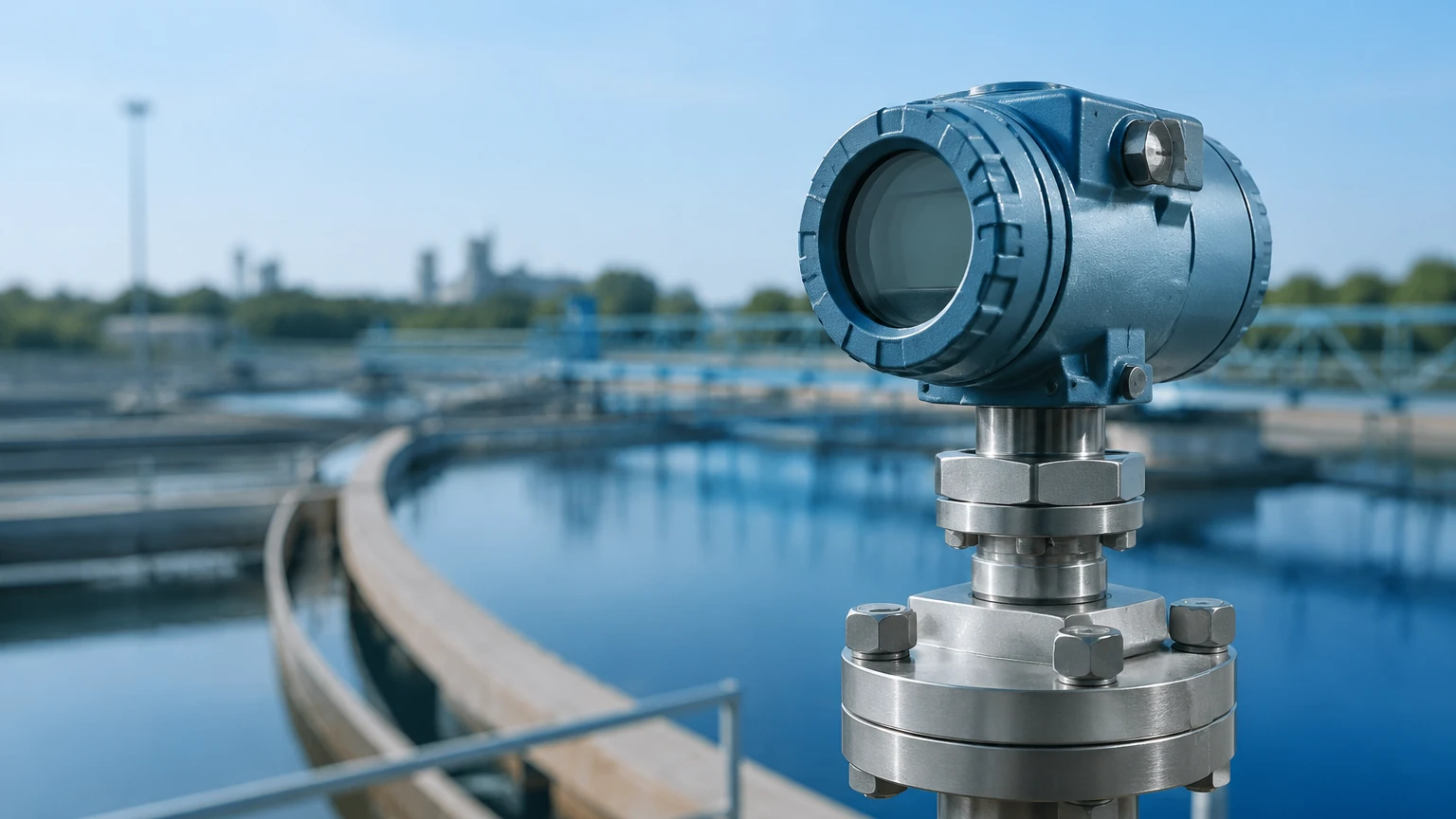
The accuracy of a pressure transmitter is heavily dependent on how it is installed. Even the most expensive sensor will provide faulty data if the installation environment is poorly managed.
* Mounting Position: Transmitters should be mounted in a location that minimizes vibration. For liquid applications, the transmitter should ideally be located below the tap point to ensure the impulse lines remain full of liquid. For gas applications, it should be above the tap point to allow condensate to drain back into the process.
* Impulse Lines: These are the small-bore pipes that connect the process to the transmitter. They should be as short as possible and sloped (usually 1:12 ratio) to prevent gas pockets or sediment buildup.
* Environmental Protection: In outdoor or wash-down environments, ensure the transmitter has an appropriate IP rating (e.g., IP67 or IP68). Using a weather shield can prevent temperature fluctuations caused by direct sunlight, which can lead to "thermal drift."
* Zeroing and Calibration: Before commissioning, the transmitter should be "zeroed" at atmospheric pressure. Regular calibration cycles (typically every 12 to 24 months) are necessary to account for sensor aging and ensure long-term reliability.
Limitations and Common Challenges
While pressure transmitters are versatile, they are not universal solutions. Engineers must be aware of certain limitations:
1. Viscous or Slurry Media: Thick liquids or fluids with high solid content can clog the small sensing ports or coat the diaphragm. In these cases, a "flush diaphragm" design is required to keep the sensing surface in contact with the flow without clogging.
2. Vacuum Sensitivity: Some diaphragms are designed for positive pressure and can be damaged if subjected to a deep vacuum. Always verify the "full vacuum" rating if the process involves vacuum cycles.
3. Hydrogen Permeation: In high-pressure hydrogen applications, hydrogen molecules can actually pass through standard stainless steel diaphragms, causing internal damage. Gold-plated diaphragms are often used as a barrier in these specific scenarios.
4. Density Fluctuations: Since hydrostatic level measurement depends on fluid density, any change in temperature or concentration that alters the density will result in a level error unless the control system is programmed to compensate for these changes.
Frequently Asked Questions (FAQs)
Q: What is the difference between a pressure transmitter and a pressure switch?
A: A pressure transmitter provides a continuous signal (e.g., 4-20mA) representing the actual pressure value. A pressure switch only provides a binary "on/off" signal when a specific pressure threshold is reached. Transmitters are used for monitoring and control, while switches are typically used for safety interlocks.
Q: Can a pressure transmitter measure flow?
A: Yes, when used in a differential pressure configuration across a primary flow element like an orifice plate or Venturi tube. The square root of the differential pressure is proportional to the flow rate.
Q: What does "Turndown Ratio" mean?
A: Turndown ratio refers to the range over which a transmitter can be adjusted while maintaining its accuracy. For example, a transmitter with a 100 bar range and a 10:1 turndown can be calibrated to measure a 10 bar range without significant loss of precision.
Q: Why is 4-20mA used instead of 0-10V?
A: Current signals (4-20mA) do not drop in voltage over long wire runs and are less susceptible to electromagnetic interference. Additionally, the "Live Zero" of 4mA allows the system to distinguish between a zero pressure reading and a broken wire (0mA).
By understanding what is a pressure transmitter and how to properly apply its technology, industrial operators can ensure their processes remain stable and safe. For technical assistance in selecting the correct level or pressure measurement instrument for your specific application, visit the Main Page for comprehensive engineering resources and product specifications.