Hygienic Ph Sensor
Hygienic Ph Sensor
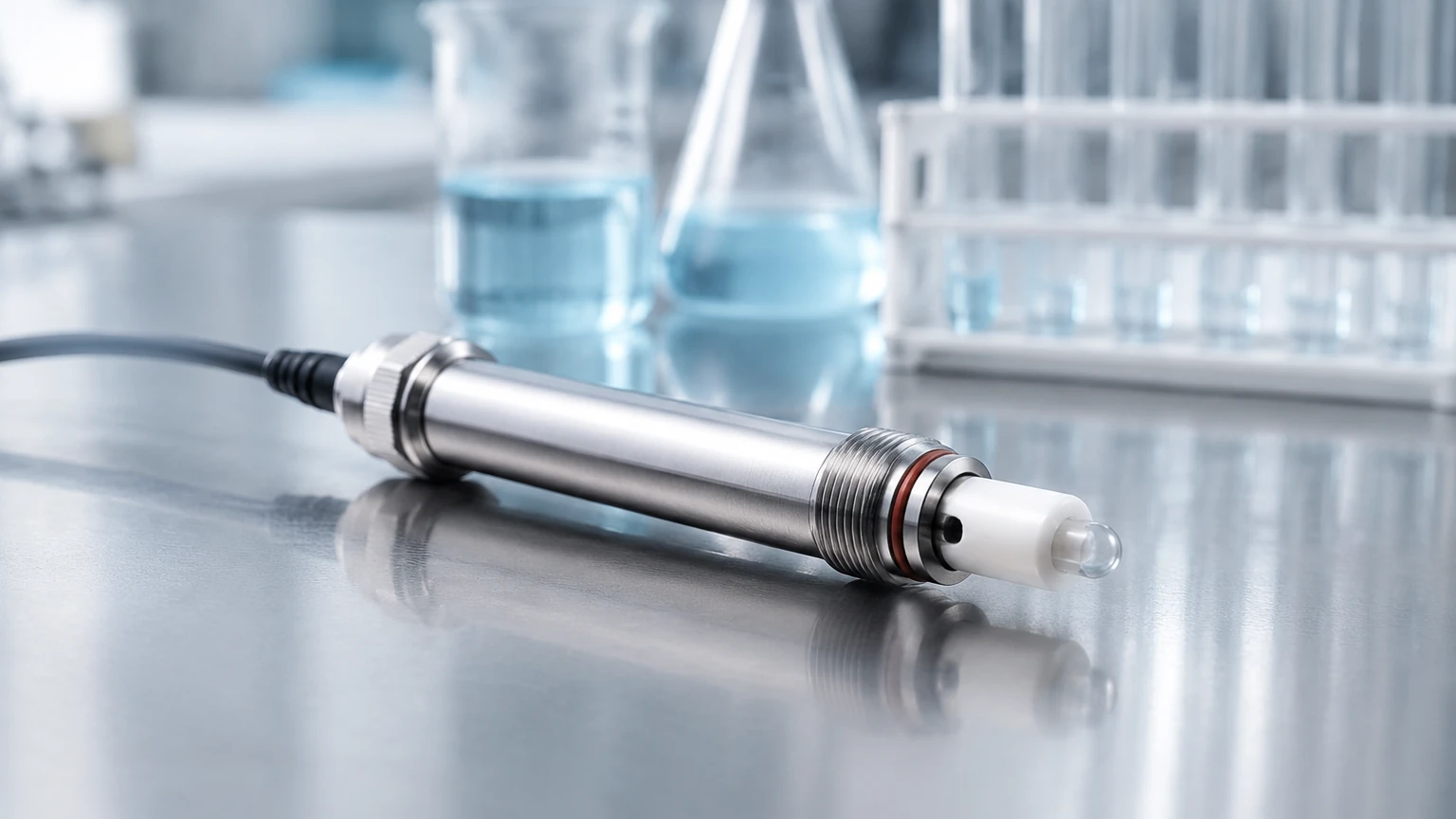
In the specialized fields of biotechnology, pharmaceutical manufacturing, and food and beverage processing, liquid analysis is as critical as volume monitoring. A hygienic pH sensor is a precision instrument designed to measure the acidity or alkalinity of a process medium while adhering to strict sanitary standards. Unlike standard industrial sensors, these units must withstand rigorous cleaning protocols and prevent microbial growth, ensuring that the measurement process does not compromise the purity of the final product.
For engineers managing complex process tanks, pH monitoring often works in tandem with level measurement. While a Main Page overview of level instrumentation highlights the importance of volume control, the chemical stability of the batch is determined by the pH value. This guide examines the principles, selection criteria, and installation requirements for hygienic pH sensors in high-purity environments.
Measurement Principles of pH Sensors
The operation of a hygienic pH sensor is based on the electrochemical potential difference between a measuring electrode and a reference electrode. Most modern sensors utilize a combined electrode design housed within a single body.
The Nernst Equation
At the heart of pH measurement is the Nernst Equation, which defines the relationship between the voltage produced by the sensor and the hydrogen ion activity in the solution. The sensor generates a millivolt (mV) signal; at a neutral pH of 7.0, the potential is typically 0 mV. As the solution becomes more acidic (lower pH), the potential increases positively, and as it becomes more alkaline (higher pH), the potential increases negatively.
Electrode Components
1. Glass Membrane: A specially formulated, pH-sensitive glass bulb that responds to hydrogen ions. In hygienic applications, this glass must be robust enough to survive thermal shocks during sterilization.
2. Reference System: Usually consisting of a silver/silver chloride (Ag/AgCl) wire immersed in a reference electrolyte. In a hygienic pH sensor, this electrolyte is often a food-grade gel or a pressurized liquid to prevent process media from entering the sensor (poisoning).
3. Junction: The point of contact between the reference electrolyte and the process medium. Hygienic designs often use ceramic diaphragms or open apertures to minimize clogging and facilitate cleaning.
Key Features of Hygienic Design
To be classified as "hygienic," a pH sensor must meet specific material and structural requirements defined by organizations such as EHEDG (European Hygienic Engineering & Design Group) and 3-A Sanitary Standards.
CIP and SIP Compatibility
Clean-in-Place (CIP) and Sterilization-in-Place (SIP) are standard procedures in sanitary industries. A hygienic pH sensor must withstand:
* Thermal Stress: Temperatures reaching 130°C to 140°C (266°F to 284°F) during steam sterilization.
* Chemical Resistance: Exposure to caustic soda (NaOH) and nitric acid (HNO3) used in cleaning cycles.
* Pressure Stability: Maintaining structural integrity during rapid pressure changes in the piping system.
Materials and Surface Finish
The wetted parts of the sensor and its housing must be non-reactive and non-absorbent. Common materials include 316L stainless steel for the body and high-performance plastics like PEEK (Polyether ether ketone). The surface roughness (Ra) is typically required to be less than 0.8 µm (32 µin) to ensure that no bacteria or product residue can adhere to the surface after a cleaning cycle.
Technical Selection Criteria
Selecting the correct hygienic pH sensor requires a detailed understanding of the process environment. The following table provides a comparison of common sensor configurations used in B2B industrial applications.
| Feature | Gel-Filled Sensors | Liquid-Electrolyte Sensors | Polymer/Solid State Sensors |
| :— | :— | :— | :— |
| Maintenance | Low (non-refillable) | High (requires refilling) | Minimal |
| Pressure Limit | Up to 6 bar (87 psi) | Up to 10 bar (145 psi) | Up to 16 bar (232 psi) |
| Temperature Range | -5°C to 110°C | -15°C to 140°C | 0°C to 130°C |
| Clogging Risk | Moderate | Low (positive pressure) | Very Low |
| Best Application | Standard F&B processes | High-protein/sticky media | Chemical/High-pressure SIP |
Connection Types
Hygienic sensors utilize specialized process connections to ensure a leak-proof, crevice-free seal. Common types include:
* Tri-Clamp: The industry standard for quick-release connections in North America and Europe.
* Varivent: A versatile flange system common in brewery and dairy applications.
* Ingold Sockets: A standard 25mm port that allows for the insertion of sensors into tanks and large pipes.
Installation and Engineering Considerations
The longevity and accuracy of a hygienic pH sensor depend heavily on its physical installation. Incorrect placement can lead to measurement lag, air pockets, or physical damage to the glass membrane.
Angle of Insertion
Sensors should never be installed horizontally or upside down. The glass bulb contains an internal buffer solution; if the sensor is tilted less than 15° from the horizontal, an air bubble may form at the tip, breaking the electrical contact and resulting in erratic readings. The ideal installation angle is vertical or at least 15° above the horizontal plane.
Flow and Turbulence
In piping systems, the sensor should be placed in a location with steady flow. If the flow rate is too high, it may cause mechanical vibration; if it is too low, the sensor may not receive a representative sample of the process fluid. In large tanks, the pH sensor is often positioned near the agitator but away from the direct path of incoming chemicals to ensure the reading reflects the homogenized batch.
Integration with Level Instrumentation
In automated process control, pH data is rarely used in isolation. For example, in a neutralization tank, a Welk ultrasonic or radar level meter monitors the volume of the effluent, while the hygienic pH sensor controls the dosing of neutralizing agents. This integration ensures that the tank does not overflow while maintaining the chemical parameters required for safe discharge or further processing.
Maintenance and Calibration Protocols
Even the highest quality hygienic pH sensor will experience "drift" over time due to the aging of the glass membrane and the depletion of the reference electrolyte.
Calibration Cycles
Calibration should be performed using certified buffer solutions (usually pH 4.0, 7.0, and 10.0). In pharmaceutical applications, calibration may be required before every batch. In food production, a weekly or bi-weekly check is often sufficient. It is vital to use the "two-point calibration" method to establish both the zero point (offset) and the slope of the sensor.
Cleaning the Sensor
If the sensor becomes coated with fats, proteins, or mineral scales, it must be cleaned before calibration.
* Proteins: Use a pepsin/HCl solution.
* Fats/Oils: Use a mild detergent or specialized solvent.
* Mineral Scale: Use a 5% hydrochloric acid (HCl) solution.
Never use abrasive materials on the glass bulb, as scratches will permanently degrade the sensor's response time.
Common Risks and Limitations
While hygienic pH sensors are robust, they are susceptible to specific failure modes:
1. Glass Breakage: The primary risk in any glass-electrode system. In food production, many facilities opt for "non-glass" pH sensors (ISFET technology) to eliminate the risk of glass fragments entering the product stream.
2. Junction Poisoning: If the process pressure exceeds the internal pressure of the sensor, process fluids can be forced into the reference system, changing its chemical composition and destroying the sensor.
3. Dehydration: If a pH sensor is allowed to dry out, the hydrated layer on the glass bulb will shrink, leading to slow response times or total failure. Sensors must be kept moist during storage and downtime.
Frequently Asked Questions (FAQ)
Q: How long does a hygienic pH sensor typically last?
A: In a standard process with regular CIP cycles, a sensor typically lasts 6 to 12 months. However, in extreme conditions (high temperature and high alkalinity), the lifespan may be reduced to a few weeks.
Q: Can I use a standard industrial pH sensor in a food-grade application?
A: No. Standard sensors often use materials that are not FDA-compliant and have designs with crevices where bacteria can multiply. They also may not withstand the high temperatures of SIP.
Q: What is the difference between an analog and a digital pH sensor?
A: Analog sensors send a raw mV signal that is susceptible to electrical noise. Digital sensors (such as those using Memosens technology) convert the signal to a digital format within the sensor head, allowing for longer cable runs and better data integrity.
Q: Does temperature affect pH measurement?
A: Yes, significantly. The Nernst potential is temperature-dependent. Most hygienic pH sensors include an integrated temperature element (like a Pt100 or Pt1000) to provide automatic temperature compensation (ATC).
Conclusion
A hygienic pH sensor is an essential component for any B2B operation requiring precise chemical control within a sterile environment. By understanding the measurement principles and strictly adhering to hygienic installation standards, engineers can ensure both product quality and process efficiency. When combined with reliable level measurement solutions, these sensors provide the comprehensive data necessary for modern industrial automation.