Foxboro Pressure Transducer
Foxboro Pressure Transducer
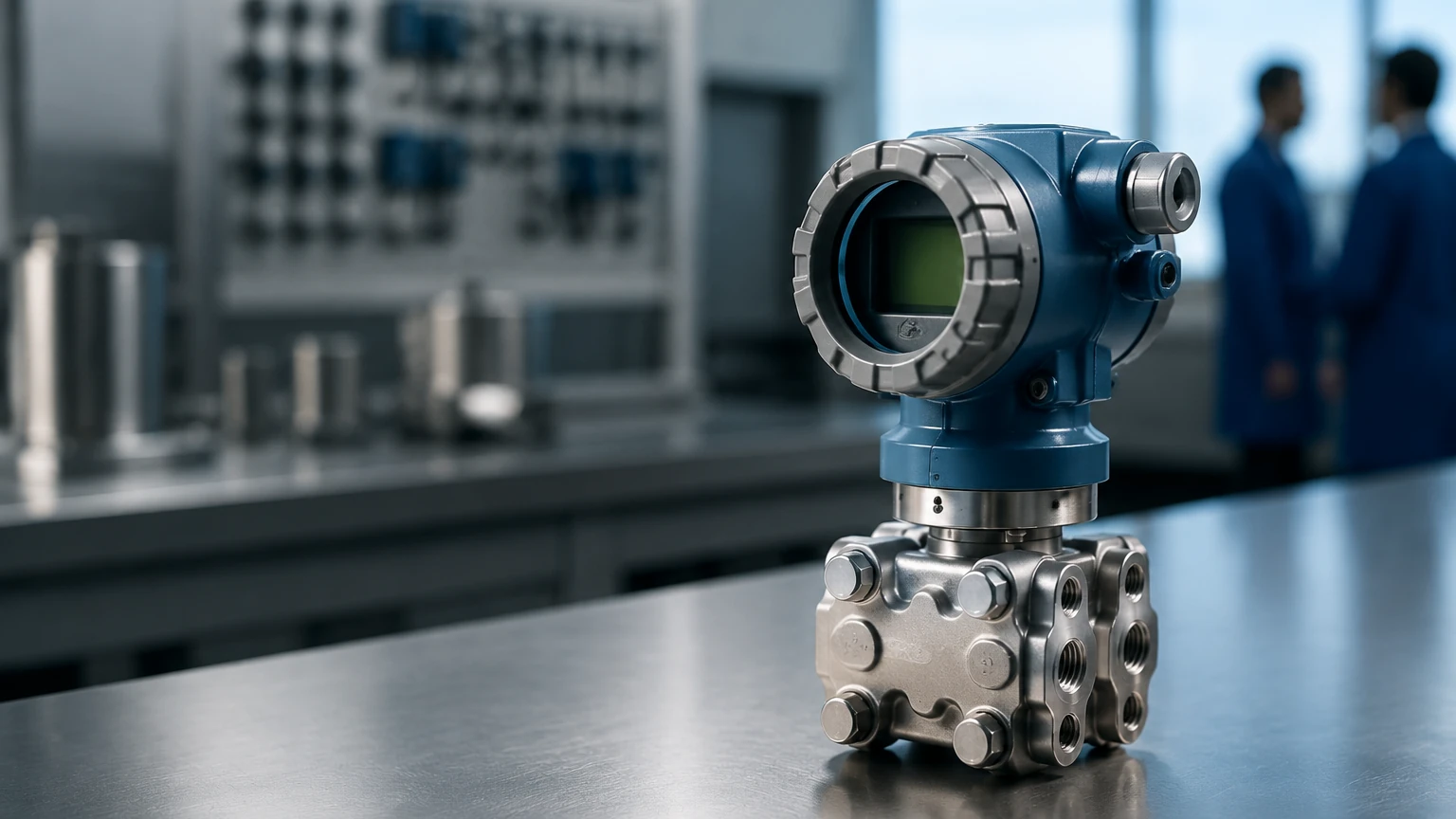
In the landscape of industrial process control, the precise measurement of pressure and level is fundamental to operational safety and efficiency. A foxboro pressure transducer is a critical component in these systems, often utilized to convert physical pressure exerted by liquids or gases into a standardized electrical signal. For engineers and procurement specialists, understanding the nuances of these instruments—ranging from their measurement principles to their integration into complex automation loops—is essential for maintaining system integrity.
At Welk, we recognize that selecting the right instrumentation requires a deep dive into technical specifications and application environments. Whether you are replacing a legacy foxboro pressure transducer or designing a new hydrostatic level measurement system, this guide provides the technical framework necessary for informed decision-making.
Measurement Principles of Pressure Transducers
To effectively utilize a foxboro pressure transducer or a comparable Welk hydrostatic transmitter, one must first master the underlying physics of pressure-to-level conversion. In most industrial liquid applications, pressure transducers operate on the principle of hydrostatic pressure.
Hydrostatic Pressure Theory
The pressure exerted by a static liquid column is directly proportional to the height of the liquid and its density. This is expressed by the formula:
P = ρ × g × h
Where:
* P is the hydrostatic pressure (measured in Pascals or bar).
* ρ (rho) is the density of the fluid (kg/m³).
* g is the gravitational constant (approximately 9.81 m/s²).
* h is the height of the liquid column (meters).
By measuring the pressure at the bottom of a tank and knowing the fluid's density, the transducer allows the control system to calculate the exact level. This method is highly reliable for vented tanks where atmospheric pressure acts equally on the liquid surface and the transducer's reference port.
Sensing Technologies
Most modern transducers, including the foxboro pressure transducer series, employ one of two primary sensing technologies:
1. Piezoresistive Sensors: These utilize a silicon diaphragm with integrated resistors. When pressure is applied, the diaphragm deforms, changing the resistance. This change is converted into a 4-20mA or digital signal.
2. Capacitance Sensors: These measure the change in electrical capacitance between a sensing diaphragm and a fixed electrode. They are known for high accuracy and stability in demanding environments.
Key Evaluation Criteria for Industrial Transducers
When evaluating a foxboro pressure transducer for a specific B2B application, several technical parameters must be scrutinized to ensure long-term reliability and accuracy.
Accuracy and Turndown Ratio
Accuracy is typically expressed as a percentage of the calibrated span. A high-quality transducer should offer accuracy within ±0.05% to ±0.1% of the span. The "turndown ratio" refers to the range over which the device can be calibrated without significant loss of accuracy. For example, a device with a 100:1 turndown ratio provides immense flexibility for varying tank heights.
Material Compatibility
The wetted parts—the components of the transducer in direct contact with the process media—must be chemically compatible. Standard materials include:
* 316L Stainless Steel: Suitable for water and mildly corrosive liquids.
* Hastelloy C: Required for highly aggressive chemical environments.
* Monel or Tantalum: Used in specialized applications involving hydrofluoric acid or extreme oxidizers.
Communication Protocols
In the era of Industry 4.0, the method of data transmission is as important as the measurement itself. While the 4-20mA analog signal remains a standard, digital protocols such as HART (Highway Addressable Remote Transducer), FOUNDATION Fieldbus, and Profibus PA allow for remote diagnostics and configuration.
Selection Table: Technical Comparison
The following table outlines typical specifications encountered when selecting between standard industrial models and Welk high-precision alternatives.
| Feature | Standard Foxboro Pressure Transducer | Welk High-Precision Series | Application Note |
| :— | :— | :— | :— |
| Measurement Range | 0.1 bar to 200 bar | 0.05 bar to 400 bar | Covers shallow tanks to high-pressure vessels. |
| Output Signal | 4-20mA, HART | 4-20mA, HART, RS485 | Digital outputs facilitate long-distance transmission. |
| Accuracy | ±0.075% Span | ±0.05% Span | Higher accuracy reduces inventory loss in custody transfer. |
| Housing Material | Aluminum / Stainless Steel | 316 Stainless Steel | Stainless steel is preferred for offshore/corrosive areas. |
| Operating Temp | -40°C to 85°C | -40°C to 120°C | High-temp versions available for steam applications. |
| Protection Class | IP66 / IP67 | IP67 / IP68 | IP68 is required for submersible applications. |
For a comprehensive view of how these specifications align with your specific project needs, you can Review product options and application support on our Main Page.
Installation Considerations and Best Practices
Even the most advanced foxboro pressure transducer will fail to provide accurate data if installed incorrectly. Proper mechanical and electrical installation is the cornerstone of instrument longevity.
Mounting Location
The transducer should be mounted at a point where the fluid is relatively static. Avoid installing sensors directly in the path of an agitator or near an inlet pipe where turbulence can cause localized pressure fluctuations, leading to "noisy" readings.
Impulse Lines and Venting
For differential pressure applications (used in closed tanks), impulse lines connect the high and low-pressure sides of the vessel to the transducer. These lines should be sloped (typically 1:12) to allow gas bubbles to escape back into the tank or to allow condensate to drain, preventing "false head" errors.
Zero Calibration
After installation, it is vital to perform a zero-point calibration. This accounts for the mounting position and the weight of the liquid in the impulse lines (the "wet leg"). Most modern units allow for a simple "push-button" zero or a digital trim via a HART communicator.
Limitations and Application Constraints
While pressure transducers are versatile, they are not universal solutions. Engineers must be aware of the following limitations:
1. Density Sensitivity: Since hydrostatic pressure depends on density (ρ), any change in the liquid's temperature or concentration that alters its density will result in a level error. If the density varies significantly, a secondary temperature sensor or a dual-pressure setup for density compensation is required.
2. Vacuum Conditions: In closed tanks under vacuum, the low-pressure side of the transducer must be carefully referenced. Standard gauge pressure transducers cannot be used; absolute or differential pressure models are mandatory.
3. Sediment and Clogging: In wastewater or slurries, the sensing diaphragm can become coated with solids. In these cases, a flush-mount diaphragm or a non-contact ultrasonic sensor might be a better alternative to a standard foxboro pressure transducer.
Frequently Asked Questions (FAQs)
1. What is the difference between a pressure transducer and a pressure transmitter?
In common industrial parlance, the terms are often used interchangeably. However, technically, a *transducer* converts pressure into a low-level electrical signal (like millivolts), while a *transmitter* amplifies and conditions that signal into a standardized output like 4-20mA or a digital protocol.
2. How often should a foxboro pressure transducer be calibrated?
Calibration frequency depends on the criticality of the process. For most industrial applications, an annual verification is standard. However, in highly regulated industries like pharmaceuticals or food and beverage, semi-annual calibration may be required.
3. Can I use a pressure transducer for steam applications?
Yes, but a "pigtail" syphon or a capillary seal must be used to protect the sensor diaphragm from the extreme temperature of the steam. The syphon allows steam to condense, creating a water barrier that stays cool while transmitting the pressure.
4. How do I handle a tank that is pressurized with a gas blanket?
In a pressurized (closed) tank, you must use a differential pressure transducer. One port measures the total pressure (liquid + gas) at the bottom, and the other port measures just the gas pressure at the top. The unit subtracts the gas pressure to provide the true liquid level.
Conclusion
Selecting and maintaining a foxboro pressure transducer requires a balance of theoretical knowledge and practical engineering experience. By focusing on accuracy, material compatibility, and proper installation, B2B operators can ensure that their level measurement systems remain reliable over years of continuous service. As technology evolves, the integration of smarter diagnostics and more robust materials continues to drive the industry forward, making precise measurement more accessible than ever before.
For more detailed technical data and to explore our full range of level measurement solutions, please visit our Main Page.