Flow Meter Green
Flow Meter Green
In the modern industrial landscape, the drive toward sustainability is no longer a peripheral concern but a core operational requirement. The term "flow meter green" refers to the selection and implementation of flow measurement technologies that prioritize energy efficiency, reduce environmental impact, and support resource conservation. For process engineers and plant managers, choosing the right instrumentation is a critical step in achieving Environmental, Social, and Governance (ESG) goals while maintaining high precision in fluid handling.
Sustainable flow measurement involves more than just monitoring volume; it encompasses the reduction of pressure drops (which lowers pumping energy), the use of long-life materials to reduce waste, and the implementation of smart diagnostics to prevent leaks and overflows. This guide explores the principles, selection criteria, and practical applications of eco-friendly flow measurement solutions.
Measurement Principles and Sustainability
To understand how a flow meter qualifies as "green," one must examine the underlying physics of the measurement. Different technologies interact with the fluid in various ways, directly impacting the energy consumption of the entire piping system.
1. Ultrasonic Flow Measurement (Non-Invasive)
Ultrasonic meters, particularly transit-time models, are often considered the gold standard for "green" applications. They operate by sending sound waves through the fluid. The difference in time between a signal traveling with the flow and one traveling against it is proportional to the velocity.
* Sustainability Factor: Because transducers are typically clamped to the outside of the pipe or mounted in a way that does not obstruct the flow path, there is zero pressure drop. In large-scale industrial pumping, even a small pressure drop caused by a traditional orifice plate can result in thousands of kilowatt-hours of wasted electricity annually.
2. Electromagnetic Flow Measurement (Mag Meters)
Electromagnetic meters operate based on Faraday’s Law of Induction. As a conductive fluid moves through a magnetic field, it generates a voltage proportional to its velocity.
* Sustainability Factor: Like ultrasonic meters, mag meters have an unobstructed bore. They contain no moving parts, which significantly extends the service life of the instrument and reduces the need for replacement parts. This longevity reduces the carbon footprint associated with manufacturing and logistics over the plant's lifecycle.
3. Open Channel Flow and Level Integration
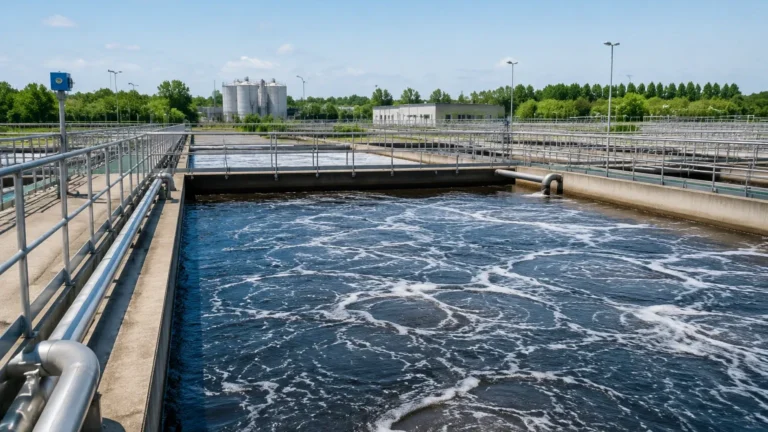
In many environmental and water treatment applications, flow is measured in open channels (flumes or weirs). Here, the flow rate is calculated based on the level of the liquid. This is where high-precision level measurement instruments, such as those found on the Main Page of industrial catalogs, become essential. By using ultrasonic or radar level sensors to monitor head height, engineers can calculate flow without any mechanical contact with the medium.
Selection Criteria for Flow Meter Green Solutions
When evaluating a flow meter for a sustainable project, several technical factors must be confirmed to ensure the device meets both performance and environmental targets.
Energy Loss and Pressure Drop
The most significant "hidden" cost of flow metering is the permanent pressure loss (PPL). Devices like Venturi tubes or orifice plates create a restriction. The pump must work harder to overcome this resistance. When selecting a "flow meter green" solution, prioritize technologies with a high flow coefficient (Cv) and minimal PPL.
Turndown Ratio and Leak Detection
A meter with a high turndown ratio (the ratio between maximum and minimum measurable flow) is vital for sustainability. High-sensitivity meters can detect low-flow conditions that might indicate a slow leak in the system. Early leak detection prevents resource waste and potential environmental contamination.
Material Lifecycle and Recyclability
Consider the construction materials. Stainless steel (316L) or high-grade plastics are preferred for their corrosion resistance, ensuring the meter does not need to be replaced every few years. Furthermore, modern digital meters often feature modular electronics, allowing for firmware updates or component repairs rather than total unit disposal.
Technical Selection Table
The following table compares common flow measurement technologies based on their "green" performance metrics.
| Technology | Pressure Drop | Moving Parts | Maintenance Requirement | Energy Efficiency Rating |
| :— | :— | :— | :— | :— |
| Ultrasonic (Clamp-on) | Zero | None | Very Low | Excellent |
| Electromagnetic | Negligible | None | Low | Excellent |
| Vortex Shedding | Low to Medium | None | Moderate | Good |
| Thermal Mass | Low | None | Moderate | Good |
| Orifice Plate | High | None | High (Wear) | Poor |
| Turbine | Medium | Yes | High | Fair |
Installation Considerations for Maximum Efficiency
Even the most efficient meter can perform poorly if installed incorrectly. To maintain the "green" integrity of the system, follow these engineering guidelines:
1. Straight Pipe Runs: Most meters require a specific length of straight pipe upstream (typically 10 diameters) and downstream (5 diameters) to ensure a stable flow profile. Turbulent flow leads to measurement errors, which can cause chemical over-dosing or inefficient pump control.
2. Power Supply: For remote locations, consider low-power flow meters that can be operated via solar panels and battery storage. This eliminates the need for extensive cabling and reduces the site's overall energy footprint.
3. Grounding: For electromagnetic meters, proper grounding is essential. Without it, electrical noise can degrade accuracy, leading to process inefficiencies. Use grounding rings if the piping is non-conductive (e.g., PVC or HDPE).
4. Orientation: Ensure the pipe is always full. In horizontal runs, installing the meter at a slightly elevated section can prevent sediment buildup, while vertical upward flow is ideal for ensuring the pipe remains primed.

Limitations and Practical Challenges
While the goal is to implement the most sustainable solution, engineers must navigate certain physical and economic limitations:
* Fluid Conductivity: Electromagnetic meters require a minimum conductivity (usually >5 μS/cm). They cannot be used for hydrocarbons or demineralized water, necessitating other technologies like ultrasonic or vortex.
* Initial Investment: "Green" technologies like high-end radar level sensors or transit-time ultrasonic meters often have a higher upfront cost compared to mechanical meters. However, the Total Cost of Ownership (TCO), including energy savings and reduced maintenance, usually favors the advanced technology over a 5-to-10-year period.
* Signal Interference: Ultrasonic meters can be sensitive to entrained air or high solids content. In such cases, a Doppler-style ultrasonic meter or a specialized mag meter may be required to maintain accuracy.
Frequently Asked Questions (FAQs)
Q: How does a flow meter help in reducing carbon emissions?
A: By minimizing pressure drop, the energy required for pumping is reduced. Since pumps are often the largest energy consumers in industrial plants, reducing their load directly lowers the facility's carbon footprint. Additionally, accurate metering prevents the waste of processed water and chemicals.
Q: Can I retro-fit an old system to be "green"?
A: Yes. Clamp-on ultrasonic flow meters are ideal for retrofitting because they do not require cutting the pipe or shutting down the process. This allows for immediate energy monitoring and optimization without significant infrastructure changes.
Q: What role does digital communication (IIoT) play in flow meter green initiatives?
A: Modern meters with HART, Modbus, or Profibus capabilities allow for real-time data logging. This data is essential for identifying inefficiencies, predicting maintenance needs before a failure occurs, and optimizing the entire process loop for maximum resource efficiency.
Q: Are there specific meters for renewable energy applications like biogas?
A: Thermal mass flow meters and specialized vortex meters are frequently used in biogas and hydrogen applications. They provide accurate mass flow measurement, which is critical for calculating the energy content of green fuels.
Conclusion
Implementing a "flow meter green" strategy is a multi-faceted process that requires a deep understanding of fluid dynamics and instrument characteristics. By prioritizing non-invasive technologies, minimizing pressure losses, and selecting instruments with long service lives, industrial operations can significantly reduce their environmental impact while improving their bottom line.
For those seeking reliable instrumentation to support these goals, exploring the technical specifications of radar, ultrasonic, and hydrostatic sensors on the Main Page is a recommended next step. Proper selection today ensures a more sustainable and efficient industrial process for the future.