Cole Parmer Chemical Compatibility Table
Cole Parmer Chemical Compatibility Table
In the field of industrial level measurement, selecting the correct instrumentation involves more than just choosing between radar, ultrasonic, or hydrostatic technologies. The longevity and accuracy of a sensor are fundamentally tied to the chemical compatibility of its wetted parts with the process media. Engineers and procurement specialists frequently rely on standardized data, such as the cole parmer chemical compatibility table, to determine how specific materials—ranging from stainless steel to advanced plastics like PVDF—will react when exposed to corrosive acids, bases, or solvents.
Understanding these compatibility ratings is essential for ensuring process safety and minimizing maintenance costs in water treatment, chemical processing, and oil and gas applications. This guide explores the principles of material selection in level measurement and how to effectively apply compatibility data to industrial instrumentation.
Principles of Level Measurement and Material Interaction
Before selecting a specific material based on compatibility charts, it is necessary to understand how different level measurement technologies interact with the process medium. The degree of contact determines which components of the instrument must be prioritized for chemical resistance.
Non-Contact Measurement (Radar and Ultrasonic)
Radar level meters and ultrasonic sensors are often preferred for corrosive environments because the electronic housing does not come into contact with the liquid. However, the "wetted parts"—specifically the antenna or the transducer face—are exposed to process vapors and potential splashing.
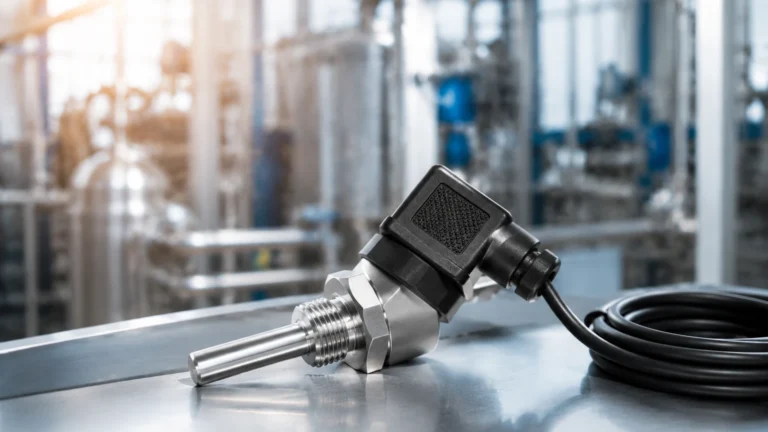
* Radar Level Meters: These use high-frequency microwave pulses. The antenna material (often 316L stainless steel or PTFE-coated) must resist the corrosive nature of the fumes. If the medium is highly acidic, a completely enclosed PTFE antenna is often recommended to prevent metal degradation.
* Ultrasonic Sensors: These emit sound waves. The transducer face is the primary point of concern. Common materials include Polypropylene (PP) or Polyvinylidene Fluoride (PVDF). If the cole parmer chemical compatibility table indicates a "Severe Effect" for PP with a specific solvent, a PVDF-faced sensor must be used instead.
Contact Measurement (Hydrostatic and Magnetic)
Instruments that are submerged or in constant contact with the liquid require much more rigorous material evaluation.
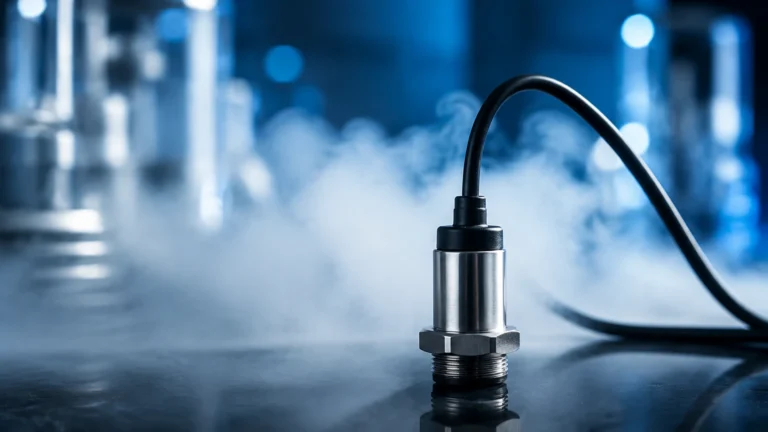
* Hydrostatic Level Transmitters: These sensors are submerged at the bottom of a tank. Both the sensor body (typically 316L or Hastelloy) and the cable jacket (PUR, PE, or FEP) must be compatible with the liquid. A failure in the cable jacket can lead to liquid ingress, destroying the internal electronics.
* Magnetic Level Gauges: The chamber and the internal float are in constant contact with the medium. The float must be made of a material that is not only chemically resistant but also light enough to maintain buoyancy at the process density.
Interpreting the Cole Parmer Chemical Compatibility Table
The cole parmer chemical compatibility table is a widely recognized industry reference that categorizes the relationship between chemicals and materials into four primary ratings. When reviewing these tables for level measurement applications, the following definitions apply:
1. A – Excellent: The material is completely resistant to the chemical. There is little to no functional change in the material properties. This is the target rating for submerged sensors or long-term installations.
2. B – Good: The material is generally resistant, but minor reactions may occur over time, such as slight swelling or discoloration. These materials may be used for non-contact components or applications where the sensor is cleaned frequently.
3. C – Fair: Significant reaction occurs. The material may lose mechanical strength or become brittle. Usage is generally discouraged for critical level measurement components.
4. D – Severe Effect: The chemical will rapidly destroy the material. Total failure is imminent. These materials must never be used in the specified process.
Material Selection Table for Level Instrumentation
When cross-referencing a cole parmer chemical compatibility table, engineers typically focus on a few core materials used in level sensor construction. The table below provides a generalized compatibility overview for common industrial chemicals at 20°C (68°F).
| Chemical | 316L Stainless Steel | Polypropylene (PP) | PVDF (Kynar) | PTFE (Teflon) |
| :— | :— | :— | :— | :— |
| Sulfuric Acid (98%) | D – Severe | D – Severe | B – Good | A – Excellent |
| Hydrochloric Acid (37%) | D – Severe | A – Excellent | A – Excellent | A – Excellent |
| Sodium Hydroxide (50%) | B – Good | A – Excellent | B – Good | A – Excellent |
| Acetone | A – Excellent | A – Excellent | D – Severe | A – Excellent |
| Diesel Fuel | A – Excellent | B – Good | A – Excellent | A – Excellent |
| Nitric Acid (10%) | B – Good | D – Severe | A – Excellent | A – Excellent |
*Note: Always verify specific concentrations and temperatures, as these factors can drastically change a material's rating from "Excellent" to "Severe."*
Critical Factors Influencing Compatibility
While the cole parmer chemical compatibility table provides a vital starting point, real-world industrial processes involve variables that can accelerate material degradation. For a comprehensive overview of how these factors impact specific hardware, you may review product options and application support at the Welk Main Page.
1. Temperature Effects
Chemical activity generally increases with temperature. A material that is rated "A" at 20°C may degrade rapidly at 80°C. For example, while PVC is excellent for many acids at room temperature, its structural integrity and chemical resistance drop significantly above 60°C. High-temperature applications often necessitate the use of PTFE or specialized alloys like Hastelloy C-276.
2. Chemical Concentration
The concentration of a chemical is equally important. Some materials can handle diluted acids but fail when exposed to concentrated versions. This is particularly common with Sulfuric Acid, where 10% concentration and 98% concentration require entirely different sensor materials.
3. Pressure and Mechanical Stress
In pressurized tanks, materials are under mechanical stress. A plastic sensor body that has been slightly softened by chemical exposure (a "B" rating) may deform or crack under high pressure, whereas it might have survived in an atmospheric tank.

Installation Considerations for Corrosive Environments
Proper installation can mitigate some compatibility risks. When dealing with aggressive media, consider the following engineering practices:
* Vapor Sealing: In ultrasonic and radar applications, ensure the conduit entries are sealed. Corrosive vapors can travel up the wiring and corrode the internal electronics of the transmitter even if the sensor face is resistant.
* Stilling Wells: For turbulent tanks or those with heavy fumes, installing a sensor inside a stilling well (made of compatible PVC or PTFE) can protect the instrument and provide a more stable surface for measurement.
* Flange Protection: Use PTFE-lined flanges or gaskets to ensure that the mounting point—often the weakest link in a system—does not leak or corrode.
Limitations of Standard Compatibility Tables
It is important to recognize that a cole parmer chemical compatibility table is typically based on pure chemicals. In industrial settings, processes often involve chemical mixtures, contaminants, or byproducts of reactions.
* Synergistic Effects: Two chemicals that are individually safe for a material may, when combined, create a mixture that attacks the material.
* Aeration: The presence of dissolved oxygen can change how some chemicals interact with metals, potentially leading to pitting corrosion in stainless steel.
* Erosion-Corrosion: If the liquid contains abrasive solids, the protective oxide layer on metals can be worn away, allowing the chemical to attack the metal more aggressively.
Frequently Asked Questions (FAQs)
Q: Can I use 316L Stainless Steel for all water treatment applications?
A: No. While 316L is excellent for general water use, it is susceptible to pitting and stress corrosion cracking in high-chloride environments (such as seawater or brine) or when exposed to high concentrations of Chlorine gas.
Q: Why is PTFE often the most expensive option for level sensors?
A: PTFE (Teflon) offers near-universal chemical resistance and can withstand high temperatures. Its manufacturing process and the material cost itself are higher than standard plastics like PP or PVC, but it often provides the lowest total cost of ownership due to its durability.
Q: How often should I inspect sensors in "B – Good" rated environments?
A: For sensors with a "Good" rating, a semi-annual physical inspection is recommended. Look for signs of swelling, discoloration, or surface crazing, which indicate that the material is slowly being compromised.
Q: Does the color of the plastic (like PP or PVDF) affect its compatibility?
A: Generally, no. However, some pigments or UV stabilizers added to plastics can have minor effects on compatibility. It is always best to stick to industrial-grade, virgin materials from reputable manufacturers.
For engineers seeking reliable, accurate, and cost-effective level measurement solutions, comparing theoretical data with field-proven technology is the best path forward. Whether you are dealing with simple water storage or complex chemical reactors, ensuring material integrity is the first step toward a successful automation strategy.