Hemp Extraction Equipment G Force Extraction
Hemp Extraction Equipment G Force Extraction
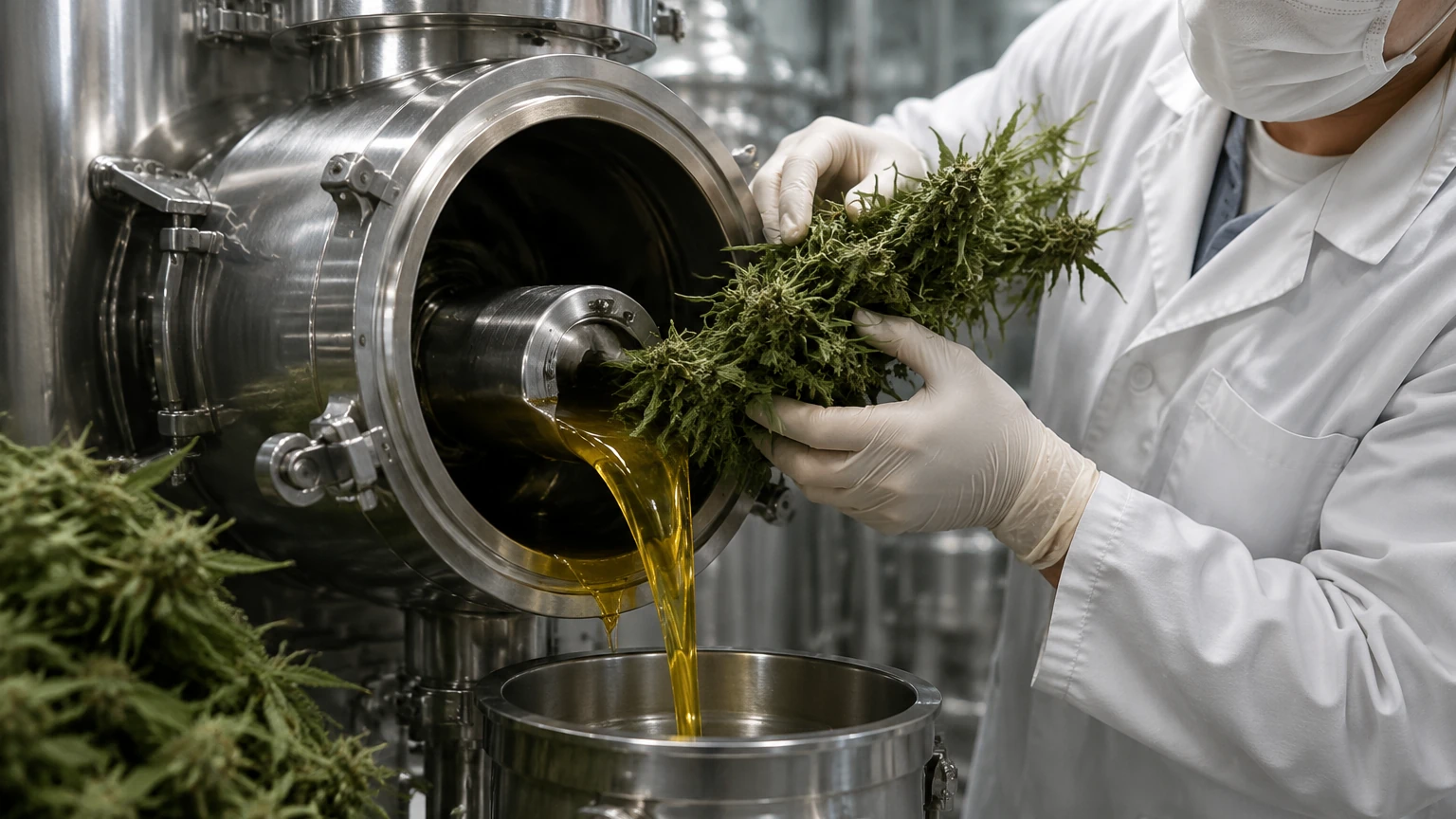
In the rapidly evolving landscape of industrial hemp processing, the efficiency of solvent recovery and cannabinoid separation is paramount. Among the various methodologies employed, centrifugal separation—often referred to in the industry as hemp extraction equipment g force extraction—has emerged as a gold standard for mid-to-large scale operations. This process relies on high-speed rotation to generate centrifugal force, effectively separating liquid solvents from solid biomass.
However, the mechanical intensity of G-force extraction presents unique challenges for process control. Maintaining precise liquid levels within extraction chambers, solvent holding tanks, and recovery stills is critical for both safety and product purity. This guide explores the engineering principles of G-force extraction and the essential level measurement technologies required to monitor these high-performance systems.
Principles of G-Force Extraction in Hemp Processing
Centrifugal extraction utilizes Relative Centrifugal Force (RCF) to drive solvent (typically chilled ethanol) through hemp biomass. The process generally follows a sequence of loading, chilling, soaking, and spinning. During the "spin" cycle, the equipment generates significant G-force to reclaim the maximum amount of solvent laden with dissolved oils.
The Physics of Centrifugation
The "G-force" in hemp extraction equipment refers to the acceleration relative to gravity. In a rotating drum, the centrifugal force ($F_c$) is calculated based on the mass ($m$), the angular velocity ($ω$), and the radius of the drum ($r$):
$$F_c = m ω^2 r$$
In industrial hemp centrifuges, these forces can reach hundreds or even thousands of Gs. This force is what ensures that the ethanol is stripped from the plant material, leaving the "spent" biomass relatively dry. For the system to operate continuously, operators must monitor the level of the solvent being pumped in and the extract being drained out. If level monitoring fails, the centrifuge could overfill, leading to mechanical imbalance or hazardous spills of flammable solvents.
Level Measurement Principles for Extraction Systems
Before selecting instrumentation for hemp extraction equipment g force extraction, it is vital to understand the measurement principles that govern industrial level sensors. Given the presence of volatile organic compounds (VOCs) and high-speed mechanical movement, not every sensor is suitable.
1. Radar Level Measurement (ToF)
Radar sensors operate on the Time-of-Flight (ToF) principle. They emit high-frequency microwave pulses that reflect off the surface of the liquid and return to the sensor.
* Advantage: Radar is non-contact, meaning it is unaffected by the high-speed turbulence or the viscosity of the hemp oil-ethanol mixture.
* Suitability: Ideal for solvent storage tanks and primary extraction vessels where high accuracy is required without physical contact with the medium.
2. Ultrasonic Level Sensors
Similar to radar, ultrasonic sensors use sound waves. The sensor measures the time it takes for an ultrasonic pulse to travel to the liquid surface and back.
* Advantage: Cost-effective and easy to install.
* Limitation: In hemp extraction, ethanol vapors can change the speed of sound in the tank's headspace, potentially leading to inaccuracies. They are best used in water-based cleaning stages or buffer tanks where vapor concentrations are low.
3. Hydrostatic Pressure Transmitters
These sensors measure the pressure exerted by the liquid column at the bottom of a tank. The pressure ($P$) is proportional to the height of the liquid ($h$) and its density ($ρ$):
$$P = ρ g h$$
* Advantage: Highly reliable for vented tanks.
* Limitation: Since hemp extract density changes based on the concentration of dissolved solids and temperature, hydrostatic sensors may require frequent recalibration or compensation for density shifts.
4. Magnetic Level Gauges
Magnetic gauges use a float equipped with a magnet that moves with the liquid level inside a bypass chamber. This movement flips magnetic flags on the outside of the chamber, providing a visual and electronic indication.
* Advantage: Provides a clear visual reference for operators on the factory floor without requiring power, while also offering 4-20mA signal outputs for automation.
Selection Criteria for Hemp Extraction Instrumentation
When evaluating level measurement solutions for hemp extraction equipment g force extraction, engineers must consider several technical factors to ensure long-term reliability.
| Feature | Radar (80GHz) | Ultrasonic | Hydrostatic | Magnetic Gauge |
| :— | :— | :— | :— | :— |
| Accuracy | ±2 mm | ±5 mm | ±0.1% Span | ±5 mm |
| Contact | Non-contact | Non-contact | Contact | Contact (Float) |
| Vapor Resistance | Excellent | Poor | Good | Excellent |
| Vibration Resistance| High | Medium | High | Medium |
| Cleaning | CIP Friendly | CIP Friendly | Requires Flush | Bypass Required |
Material Compatibility
Hemp extraction involves solvents like ethanol, CO2, or hydrocarbons. Level sensors must be constructed from materials that resist corrosion and degradation. 316L stainless steel is the industry standard for wetted parts, often paired with PTFE or PEEK for seals and gaskets. For those seeking comprehensive hardware options, reviewing the Main Page of an established manufacturer can help identify the correct material specifications for specific solvent types.
Hazardous Area Certifications
Because ethanol and other solvents used in G-force extraction are flammable, all electronic instrumentation must comply with ATEX or IECEx standards for Zone 0 or Zone 1 environments. This ensures that the sensor cannot act as an ignition source in the event of a vapor leak.
Installation and Engineering Considerations
Proper installation is as important as the technology itself, especially in high-vibration environments associated with hemp extraction equipment g force extraction.
1. Vibration Dampening: Centrifuges generate significant mechanical energy. Level sensors mounted on or near the centrifuge should use vibration-resistant mounts or be located on a separate, stabilized mounting bracket to prevent signal noise.
2. Stilling Wells: If using contact-based sensors or radar in a highly turbulent tank, a stilling well (a perforated pipe) can be installed. This provides a calm surface for the sensor to measure, ensuring a stable reading despite the agitation caused by the extraction process.
3. Sanitary Requirements: Hemp products intended for human consumption must meet GMP (Good Manufacturing Practice) standards. Sensors should feature Tri-clamp fittings and smooth surface finishes (typically Ra < 0.8 µm) to facilitate Clean-In-Place (CIP) cycles.
4. Temperature Compensation: Extraction often happens at cryogenic temperatures (down to -40°C or lower) to prevent the extraction of unwanted waxes and chlorophyll. Ensure the level transmitter is rated for these extreme temperatures to prevent electronics failure or seal shrinkage.
Limitations and Challenges
While G-force extraction is highly efficient, it is not without its technical hurdles. One common issue is the "foaming" of the extract during the spin cycle. Standard ultrasonic and some radar sensors may struggle to distinguish between the top of the foam and the actual liquid level. In these instances, guided wave radar (GWR) or specialized foam-resistant radar frequencies are recommended.
Another challenge is the buildup of resin. Hemp resin is extremely sticky. If using a float-based system like a magnetic level gauge, the resin can eventually cause the float to stick. Regular maintenance and the use of non-stick coatings on the float are necessary in high-resin applications.
Frequently Asked Questions (FAQ)
Q: Why is G-force important in hemp extraction?
A: G-force allows for the rapid separation of solvent from the plant material. Higher G-forces result in higher solvent recovery rates and shorter cycle times, which increases the overall throughput of the facility.
Q: Can I use a standard water level sensor for ethanol extraction?
A: Generally, no. Standard sensors may not be explosion-proof (ATEX/IECEx rated) and might have seals that dissolve in ethanol. Always use industrial-grade sensors designed for chemical environments.
Q: How does temperature affect level measurement in extraction?
A: Temperature affects liquid density and vapor pressure. For hydrostatic sensors, a drop in temperature increases density, which can lead to an overestimation of the liquid level if not compensated. For ultrasonic sensors, cold air is denser and changes the speed of sound, leading to measurement errors.
Q: What is the best sensor for a solvent recovery still?
A: Non-contact radar is typically preferred for recovery stills because it handles the boiling surface and the presence of heavy solvent vapors better than other technologies.
Conclusion
Optimizing hemp extraction equipment g force extraction requires a holistic approach to process engineering. By understanding the physics of centrifugation and the principles of level measurement, operators can ensure their systems run safely and at peak efficiency. Whether managing a small-batch centrifuge or a massive industrial solvent recovery line, the integration of precise, reliable level sensors is the key to consistent product quality and operational safety. For more detailed technical specifications and product comparisons, engineers are encouraged to consult professional instrumentation resources to find the best fit for their specific extraction environment.
Download Hemp Extraction Equipment G Force Extraction as a PDF