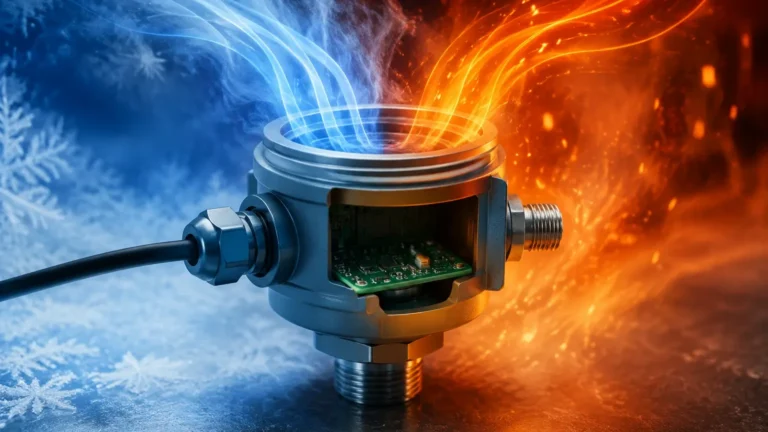
Retractable Housing
Retractable Housing
In industrial process automation, the ability to maintain, calibrate, and clean sensors without interrupting production is a critical factor for operational efficiency. Retractable housing serves as the mechanical interface that allows for the safe insertion and removal of measurement probes—such as level switches, pH sensors, or conductivity probes—while the process vessel or pipeline remains under pressure and in operation. This technology is essential in sectors ranging from wastewater treatment to chemical processing, where downtime is costly and process fluids may be hazardous.
For engineers and plant managers, understanding the mechanics and selection criteria of retractable housing is vital for ensuring long-term reliability. As a professional manufacturer of industrial level measurement instruments, Welk emphasizes the integration of robust housing solutions to complement advanced sensing technologies like radar and ultrasonic systems.
The Role of Retractable Housing in Industrial Process Control
Retractable housing is designed to bridge the gap between a static process environment and the need for dynamic sensor maintenance. In many applications, sensors are exposed to harsh conditions, including high temperatures, corrosive chemicals, or suspended solids that lead to fouling. Without a retractable mechanism, the entire process would need to be shut down and drained just to clean a single probe.
By utilizing a retractable housing, the sensor is housed within a moveably-sealed chamber. When maintenance is required, the probe is retracted into a cleaning chamber that is isolated from the main process by a ball valve or a specialized sealing sleeve. This allows the operator to rinse, calibrate, or replace the sensor safely. This functionality is particularly important for sensors that require frequent attention, such as those used in the Main Page of a facility's automation strategy where continuous data flow is mandatory.
Operational Principles and Mechanical Design
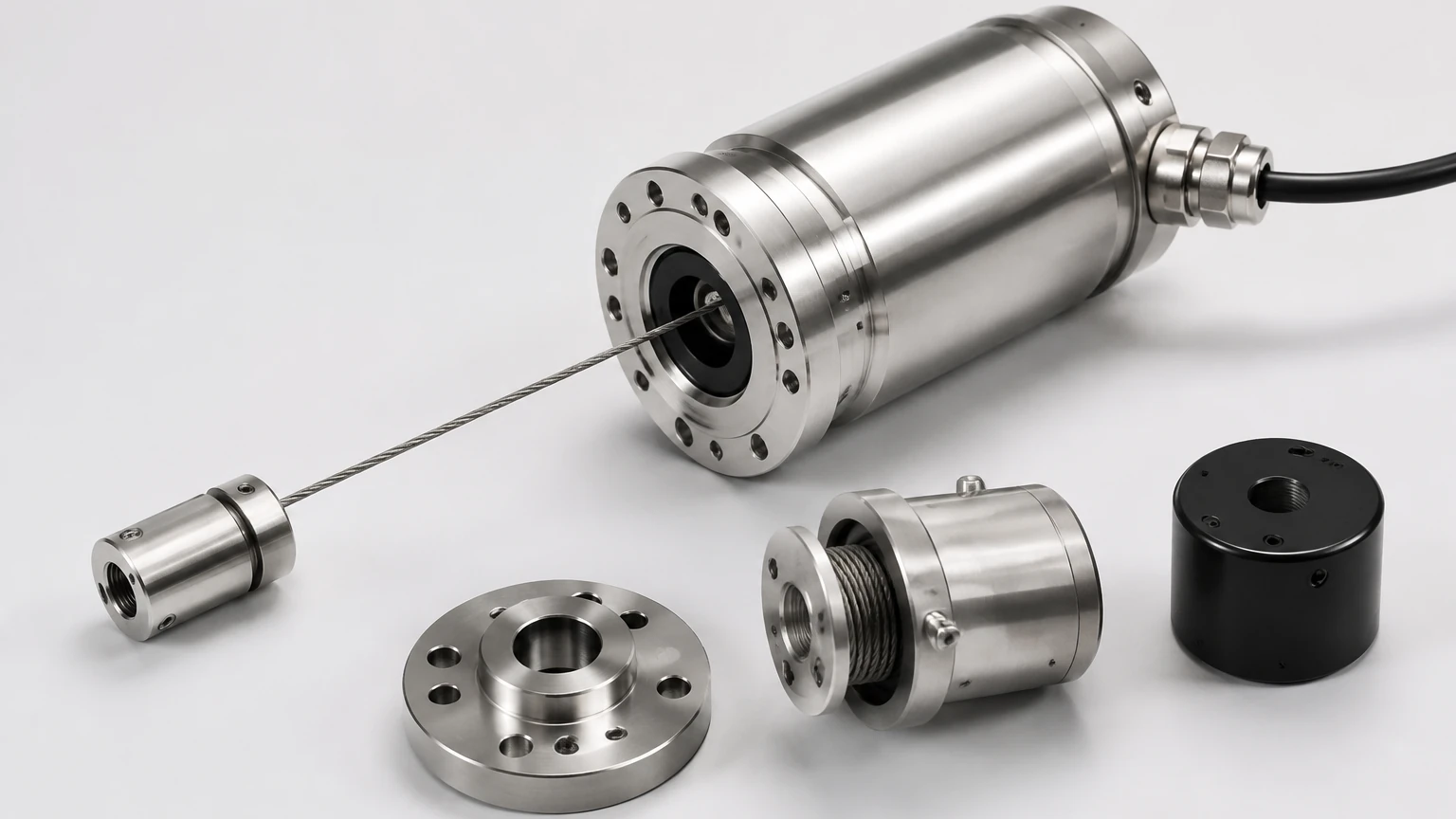
The fundamental principle of a retractable housing is the creation of an "isolation zone." The assembly typically consists of three main components: the process connection, the isolation valve (or seal), and the immersion tube.
1. Manual vs. Pneumatic Actuation
Retractable housings are generally categorized by their drive mechanism:
* Manual Retractable Housing: These are operated by hand, often using a threaded drive or a simple push-pull mechanism with a safety lock. They are cost-effective and suitable for processes where maintenance is performed infrequently (e.g., once a month).
* Pneumatic Retractable Housing: These utilize compressed air (typically 4 to 6 bar) to automate the insertion and retraction process. These are often integrated into a Distributed Control System (DCS) or PLC, allowing for scheduled automated cleaning cycles without manual intervention.
2. The Sealing Mechanism
To prevent process leakage during movement, high-performance O-rings or specialized packing glands are used. As the immersion tube moves, these seals maintain a tight interface. In advanced designs, a "rinse chamber" is included within the housing, allowing cleaning agents or water to be injected around the sensor head once it is retracted.
Key Evaluation Criteria for Selection
Selecting the correct retractable housing requires a detailed analysis of the process conditions and the physical requirements of the sensor. Failure to match the housing to the environment can lead to seal failure, mechanical seizing, or chemical corrosion.
Material Compatibility
The wetted parts of the retractable housing must be resistant to the process medium. Common materials include:
* Stainless Steel (316L/1.4404): The standard for water treatment and general chemical applications.
* Alloys (Hastelloy C22/C276): Used for highly aggressive acids or high-chloride environments.
* Plastics (PVDF/PTFE): Preferred for metal-free applications or highly corrosive low-pressure processes.
Pressure and Temperature Ratings
Standard retractable housings are often rated for pressures up to 10 bar (145 psi) and temperatures up to 140°C (284°F). However, high-pressure variants exist for specialized boiler or reactor applications. It is critical to verify that the housing can withstand the maximum possible surge pressure of the system, not just the nominal operating pressure.
Stroke Length and Immersion Depth
The stroke length determines how far the sensor can be inserted into the process. In large tanks or bypass pipes, a longer immersion depth (e.g., 200mm to 400mm) may be necessary to ensure the sensor is in a representative flow area, away from wall effects or stagnant zones.
Installation Guidelines and Orientation
Proper installation is the primary factor in determining the lifespan of the seals and the ease of operation. Engineers should consider the following during the design phase:
1. Orientation: While many housings can be installed in any orientation, a vertical or slightly inclined installation (at least 15° from the horizontal) is often preferred. This allows gravity to assist in draining the rinse chamber and prevents the accumulation of sediment around the seals.
2. Clearance: There must be sufficient physical space around the installation point to allow for the full retraction of the immersion tube and the removal of the sensor. For a housing with a 70mm stroke, at least 500mm of clearance is typically recommended for tool access and sensor handling.
3. Process Connection: Most industrial housings use standard flange connections (DN50, DN80) or threaded connections (G1¼", NPT). Ensure that the nozzle on the vessel is short enough to allow the sensor to reach the medium effectively.
Common Risks and Mitigation Strategies
Operating retractable housing involves inherent risks, primarily related to the accidental release of process fluids. Modern engineering designs incorporate several safety features to mitigate these risks:
* Blow-out Protection: Mechanical stops prevent the immersion tube from being ejected from the housing under process pressure if the drive mechanism fails.
* Position Sensing: In pneumatic models, limit switches or proximity sensors confirm that the probe is fully retracted before the cleaning cycle begins, or fully inserted before measurement starts.
* Seal Wear: The movement of the immersion tube eventually wears down the O-rings. Regular lubrication (if compatible with the process) and a scheduled replacement program are essential. Using "Scraper" rings can help remove debris from the tube before it reaches the primary seals.
* Media Entrapment: Small amounts of process fluid may be trapped in the dead space of the housing. If the fluid is hazardous, the rinse chamber must be connected to a secure drainage or neutralization system.
Comparative Selection Table
The following table provides a general comparison between different retractable housing configurations to assist in the initial selection process.
| Feature | Manual Threaded | Manual Push-Pull | Pneumatic Automated |
| :— | :— | :— | :— |
| Max Pressure | Up to 10 bar | Up to 6 bar | Up to 16 bar |
| Automation | None | None | Fully Integrable |
| Typical Material | 316L / PVDF | 316L | 316L / Hastelloy |
| Maintenance Frequency | Low | Low | High (Self-cleaning) |
| Safety Lock | Threaded Lock | Locking Pin | Pneumatic Interlock |
| Best Use Case | Small pipes, stable media | Water tanks | Chemical reactors, fouling media |
Frequently Asked Questions (FAQs)
Q: Can retractable housing be used with radar level meters?
A: While most commonly used for contact sensors like pH or level switches, specialized retractable housings can be used for small-diameter radar antennas in applications where the antenna face needs frequent cleaning or protection from extreme batch temperatures.
Q: How often should the seals be replaced?
A: This depends entirely on the abrasiveness and chemical nature of the process. In clean water applications, seals may last 12-24 months. In abrasive slurries or hot acids, they may require replacement every 3-6 months.
Q: Is it possible to retrofit a retractable housing to an existing tank?
A: Yes, provided there is an existing nozzle of sufficient diameter (typically DN50 or larger). If no nozzle is available, a hot-tap procedure or a scheduled shutdown for welding is required.
Q: What happens if the pneumatic air supply fails?
A: Most pneumatic housings are designed with a "fail-safe" position, typically using spring-return actuators to either fully retract or fully insert the probe, depending on the safety requirements of the specific process.
Conclusion
Retractable housing is an indispensable component for modern industrial facilities aiming for high uptime and safe maintenance practices. By allowing sensors to be serviced without process interruption, these systems protect both the delicate instrumentation and the personnel responsible for their upkeep. When selecting a housing, engineers must prioritize material compatibility, pressure ratings, and safety interlocks to ensure a seamless fit within their automation architecture.
For more information on integrating these solutions with advanced measurement technology, you can review product options and application support on our Main Page. Ensuring the right mechanical support for your level and process sensors is the first step toward a reliable, cost-effective industrial monitoring system.