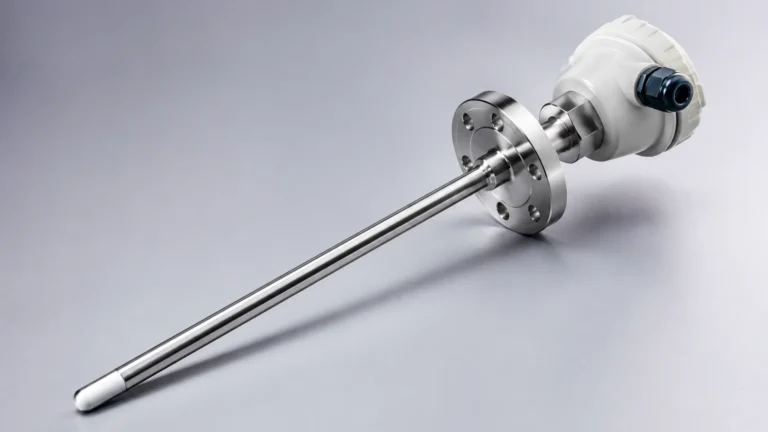
Cannabis Extraction Equipment
Cannabis Extraction Equipment
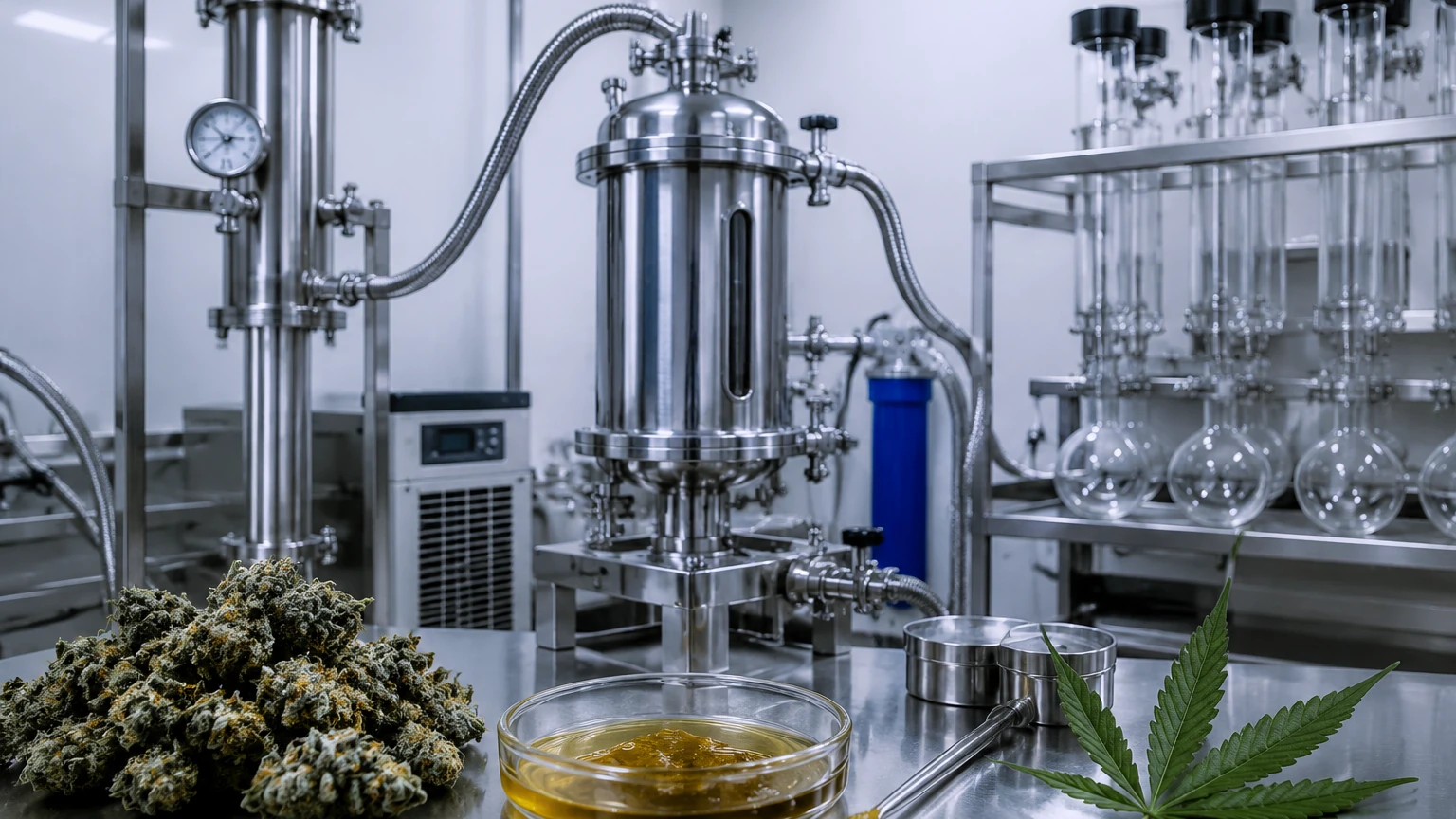
In the rapidly evolving landscape of botanical processing, cannabis extraction equipment has transitioned from small-scale laboratory setups to sophisticated industrial-scale systems. As the industry matures, the focus has shifted toward precision, safety, and repeatability. Central to the efficiency of these systems is the integration of high-accuracy instrumentation, particularly level measurement sensors, which ensure that solvents, oils, and waste products are managed with surgical precision. For engineers and facility managers, understanding the interplay between extraction hardware and measurement technology is essential for optimizing yield and maintaining safety standards.
Measurement Principles in Extraction Environments
Before selecting specific cannabis extraction equipment, it is vital to understand the physical principles governing the level measurement of the fluids involved. Extraction processes often utilize volatile solvents, high pressures, or extreme temperatures, each of which dictates the type of sensor technology required.
Radar Level Measurement (Time-of-Flight)
Radar level meters operate on the Time-of-Flight (ToF) principle. The sensor emits high-frequency microwave pulses (typically in the 80GHz range for modern industrial applications) that travel to the surface of the liquid and reflect back to the receiver. The distance is calculated based on the time interval between emission and reception. In cannabis extraction, non-contact radar is highly valued because it does not touch the product, preventing contamination and remaining unaffected by changes in pressure or temperature within the vessel.
Ultrasonic Level Measurement
Ultrasonic sensors function similarly to radar but use sound waves instead of electromagnetic waves. A transducer emits an ultrasonic pulse that bounces off the liquid surface. While cost-effective, ultrasonic sensors are sensitive to the vapor space composition. In solvent-heavy environments common in cannabis extraction, the speed of sound can change depending on the concentration of solvent vapors, potentially leading to inaccuracies unless compensated for.
Hydrostatic Level Measurement
This principle relies on the relationship between the height of a liquid and the pressure it exerts at the bottom of a tank. By measuring the head pressure, the system can calculate the level based on the fluid's density. Hydrostatic transmitters are frequently used in large-scale solvent storage tanks where the density remains relatively constant.
Key Components of Cannabis Extraction Equipment
Cannabis extraction equipment is generally categorized by the solvent used in the process. Each method presents unique challenges for level monitoring and process control.
1. Ethanol Extraction Systems
Ethanol is a popular solvent for high-volume production. The equipment typically includes chilled ethanol storage tanks, centrifugal extractors, and falling film evaporators. Level sensors are required to monitor the ethanol levels in storage and to manage the interface between the solvent and the biomass. Because ethanol is flammable, all instrumentation must meet specific explosion-proof ratings (e.g., ATEX or IECEx).
2. CO2 (Supercritical) Extraction Systems
CO2 extraction uses carbon dioxide under high pressure and temperature to reach a supercritical state. These systems require heavy-duty pressure vessels. Monitoring the level of liquid CO2 in the supply cylinders and the accumulation of extract in the collection vessels is critical. Due to the high pressures involved—often exceeding 70 bar (1,015 psi)—sensors must be rated for high-pressure environments and often utilize guided wave radar or high-pressure hydrostatic sensors.
3. Hydrocarbon (Butane/Propane) Extraction Systems
Hydrocarbon extraction is known for preserving terpenes but involves highly flammable gases. The equipment must be housed in Class 1, Division 1 (C1D1) environments. Level measurement here is focused on the solvent recovery tanks to ensure that the closed-loop system is balanced and that no overfilling occurs, which could lead to dangerous pressure spikes.
For a comprehensive look at the sensors integrated into these systems, professionals can visit the Main Page to review product options and application support.
Selection Criteria for Level Sensors
Choosing the right instrumentation for cannabis extraction equipment requires a comparison of technical specifications against the process requirements. The following table provides a general guide for technology selection:
| Technology | Best Application | Advantages | Limitations |
| :— | :— | :— | :— |
| 80GHz Radar | Solvent storage, extract collection | Non-contact, high precision, ignores foam | Higher initial cost |
| Ultrasonic | Water-based cleaning tanks | Low cost, easy installation | Affected by solvent vapors and foam |
| Hydrostatic | Large solvent bulk tanks | Reliable, measures mass/volume | Requires contact with fluid |
| Magnetic Level Gauge | External tank monitoring | Visual confirmation, no power needed | Mechanical parts can stick if oil is viscous |
Installation and Safety Considerations
When integrating level sensors into cannabis extraction equipment, several engineering factors must be addressed to ensure long-term reliability and safety.
* Hazardous Area Ratings: Most extraction rooms are classified as hazardous locations. Sensors must be intrinsically safe or explosion-proof. In the United States, this typically means C1D1 or C1D2 compliance.
* Sanitary Requirements: Since the end product is for human consumption, the equipment must often meet sanitary standards (such as 3A or EHEDG). This requires sensors with stainless steel (316L) housings and tri-clamp process connections to prevent bacterial growth and allow for Clean-in-Place (CIP) procedures.
* Vessel Geometry: Many extraction vessels are small or have internal agitators. High-frequency radar (80GHz) is preferred in these scenarios because it has a narrow beam angle, allowing it to avoid internal obstructions like baffles or cooling coils.
* Dielectric Constant: Radar sensors rely on the dielectric constant ($\\epsilon_r$) of the fluid. Many solvents used in extraction have low dielectric constants, which can make them "transparent" to low-frequency radar. Selecting a high-sensitivity sensor ensures reliable tracking of the liquid surface.
Limitations and Common Risks
While advanced cannabis extraction equipment is highly automated, there are inherent risks and limitations to be aware of:
1. Foaming: During the evaporation or decarboxylation stages, the oil can foam significantly. Ultrasonic sensors will often fail in these conditions as the foam absorbs the sound wave. Radar is generally more resistant but may still require specific tuning.
2. Viscosity Changes: As extracts are concentrated, their viscosity increases. This can cause issues for mechanical level switches or float-based systems, which may become stuck in the thick oil.
3. Vapor Clouds: Rapid evaporation creates dense vapor clouds. If using ultrasonic technology, the change in the medium's density can lead to measurement errors of up to 10-20% if not properly calibrated.
4. Pressure Spikes: In CO2 systems, sudden pressure drops can cause "dry ice" formation, which can coat sensor faces and obstruct readings.
Frequently Asked Questions (FAQs)
Q: Why is non-contact measurement preferred in cannabis extraction?
A: Non-contact measurement, such as that provided by radar, eliminates the risk of cross-contamination between batches and reduces maintenance requirements since there are no moving parts or surfaces in contact with the sticky resins.
Q: Can I use a standard water level sensor for ethanol?
A: No. Ethanol has a different density and dielectric constant than water. Furthermore, ethanol is flammable, requiring sensors with explosion-proof certifications that standard water sensors usually lack.
Q: How do I handle level measurement in a vessel with an agitator?
A: Use a radar sensor with a narrow beam angle and a fast update rate. Most modern radar sensors include software for "false echo suppression," which allows the sensor to ignore the moving agitator blades and focus solely on the liquid surface.
Q: What is the typical maintenance schedule for these sensors?
A: For non-contact sensors, maintenance is minimal, often limited to a visual inspection during routine vessel cleaning. For contact-based sensors like hydrostatic transmitters, periodic calibration is recommended to account for any drift in the pressure diaphragm.
Conclusion
The success of a cannabis extraction facility depends on the reliability of its cannabis extraction equipment. By integrating advanced level measurement technologies, operators can ensure consistent product quality, minimize solvent loss, and maintain a high standard of safety. Whether managing bulk ethanol storage or monitoring the precise accumulation of crude oil, selecting the correct measurement principle is a foundational step in industrial process design. For those seeking to upgrade their current systems or design new extraction lines, exploring the full range of industrial level meters at the Main Page is an excellent starting point for technical evaluation.