Dissolved Oxygen Sensor
Dissolved Oxygen Sensor
Dissolved oxygen (DO) is a critical parameter in various industrial, environmental, and process control applications. From ensuring the efficiency of biological wastewater treatment to maintaining the health of aquatic life in commercial aquaculture, the ability to measure the concentration of oxygen dissolved in a liquid is essential. A dissolved oxygen sensor is the primary tool used by engineers and plant operators to monitor these levels in real-time.
As a professional manufacturer of industrial measurement instruments, Welk provides high-precision solutions for process automation. While level measurement remains a core focus for many facility managers, integrating liquid analysis tools like a dissolved oxygen sensor into a comprehensive monitoring strategy is vital for operational success. This guide explores the measurement principles, selection criteria, and installation best practices for DO sensing technology.
Measurement Principles of Dissolved Oxygen Sensors
Before selecting a sensor, it is important to understand how these devices quantify oxygen levels. Most industrial dissolved oxygen sensors operate based on one of three primary technologies: polarographic, galvanic, or optical (luminescence-based).
1. Polarographic Sensors (Electrochemical)
Polarographic sensors, often referred to as Clark electrodes, consist of a cathode (usually gold or platinum) and an anode (silver) submerged in an electrolyte solution, separated from the process medium by a gas-permeable membrane.
A constant polarization voltage is applied to the electrodes. Oxygen molecules diffuse through the membrane and are reduced at the cathode, creating an electrical current. This current is directly proportional to the partial pressure of oxygen in the liquid. Because these sensors require an external voltage, they typically need a "warm-up" or polarization period of 15 to 60 minutes before they can provide stable readings.
2. Galvanic Sensors (Electrochemical)
Galvanic sensors operate on a similar principle to polarographic sensors but use different electrode materials (typically a lead anode and a silver or gold cathode) that create a self-polarizing potential. This means the sensor is "always on" and does not require a warm-up period.
While convenient for portable or intermittent use, galvanic sensors consume their anode material during the measurement process. Consequently, the lead anode eventually depletes, requiring the replacement of the sensor head or the entire probe, depending on the design.
3. Optical Sensors (Luminescence/Fluorescence)
Optical dissolved oxygen sensors represent the modern standard for many industrial applications. These sensors utilize a process known as "oxygen quenching." The sensor head contains a sensing element coated with a luminescent dye. An LED inside the sensor shines blue light onto the dye, causing it to fluoresce (emit red light).
When oxygen molecules come into contact with the dye, they "quench" the luminescence, reducing the intensity and the lifetime of the emitted red light. The sensor measures the phase shift or the decay time of the luminescence, which is inversely proportional to the concentration of oxygen. Unlike electrochemical sensors, optical sensors do not consume oxygen during measurement and require significantly less maintenance.
Key Evaluation Criteria for Selection
Choosing the right dissolved oxygen sensor requires an analysis of the specific process environment. Engineers should consider the following factors to ensure long-term reliability and accuracy.
Process Environment and Chemical Compatibility
In chemical processing or wastewater treatment, the presence of hydrogen sulfide (H2S), chlorine, or high-salinity brine can interfere with electrochemical sensors. Optical sensors are generally more resistant to chemical interference because they do not rely on a chemical reaction at an electrode surface. However, the housing material (316L stainless steel, PVC, or Titanium) must be compatible with the process fluid.
Maintenance and Calibration Frequency
Electrochemical sensors (polarographic and galvanic) require regular electrolyte replenishment and membrane replacement, as the membrane can become fouled or the electrolyte can dry out. Optical sensors typically only require a replacement of the sensor cap every 12 to 24 months. For remote installations or facilities with limited personnel, the lower maintenance burden of optical technology often justifies the higher initial investment.
Flow Requirements
Electrochemical sensors consume oxygen at the membrane surface. If the liquid is stagnant, the sensor will deplete the oxygen in the immediate vicinity, leading to artificially low readings. Therefore, electrochemical sensors require a minimum flow rate (usually 0.1 to 0.3 m/s). Optical sensors do not consume oxygen and can provide accurate readings in completely still water.
Practical Selection Table
| Feature | Polarographic | Galvanic | Optical (RDO) |
| :— | :— | :— | :— |
| Measurement Principle | External Polarization | Self-Polarizing | Luminescence Quenching |
| Warm-up Time | 15–60 Minutes | None | None |
| Maintenance Level | High (Electrolyte/Membrane) | High (Anode/Membrane) | Low (Sensor Cap) |
| Flow Sensitivity | High | High | None |
| H2S Sensitivity | High | High | Low |
| Initial Cost | Moderate | Low | High |
| Longevity | 1–3 Years | 1–2 Years | 5+ Years (Body) |
Installation Considerations
Proper installation is as critical as sensor selection. Even the most advanced dissolved oxygen sensor will fail if placed incorrectly within a tank or pipe.
1. Avoid Air Pockets and Bubbles: Sensors should not be installed directly above aeration diffusers or in areas where air can become trapped. Micro-bubbles sticking to the sensor membrane or optical window will cause erratically high DO readings.
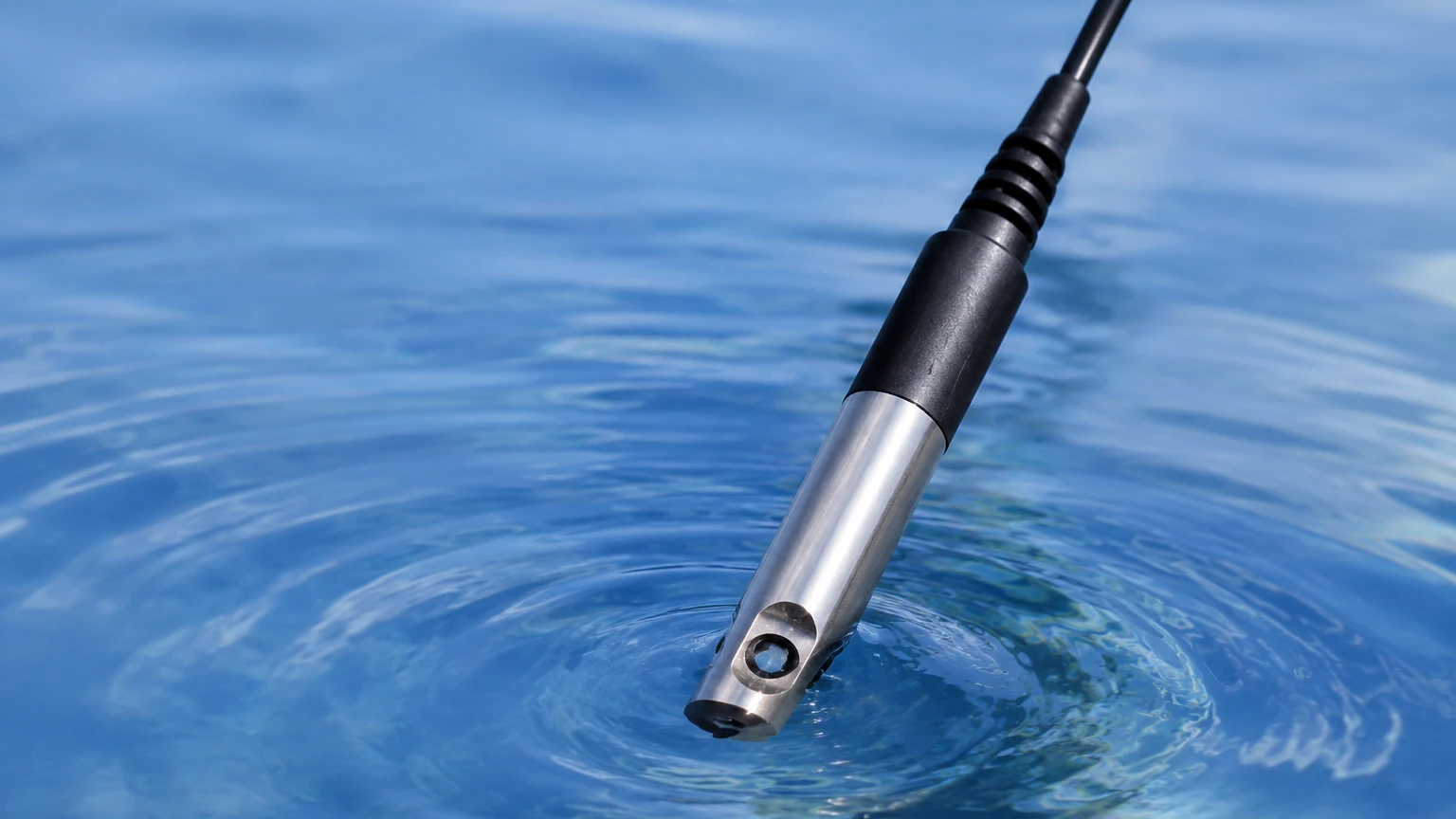
2. Submergence Depth: Ensure the sensor is deep enough to avoid surface turbulence but not so deep that it rests in the sludge layer at the bottom of a tank. For most aeration basins, a depth of 1 to 2 meters is standard.
3. Mounting Angle: Sensors should ideally be mounted at a 45-degree angle pointing downward. This prevents air bubbles from collecting on the sensor face and allows solids to slide off the sensing surface, reducing fouling.
4. Integration with Level Systems: In many water treatment plants, DO sensors are used in conjunction with level measurement tools. For instance, maintaining a specific water level is necessary to ensure the DO sensor remains submerged. You can explore integrated automation solutions on our Main Page.
Limitations and Common Risks
While modern sensors are robust, they are not infallible. Understanding their limitations prevents unexpected downtime.
* Biofouling: In biological processes, algae and bacterial films can grow on the sensor surface. This film acts as a barrier to oxygen diffusion and can consume oxygen itself, leading to inaccurate data. Integrated cleaning systems, such as compressed air blasts or mechanical wipers, are recommended for high-fouling environments.
* Pressure and Temperature Sensitivity: The solubility of oxygen is highly dependent on temperature and atmospheric pressure. Most industrial sensors include an internal thermistor for automatic temperature compensation (ATC). However, if the process pressure changes significantly (e.g., in a pressurized pipe), manual or automated pressure compensation must be configured in the transmitter.
* Salinity Interference: In seawater or brackish water applications, the presence of dissolved salts reduces the solubility of oxygen. If the sensor is calibrated in fresh water but used in salt water, the concentration (mg/L) reading will be incorrect unless a salinity correction factor is applied.
Frequently Asked Questions (FAQs)
Q: How often should I calibrate my dissolved oxygen sensor?
A: For electrochemical sensors, weekly or bi-weekly calibration is often necessary. Optical sensors are much more stable and may only require calibration every 3 to 6 months, depending on the stability of the process conditions.
Q: Can I use a DO sensor in a pipe?
A: Yes, but you must ensure the pipe is always full and that the flow velocity does not exceed the sensor's mechanical limits. Retractable housings (hot-tap assemblies) are often used to allow for sensor maintenance without shutting down the process line.
Q: What is the difference between % Saturation and mg/L?
A: % Saturation measures the partial pressure of oxygen relative to the maximum amount of oxygen that can dissolve in water at that specific temperature and pressure. mg/L (or ppm) measures the actual mass of oxygen per liter of liquid. Most industrial applications use mg/L for process control.
Q: Does the sensor work in non-aqueous liquids?
A: Most standard dissolved oxygen sensors are designed for water-based applications. Using them in oils or solvents may damage the membrane or the optical coating. Specialized sensors are required for non-aqueous fluids.
Conclusion
A dissolved oxygen sensor is a vital component in modern industrial process control, providing the data necessary to optimize aeration, protect equipment from corrosion, and ensure environmental compliance. By understanding the differences between electrochemical and optical technologies, engineers can select the most cost-effective and reliable solution for their specific needs.
For facility managers looking to enhance their overall process monitoring, combining liquid analysis with reliable level measurement is a best practice. For more information on industrial instrumentation and to explore our full range of measurement technologies, visit our Main Page. Ensuring that your sensors are correctly selected, installed, and maintained will result in higher process efficiency and lower long-term operational costs.