Ultra Mag Flow Meter
Ultra Mag Flow Meter
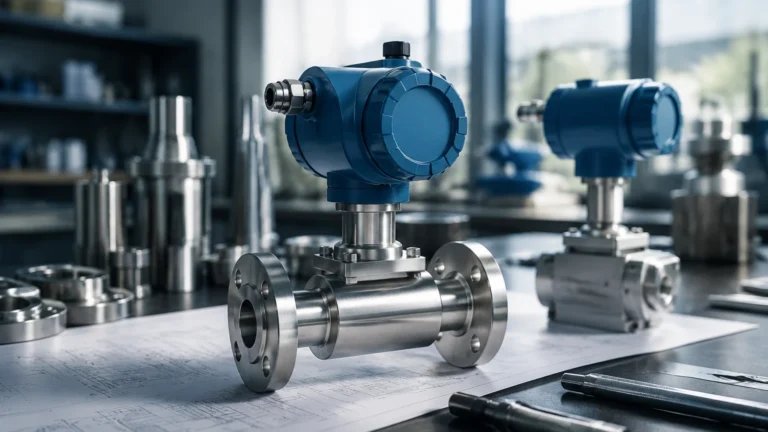
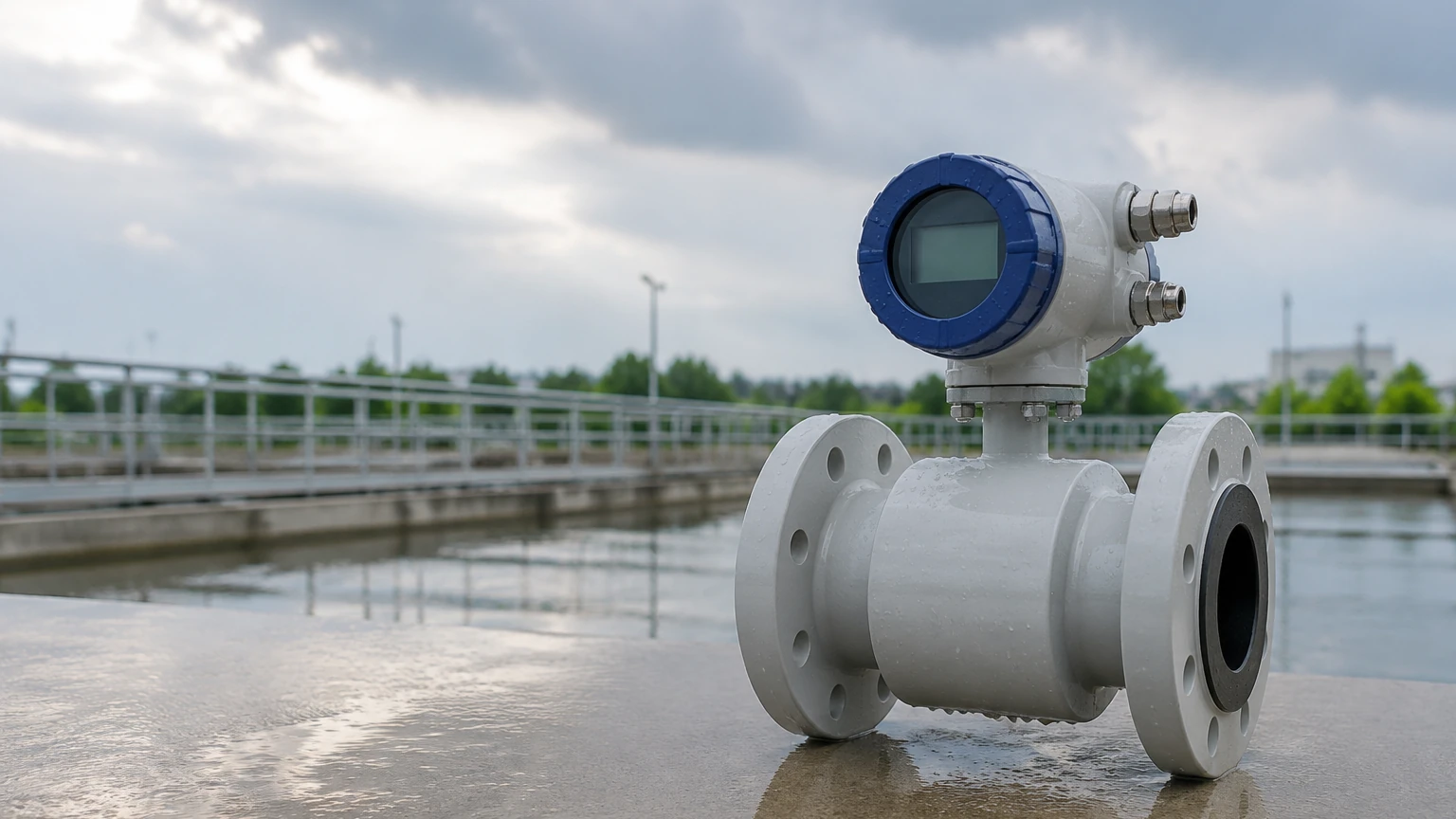
In the landscape of industrial process control, the electromagnetic flow meter, often referred to as a mag meter, stands as a cornerstone technology for measuring the volumetric flow of conductive liquids. The "ultra mag flow meter" category represents the high-performance tier of these instruments, engineered to provide superior accuracy, long-term stability, and the ability to handle challenging fluids that would compromise standard sensors. For engineers and facility managers, understanding the nuances of this technology is essential for optimizing water treatment, chemical processing, and industrial automation systems.
While level measurement—such as radar or ultrasonic sensors—tracks the volume of a medium within a vessel, flow measurement tracks the movement of that medium through the process piping. Together, these technologies provide a comprehensive view of plant efficiency. To explore a wide range of industrial instrumentation, including level and flow solutions, you can visit the Main Page for detailed product specifications.
Measurement Principle: Faraday’s Law of Induction
The operation of an ultra mag flow meter is rooted in Faraday’s Law of Electromagnetic Induction. This principle states that a conductor moving through a magnetic field produces an electrical voltage. In the context of a flow meter:
1. The Magnetic Field: The meter’s housing contains electromagnetic coils that, when energized, create a constant magnetic field across the cross-section of the pipe.
2. The Conductor: The conductive liquid flowing through the pipe acts as the moving conductor.
3. Voltage Generation: As the liquid moves through the magnetic field, a voltage ($E$) is induced. This voltage is directly proportional to the velocity ($v$) of the liquid, the strength of the magnetic field ($B$), and the distance between the electrodes ($D$), which corresponds to the pipe diameter.
The mathematical formula is expressed as:
$E = B \cdot v \cdot D$
Because the magnetic field strength and the pipe diameter are fixed constants, the induced voltage is a linear representation of the flow velocity. High-performance ultra mag flow meters utilize advanced digital signal processing (DSP) to filter out noise and provide stable readings even in turbulent flow conditions or when the fluid contains suspended solids.
Key Features of Ultra Mag Flow Meters
What distinguishes an "ultra" grade mag meter from standard commercial models is the integration of premium materials and sophisticated electronics designed for high-reliability environments.
Enhanced Accuracy and Rangeability
Standard magnetic flow meters typically offer an accuracy of ±0.5% of the flow rate. Ultra-high-performance models can achieve accuracies of ±0.2% or even ±0.1%. Furthermore, they offer a wide turndown ratio (often 100:1 or better), meaning they can accurately measure both very low and very high flow velocities, typically ranging from 0.1 m/s to 10 m/s.
Advanced Liner Materials
The internal liner of the meter is critical for both chemical compatibility and insulation. Ultra mag flow meters often utilize:
* PFA (Perfluoroalkoxy): Excellent for high-temperature and highly corrosive chemical applications.
* PTFE (Polytetrafluoroethylene): The industry standard for aggressive acids and bases.
* Hard Rubber or Polyurethane: Used for abrasive slurries and general water applications where mechanical wear is a concern.
Electrode Geometry and Materials
The electrodes are the only metallic parts in contact with the fluid. High-end meters offer a variety of materials, including 316L Stainless Steel, Hastelloy C, Tantalum, and Titanium, ensuring the meter can withstand the process medium without corroding. Some ultra models feature "bullet-nosed" or self-cleaning electrodes to prevent the buildup of fats, oils, or minerals that could insulate the sensor.
Technical Selection Criteria
Selecting the correct ultra mag flow meter requires a detailed analysis of the process conditions. The following table provides a general guideline for evaluating meter specifications based on common industrial requirements.
| Parameter | Requirement/Specification | Engineering Consideration |
| :— | :— | :— |
| Fluid Conductivity | Minimum 5 μS/cm | Mag meters cannot measure demineralized water or hydrocarbons. |
| Pipe Size | DN10 to DN2000 (1/2" to 80") | Match the meter size to the flow velocity, not necessarily the pipe size. |
| Process Temperature | -20°C to +150°C | Liner material (e.g., PFA) must be rated for the peak temperature. |
| Pressure Rating | PN10, PN16, PN40 | Ensure the flange rating meets or exceeds the system's maximum pressure. |
| Output Signals | 4-20mA, Pulse, Modbus, HART | Integration with PLC/SCADA systems for automated control. |
| Liner Type | PTFE, PFA, Neoprene | Chemical compatibility and abrasion resistance. |
Installation Considerations for Optimal Performance
Even the most advanced ultra mag flow meter will underperform if installed incorrectly. To maintain the stated accuracy, engineers must follow strict installation protocols.
Straight Pipe Runs
Flow profiles must be stable for accurate measurement. Standard practice requires a straight run of pipe equal to five times the pipe diameter (5D) upstream of the meter and two times the diameter (2D) downstream. However, some ultra mag flow meters with specialized coil configurations can operate with 0D upstream, allowing for installation directly after elbows or valves in space-constrained environments.
Grounding
Since the meter measures micro-volts of induced electricity, electrical noise can easily interfere with the signal. Proper grounding is mandatory. This usually involves connecting the meter's grounding lugs to the process piping (if metal) or using grounding rings (if the piping is plastic or lined).
Full Pipe Requirement
The meter must always be completely full of liquid. If the pipe is only partially full, the meter will over-read or provide erratic data. For this reason, meters are often installed in a "U" shaped section of piping or on a vertical rise where the flow moves upward, ensuring the sensor remains submerged.
Mounting Orientation
* Horizontal: The electrodes should be positioned horizontally (at the 3 o'clock and 9 o'clock positions) to prevent air bubbles at the top or sediment at the bottom from interfering with the signal.
* Vertical: Flow should ideally move upward to ensure a full pipe and consistent density.
Applications in Process Industries
Ultra mag flow meters are versatile tools used across various sectors where precision and longevity are non-negotiable.
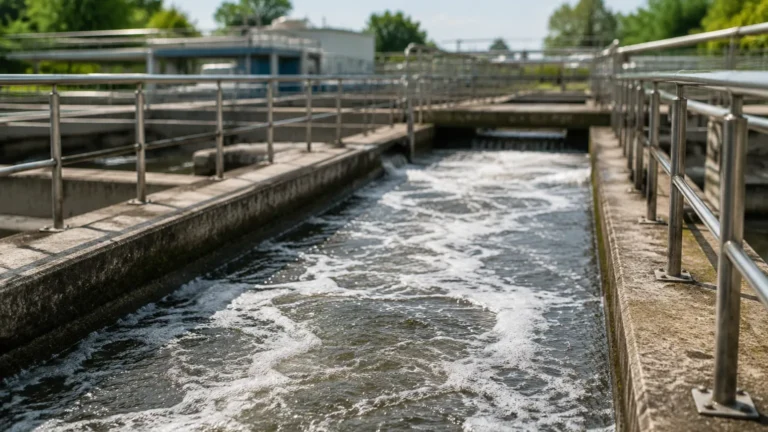
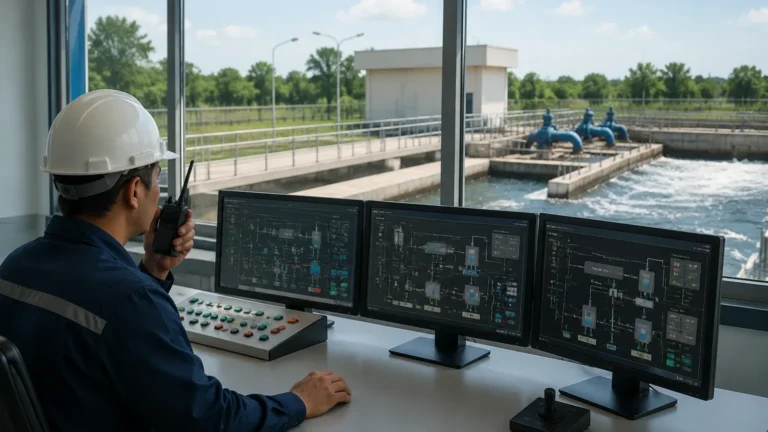
1. Water and Wastewater Treatment: Measuring influent, effluent, and chemical dosing (such as sodium hypochlorite or alum). The lack of moving parts makes them ideal for water containing debris or biological solids.
2. Chemical and Petrochemical: Handling aggressive reagents, acids, and caustic solutions. The choice of PFA liners and Tantalum electrodes allows for safe measurement in highly volatile environments.
3. Food and Beverage: Sanitary versions with Tri-clamp fittings and FDA-approved liners are used for milk, juice, and beer production, where Clean-in-Place (CIP) processes are required.
4. Mining and Slurry: Specialized heavy-duty liners are used to measure the flow of abrasive ore slurries, where mechanical meters would fail within weeks due to erosion.
Limitations and Prohibitions
While the ultra mag flow meter is a robust instrument, it is not a universal solution. It is important to recognize its factual boundaries:
* Non-Conductive Fluids: Magnetic flow meters cannot measure oils, diesel, distilled water, or gases. These fluids do not have the necessary ions to generate a voltage in a magnetic field.
* Vacuum Conditions: Some liners, particularly PTFE, can collapse or be pulled away from the housing under high vacuum conditions. If the process involves vacuum, a reinforced PFA liner or a specific vacuum-resistant design must be specified.
* High Solid Content: While mag meters handle slurries well, extremely high concentrations of magnetic solids (like magnetite) can interfere with the magnetic field and cause measurement errors.
Maintenance and Troubleshooting
Because there are no moving parts in the flow stream, maintenance for an ultra mag flow meter is minimal. However, periodic checks are recommended to ensure long-term reliability.
* Electrode Coating: In applications involving fats or minerals, electrodes may become coated over time. Many ultra meters include diagnostic features that monitor electrode impedance and alert the operator if cleaning is required.
* Zero-Point Calibration: Periodically, the meter should be checked under "zero flow" conditions (with a full pipe and valves closed) to ensure the electronics are not drifting.
* Insulation Resistance: Testing the resistance between the coils and the housing can identify if moisture has entered the electronics enclosure, which is a common cause of failure in outdoor or wash-down environments.
Frequently Asked Questions (FAQs)
Q: Can an ultra mag flow meter measure flow in both directions?
A: Yes, most modern electromagnetic flow meters are inherently bi-directional. They can be configured to provide separate totals for forward and reverse flow, which is useful in applications like reservoir management or complex piping loops.
Q: What is the minimum conductivity required?
A: Most industrial mag meters require a minimum fluid conductivity of 5 μS/cm. Some specialized "ultra" models can work down to 1 or 2 μS/cm, but they are not suitable for hydrocarbons or pure deionized water.
Q: How long do these meters typically last?
A: With no moving parts to wear out, a properly specified mag meter can last 10 to 20 years. The primary failure points are liner wear in abrasive applications or electronic failure due to environmental moisture ingress.
Q: Do I need to recalibrate the meter every year?
A: While many regulatory bodies (especially in water billing) require annual calibration, the electronic stability of ultra mag flow meters often allows for longer intervals. Many units now feature "built-in verification" which checks the health of the coils and circuitry without removing the meter from the line.
Conclusion
The ultra mag flow meter is an indispensable tool for modern industrial fluid management. By leveraging Faraday's Law with high-grade materials and advanced diagnostics, these instruments provide the accuracy and reliability required for critical process control. When selecting a meter, engineers must balance the chemical properties of the fluid with the physical constraints of the installation site. For those seeking comprehensive solutions in level and flow measurement, visiting the Main Page offers access to expert technical support and a wide range of instrumentation designed for global industrial standards.