Ph Machine
Ph Machine
In the landscape of industrial process control, a pH machine—more technically referred to as a pH meter or analyzer—is an indispensable tool for monitoring the acidity or alkalinity of aqueous solutions. Whether in wastewater treatment, chemical manufacturing, or food and beverage production, the precise measurement of hydrogen-ion activity is critical for maintaining product quality, ensuring regulatory compliance, and protecting expensive infrastructure from corrosion.
While a pH machine focuses on the chemical composition of a liquid, it rarely operates in isolation. In most industrial settings, chemical analysis is paired with physical monitoring, such as level measurement. Understanding how these systems integrate is essential for engineers and plant managers who require a comprehensive overview of their storage tanks and processing vessels.
Understanding the Industrial pH Machine: Principles and Components
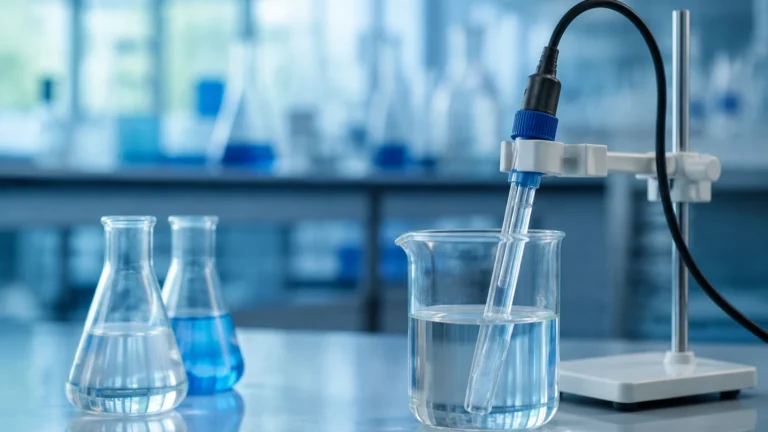
An industrial pH machine is a sophisticated electronic instrument designed to convert the electrochemical potential of a solution into a readable pH value, typically ranging from 0 to 14. Unlike basic laboratory models, industrial-grade machines are built to withstand harsh environments, including high temperatures, high pressures, and corrosive chemical backgrounds.
Core Components
1. The pH Electrode (Sensor): The heart of the machine, usually a glass electrode that is sensitive to hydrogen ions. It generates a small voltage proportional to the pH of the liquid.
2. The Reference Electrode: Provides a stable, known potential against which the measuring electrode is compared.
3. The Transmitter/Analyzer: This component amplifies the millivolt signal from the electrodes and converts it into a standard industrial output, such as a 4-20mA signal or a digital protocol like Modbus or HART.
4. Temperature Compensator: Since pH values are temperature-dependent, most modern machines include a PT100 or PT1000 temperature sensor to provide automatic temperature compensation (ATC).
Measurement Principles: The Science of pH Detection
The operation of a pH machine is based on the Nernst Equation. When the glass membrane of the pH electrode comes into contact with an aqueous solution, an electric potential develops. This potential is created by the exchange of hydrogen ions between the solution and the hydrated gel layer of the glass membrane.
At a neutral pH of 7.0, the potential difference is zero millivolts (mV). As the solution becomes more acidic (lower pH), the concentration of hydrogen ions increases, creating a positive potential. Conversely, as the solution becomes more alkaline (higher pH), the potential becomes negative. A standard pH machine expects a change of approximately 59.16 mV per pH unit at 25°C.
Because the voltage generated is extremely small and the impedance of the glass electrode is exceptionally high, the machine must have a high-input impedance amplifier to prevent signal degradation. This is why industrial installations often require specialized low-noise cabling and pre-amplifiers if the distance between the sensor and the transmitter exceeds a few meters.
Selection Criteria for Industrial pH Machines
Choosing the correct pH machine requires an evaluation of the specific process conditions. A mismatch between the sensor type and the liquid environment can lead to rapid sensor failure or inaccurate readings.
Selection Table: Sensor Types and Applications
| Feature | General Purpose | High Temperature | Chemical Resistant (HF) | Low Conductivity |
| :— | :— | :— | :— | :— |
| Max Temperature | 80°C | 130°C | 60°C | 70°C |
| Max Pressure | 6 bar | 10 bar | 5 bar | 2 bar |
| Best Use Case | Water treatment, cooling towers | Sterilization (SIP), steam cleaning | Etching processes, semiconductor | Ultrapure water, condensate |
| Reference System | Gel-filled (Standard) | Solid polymer or pressurized | Specialized glass | Liquid electrolyte (Refillable) |
When selecting a system, engineers must also consider the mounting requirements. Sensors can be installed via immersion (in open tanks), inline (via flow cells), or through retractable assemblies that allow for sensor removal without stopping the process flow.
Integration of pH and Level Measurement in Process Control
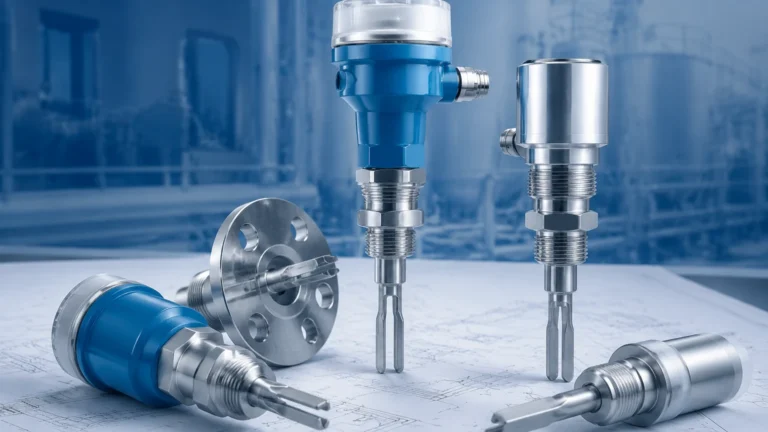
In practical engineering, a pH machine is often the "partner" to a level measurement device. For instance, in a neutralization tank, a level transmitter (such as an ultrasonic or radar level meter) ensures the tank does not overflow, while the pH machine controls the dosing pumps that add acid or caustic agents.
Welk provides a wide array of industrial level measurement instruments that complement chemical analysis systems. For those designing integrated control loops, reviewing the technical specifications of radar level meters or hydrostatic transmitters is a vital step. You can Review product options and application support on our Main Page to see how level sensors can be synchronized with chemical analyzers to automate tank management.
Why Level Matters for pH Probes
One critical reason to integrate these technologies is probe protection. pH sensors must remain hydrated to function. If a tank level drops below the installation point of the pH probe, the sensor membrane will dry out, leading to permanent damage or the need for extensive reconditioning. A level switch or continuous level sensor can be programmed to provide an interlock, ensuring the pH machine is only active when the sensor is fully submerged.

Installation and Maintenance Guidelines
To ensure the longevity of a pH machine, strict adherence to installation best practices is required.
Installation Considerations
* Angle of Installation: pH electrodes should typically be installed at an angle of at least 15° above the horizontal. This ensures that the internal electrolyte stays in contact with the glass membrane and prevents air bubbles from being trapped in the sensor tip.
* Flow Velocity: In inline applications, the flow should be fast enough to prevent sediment buildup on the sensor but not so fast that it causes "streaming potentials" or physical erosion of the glass.
* Grounding: Proper grounding of the liquid and the transmitter is essential to prevent ground loops, which are a common cause of erratic pH readings in industrial plants.
Maintenance and Calibration
Unlike level meters, which are often "set and forget" devices, a pH machine requires regular calibration.
1. Two-Point Calibration: This should be performed using certified buffer solutions (usually pH 4.0, 7.0, or 10.0). This process accounts for changes in the sensor's "slope" and "offset."
2. Cleaning: If the sensor becomes fouled with oils, scale, or biological growth, it must be cleaned with appropriate agents (e.g., dilute HCl for scale or detergent for oils) before calibration.
3. Storage: When not in use, probes should be stored in a storage solution (typically 3M KCl) to keep the glass membrane hydrated.
Common Challenges and Troubleshooting
Even the highest-quality pH machine can encounter issues in the field. Recognizing these early can prevent process downtime.
* Slow Response Time: Often caused by a coating on the glass membrane or a clogged reference junction. Cleaning usually resolves this.
* Drifting Readings: This can indicate a depleted reference electrolyte or a ground loop. Check the cabling and ensure the reference junction is not contaminated.
* Fixed Reading (e.g., always 7.0): This usually signifies a cracked glass membrane, which creates a short circuit. The sensor must be replaced.
* Temperature Errors: If the pH value fluctuates wildly when the process temperature changes, the temperature compensator may be faulty or incorrectly wired.
Frequently Asked Questions (FAQ)
Q: How often should I calibrate my pH machine?
A: This depends on the process. In stable water treatment applications, once a month may suffice. In aggressive chemical processes, daily or weekly calibration might be necessary.
Q: Can I use a pH machine to measure the pH of non-aqueous solutions?
A: Standard pH electrodes require water to function. Measuring pH in oils or pure alcohols requires specialized electrodes with low-resistance glass and non-aqueous electrolytes.
Q: What is the lifespan of an industrial pH sensor?
A: In clean water applications, a sensor can last 1 to 2 years. In harsh chemical environments or at high temperatures, the lifespan may be as short as 3 to 6 months.
Q: How does pressure affect the pH machine?
A: High process pressure can force the process liquid into the reference junction, contaminating the reference electrolyte (poisoning). In these cases, a pressurized reference system or a solid-polymer electrolyte sensor is required.
By understanding the mechanical and chemical requirements of a pH machine, engineers can ensure more reliable data and longer instrument life. When combined with robust level measurement solutions found on our Main Page, process automation becomes significantly more efficient and safer for the entire facility.