Ph Monitoring System
Ph Monitoring System
In industrial process control, the accurate measurement of liquid properties is essential for ensuring product quality, environmental compliance, and equipment longevity. A pH monitoring system serves as a critical component in this landscape, providing real-time data on the acidity or alkalinity of aqueous solutions. While level measurement instruments, such as those found on the Main Page of industrial instrumentation providers, manage the volume and inventory of fluids, pH systems manage the chemical state of those fluids. This article explores the technical principles, system components, selection criteria, and installation best practices for industrial pH monitoring.
Fundamental Principles of pH Measurement
The term pH stands for "potential of hydrogen," representing the activity of hydrogen ions in a solution. Mathematically, it is the negative logarithm (base 10) of the hydrogen ion concentration. An industrial ph monitoring system typically utilizes the potentiometric measurement method, which involves measuring the voltage difference between two electrodes immersed in the process liquid.
The Electrochemical Cell
A standard pH measurement loop consists of a measuring electrode (usually a glass electrode) and a reference electrode.
1. Measuring Electrode: This electrode features a specialized pH-sensitive glass membrane. When in contact with an aqueous solution, a hydrated gel layer forms on both the inside and outside of the glass. Hydrogen ions from the process liquid migrate into the outer gel layer, creating a potential difference relative to the internal buffer solution (typically pH 7).
2. Reference Electrode: To measure the potential change at the glass electrode, a stable reference point is required. The reference electrode provides a constant potential, independent of the pH of the solution. It usually contains a silver/silver chloride (Ag/AgCl) element in a concentrated potassium chloride (KCl) electrolyte.
3. The Nernst Equation: The relationship between the measured voltage (millivolts) and the pH value is governed by the Nernst equation. At 25°C (77°F), a change of one pH unit corresponds to a change of 59.16 mV. Because this relationship is temperature-dependent, modern systems incorporate Automatic Temperature Compensation (ATC) to ensure accuracy across varying process temperatures.
Components of an Industrial pH Monitoring System
A complete ph monitoring system is comprised of several integrated hardware components designed to withstand harsh industrial environments.
1. pH Sensors (Electrodes)
Sensors are the primary interface with the process. In industrial settings, "combination electrodes" are common, where both the measuring and reference elements are housed in a single body. These may be constructed from glass, epoxy, or Ryton (PPS) depending on the chemical compatibility and physical demands of the application.
2. Transmitters and Analyzers
The transmitter receives the high-impedance millivolt signal from the sensor and converts it into a standardized output, such as 4-20mA, HART, or Modbus. It also provides the user interface for calibration, diagnostics, and local display. In advanced setups, these transmitters integrate with PLC or SCADA systems to automate chemical dosing pumps.
3. Sensor Housings and Mounting Hardware
To protect the fragile glass electrode, sensors are installed in specialized housings. Common types include:
* Immersion Housings: Used for open tanks or pits.
* Flow-through Cells: Used for bypass lines or small-diameter piping.
* Retractable (Hot-tap) Assemblies: Allow the sensor to be removed for cleaning or calibration without shutting down the process line.
4. Cables and Junction Boxes
Because pH signals are extremely high impedance, they are susceptible to electromagnetic interference (EMI) and moisture. Specialized low-noise coaxial cables are required to maintain signal integrity between the sensor and the transmitter.
Selection Criteria for pH Monitoring Systems
Choosing the right ph monitoring system requires a thorough analysis of the process conditions. Failure to account for chemical compatibility or physical stress can lead to frequent sensor failure and inaccurate readings.
| Criteria | Considerations | Impact on System |
| :— | :— | :— |
| Temperature | Operating range and fluctuations | Affects electrode slope and lifespan; requires ATC. |
| Pressure | Static and dynamic pressure in the line | High pressure may require pressurized reference electrodes. |
| Chemical Composition | Presence of HF, strong bases, or solvents | Determines the type of glass and body material needed. |
| Solids Content | Suspended solids, oils, or greases | Can coat or clog the reference junction; requires flat-surface sensors. |
| Conductivity | Low conductivity (pure water) | Requires specialized low-impedance glass and high-flow junctions. |
| Installation Site | Accessibility for maintenance | Influences the choice of retractable vs. fixed housings. |
Integration with Level Measurement in Process Control
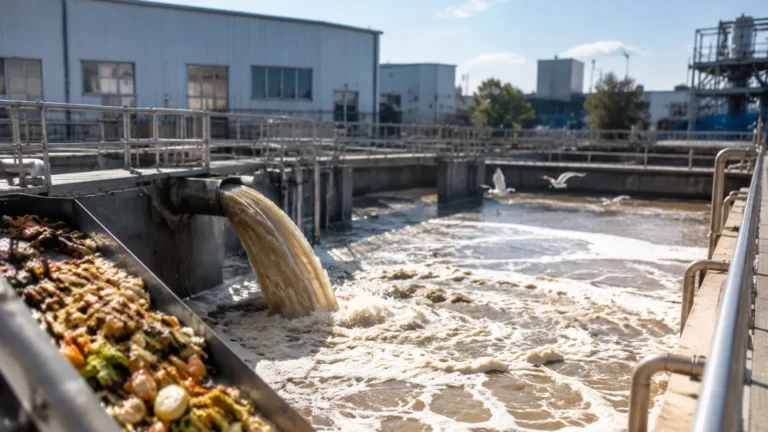
In many industrial applications, pH monitoring and level measurement are intrinsically linked. For example, in a wastewater neutralization tank, a ph monitoring system provides the chemical data necessary to dose acids or bases, while an ultrasonic or radar level meter ensures the tank does not overflow and that there is sufficient volume for the reaction to occur.
Synergistic Applications
* Chemical Storage Tanks: While level transmitters monitor inventory, pH sensors can detect leaks or contamination if the stored chemical reacts with moisture or secondary containment fluids.
* Batch Processing: In pharmaceutical or food production, level sensors track the addition of ingredients by volume, while pH sensors verify that the chemical reaction has reached the desired endpoint.
* Cooling Towers: Level switches maintain water levels, while pH and conductivity sensors control blowdown and chemical treatment to prevent scaling and corrosion.
By integrating these two measurement parameters, plant operators can achieve a more holistic view of their process automation, leading to higher efficiency and reduced waste.

Installation Guidelines and Best Practices
Proper installation is paramount for the reliability of a ph monitoring system. Even the most advanced sensor will fail if placed in a location with poor representative flow or excessive physical stress.
Sensor Placement
1. Representative Sample: The sensor must be placed where the process liquid is well-mixed. Avoid "dead zones" in tanks or areas immediately downstream of a chemical injection point where the reaction is incomplete.
2. Stay Wet: pH electrodes must remain hydrated. If a sensor dries out, the hydrated gel layer on the glass collapses, and the sensor may be permanently damaged. In piping, install sensors in a "U-trap" or at the bottom of a horizontal pipe to ensure they remain submerged during pump shutdowns.
3. Orientation: Most glass pH electrodes must be installed at an angle of at least 15° above the horizontal. This prevents air bubbles from being trapped inside the electrode bulb, which would break the internal electrical circuit.
Grounding and Interference
Industrial environments are often filled with electrical noise from motors and VFDs. Ensure that the ph monitoring system is properly grounded. In some cases, a solution ground (a metal pin in the sensor body) is used to eliminate ground loop currents that can cause erratic readings.
Maintenance, Calibration, and Troubleshooting
Unlike level meters, which may operate for years with minimal intervention, a ph monitoring system requires regular maintenance due to the consumable nature of the electrochemical sensors.
Calibration Procedures
Calibration should be performed using certified buffer solutions (usually pH 4.01, 7.00, and 10.01).
* Two-Point Calibration: This is the standard method. The "offset" is determined at pH 7, and the "slope" is determined using a second buffer (4 or 10).
* Frequency: The frequency of calibration depends on the process. In clean water, monthly calibration may suffice; in aggressive chemical processes, weekly or even daily calibration might be necessary.
Cleaning the Sensor
Contamination of the glass membrane or the reference junction is the most common cause of measurement error.
* Alkaline Scale: Clean with 5% Hydrochloric Acid (HCl).
* Oil and Grease: Clean with a mild detergent or isopropyl alcohol.
* Proteins: Clean with a mixture of HCl and pepsin.
Troubleshooting Common Issues
* Slow Response: Usually indicates a coated or aging glass membrane.
* Drift: Often caused by a contaminated reference junction or a depleted electrolyte.
* Fixed Reading (e.g., always pH 7): This typically indicates a cracked glass membrane, creating a short circuit.
Limitations of pH Monitoring Systems
While highly effective, users must be aware of the inherent limitations of potentiometric pH measurement:
1. Temperature Limits: Standard electrodes are generally limited to 100°C (212°F). Specialized sensors are required for high-temperature or steam-sterilization applications.
2. Chemical Attack: Hydrofluoric acid (HF) will dissolve the glass membrane. For these applications, non-glass (ISFET) sensors or specialized HF-resistant glass must be used.
3. Lifespan: A pH sensor is a consumable item. In typical industrial use, an electrode lasts between 6 to 18 months. Factors like high temperature, extreme pH, and frequent pressure cycling will shorten this lifespan.
Frequently Asked Questions (FAQ)
Q: Can I use a pH sensor in non-aqueous solutions?
A: Standard pH sensors require water to form the hydrated gel layer on the glass. In non-aqueous solutions (like pure oils or alcohols), the readings will be unstable and potentially meaningless unless specialized solvent-resistant sensors and electrolytes are used.
Q: What is the difference between pH and ORP?
A: While a ph monitoring system measures hydrogen ion activity, an Oxidation-Reduction Potential (ORP) system measures the overall tendency of a solution to gain or lose electrons. ORP sensors use a noble metal (like platinum) instead of a glass membrane.
Q: How far can the sensor be from the transmitter?
A: With standard high-impedance cables, the distance is typically limited to 10-15 meters (33-49 feet). For longer distances, a pre-amplifier must be used at the sensor head or a digital sensor (which converts the signal to a digital format at the source) should be employed.
Q: Why does my pH reading change when the temperature changes, even with ATC?
A: ATC corrects for the change in the electrode's sensitivity (the Nernstian slope). However, it does not correct for the actual chemical change in the liquid's pH caused by temperature, which is a property of the fluid itself. This is known as the solution's temperature coefficient.
By understanding these technical nuances and selecting the appropriate hardware, engineers can implement a robust ph monitoring system that complements their level measurement and other process control instrumentation, ensuring reliable and safe industrial operations.