Ammonium Sensor
Ammonium Sensor
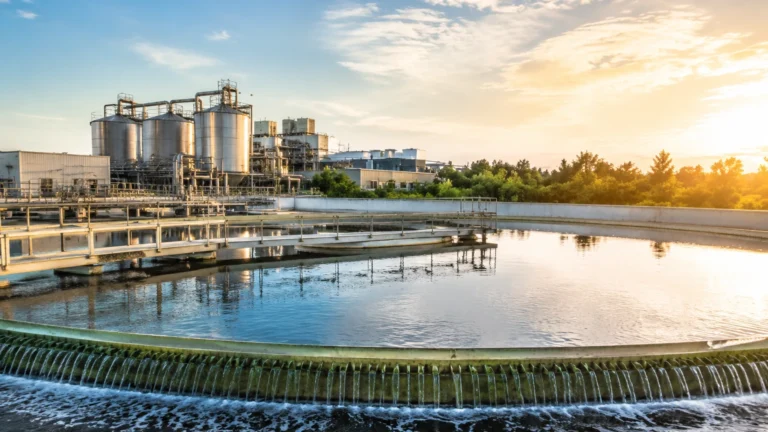
In industrial water treatment and process automation, the ammonium sensor is a critical component for monitoring nitrogen levels. Ammonium ($NH_4^+$) is a byproduct of organic decomposition and industrial processes, and its concentration must be strictly controlled to meet environmental regulations and maintain process efficiency. This guide provides a technical overview of ammonium sensing technologies, selection criteria, and installation strategies for engineers and plant operators.
Principles of Ammonium Measurement
Before selecting an ammonium sensor, it is essential to understand the two primary measurement principles used in industrial environments: Ion-Selective Electrodes (ISE) and Colorimetric (reagent-based) analysis.
Ion-Selective Electrode (ISE) Technology
ISE technology is the most common method for continuous, in-situ ammonium monitoring. An ISE sensor functions similarly to a pH probe but is designed with a membrane specifically sensitive to ammonium ions. When the sensor is submerged in the process liquid, a potential difference is generated across the membrane, which is proportional to the logarithm of the ammonium ion activity. This relationship is defined by the Nernst equation.
Key components of an ISE ammonium sensor include:
* Ammonium Ion Electrode: The sensing element with a selective membrane.
* Reference Electrode: Provides a stable signal against which the sensing electrode is measured.
* Compensation Electrodes: Most industrial ISE sensors include a potassium ($K^+$) electrode to compensate for ionic interference and a pH/temperature probe to account for the equilibrium between ammonium ($NH_4^+$) and ammonia ($NH_3$).
Colorimetric Analysis
Colorimetric analyzers are automated laboratory-style instruments that take a sample of the process water and mix it with specific reagents (such as the Nessler reagent or the Phenate method). The reaction produces a color change, the intensity of which is measured photometrically to determine the ammonium concentration. While highly accurate, these systems are typically more complex and require a continuous supply of chemicals.
Key Selection Criteria for Industrial Ammonium Sensors
Choosing the right ammonium sensor requires balancing accuracy requirements against maintenance capabilities and environmental conditions. Engineers should evaluate the following factors:
Measurement Range and Sensitivity
Standard industrial sensors typically cover a range from 0.1 mg/L to 1,000 mg/L. For municipal wastewater treatment, sensors optimized for low-range detection (0.1–50 mg/L) are preferred for effluent monitoring, while higher-range sensors are used in influent or aeration tanks.
Interference Resistance
Potassium ions ($K^+$) are the primary interferent for ammonium ISE sensors because they have a similar ionic radius and charge. A high-quality sensor must include an integrated potassium compensation electrode to maintain accuracy in varying water chemistries. Additionally, the presence of oils, fats, and greases can coat the membrane, necessitating robust cleaning mechanisms.
Response Time
For real-time process control, such as controlling aeration blowers in a wastewater plant, a fast response time is vital. ISE sensors provide nearly instantaneous readings (T90 < 60 seconds), whereas colorimetric analyzers may have a delay of 5 to 15 minutes due to the sampling and reaction cycle.
Comparison Table: ISE vs. Colorimetric Systems
| Feature | ISE Ammonium Sensor | Colorimetric Analyzer |
| :— | :— | :— |
| Measurement Principle | Potentiometric (Membrane) | Photometric (Reagent) |
| Installation | Direct Immersion/In-line | Bypass/Cabinet Style |
| Response Time | < 60 seconds | 5–15 minutes |
| Maintenance Level | Low (Cleaning/Calibration) | High (Reagent replacement) |
| Accuracy | ±5% of reading | ±2% of reading |
| Initial Cost | Moderate | High |
| Operating Cost | Low | High (Consumables) |
Installation Best Practices
Proper installation is as important as the technology itself for ensuring reliable data. The following considerations apply to most industrial ammonium sensor deployments:
Positioning and Submersion
The sensor should be placed in an area with representative flow. Avoid stagnant zones where solids might settle, as well as areas with excessive turbulence that could introduce air bubbles onto the sensor face. For immersion installations, the probe should be submerged at a depth of at least 30 cm (approx. 12 inches) to avoid surface debris, but not so deep that it rests in the sludge layer at the bottom of the tank.
Automatic Cleaning Systems
In biological processes, biofilm growth (biofouling) is inevitable. To minimize manual maintenance, specify sensors equipped with automatic cleaning systems. Common methods include:
* Compressed Air Blast: Periodically clears debris and biofilm from the membrane.
* Mechanical Wipers: Physically brush the sensor face (more common in optical or turbidity sensors, but available for some ISE designs).
* Water Flush: Uses a high-pressure water jet to clean the sensing area.
Temperature and pH Compensation
Ammonium ($NH_4^+$) exists in a temperature- and pH-dependent equilibrium with dissolved ammonia gas ($NH_3$). Most industrial sensors measure the ion ($NH_4^+$). If the process pH rises above 8.5, a significant portion of the ammonium converts to ammonia gas, which the ISE sensor cannot detect. Therefore, integrated pH and temperature sensors are mandatory for calculating "Total Ammonia Nitrogen" (TAN) accurately.

Limitations and Interference Factors
While modern ammonium sensors are robust, they have inherent limitations that must be managed:
1. Ionic Strength: Extreme changes in the total ionic strength of the water can affect the activity of the ammonium ions, leading to measurement errors.
2. Membrane Lifespan: ISE membranes are consumable parts. Depending on the harshness of the environment, they typically require replacement every 6 to 12 months.
3. Calibration Drift: Sensors will drift over time due to membrane aging and reference electrode depletion. Regular "matrix calibrations"—where the sensor reading is compared against a laboratory analysis of a grab sample—are necessary to maintain field accuracy.
Integration with Level Measurement Systems
In comprehensive industrial automation, chemical sensing is rarely performed in isolation. To accurately calculate the mass loading of ammonium in a tank or to manage dosing pumps, operators must also have precise data on the volume of liquid present. This is where high-quality level measurement instruments become indispensable.
For instance, in a sequencing batch reactor (SBR), an ammonium sensor informs the controller when the nitrification process is complete, while a radar or ultrasonic level transmitter ensures the tank does not overflow and manages the decanting phase. For a wide range of industrial level measurement solutions that complement water quality monitoring, you can Review product options and application support on our Main Page. Integrating reliable level data with ammonium concentration allows for sophisticated process control, reducing energy consumption in aeration and optimizing chemical usage.
Frequently Asked Questions (FAQ)
How often should an ammonium ISE sensor be calibrated?
In most municipal wastewater applications, a weekly check against a grab sample is recommended. If the deviation is greater than 10%, a matrix calibration should be performed. A full two-point calibration using standard solutions is typically done every 1–3 months or when the membrane is replaced.
Can ammonium sensors be used in saltwater?
Standard ISE sensors are highly sensitive to the high concentration of sodium and chloride ions in saltwater. For seawater or brackish water applications, specialized sensors with modified membranes or colorimetric analyzers are generally required to avoid massive interference.
What is the difference between $NH_4-N$ and $NH_4^+$?
$NH_4-N$ (Ammonium-Nitrogen) refers to the concentration of nitrogen that is present in the form of ammonium. $NH_4^+$ refers to the total mass of the ammonium ion. Most industrial regulations are written in terms of $NH_4-N$. To convert $NH_4-N$ to $NH_4^+$, multiply the value by 1.28.
Does freezing weather affect the sensor?
Yes. ISE sensors contain liquid electrolytes or gels that can be damaged if frozen. If the process is at risk of freezing, the sensor should be removed or the tank should be heated. During storage, sensors must be kept in a climate-controlled environment with the protective caps filled with the recommended storage solution.
Conclusion
The ammonium sensor is a vital tool for modern process industries, enabling precise control over nitrogen removal and chemical dosing. By understanding the differences between ISE and colorimetric technologies and implementing a rigorous maintenance and calibration schedule, facilities can ensure long-term accuracy and regulatory compliance. When paired with reliable level measurement from the Main Page, these sensors provide the data necessary for fully optimized industrial automation.