Ultrasonic Level Sensor Mercedes
Understanding Ultrasonic Level Measurement: From Automotive Precision to Industrial Scale
In the realm of fluid management, precision is the cornerstone of operational efficiency and safety. Whether monitoring the oil levels in a high-performance vehicle or managing chemical stocks in a processing plant, ultrasonic technology has become a preferred solution. This article explores the engineering principles behind this technology, focusing on the specialized applications of the ultrasonic level sensor mercedes utilizes in automotive engineering, and how these principles translate to high-capacity Ultrasonic Level Meters used in global industrial automation.
The Physics of Ultrasonic Level Measurement
Before selecting a sensor for a specific application, it is essential to understand the underlying measurement principle. Ultrasonic level sensors operate on the "Time of Flight" (ToF) principle.
How It Works
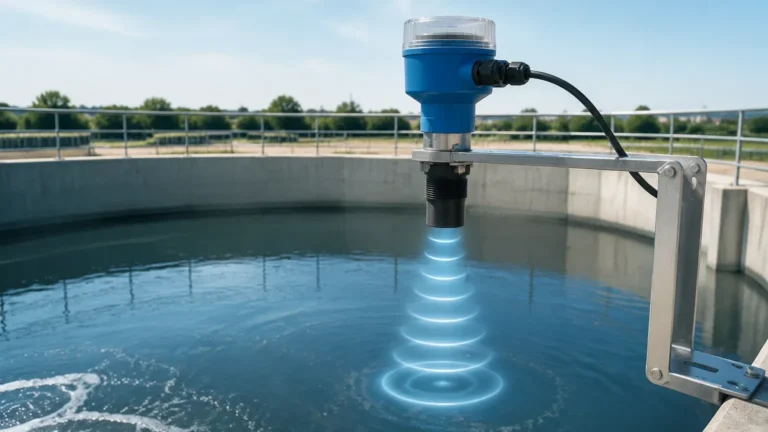
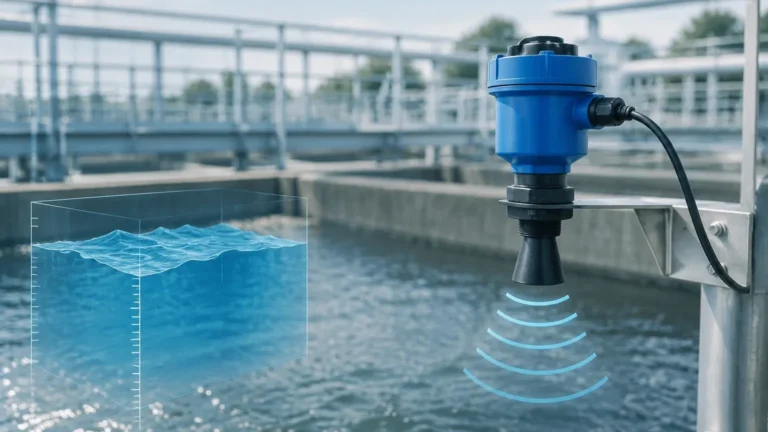
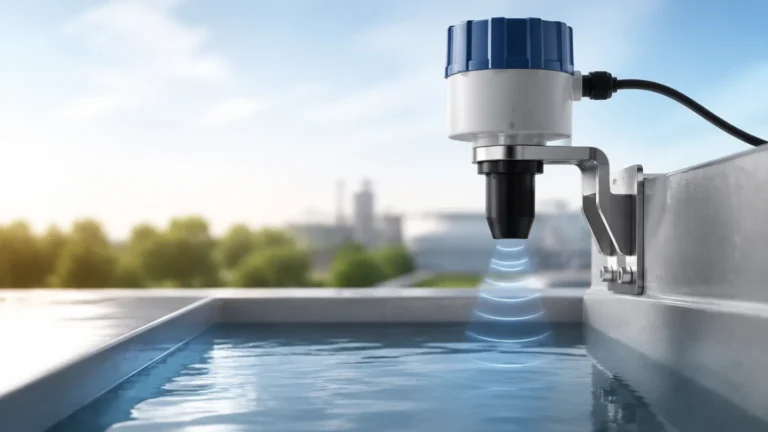
An ultrasonic transducer emits a high-frequency acoustic pulse (usually between 20 kHz and 200 kHz). This sound wave travels through the air, hits the surface of the medium (liquid or solid), and reflects back to the sensor. The sensor acts as both a transmitter and a receiver. By measuring the time interval between the emission of the pulse and the reception of the echo, the device calculates the distance to the surface.
The formula used is:
Distance = (Speed of Sound in Air × Time Delay) / 2
Since the speed of sound is known (approximately 343 m/s at 20°C), the internal microprocessor can accurately determine the level. In industrial settings, the device then subtracts this distance from the total tank height to provide the actual level or volume of the contents.
The Automotive Context: Ultrasonic Level Sensor Mercedes Applications
In the automotive industry, particularly within the engineering standards of Mercedes-Benz, ultrasonic technology is frequently employed for non-contact fluid monitoring. The ultrasonic level sensor mercedes uses is typically designed for critical systems such as engine oil monitoring, coolant levels, or washer fluid reservoirs.
Why Ultrasonic for Mercedes?
1. Non-Contact Reliability: Unlike traditional float switches, an ultrasonic sensor does not have moving parts that can become stuck due to debris or fluid degradation.
2. Compact Integration: Automotive sensors are miniaturized to fit within the tight constraints of an engine bay or fluid tank while maintaining high resolution.
3. Real-time Diagnostics: These sensors provide continuous data to the vehicle’s Electronic Control Unit (ECU), allowing for predictive maintenance alerts before a low-fluid condition becomes a mechanical risk.
While the ultrasonic level sensor mercedes application focuses on small-scale, high-vibration environments, the core technology remains identical to the robust Ultrasonic Level Meters found in industrial water treatment and chemical storage facilities.
Industrial vs. Automotive Ultrasonic Sensors
While the physics remains constant, the execution differs significantly between a specialized automotive component and an industrial-grade instrument.
| Feature | Automotive (e.g., Mercedes Oil Sensor) | Industrial Level Meters |
| :— | :— | :— |
| Measurement Range | Short (typically < 0.5 meters) | Long (up to 30 meters or more) |
| Output Signal | CAN-bus, LIN-bus, or PWM | 4-20mA, RS485 (Modbus), HART |
| Environmental Protection | High vibration, oil/fuel resistance | IP66/IP67/IP68, Chemical corrosion resistance |
| Power Supply | 12V / 24V DC | 24V DC or 220V AC |
| Mounting | Custom integrated housing | Flange, Threaded (NPT/G), or Bracket |
Selection Criteria for Industrial Ultrasonic Level Meters
When transitioning from the specialized world of automotive sensors to industrial process control, engineers must evaluate several factors to ensure accuracy and longevity.
1. Measurement Range and Beam Angle
Industrial tanks vary in height. It is crucial to select a meter with a range that exceeds the maximum depth of the tank. Additionally, consider the beam angle (usually 5° to 12°). A narrower beam is preferable for tall, narrow tanks to avoid false echoes from the tank walls or internal obstructions like ladders and agitators.
2. The "Dead Zone" (Blocking Distance)
Every ultrasonic sensor has a "dead zone" directly beneath the transducer where it cannot measure. This is the time required for the transducer to stop vibrating after sending a pulse before it can listen for the echo. For industrial Ultrasonic Level Meters, this typically ranges from 0.2m to 0.5m. Users must ensure the maximum liquid level never enters this zone.
3. Material Compatibility
In chemical applications, the transducer face must be resistant to the vapors present. Common materials include PVDF (Polyvinylidene fluoride) for corrosive acids or PTFE for extreme chemical resistance. In contrast, the ultrasonic level sensor mercedes uses is often optimized for hydrocarbon stability (oil and fuel).
Practical Installation Guidelines
Proper installation is the most critical factor in the performance of any ultrasonic device. Follow these engineering best practices:
* Perpendicular Mounting: The sensor must be mounted perfectly perpendicular to the liquid surface. Even a few degrees of tilt can cause the acoustic pulse to reflect away from the receiver, resulting in a "Lost Echo" error.
* Avoid the Inlet: Never install a sensor directly above the tank's fill pipe. The turbulence and falling liquid will disrupt the ultrasonic signal and cause erratic readings.
* Distance from Walls: To prevent interference from wall echoes, the sensor should be placed at a distance from the tank wall equal to at least 1/6th of the tank height.
* Stilling Wells: In applications with heavy surface foam or extreme turbulence, installing the sensor inside a stilling well (a vertical pipe) can help stabilize the signal.

Limitations and Environmental Constraints
While versatile, ultrasonic technology is not a universal solution. Engineers should be aware of the following limitations:
1. Pressure Extremes: Ultrasonic waves rely on air density. In high-pressure environments or vacuums, the speed of sound changes or the medium disappears, making ultrasonic measurement impossible. For these cases, radar level meters are often recommended.
2. Temperature Gradients: Sound speed varies with temperature. Most industrial Ultrasonic Level Meters include an integrated temperature sensor to compensate for this, but extreme temperature fluctuations can still impact accuracy.
3. Heavy Foam and Vapor: Thick foam can absorb the acoustic pulse rather than reflecting it. Similarly, dense vapors (like those from concentrated nitric acid) can attenuate the signal.
Maintenance and Troubleshooting
One of the primary benefits of ultrasonic technology, whether in a ultrasonic level sensor mercedes system or an industrial plant, is the low maintenance requirement due to the lack of contact with the medium. However, periodic checks are advised:
* Transducer Cleaning: In dusty environments or tanks with condensing vapors, the transducer face may accumulate buildup. Gently clean the face with a soft cloth and water; avoid abrasive chemicals or tools that could scratch the sensitive surface.
* Signal Strength Monitoring: Most modern industrial meters provide a signal-to-noise ratio or echo strength indicator. A sudden drop in signal strength often indicates the onset of transducer fouling or a change in the liquid's surface characteristics (e.g., new foam formation).
Frequently Asked Questions (FAQ)
Q: Can an ultrasonic sensor measure the level of solids?
A: Yes, but with caveats. Ultrasonic meters can measure solids like grain, sand, or plastic pellets. However, because solids do not form a flat surface, the acoustic pulse scatters. You must select a sensor with a higher power output and consider the "angle of repose" of the material.
Q: How does wind affect ultrasonic measurement?
A: In outdoor applications, strong crosswinds can "blow" the acoustic pulse away from the receiver path. For outdoor tanks or open channels, a protective shroud or a sensor with a higher sampling rate is recommended.
Q: Is the ultrasonic level sensor mercedes uses interchangeable with industrial sensors?
A: Generally, no. Automotive sensors are designed for specific electrical architectures (like LIN-bus) and physical mounting points unique to the vehicle's engine or chassis. Industrial sensors use standardized process connections (NPT/Flange) and industrial protocols (4-20mA/Modbus).
Q: What is the maximum distance an industrial ultrasonic meter can measure?
A: Standard industrial models typically reach up to 15-20 meters. Specialized high-power versions can reach up to 30 or 40 meters, though at these distances, environmental factors like humidity and dust become significant variables.
Conclusion
Ultrasonic technology offers a robust, non-contact solution for level measurement across diverse sectors. From the precision-engineered ultrasonic level sensor mercedes relies on for vehicle health to the high-capacity Ultrasonic Level Meters used in industrial automation, the core benefits remain the same: accuracy, reliability, and low maintenance. By understanding the physical principles and following strict installation guidelines, engineers can implement these systems to achieve superior process control and fluid management.