Level Switches Hsn Code
Level Switches Hsn Code
In the realm of industrial automation and process control, the accurate detection of material levels is fundamental to operational safety and efficiency. For procurement managers, engineers, and international traders, understanding the technical specifications of level measurement devices is only half the battle. The other half involves navigating the regulatory and fiscal landscape, specifically regarding the level switches hsn code.
HSN stands for Harmonized System of Nomenclature, an internationally standardized system of names and numbers to classify traded products. For Level Switches, the HSN code determines the customs duties, GST rates, and import/export regulations applicable to these critical components. This article provides a comprehensive technical overview of level switch technologies, their selection criteria, and the specific HSN classifications used in global trade.
Understanding Level Switch Measurement Principles
Before diving into the administrative details of HSN codes, it is essential to understand the physical principles that govern how these devices operate. A level switch is a sensor that detects the presence of a liquid, powder, or granulated solid at a specific point. Unlike continuous level transmitters that provide a constant reading of the level, a switch provides a binary output (on/off) when a predetermined level is reached.
Buoyancy Principle (Float Switches)
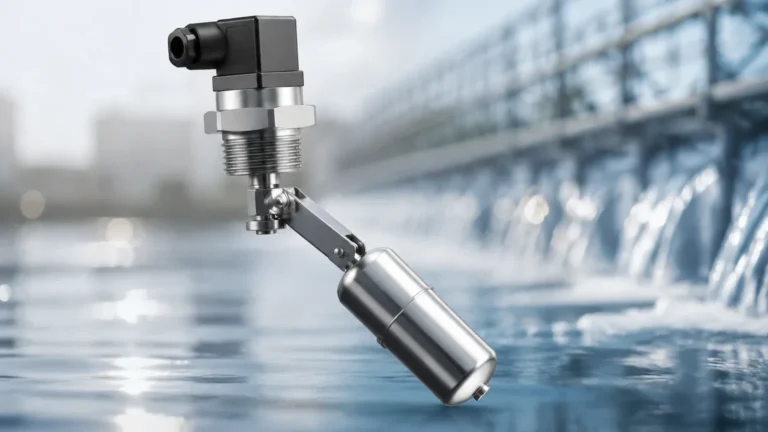
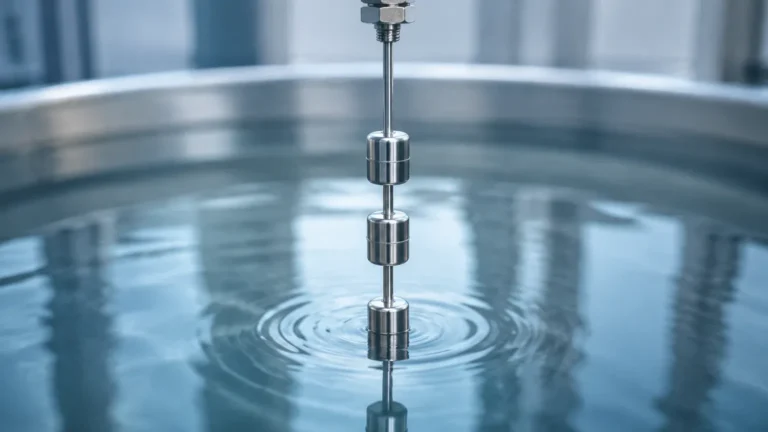
Float switches operate based on Archimedes' principle. A buoyant object (the float) is placed in the liquid. As the liquid level rises or falls, the float moves accordingly. Inside the float or the stem, a magnet triggers a reed switch or a microswitch when the float reaches the actuation point. These are simple, reliable, and do not require external power for the sensing element itself.
Vibrating Principle (Tuning Fork Switches)
Often referred to as vibrating level switches, these devices use a tuning fork-shaped sensing element that is piezoelectrically energized to vibrate at its natural frequency in the air. When the fork is submerged in a medium (liquid or solid), the frequency of vibration changes or the vibration is damped. An electronic circuit detects this change and converts it into a switching signal. This technology is highly resistant to changes in flow, turbulence, bubbles, and foam.
Capacitance Principle
Capacitance level switches treat the sensor probe and the vessel wall (or a reference electrode) as two plates of a capacitor. The material being measured acts as the dielectric. As the material covers the probe, the capacitance changes because the dielectric constant of the material is different from that of air. This change is measured by the electronics to trigger the switch. This method is effective for both liquids and solids, including sticky substances.
Rotary Paddle Principle
Primarily used for bulk solids and powders, a small electric motor slowly rotates a paddle. When the material reaches the paddle, it creates a mechanical resistance that stalls the motor. This stall triggers a microswitch that provides the output signal. When the material level drops, a spring returns the motor to its original position, and the paddle begins rotating again.
Hydrostatic Pressure Principle
While more common in continuous measurement, hydrostatic switches detect the pressure exerted by a column of liquid. When the pressure reaches a set point corresponding to a specific height, the switch activates. These are typically used in deep tanks or wells.
Classification and Level Switches HSN Code for International Trade
The classification of industrial instruments under the HSN system is governed by the World Customs Organization (WCO). For level switches, the classification usually falls under Chapter 90, which covers optical, photographic, cinematographic, measuring, checking, precision, medical or surgical instruments and apparatus.
Primary HSN Codes
The most common level switches hsn code is 9026. Specifically:
* HSN 902610: Instruments and apparatus for measuring or checking the level of liquids.
* HSN 90261010: Specifically for level gauges (often including switches in many jurisdictions).
* HSN 902690: Parts and accessories for these instruments.
In some instances, if the level switch is classified primarily as an electrical switch rather than a measuring instrument, it may fall under Chapter 85:
* HSN 853650: Other switches for a voltage not exceeding 1,000 V.
However, for industrial-grade level switches used in process control, 9026 is the standard and most accurate classification. Using the correct code is vital to ensure compliance with tax laws (such as GST in India or VAT in Europe) and to avoid delays in customs clearance. For Welk products, ensuring the technical documentation matches the HSN classification is a standard part of the export process.
Selection Criteria for Industrial Applications
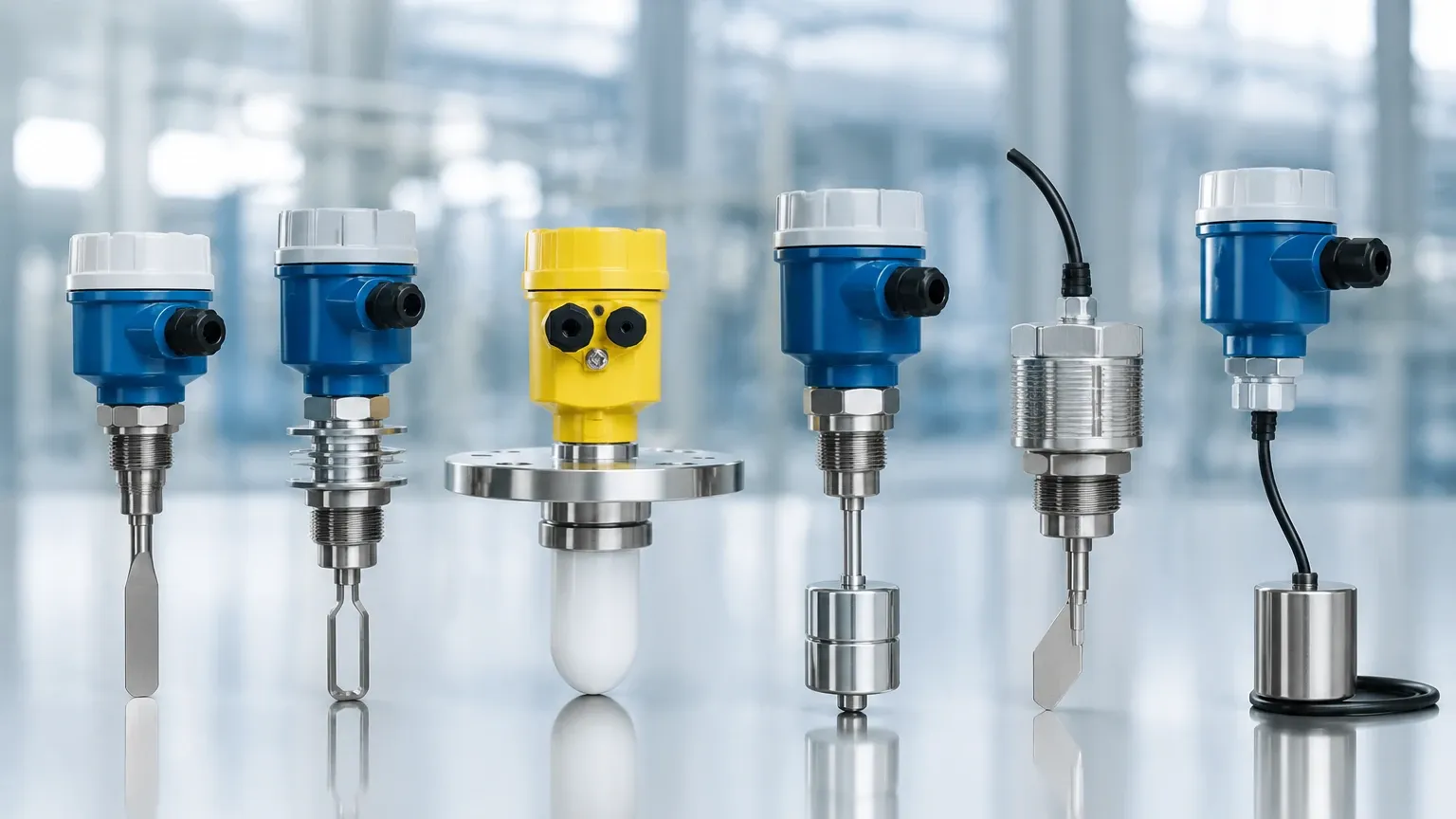
Choosing the right level switch requires an analysis of the physical properties of the medium and the environmental conditions of the vessel. The following table provides a general guideline for technology selection.
Level Switch Selection Table
| Technology | Medium Type | Viscosity/Density Limits | Key Advantages | Typical Applications |
| :— | :— | :— | :— | :— |
| Float Switch | Clean Liquids | Low to Medium | Low cost, no power needed | Water tanks, sumps |
| Tuning Fork | Liquids/Solids | Low to High | Immune to foam/bubbles | Chemical processing, food |
| Capacitance | Liquids/Solids | Any (if calibrated) | No moving parts | Corrosive liquids, silos |
| Rotary Paddle | Bulk Solids | High Density | Robust mechanical design | Grain, sand, cement |
| Conductivity | Conductive Liquids | N/A | Very simple, low cost | Boiler water, wastewater |
Critical Evaluation Factors
1. Media Properties: Is the liquid corrosive, conductive, or viscous? Does the solid have a consistent bulk density?
2. Process Conditions: What are the maximum operating pressure (MPa) and temperature (°C)? For example, high-temperature applications may require a remote-mounted electronic housing.
3. Vessel Geometry: Is there internal agitation? Are there spray balls for cleaning? These can cause false triggers for mechanical switches.
4. Output Requirements: Do you need a relay output, a transistor (PNP/NPN) output, or a two-wire loop-powered signal?
Practical Installation and Maintenance Guidelines
Proper installation is as important as selecting the correct technology. Incorrect mounting can lead to premature failure or inaccurate switching.
Installation Considerations
* Mounting Orientation: Tuning fork switches can often be mounted horizontally or vertically. However, for solids, a side mount at an angle is often preferred to prevent material buildup on the forks.
* Nozzle Length: Ensure the sensing element extends far enough into the vessel to clear the mounting nozzle. If the probe is recessed in a nozzle, material may get trapped, leading to a "dead zone" or false high-level indication.
* Turbulence and Agitation: In tanks with agitators, switches should be installed away from the vortex. If turbulence is high, a stilling well or a protective shield may be necessary.
* Wiring and Grounding: For capacitance switches, proper grounding to the metal tank wall is essential for a stable reference. Always use shielded cables in environments with high electromagnetic interference (EMI).
Maintenance Checklist
* Visual Inspection: Periodically check for signs of corrosion on the wetted parts or damage to the housing.
* Cleaning: For sticky media, ensure the probe or forks are cleaned to prevent coating, which can cause the switch to remain in the "on" state.
* Seal Integrity: Inspect cable glands and housing gaskets to ensure no moisture has entered the electronic compartment, which is a leading cause of circuit failure.
Limitations and Operational Risks
While level switches are robust, every technology has its boundaries. Recognizing these limitations prevents operational downtime.
1. Coating and Buildup: Capacitance and tuning fork switches can sometimes struggle with highly conductive or thick coatings. While many modern switches have "active shield" technology to ignore coating, extreme buildup will eventually cause a fault.
2. Density Changes: Float switches are dependent on the density of the liquid. If the process liquid's density drops significantly (e.g., due to temperature increase), the float may sink, failing to trigger the switch.
3. Mechanical Wear: Rotary paddles and float switches have moving parts. In abrasive environments (like mining or heavy slurry), these parts will wear out over time and require replacement.
4. Foam Interference: Ultrasonic and some optical switches can be fooled by thick foam, either triggering too early or failing to see through the foam to the liquid surface. In such cases, tuning forks are the superior choice.
Frequently Asked Questions (FAQ)
Q1: Can I use a liquid level switch for dry powders?
Generally, no. Float switches and conductivity probes will not work. However, tuning fork switches designed for solids and rotary paddle switches are specifically made for this purpose. Capacitance switches can often be used for both if calibrated correctly.
Q2: Why is the HSN code 9026 preferred over 8536?
HSN 9026 is specific to instruments designed for "measuring or checking" process variables. Since an industrial level switch is part of a measurement and control loop, it is more accurately described under the 9026 heading. Using 8536 might lead to incorrect duty applications as it is a more general category for electrical components like light switches.
Q3: What is the impact of a wrong level switches hsn code on my shipment?
An incorrect HSN code can lead to several issues: underpayment or overpayment of customs duties, legal penalties for misclassification, and significant delays at the port of entry as authorities re-assess the goods.
Q4: Do level switches require regular calibration?
Mechanical switches like floats and rotary paddles typically do not require calibration. Electronic switches like capacitance and some tuning forks may require an initial "teach-in" or calibration to the specific dielectric or density of the medium during commissioning.
Q5: Are there explosion-proof versions available?
Yes, for applications in oil and gas or chemical plants, level switches must be certified (e.g., ATEX, IECEx, or UL) for use in hazardous areas. These versions feature flameproof enclosures or intrinsically safe electronics.
In conclusion, the successful implementation of level control systems depends on a deep understanding of both the physical application and the regulatory framework. By selecting the appropriate technology and ensuring the correct level switches hsn code is applied, businesses can ensure both technical reliability and fiscal compliance in their global operations.