Level Switch High Temperature
Level Switch High Temperature
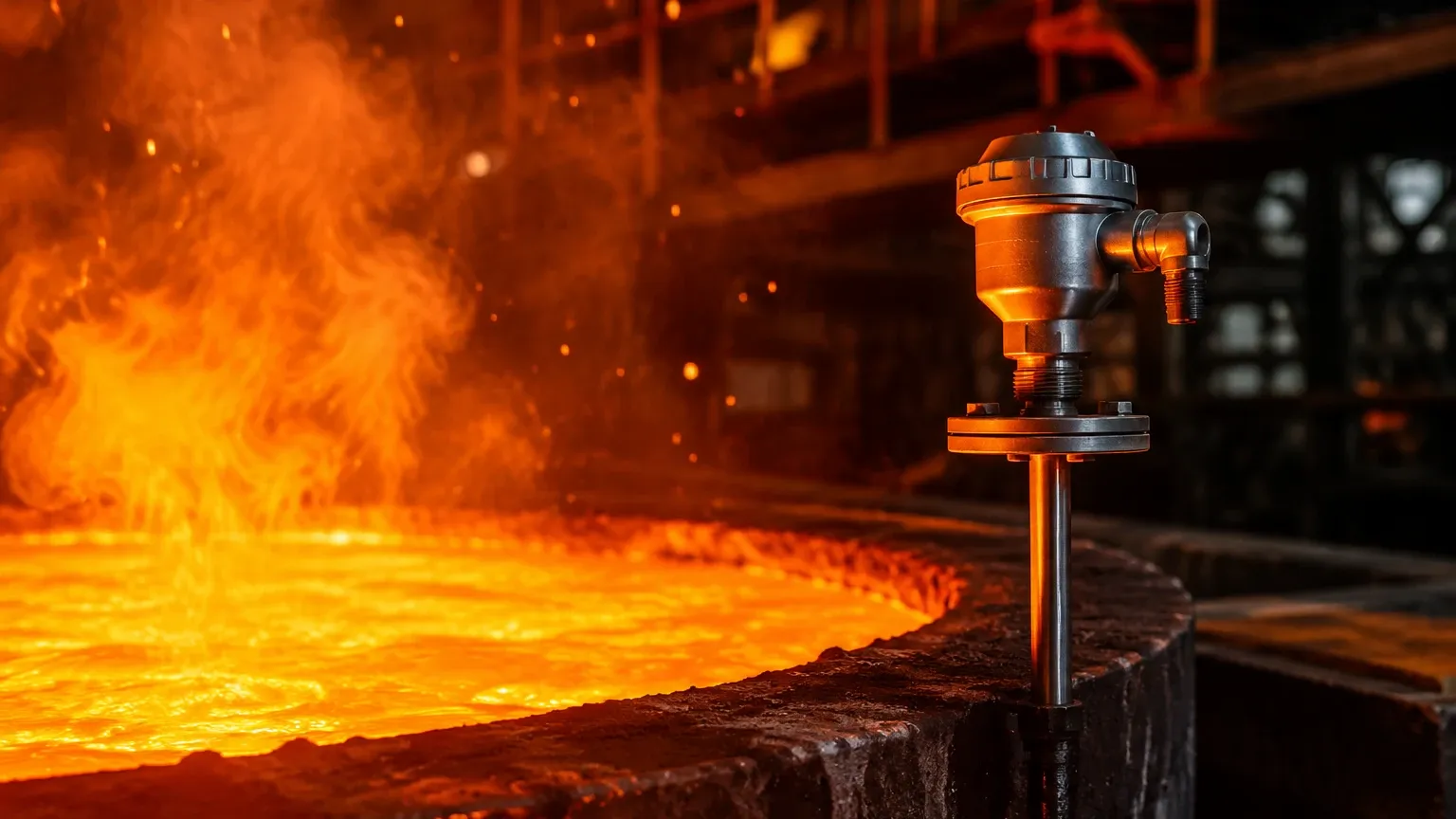
In industrial process control, point level detection in high-temperature environments presents a unique set of engineering challenges. Whether managing molten salts, high-pressure steam in power generation, or thermal oil in chemical processing, a level switch high temperature must maintain accuracy and structural integrity under extreme thermal stress. Unlike standard level sensors, these specialized instruments are designed to isolate sensitive electronics from process heat while ensuring that the mechanical or sensing elements can withstand continuous exposure to temperatures often exceeding 250°C (482°F) and reaching as high as 600°C (1112°F).
Selecting the correct Level Switches for high-temperature applications requires an understanding of how heat affects material properties, signal transmission, and seal longevity. This guide examines the primary measurement principles used in high-temperature environments, selection criteria, and installation best practices to ensure long-term reliability.
Measurement Principles for High-Temperature Environments
To operate effectively in high-heat scenarios, level switches utilize various physical principles, each modified to handle thermal expansion and heat dissipation.
1. Vibrating Tuning Fork Level Switches
The tuning fork principle relies on a piezoelectric crystal to vibrate a fork-shaped sensor at its natural frequency. When the fork is submerged in a medium, the frequency changes, triggering the switch. In a level switch high temperature, the piezoelectric elements are often located further away from the process connection via a temperature-extended tube. Specialized high-temperature ceramics are used for the crystals to prevent depolarization, which can occur when standard crystals are exposed to excessive heat.
2. RF Admittance and Capacitance Level Switches
RF Admittance technology measures the change in electrical impedance (admittance) between a sensing probe and the vessel wall. This technology is particularly robust for high-temperature applications because the sensing probe is essentially a passive metal rod. By using high-grade ceramic or PEEK insulators and remote-mounted electronics, these switches can handle temperatures up to 500°C (932°F). They are also effective in applications where the medium might coat the probe, as the electronics can be tuned to ignore the "coating" effect.
3. Rotary Paddle Level Switches
Rotary paddle switches use a low-speed motor to rotate a paddle. When the material reaches the paddle, the rotation is impeded, which activates a microswitch. For high-temperature solids or powders, these units feature extended shafts and specialized heat-radiating fins between the process flange and the motor housing. This ensures the motor and switch components remain within their operational temperature limits, typically below 80°C (176°F), even if the process is at 400°C (752°F).
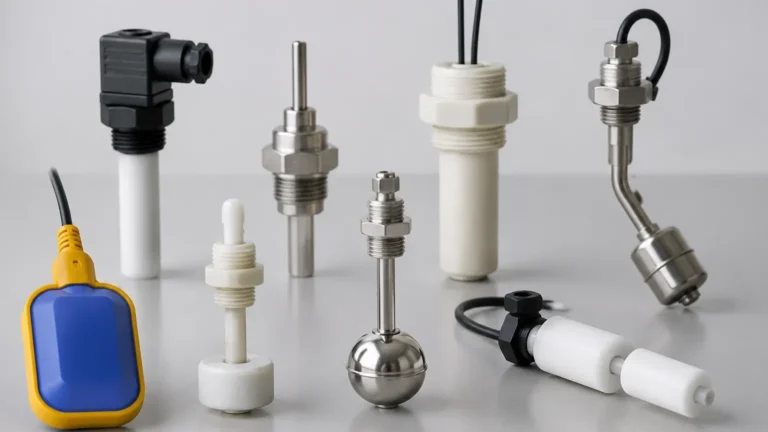
4. Magnetic Float Level Switches
Magnetic float switches utilize a float containing a magnet that moves along a stem to trigger a reed switch. In high-temperature liquid applications, the primary concern is the Curie point of the magnet—the temperature at which a magnet loses its magnetic properties. Welk high-temperature float switches use specialized Alnico magnets and stainless steel or titanium floats to maintain functionality at temperatures up to 350°C (662°F).
Key Selection Criteria for High-Temperature Applications
When specifying a level switch high temperature, engineers must look beyond the basic temperature rating. Several factors influence the performance and safety of the installation.
Material Selection and Thermal Expansion
At elevated temperatures, the mechanical strength of metals decreases. It is essential to verify that the wetted materials, such as 316L Stainless Steel, Hastelloy, or Monel, are rated for the process pressure at the specific operating temperature. Furthermore, different materials expand at different rates. A switch design must account for the linear expansion of the probe or shaft to prevent mechanical binding or seal failure.
Electronics Protection
The most common cause of failure in high-temperature level measurement is the overheating of electronic components. Most industrial electronics are rated for a maximum ambient temperature of 60°C to 85°C (140°F to 185°F). For high-temperature applications, the following features are critical:
- Temperature Extensions: A standoff pipe that moves the housing away from the heat source.
- Cooling Fins: Integrated metal fins that increase surface area for convective cooling.
- Remote Mounting: Locating the electronic transmitter several meters away from the sensor probe via a high-temperature cable.
Process Seals and Gaskets
Standard Viton or Nitrile O-rings will fail rapidly in high-heat environments. High-temperature level switches typically utilize graphite packing, specialized PTFE (up to 200°C), or metal-to-metal seals. For extreme temperatures, ceramic-to-metal brazing provides a hermetic seal that maintains vacuum or pressure integrity.
Comparative Analysis of High-Temperature Level Switch Technologies
The following table provides a general comparison of technologies used for high-temperature point level detection.
| Technology | Typical Max Temp | Best For | Main Limitation |
| :— | :— | :— | :— |
| RF Admittance | 500°C (932°F) | Conductive/Non-conductive liquids, slurries, and solids. | Requires calibration for specific media. |
| Vibrating Fork | 250°C (482°F) | Low-viscosity liquids, light powders. | Not suitable for heavy buildup or very high heat. |
| Rotary Paddle | 400°C (752°F) | Bulk solids, grains, sand, and powders. | Mechanical wear on moving parts. |
| Magnetic Float | 350°C (662°F) | Clean liquids, water, and oils. | Sensitive to magnetic particles and high viscosity. |
| Displacer | 450°C (842°F) | Heavy industrial liquids, high pressure. | Bulky installation; mechanical complexity. |
Installation Best Practices and Thermal Management
Proper installation is as critical as the selection of the instrument itself. Incorrect mounting can lead to premature sensor failure or inaccurate switching.
1. Orientation and Standoffs
Whenever possible, high-temperature level switches should be mounted horizontally or at a slight downward angle. This prevents heat from rising directly into the electronics housing through convection. If vertical mounting is required, a longer temperature extension (standoff) is mandatory to create a sufficient thermal buffer.
2. Insulation Considerations
While it is common practice to insulate process vessels to conserve energy, the temperature extension and cooling fins of a Level Switches should never be covered with insulation. These components must be exposed to ambient air to dissipate heat effectively. Covering them will trap heat and lead to electronic failure.
3. Wiring and Conduit
Use high-temperature rated wiring for the final connection to the switch housing. Even with a temperature extension, the area immediately surrounding the process connection can be significantly hotter than the general ambient environment. Ensure that conduits are sealed to prevent "chimney effect" where hot gases are drawn into the electronics enclosure.
4. Gasket Integrity
Ensure that the flange gasket or thread sealant used is rated for the maximum process temperature. For NPT or BSP threaded connections, high-temperature graphite tape is often preferred over standard PTFE tape, which may degrade and cause leaks above 200°C.
Operational Limitations and Risks
Even the most robust level switch high temperature has limitations that must be managed through regular maintenance and system design.
- Thermal Shock: Rapid temperature changes (e.g., during a CIP process or sudden fluid intake) can cause ceramic insulators to crack or metal components to warp. If thermal shock is expected, look for sensors designed with "shock-resistant" materials.
- Drift: In capacitance-based systems, extreme temperature fluctuations can cause a shift in the dielectric constant of the air or the medium, potentially leading to false triggers. Advanced electronics with temperature compensation are required for these scenarios.
- Material Fatigue: Repeated thermal cycling causes expansion and contraction that can weaken welds and mechanical joints over time. Periodic visual inspections for cracks or leaks are essential.
Frequently Asked Questions (FAQ)
Q: At what temperature do I need a specialized high-temperature level switch?
A: Generally, if your process temperature exceeds 80°C (176°F), you should evaluate whether a standard switch's electronics can handle the heat. Most standard switches require a temperature extension or cooling fins for processes above 100°C (212°F).
Q: Can I use a high-temperature switch for cryogenic applications?
A: Not necessarily. While both involve extreme temperatures, cryogenic applications require materials that do not become brittle at sub-zero temperatures (like specific grades of stainless steel) and seals that remain flexible. Always check the low-end temperature rating.
Q: How do I calculate the length of the temperature extension needed?
A: This depends on the process temperature, the ambient temperature, and the thermal conductivity of the extension material. Welk provides engineering charts that correlate process temperature with the required extension length to keep electronics below 60°C.
Q: Does high temperature affect the pressure rating of the switch?
A: Yes. As temperature increases, the maximum allowable working pressure (MAWP) of the metal flange or housing decreases. Always refer to the pressure-temperature derating curves provided in the technical datasheet.
Conclusion
Implementing a level switch high temperature is a critical safety and efficiency measure for modern industrial processes. By understanding the underlying measurement principles—whether it be the mechanical robustness of a rotary paddle or the passive reliability of an RF admittance probe—engineers can select the technology that best fits their specific thermal profile. Careful attention to thermal management, including the use of cooling fins and avoiding the insulation of heat-dissipating components, will ensure the longevity of the electronics. For complex applications, consulting with a manufacturer like Welk ensures that the material science and mechanical design of the switch are aligned with the rigors of the high-temperature environment.