Liquid Level Switches Hs Code
Liquid Level Switches Hs Code
In the global landscape of industrial automation and process control, the accurate classification of equipment is essential for seamless international trade, regulatory compliance, and cost management. For procurement managers, logistics specialists, and engineers, understanding the liquid level switches hs code is a fundamental step in importing and exporting level measurement technology.
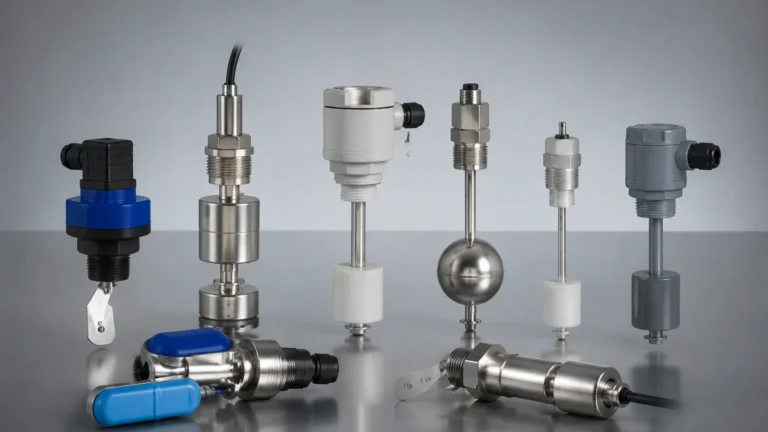
Level switches are critical components used to detect the presence or absence of liquids at specific heights within tanks, silos, or pipelines. As a professional manufacturer, Welk provides a diverse range of Level Switches designed to meet the rigorous demands of water treatment, chemical processing, and oil and gas industries. This guide explores the technical principles of these devices, their classification under the Harmonized System (HS), and practical selection criteria for industrial applications.
Understanding Level Switch Measurement Principles
Before determining the correct HS code for customs declaration, it is vital to understand the underlying technology of the device. Level switches operate on various physical principles to provide point-level detection (on/off signals).
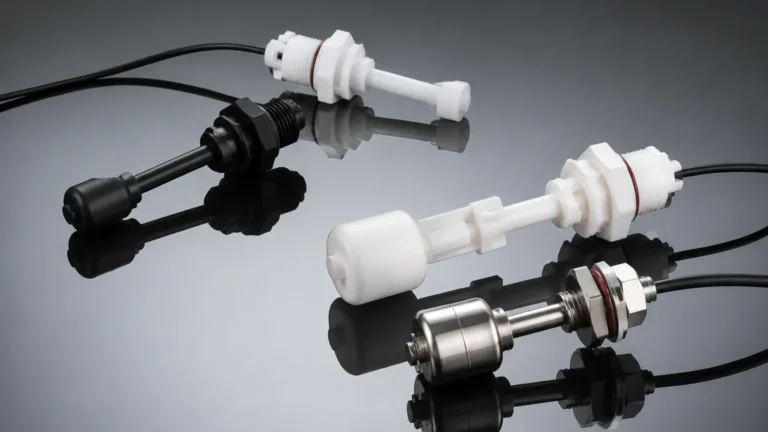
Float Level Switches
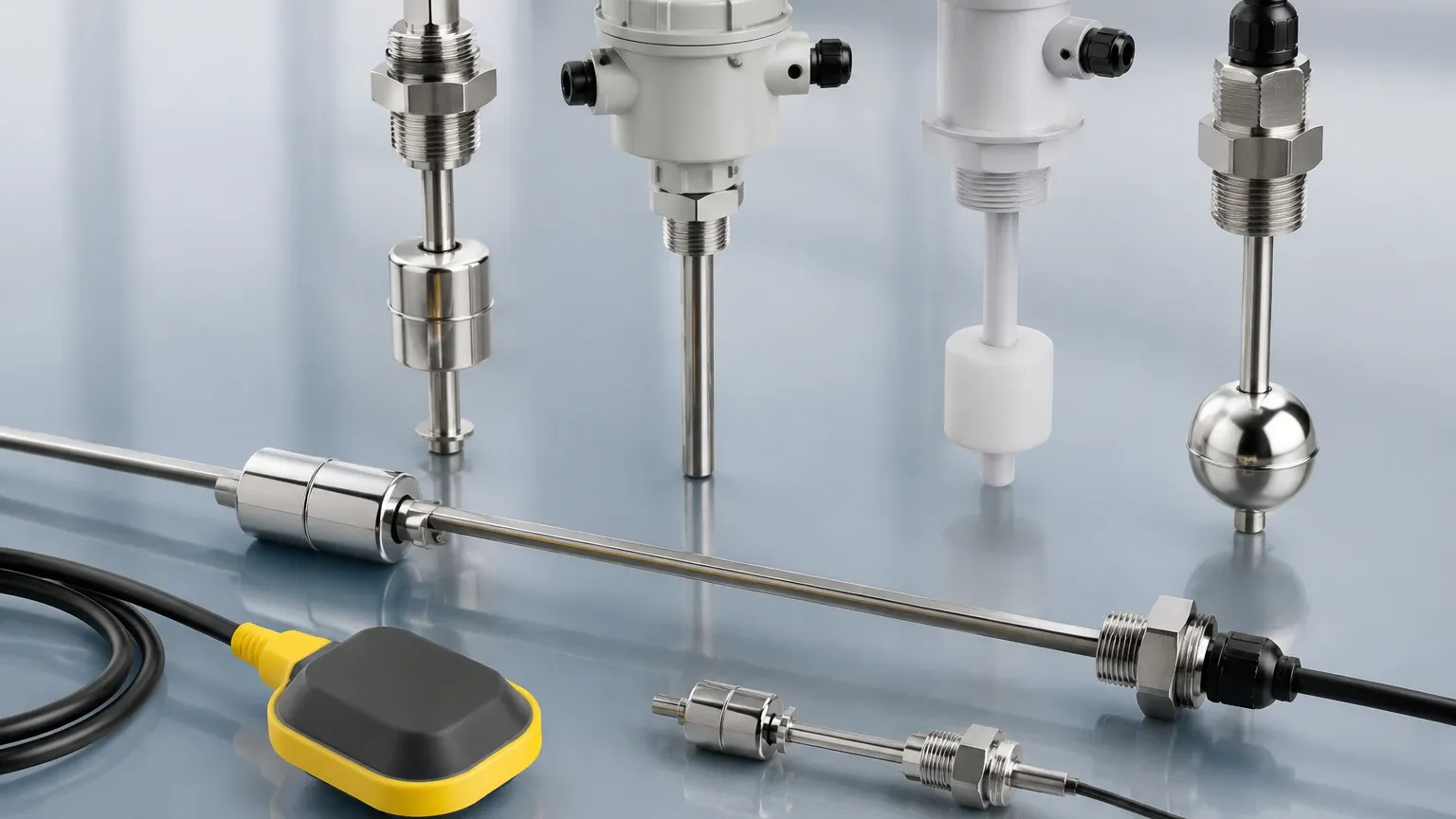
Float switches utilize the principle of buoyancy. A float containing a magnet moves with the liquid level. When the liquid reaches a predetermined point, the magnetic field triggers a reed switch or a microswitch. These are simple, reliable, and cost-effective for clean liquids.
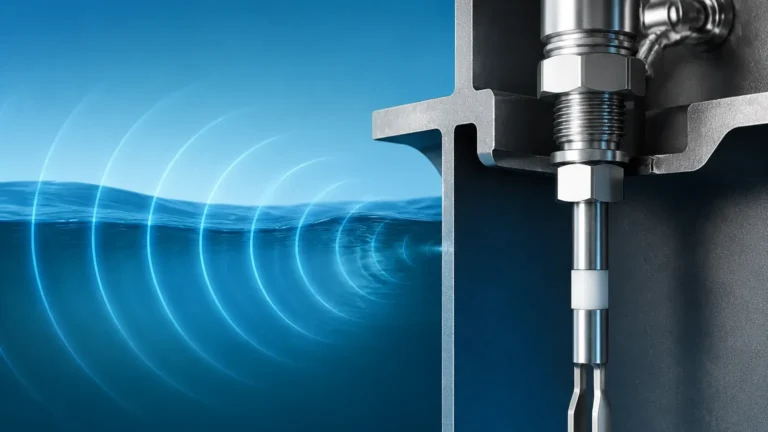
Tuning Fork (Vibrating) Level Switches
The tuning fork switch uses piezoelectric crystals to vibrate a fork at its natural frequency in the air. When the fork is immersed in a liquid, the frequency changes due to the increased density of the medium. The internal electronics detect this frequency shift and switch the output state. These are highly resistant to turbulence, foam, and bubbles.
Capacitance Level Switches
Capacitance switches measure the change in electrical capacitance between the probe and the tank wall (or a reference electrode). As the liquid covers the probe, the dielectric constant changes, altering the capacitance value. These are suitable for both liquids and solids and can be calibrated to ignore coating or buildup.
Optic Level Switches
Optical sensors use an infrared LED and a light receiver. Within a prism tip, the light is reflected back to the receiver when in the air. When immersed in liquid, the light is refracted into the medium, causing the receiver to detect a loss of signal. These are extremely compact and ideal for leak detection in small vessels.
The Significance of the Liquid Level Switches HS Code
The Harmonized System is an internationally standardized system of names and numbers to classify traded products. For liquid level switches, the classification usually falls under Chapter 90, which covers "Optical, photographic, cinematographic, measuring, checking, precision, medical or surgical instruments and apparatus."
Primary HS Code Classification
Most industrial liquid level switches are classified under HS Code 9026.10. This specific subheading is designated for:
* 9026: Instruments and apparatus for measuring or checking the flow, level, pressure, or other variables of liquids or gases.
* 9026.10: For measuring or checking the flow or level of liquids.
However, depending on the specific design and function, some regional customs authorities may classify simple electrical float switches under HS Code 8536.50 (Electrical apparatus for switching or protecting electrical circuits). For high-precision industrial process control, 9026.10 remains the authoritative standard. It is essential to verify the specific "General Rules for the Interpretation of the Harmonized System" (GRI) applied in your jurisdiction.
Technical Selection Criteria for Industrial Applications
Choosing the right level switch requires more than just knowing the HS code; it requires a deep dive into the process conditions. The following table provides a comparison of common technologies offered by manufacturers like Welk.
| Technology | Typical Media | Pressure Range | Temp. Range | Main Advantages |
| :— | :— | :— | :— | :— |
| Float | Water, Oil, Chemicals | Up to 40 bar | -40 to 150°C | Low cost, no power required |
| Tuning Fork | Liquids, Slurries | Up to 64 bar | -50 to 250°C | High reliability, no calibration |
| Capacitance | Acids, Alkalis, Water | Up to 100 bar | -100 to 200°C | No moving parts, handles buildup |
| Ultrasonic | Clean Liquids | Up to 10 bar | -40 to 80°C | Non-contact, high accuracy |
Key Evaluation Factors
1. Chemical Compatibility: The wetted parts (316L stainless steel, PP, PTFE, or PVC) must be resistant to the process liquid.
2. Process Pressure and Temperature: Ensure the sensor housing and seals can withstand the maximum operating conditions.
3. Output Type: Options include relay outputs (SPDT/DPDT), PNP/NPN transistors, or NAMUR signals for hazardous areas.
4. Installation Orientation: Some switches must be mounted vertically (top-down), while others can be installed horizontally (side-mount).
Installation Considerations and Best Practices
To ensure the longevity and accuracy of a level switch, proper installation is paramount. Engineers should follow these guidelines:
* Avoid Turbulence: Position the switch away from tank inlets or agitators where heavy turbulence could cause false triggering or mechanical fatigue.
* Stilling Wells: In tanks with high agitation, use a stilling well (a vertical pipe) to protect float or tuning fork switches from lateral forces.
* Wiring and Sealing: Always use a drip loop in the cabling and ensure cable glands are tightened to maintain the IP65/IP67/IP68 rating of the enclosure. This prevents moisture ingress, which is a leading cause of electronic failure.
* Mounting Position: For tuning forks, ensure the tines are oriented so that liquid can drain freely off them to prevent "bridging" or false-high readings.
Limitations and Application Risks
While level switches are robust, they are not universal solutions. Each technology has inherent limitations:
* Float Switches: Prone to jamming if the liquid contains suspended solids, high viscosity, or crystalline buildup.
* Tuning Forks: While versatile, extremely high-viscosity liquids (typically >10,000 cP) may dampen the vibration excessively, leading to errors.
* Capacitance Sensors: Require recalibration if the dielectric constant of the liquid changes significantly (e.g., switching from an oil-based to a water-based process).
* Environmental Interference: Ultrasonic point switches can be affected by heavy foam or vapor layers on the liquid surface.
Frequently Asked Questions (FAQs)
1. Does the liquid level switches HS code change if the device has a digital display?
Generally, the addition of a local display for monitoring does not change the primary classification under 9026.10, as the primary function remains the measurement or checking of the liquid level.
2. What is the difference between a level switch and a level transmitter?
A level switch provides a discrete output (on/off) at a specific point. A level transmitter provides a continuous signal (such as 4-20mA or 0-10V) representing the exact level across a range. Transmitters also typically fall under HS code 9026.10.
3. Are there specific HS codes for explosion-proof level switches?
Explosion-proof (Ex-d or Ex-i) ratings are technical specifications and usually do not change the 6-digit HS code. However, they may influence the 8-digit or 10-digit national tariff codes in certain countries due to safety certification requirements.
4. Can I use a float switch in boiling water?
Standard float switches can handle boiling water if the materials (e.g., stainless steel) and seals are rated for 100°C (212°F) or higher. However, steam and bubbles can cause float instability, so a tuning fork or capacitance switch might be more reliable in such conditions.
5. How do I verify the HS code for my specific region?
You should consult the local customs authority or a licensed customs broker. While 9026.10 is the international base, regional suffixes (like the HTSUS in the United States or the CN code in the European Union) provide more granular detail for duty rates.
Conclusion
Accurate documentation of the liquid level switches hs code is a vital part of the global supply chain for industrial instrumentation. By understanding the technical differences between float, tuning fork, and capacitance technologies, engineers can select the most reliable solution for their specific application while ensuring smooth customs clearance. For high-quality, industrial-grade measurement solutions, exploring the range of Level Switches from Welk ensures that your facility benefits from advanced technology and strict quality control, regardless of the complexity of the process environment.