Level Switch Hsn Code
Level Switch Hsn Code
In the landscape of industrial automation and process control, precision is not merely a goal but a requirement for safety and efficiency. Level switches serve as the primary line of defense in preventing tank overflows, protecting pumps from dry running, and ensuring that chemical batches are processed with exact volumes. For procurement officers, engineers, and international distributors, understanding the technical specifications of these devices is only half the battle; navigating the regulatory and logistical framework, specifically the level switch hsn code, is equally vital for seamless global trade and tax compliance.
This guide provides a comprehensive technical overview of level switch technologies, their operational principles, and a detailed breakdown of the Harmonized System of Nomenclature (HSN) codes used for their classification in international commerce.
Understanding Point Level Detection Principles
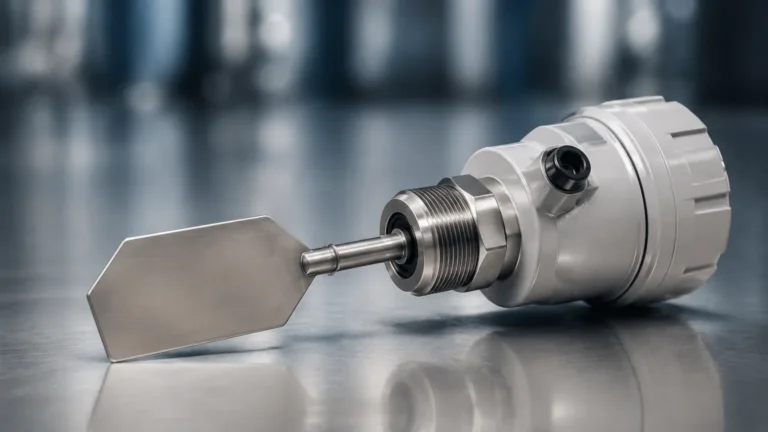
Before selecting a device or determining its classification, it is essential to understand how different level switches interact with the process media. Unlike continuous level transmitters that provide a constant signal of the fluid level, Level Switches are point-level sensors designed to trigger an electrical contact at a specific height.
1. Float Level Switches
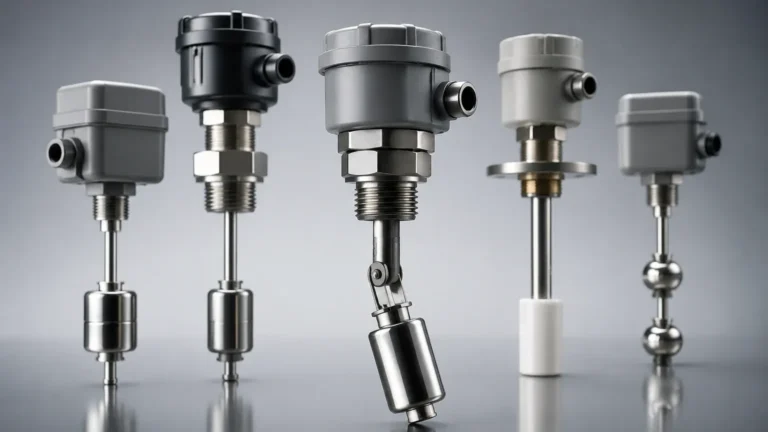
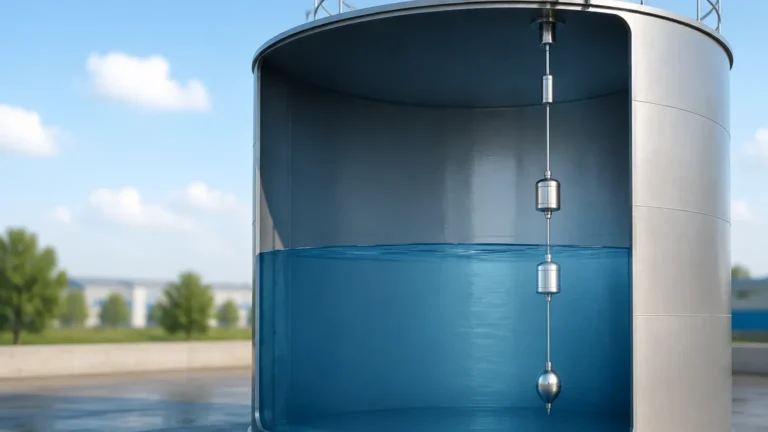
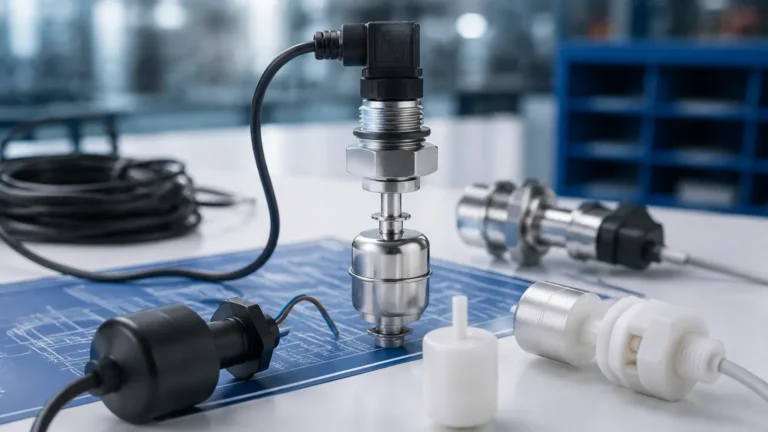
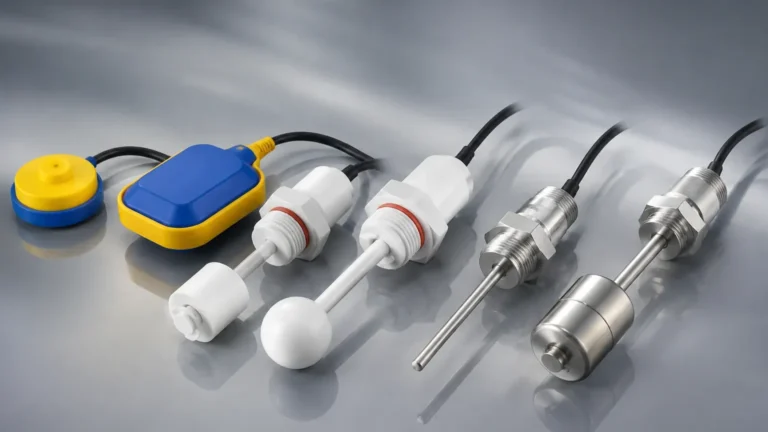
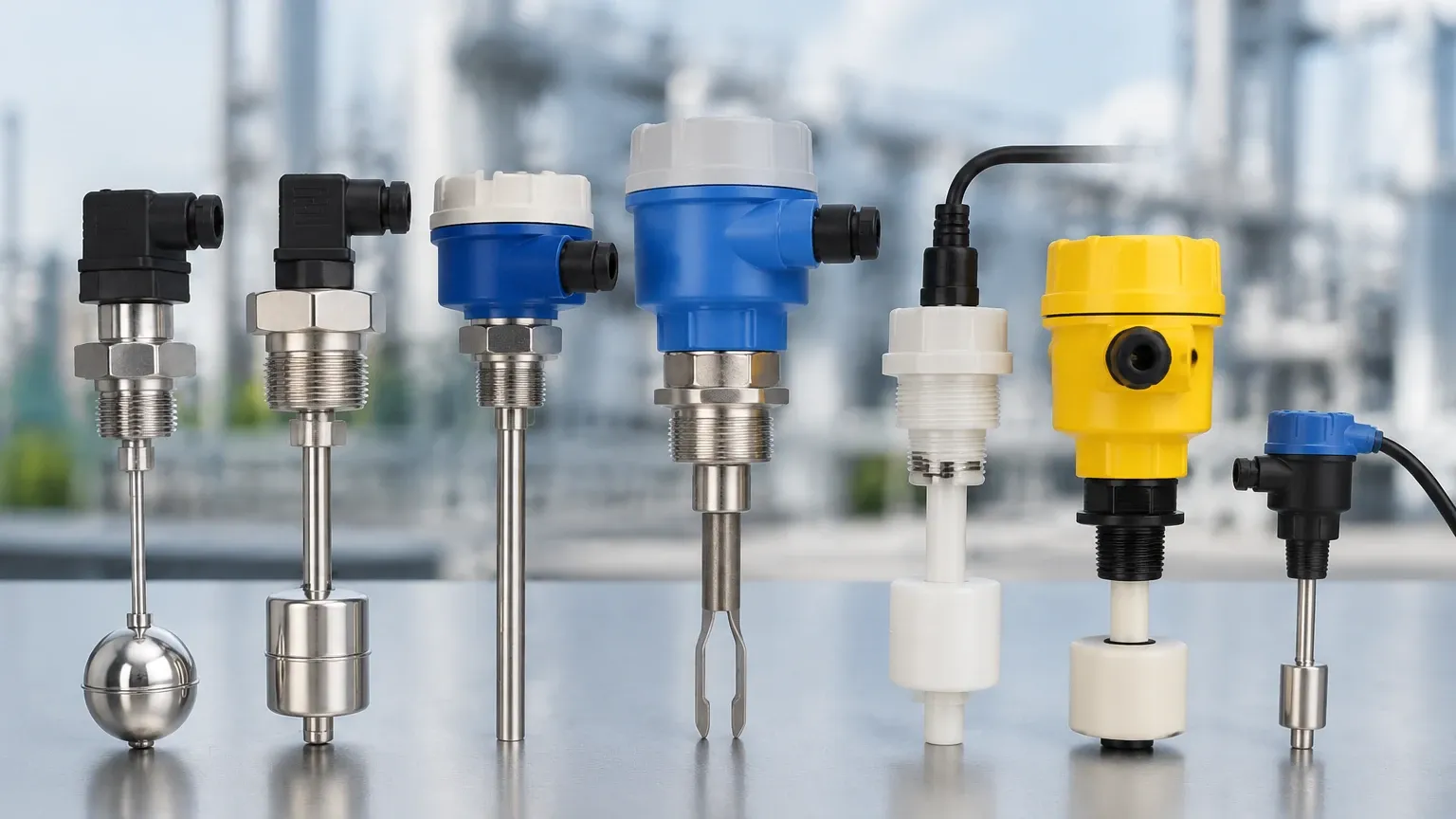
Float switches operate on the principle of buoyancy. A float containing a magnet moves up and down a guide tube as the liquid level rises or falls. When the float reaches a predetermined point, the internal magnet actuates a hermetically sealed reed switch. These are widely used in water treatment and simple oil storage due to their cost-effectiveness and lack of power requirements for the sensing element.
2. Vibrating Fork (Tuning Fork) Switches
The vibrating fork switch utilizes piezoelectric crystals to energize a metal fork at its natural resonant frequency (typically around 1200 Hz to 1400 Hz). When the fork is immersed in a liquid or solid, the frequency shifts or the vibration is dampened. An internal electronic circuit detects this change and converts it into a switching signal. This technology is highly robust and immune to changes in turbulence, bubbles, or foam.
3. Capacitance Level Switches
Capacitance switches treat the sensor probe and the vessel wall (or a reference probe) as two plates of a capacitor. The process medium acts as the dielectric material. As the level rises and covers the probe, the dielectric constant changes, leading to a change in capacitance that triggers the switch. These are ideal for corrosive liquids or high-temperature applications where mechanical parts might fail.
4. Conductive Level Switches
Used exclusively for conductive liquids (like water or acids), these switches use a low-voltage current between two electrodes. When the liquid touches the electrodes, the circuit is completed. These are simple but limited to specific media types.
Defining the Level Switch HSN Code for International Trade
The Harmonized System of Nomenclature (HSN) is a multipurpose international product nomenclature developed by the World Customs Organization (WCO). For B2B transactions, the level switch hsn code is critical for determining customs duties, GST rates (in countries like India), and import/export restrictions.
The 9026 Heading
Most industrial level measurement instruments fall under Heading 9026. This heading covers "Instruments and apparatus for measuring or checking the flow, level, pressure or other variables of liquids or gases."
* HSN Code 9026.10: Specifically refers to instruments and apparatus for measuring or checking the level of liquids.
* HSN Code 9026.10.10: Often used for electronic level gauges and switches in many jurisdictions.
* HSN Code 9026.10.90: A residual category for "Other" level measuring instruments that do not fit into the primary electronic sub-classifications (such as purely mechanical float switches).
Why the HSN Code Matters for B2B Procurement
1. Tax Compliance: Incorrectly filing a level switch under a general electrical switch code (Heading 8536) instead of the specialized measurement code (Heading 9026) can lead to audits and penalties.
2. Duty Drawbacks: Many regions offer tax incentives for industrial automation equipment. Using the correct level switch hsn code ensures the buyer receives the appropriate exemptions.
3. Shipping Accuracy: Freight forwarders use these codes to determine the risk profile and handling requirements of the cargo.
Key Evaluation Criteria for Industrial Level Switches
Selecting the right switch requires a balance between technical performance and regulatory documentation. When evaluating products from a manufacturer like Welk, engineers must consider the following parameters:
Media Characteristics
* Viscosity: High-viscosity liquids may cause float switches to stick, making vibrating forks a better choice.
* Corrosiveness: For aggressive chemicals, PTFE or PVDF coatings are necessary for the wetted parts.
* Dielectric Constant: Critical for capacitance switches; if the dielectric constant of the medium is too low (e.g., certain oils), the sensor may not detect the level change.
Process Conditions
* Temperature: Standard switches operate up to 80°C (176°F), but high-temperature variants can handle up to 250°C (482°F) or more using specialized cooling fins or ceramic seals.
* Pressure: Industrial tanks may operate under vacuum or high pressure (up to 64 bar or 928 psi). The switch housing and process connection (flange or thread) must be rated accordingly.
Output Options
B2B applications often require specific output types for integration into a PLC (Programmable Logic Controller) or DCS (Distributed Control System):
* Relay (SPDT/DPDT): For direct control of pumps or valves.
* PNP/NPN: For high-speed electronic switching.
* Two-wire (8/16mA): Common in hazardous areas where intrinsic safety is required.
Practical Selection Guide: Technology Comparison
The following table provides a quick reference for choosing the appropriate level switch technology based on common industrial requirements.
| Technology | Media Type | Temperature Range | Pressure Range | Ideal Application | HSN Category (Typical) |
| :— | :— | :— | :— | :— | :— |
| Float Switch | Clean Liquids | -40°C to 150°C | Up to 40 bar | Sumps, Water Tanks | 9026.10.90 |
| Tuning Fork | Liquids/Solids | -50°C to 250°C | Up to 64 bar | Overfill protection | 9026.10.10 |
| Capacitance | Slurries/Acids | -100°C to 400°C | Up to 100 bar | High-temp chemical | 9026.10.10 |
| Conductivity | Conductive Water | -20°C to 100°C | Up to 10 bar | Boiler low-water cut-off | 9026.10.10 |
Installation Considerations and Best Practices
Proper installation is as important as the device selection itself. Even the highest quality level switch will fail if placed incorrectly within a vessel.
Mounting Orientation
Level switches can be mounted horizontally (through the side of the tank) or vertically (from the top).
* Horizontal Mounting: Best for high or low-level alarms where space at the top of the tank is limited. Ensure the probe length is sufficient to clear any internal nozzles.
* Vertical Mounting: Preferred for multi-point float switches or when the tank sides are inaccessible due to insulation or jackets.
Avoiding Interference
* Turbulence: If the tank has an agitator or high-velocity inflow, use a stilling well to protect the switch from mechanical stress and false triggering.
* Build-up: In applications with sticky media, install the switch at an angle or use a vibrating fork with a specific "polished" finish to prevent material from bridging the tines.
* Dead Zones: Be aware of the "dead zone" near the process connection where the switch cannot detect the level. This is particularly important for capacitance and ultrasonic switches.
Wiring and Safety
In industrial environments, electromagnetic interference (EMI) can cause false signals. Use shielded cables and ensure the switch housing is properly grounded. For hazardous locations involving explosive gases or dust, ensure the switch is ATEX or IECEx certified and that the level switch hsn code documentation reflects its specialized nature.
Limitations and Common Risks in Application
While level switches are highly reliable, they are not universal solutions. Engineers should be aware of the following limitations:
1. Moving Parts: Float switches have moving components that can wear out over time or become jammed by debris. Regular inspection is required in non-clean water applications.
2. Coating Issues: Vibrating forks can fail if a thick layer of material "bridges" the gap between the tines. While many modern switches have "coating rejection" logic, extreme build-up remains a risk.
3. Media Changes: Capacitance switches are sensitive to changes in the moisture content or chemical composition of the fluid. If a tank is used for multiple different products, the switch may require recalibration for each.
4. Environmental Factors: Extreme ambient temperatures can affect the internal electronics of the switch. In outdoor installations, sunshades or heated enclosures may be necessary to maintain operational integrity.
Frequently Asked Questions (FAQs)
1. What is the standard HSN code for a magnetic level switch?
In most international trade contexts, a magnetic level switch is classified under 9026.10.90. However, if it includes an integrated electronic transmitter or signal conditioner, it may be classified under 9026.10.10.
2. Can I use a level switch for continuous level measurement?
No. A level switch only detects if the media has reached a specific point (on/off). For continuous measurement (e.g., 0-100% volume), you should use a radar level meter, ultrasonic sensor, or hydrostatic transmitter.
3. How do I verify the HSN code for my specific region?
While the first six digits of the HSN code (9026.10) are globally harmonized, the final two to four digits vary by country. You should consult your local customs authority or a qualified trade consultant to ensure compliance with regional tax laws.
4. What is the difference between a PNP and NPN level switch output?
This refers to the type of transistor used in the switching circuit. PNP (Positive-Negative-Positive) switches "source" power to the load, while NPN (Negative-Positive-Negative) switches "sink" the load to ground. The choice depends on the input requirements of your PLC.
5. Why is my vibrating fork switch triggering even when the tank is empty?
This is often caused by excessive vibration in the tank structure or a build-up of material between the tines that mimics the dampening effect of the liquid. Check the sensitivity settings on the device or inspect the fork for physical damage.
By understanding the technical principles and the regulatory requirements surrounding the level switch hsn code, B2B professionals can ensure that their level measurement systems are not only technically sound but also commercially compliant. Whether dealing with simple water storage or complex chemical processing, the right level switch is a cornerstone of industrial reliability.