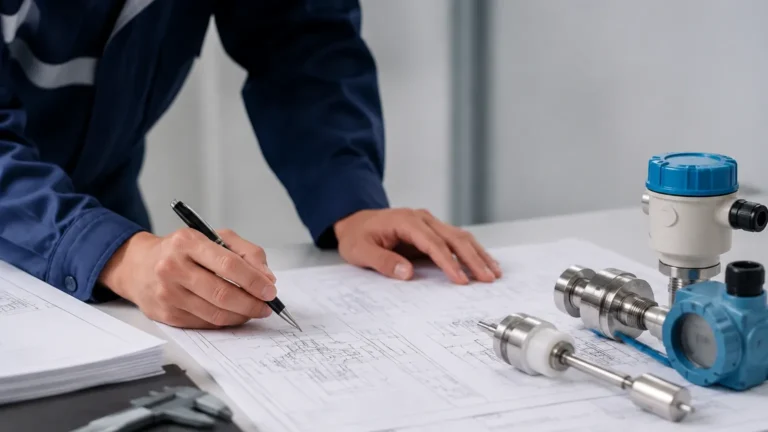
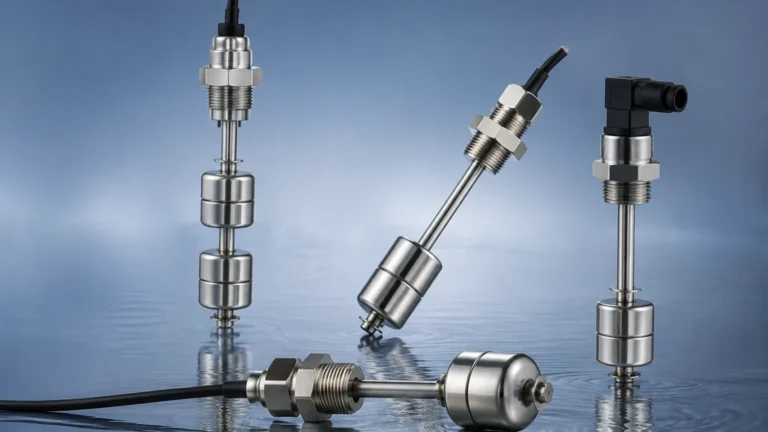
Officine Orobiche Level Switches
Officine Orobiche Level Switches
In the landscape of industrial process control, point-level detection remains a critical safety and operational requirement. Level switches serve as the primary line of defense against tank overfills, dry-run conditions for pumps, and automated inventory management. Among the established manufacturers in this sector, Officine Orobiche has built a reputation for mechanical and magnetic-based level detection solutions. This article explores the engineering principles, selection criteria, and application nuances of industrial level switches, with a specific focus on the technologies associated with Officine Orobiche level switches.
Fundamental Measurement Principles of Level Switches
Before selecting a specific instrument, it is essential to understand the physics governing point-level detection. While modern automation uses various electronic methods, the core of many reliable systems—including many Officine Orobiche level switches—relies on mechanical and magnetic interactions.
Buoyancy and Float Principles
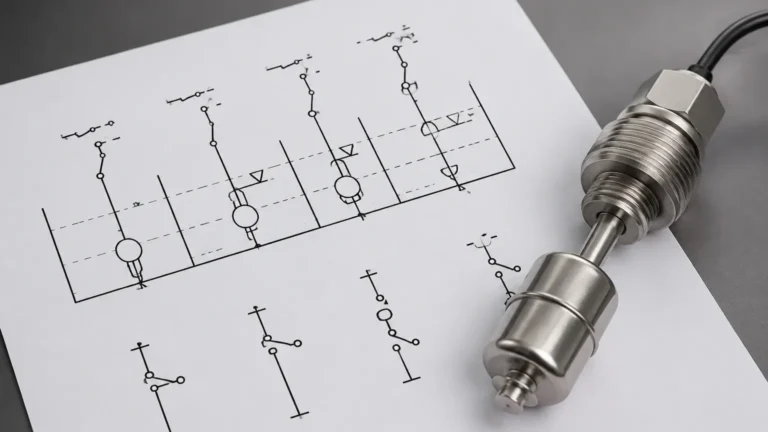
The most common principle is buoyancy. A float, designed with a lower density than the process liquid, rests on the surface. As the liquid level rises or falls, the float moves accordingly. In a switch configuration, this movement is used to actuate an electrical contact. The challenge in industrial environments is transferring this motion from the high-pressure process side to the low-pressure electrical side without leaks.
Archimedes’ Principle (Displacers)
Unlike floats, displacers are heavier than the liquid. They are suspended by a spring or a torque tube. According to Archimedes' principle, the displacer experiences a buoyant force equal to the weight of the liquid it displaces. As the liquid level rises, the apparent weight of the displacer decreases. This change in force is detected by a sensing element. Displacers are particularly useful in turbulent conditions or for interface detection between two immiscible liquids.
Magnetic Coupling
To ensure a hermetic seal between the process fluid and the electrical housing, many Level Switches utilize magnetic coupling. A magnet is attached to the float or displacer mechanism. Outside the pressure-retaining wall, a secondary magnet or a reed switch reacts to the movement of the internal magnet. This eliminates the need for dynamic seals or bellows, which are common failure points in high-pressure applications.
Understanding Officine Orobiche Level Switches
Officine Orobiche level switches are characterized by their robust mechanical construction, often tailored for heavy-duty industrial applications such as oil and gas, petrochemicals, and power generation. Their product line typically emphasizes reliability in extreme environments.
Magnetic Float Switches
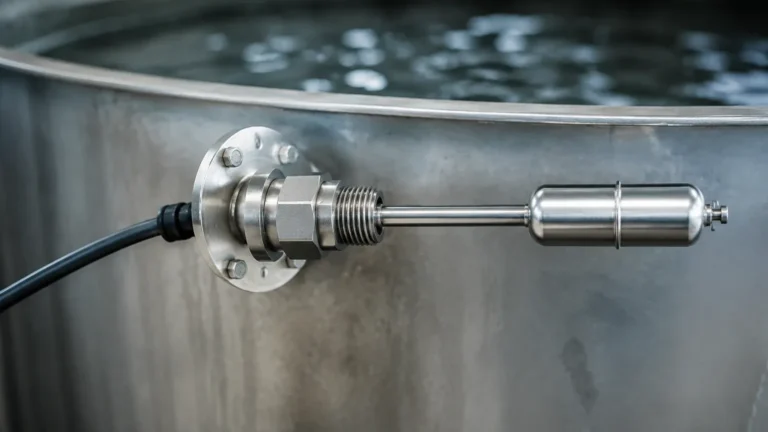
These switches are often used for side-mounting on tanks. The design usually involves a float arm with a magnet at the end. When the float reaches a predetermined level, the magnet attracts or repels a switch mechanism located inside a weather-proof or explosion-proof housing. This design is favored for its simplicity and long service life.
Displacer Level Switches
For applications involving high pressures (up to 100 bar or more) or high temperatures, Officine Orobiche offers displacer-operated switches. These are frequently found in boiler water level control or high-pressure separators. Because the displacer does not need to float on the surface, it can be made of heavy-duty materials that withstand corrosive media better than thin-walled floats.
Material and Certification Standards
In the B2B sector, compliance is as important as performance. Officine Orobiche level switches are typically available in a range of materials, including Stainless Steel (AISI 316), Monel, Hastelloy, and various plastics for corrosive chemical storage. Furthermore, for hazardous areas, these instruments are often certified under ATEX or IECEx standards, ensuring they can be safely deployed in explosive atmospheres.
Technical Selection Matrix for Level Switches
Choosing the correct switch requires a detailed analysis of the process parameters. The following table provides a general guideline for selecting between different mechanical switch technologies common in industrial catalogs.
| Feature | Float Switches | Displacer Switches | Magnetic Level Gauges (with switches) |
| :— | :— | :— | :— |
| Primary Principle | Buoyancy | Archimedes' Principle | Magnetic Coupling |
| Max Temperature | Up to 250°C | Up to 400°C+ | Up to 450°C |
| Max Pressure | Up to 40 bar | Up to 150 bar | Up to 200 bar |
| Fluid Density | Must be > Float density | Wide range | Must be > Float density |
| Turbulence Risk | High (can damage arm) | Low (stable weight) | Low (contained in chamber) |
| Maintenance | Moderate | Low | Very Low |
Key Evaluation Criteria
1. Specific Gravity (SG): The density of the liquid is the most critical factor. If the SG is too low, a standard float may not provide enough buoyancy to actuate the switch.
2. Viscosity: Highly viscous liquids or those that crystallize can impede the movement of floats and displacers.
3. Hysteresis (Deadband): This is the difference between the "on" point and the "off" point. Some applications require a narrow deadband for precise control, while others need a wide deadband to prevent pump "chattering."
4. Contact Rating: Ensure the electrical switch (SPDT or DPDT) can handle the voltage and current of the control circuit, or use an interposing relay.
Installation and Calibration Guidelines
Proper installation is vital for the longevity of Officine Orobiche level switches and similar industrial instruments. Failure to follow engineering best practices often leads to premature mechanical fatigue or false triggering.
Mounting Configurations
* Side Mounting: Common for float switches. Ensure the nozzle length does not interfere with the float's arc of travel.
* Top Mounting: Preferred for displacer switches or when side access to the tank is limited. Still pipes or cages are recommended if there is significant agitation in the tank.
* External Chambers: For high-temperature or high-pressure steam applications, mounting the switch in an external bypass chamber allows for isolation and maintenance without shutting down the main process.
Wiring and Safety
When installing switches in hazardous areas, use certified cable glands and ensure the housing cover is tightened to the manufacturer's specifications to maintain the flameproof (Ex d) or increased safety (Ex e) rating. Always ground the instrument to prevent static build-up, especially in non-conductive plastic tanks.
Calibration and Testing
Mechanical switches should be functionally tested during commissioning. For displacer switches, this may involve manually lifting the displacer rod or filling the chamber with liquid to verify the trip point. Regular proof testing is a requirement in many Safety Instrumented Systems (SIS).
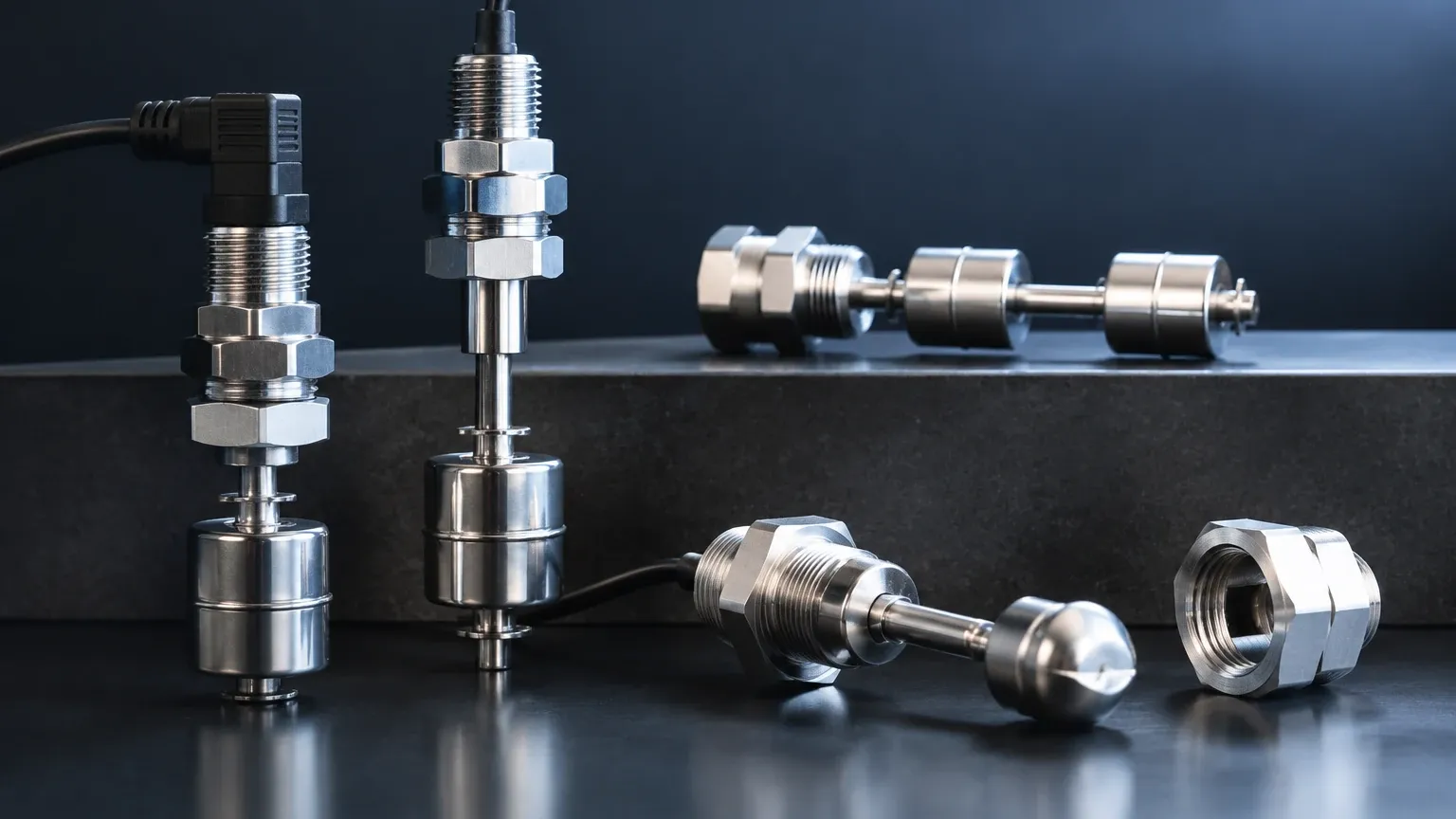
Operational Limitations and Maintenance
While robust, mechanical level switches have inherent limitations compared to solid-state technologies like radar or ultrasonic sensors.
* Moving Parts: Any device with moving parts is subject to wear and tear. Over time, pivots can corrode or scale can build up on the float, changing its buoyancy.
* Coating and Scaling: In water treatment or chemical processing, minerals can deposit on the sensing element. This increases the mass of the float or displacer, potentially leading to a failure to switch.
* Pressure Shocks: Rapid pressure changes or water hammer can collapse thin-walled floats. In such environments, solid displacers are a more resilient choice.
Maintenance should include a periodic visual inspection of the float/displacer and a check of the electrical continuity of the switch contacts. If the switch is used for high-level alarms, it may sit idle for years; therefore, manual actuation tests are essential to ensure it will function when needed.
Frequently Asked Questions (FAQ)
Q: Can Officine Orobiche level switches be used for interface detection?
A: Yes, specifically the displacer models. By weighting the displacer to sink in the upper (lighter) liquid but float in the lower (heavier) liquid, the switch can detect the interface level between fluids like oil and water.
Q: What is the advantage of a DPDT switch over an SPDT switch?
A: A Double Pole Double Throw (DPDT) switch allows you to control two independent circuits simultaneously—for example, one to trigger an audible alarm and another to shut down a pump—providing redundancy and simplified wiring.
Q: How do I handle foaming in the tank?
A: Mechanical switches like those from Officine Orobiche are generally less affected by foam than ultrasonic or radar sensors, as the foam usually does not have enough density to move a weighted float or displacer. However, extremely thick foam can still cause mechanical drag.
Q: Are these switches compatible with PLC inputs?
A: Yes. Most industrial level switches provide dry contacts (volt-free) that are easily integrated into PLC (Programmable Logic Controller) or DCS (Distributed Control System) digital input cards.
Conclusion
Selecting the right point-level detection technology is a balance of process conditions, budget, and safety requirements. Officine Orobiche level switches represent a traditional, highly reliable approach to level monitoring, particularly in environments where electronic sensors might struggle with temperature or pressure extremes. By understanding the underlying principles of buoyancy and magnetic coupling, and by adhering to strict selection and installation standards, engineers can ensure long-term reliability for their process control systems. For those seeking a broad range of industrial solutions, exploring high-quality Level Switches and modern alternatives is the first step toward optimized plant automation.