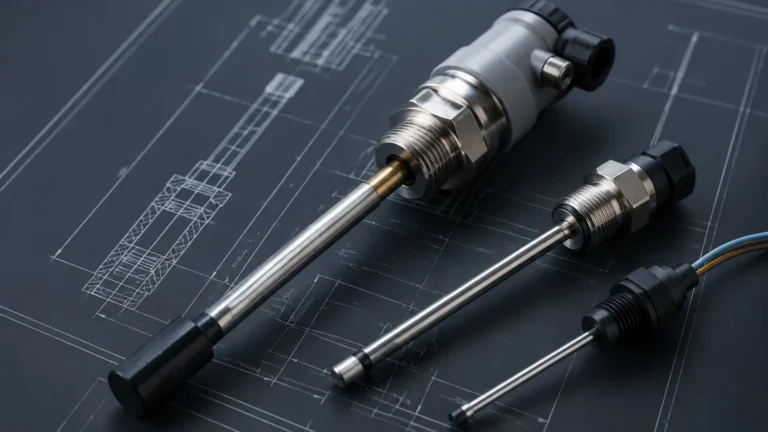
Vega Pressure Transducer
Vega Pressure Transducer
In the landscape of industrial automation and process control, the precise measurement of pressure and level is fundamental to operational safety and efficiency. A vega pressure transducer is a specialized instrument designed to convert physical pressure into a standardized electrical signal, typically 4-20mA or a digital protocol like HART, Profibus, or Foundation Fieldbus. These devices are ubiquitous in sectors ranging from water treatment and chemical processing to oil and gas production.
Selecting the right instrumentation requires a deep understanding of the underlying measurement principles, the specific demands of the process environment, and the technical specifications of the hardware. This guide provides a detailed technical overview of pressure transduction technology, selection criteria, and installation best practices for engineering professionals.
Measurement Principles of Pressure Transducers
Before selecting a specific vega pressure transducer or an equivalent solution from a manufacturer like Welk, it is essential to understand the two primary sensing technologies used in modern industrial pressure measurement: ceramic-capacitive and metallic piezoresistive sensors.
Ceramic-Capacitive Sensors
Ceramic sensors are often referred to as "dry" measuring cells because they do not require an internal transmission fluid (such as synthetic oil) to convey pressure from the diaphragm to the sensing element. The sensor consists of a ceramic base body and a ceramic diaphragm that form a capacitor. When pressure is applied, the distance between the electrodes changes, resulting in a measurable change in capacitance.
* Advantages: High resistance to mechanical wear and abrasion, excellent chemical compatibility (especially with aggressive acids), and high overload resistance.
* Limitations: Generally limited to lower and medium pressure ranges compared to metallic cells.
Metallic Piezoresistive Sensors
These sensors utilize a metallic diaphragm (often stainless steel, Hastelloy, or Tantalum) and an internal transmission fluid. The pressure acts on the diaphragm, which transmits the force through the fluid to a piezoresistive bridge. This bridge undergoes a change in electrical resistance proportional to the applied pressure.
* Advantages: Capable of measuring extremely high pressures (up to 1,000 bar or more), high vibration resistance, and suitability for high-temperature applications where specialized fill fluids can be used.
* Limitations: Susceptible to damage from abrasive particles and potential diaphragm hydrogen permeation in specific chemical environments.
Hydrostatic Level Measurement Applications
While pressure transducers are used to monitor line pressure in pipes, a significant portion of their application in B2B environments involves hydrostatic level measurement. By measuring the pressure exerted by a liquid column at the bottom of a tank, the level can be calculated using the formula:
P = ρ × g × h
Where:
* P is the hydrostatic pressure (Pa or bar).
* ρ (rho) is the density of the liquid (kg/m³).
* g is the acceleration due to gravity (approx. 9.81 m/s²).
* h is the height of the liquid column (m).
For open tanks, a single pressure transducer mounted at the base (gauge pressure) is sufficient. However, in pressurized vessels, a differential pressure (DP) measurement is required to subtract the top-side gas pressure from the total pressure at the bottom. For a comprehensive range of instruments designed for these specific applications, engineers often consult the Main Page of specialized manufacturers to compare hydrostatic transmitters with radar or ultrasonic alternatives.
Key Evaluation Criteria for Selection
Choosing a vega pressure transducer involves matching the instrument's specifications to the process conditions. Failure to account for these variables can lead to drift, premature sensor failure, or safety hazards.
1. Pressure Type: Absolute vs. Gauge
* Gauge Pressure: Measured relative to atmospheric pressure. Used in most standard tank and pipe applications.
* Absolute Pressure: Measured relative to a perfect vacuum. Essential for vacuum distillation columns or processes where atmospheric pressure fluctuations would introduce unacceptable errors.
2. Process Temperature and Thermal Shock
Standard transducers typically operate between -40°C and +80°C. However, steam cleaning (SIP) or high-temperature chemical reactions may require sensors rated for 150°C to 200°C. In these cases, cooling fins or capillary tubes are used to protect the electronics.
3. Chemical Compatibility
The wetted parts—specifically the diaphragm and the process connection—must be resistant to the process medium. While 316L stainless steel is standard, aggressive media like chlorine or hot sulfuric acid may necessitate Tantalum, Monel, or PVDF coatings.
4. Output and Integration
Modern industrial plants require integration into PLC or SCADA systems. While 4-20mA remains the industry standard, digital integration via HART allows for remote configuration and advanced diagnostics, reducing the need for manual site inspections.
Practical Selection Table
| Feature | Ceramic-Capacitive Transducer | Metallic Piezoresistive Transducer |
| :— | :— | :— |
| Measuring Range | 0.1 bar to 60 bar | 0.4 bar to 1000+ bar |
| Overload Resistance | Very High (up to 200x) | Moderate (typically 3x to 10x) |
| Abrasion Resistance | Excellent (Al2O3 Ceramic) | Low (Thin metallic diaphragm) |
| Vacuum Resistance | High | Limited (depends on fill fluid) |
| Typical Application | Slurries, Acids, Wastewater | High-pressure oil, Steam, Hydraulics |
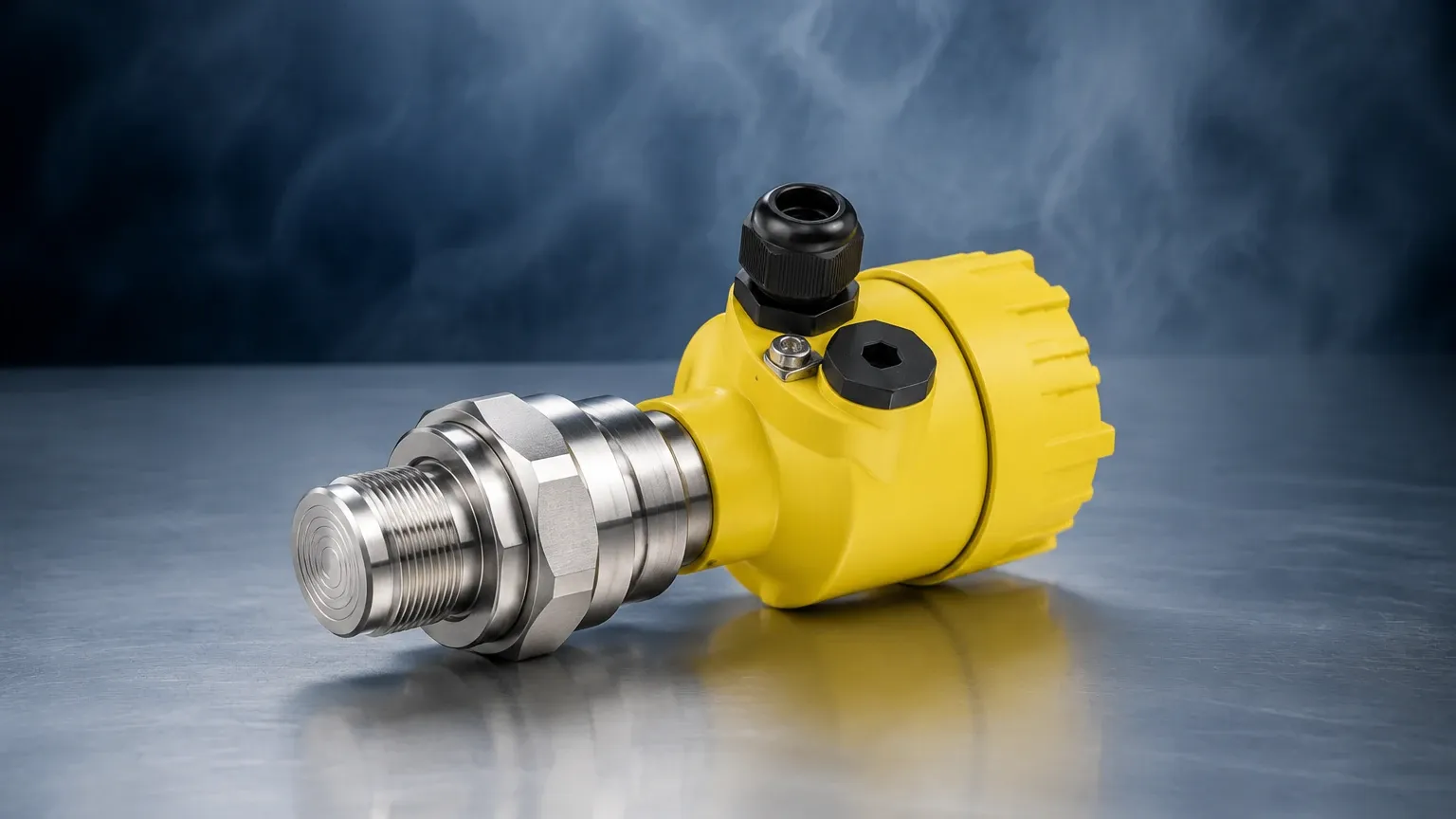
Installation Considerations and Best Practices
Correct installation is as critical as instrument selection. Even the highest quality vega pressure transducer will provide inaccurate data if installed incorrectly.
1. Venting: For gauge pressure sensors, ensure the reference vent in the cable or housing is not blocked. Moisture ingress into the vent can lead to sensor drift or internal corrosion.
2. Impulse Lines: When measuring steam or hot gases, use a siphon or impulse line to create a water seal (pigtail) that prevents high-temperature media from directly contacting the sensor diaphragm.
3. Positioning: In liquid applications, mount the transducer below the tap point to ensure the impulse line remains full of liquid and free of air bubbles. In gas applications, mount the sensor above the tap point to allow condensate to drain back into the process.
4. Mounting Torque: Over-tightening a threaded process connection can induce mechanical stress on the sensor body, leading to zero-point offsets. Always follow the manufacturer's torque specifications.
Limitations and Common Risks
Engineers must be aware of the technical boundaries of pressure transduction technology:
* Hydrogen Permeation: In high-pressure hydrogen applications, hydrogen atoms can diffuse through metallic diaphragms, forming bubbles in the fill fluid and causing significant measurement errors. Gold-plated diaphragms are often required as a barrier.
* Density Fluctuations: Since hydrostatic level measurement relies on liquid density, any change in temperature or concentration that alters the density will result in a level error. If density is variable, radar level meters may be a more reliable choice.
* Ambient Temperature Effects: While sensors are temperature-compensated, extreme swings in ambient temperature can still affect the electronics. Sunshades or insulated housings are recommended for outdoor installations in harsh climates.
Frequently Asked Questions (FAQ)
Q: How often should a pressure transducer be calibrated?
A: Calibration intervals depend on the criticality of the process and the stability of the sensor. Most industrial B2B applications require an annual calibration check, though high-stability ceramic sensors may extend this to every two years.
Q: Can a pressure transducer be used for vacuum measurement?
A: Yes, but you must specify an absolute pressure sensor or a gauge sensor designed for negative pressure. Ceramic cells are generally more robust for vacuum applications as there is no fill fluid to outgas.
Q: What is the difference between a pressure transducer and a pressure transmitter?
A: In technical terms, a transducer converts pressure to a low-level electrical signal (like millivolts), while a transmitter includes signal conditioning to output a standardized industrial signal (like 4-20mA). In modern industrial discourse, the terms are often used interchangeably.
Q: Are these sensors suitable for hygienic applications?
A: Yes, provided they feature hygienic process connections (like Tri-Clamp or Varivent) and diaphragms with a surface roughness (Ra) of less than 0.8 μm to prevent bacterial growth.
Conclusion
The implementation of a vega pressure transducer or a similar industrial-grade instrument is a strategic decision that impacts the reliability of an entire process loop. By prioritizing the measurement principle—whether ceramic or metallic—and carefully auditing the process conditions, engineers can ensure long-term accuracy and minimal maintenance. For those seeking a wide array of industrial measurement solutions, including radar and ultrasonic sensors that complement pressure-based systems, visiting the Main Page provides access to technical support and product specifications tailored for global industrial automation requirements.