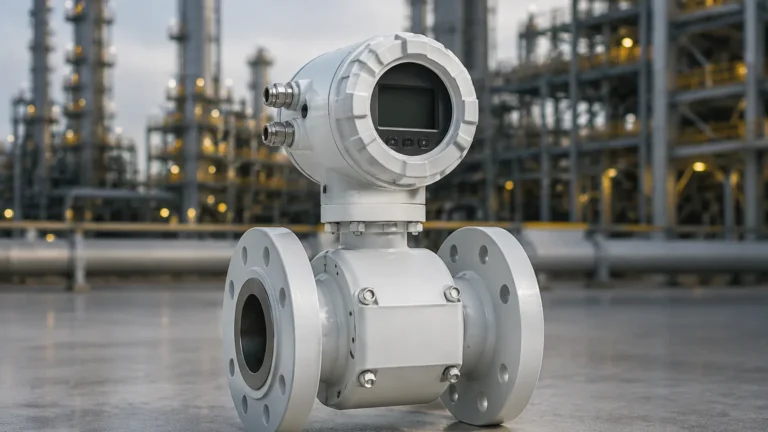
Pmc51b
Pmc51b
In the realm of industrial process automation, the accuracy and reliability of level measurement are fundamental to operational safety and efficiency. The pmc51b is a high-performance digital pressure transmitter equipped with a ceramic measuring cell, designed specifically for the measurement of level, volume, or mass in liquids and gases. As part of a broader ecosystem of industrial instrumentation, this device utilizes hydrostatic principles to provide precise data even in harsh environments. For engineers and procurement specialists seeking comprehensive measurement solutions, understanding the technical nuances of the pmc51b is essential for optimizing plant performance.
Understanding Hydrostatic Level Measurement Principles
Before selecting a specific instrument like the pmc51b, it is vital to understand the underlying physics of hydrostatic level measurement. This method relies on the relationship between the pressure exerted by a liquid column and the height of that column.
The Fundamental Equation
The pressure ($P$) at the bottom of a tank is directly proportional to the height ($h$) of the liquid, its density ($\rho$), and the force of gravity ($g$):
$$P = \rho \cdot g \cdot h$$
By measuring the pressure at a fixed point (usually the bottom of the vessel or a known offset), the transmitter can calculate the level. This method is highly effective for vented tanks. In pressurized vessels, a differential pressure approach is required to subtract the headspace pressure from the total pressure measured at the bottom.
The Dry Ceramic Measuring Cell
The pmc51b distinguishes itself through the use of a "dry" ceramic measuring cell. Unlike traditional metallic diaphragms that use a synthetic oil to transmit pressure to the sensor element, a ceramic cell (typically made of 99.9% high-purity aluminum oxide, $Al_2O_3$) acts as a capacitive sensor.
When pressure is applied to the ceramic diaphragm, it deflects slightly, changing the capacitance between the diaphragm and the substrate. This change is converted into an electrical signal. The absence of oil filling—the "dry" design—eliminates the risk of process contamination should the diaphragm fail and makes the sensor exceptionally resistant to vacuum conditions and abrasive media.
Key Features of the pmc51b Series
The pmc51b is engineered for the "Industry 4.0" era, combining robust mechanical design with advanced digital capabilities. It is frequently compared to other high-end transmitters in the market, such as those offered by Welk, which provide specialized solutions for water treatment and chemical processing.
1. Robust Material Construction
The ceramic sensor is inherently resistant to corrosion and abrasion, making it ideal for slurries or chemically aggressive fluids. The housing is typically available in stainless steel or plastic, depending on the environmental requirements.
2. Digital Integration and Bluetooth
Modern iterations of the pmc51b feature Bluetooth connectivity, allowing for wireless commissioning and maintenance via mobile devices. This reduces the need for physical access to transmitters located in hard-to-reach or hazardous areas. It supports HART communication protocols for seamless integration into existing Distributed Control Systems (DCS).
3. Heartbeat Technology
This diagnostic suite provides continuous self-monitoring and verification without interrupting the process. It can detect issues such as blocked impulse lines or sensor drift, providing a high level of confidence in the measurement data and extending calibration intervals.
4. Safety and Compliance
The device is often rated for SIL 2/3 (Safety Integrity Level) applications, ensuring it meets the stringent requirements of the oil and gas and chemical industries. It also carries various hazardous area certifications (ATEX, IECEx, FM, CSA).
Technical Selection and Specifications Table
When evaluating the pmc51b for a specific project, engineers must match the device specifications to the process conditions. The following table provides a general overview of the typical performance parameters for this class of transmitter.
| Parameter | Specification (Metric) | Specification (Imperial) | Notes |
| :— | :— | :— | :— |
| Measuring Range | 100 mbar to 40 bar | 1.5 psi to 600 psi | Custom ranges available |
| Reference Accuracy | ±0.075% (Standard) | ±0.075% | Platinum version: ±0.05% |
| Process Temperature | -40°C to +125°C | -40°F to +257°F | Higher ranges with cooling |
| Long-term Stability | < 0.1% of URL per year | < 0.1% of URL per year | Excellent for ceramic cells |
| Output Signal | 4-20 mA HART, Bluetooth | 4-20 mA HART, Bluetooth | Digital integration ready |
| Diaphragm Material | Ceraphire (99.9% $Al_2O_3$) | Ceraphire (99.9% $Al_2O_3$) | Extremely hard and durable |
| Vacuum Resistance | 0 mbar (absolute) | 0 psi (absolute) | Ideal for vacuum distillation |
For a broader range of industrial level measurement instruments, including radar and ultrasonic alternatives, professionals can visit the Main Page to review product options and application support.
Installation and Mounting Guidelines
Correct installation is critical to the longevity and accuracy of the pmc51b. Even the most advanced sensor will fail to provide reliable data if mounted incorrectly.
Orientation and Position
* Liquid Applications: The transmitter should ideally be mounted below the tapping point to ensure the impulse line (if used) remains full of liquid, preventing air bubbles from causing pressure fluctuations.
* Gas Applications: The transmitter should be mounted above the tapping point so that condensate can drain back into the process line.
* Level in Tanks: For hydrostatic level measurement, the device is usually mounted at the lowest point of the tank. If the sensor is mounted with a flange, ensure the gasket does not protrude into the flow path or obstruct the diaphragm.
Environmental Considerations
While the pmc51b is robust, extreme temperature fluctuations can cause "thermal shock" in ceramic sensors if not managed. In outdoor installations, a sunshade is recommended to prevent direct solar heating from affecting the electronics and the reference air pressure compensation.
Pressure Compensation
For gauge pressure measurement, the transmitter requires a reference to atmospheric pressure. This is usually achieved through a vented cable or a venting element in the housing. It is imperative to keep this vent clear of moisture and debris. If the vent becomes blocked, the level reading will drift as atmospheric pressure changes.

Application Scenarios and Process Compatibility
The pmc51b is a versatile tool, but it excels in specific environments where other technologies might fail.
Chemical and Petrochemical
Due to the chemical inertness of aluminum oxide, the ceramic cell is highly resistant to acids, alkalis, and solvents. It is a preferred choice for storage tanks containing aggressive chemicals where metallic diaphragms (even those made of Hastelloy or Tantalum) might eventually corrode.
Vacuum Applications
Many level transmitters with oil-filled capillaries struggle in vacuum conditions, as the vacuum can cause the oil to outgas or pull the diaphragm outward (oil expansion). The dry ceramic cell of the pmc51b is mechanically fixed and vacuum-tight, making it exceptionally stable in vacuum distillation columns.
Abrasive Slurries
In mining or wastewater treatment, fluids often contain suspended solids. These solids can dent or abrade thin metal diaphragms. The hardness of the ceramic material used in the pmc51b is second only to diamond, allowing it to withstand the impact of abrasive particles without losing calibration.
Limitations and Alternative Technologies
Despite its advantages, the pmc51b is not a universal solution. Engineers must recognize its limitations:
1. Density Sensitivity: Hydrostatic measurement is dependent on liquid density. If the density of the process fluid changes (due to temperature or concentration shifts) and is not compensated for, the level reading will be inaccurate.
2. Contact Measurement: As a pressure-based system, the sensor must be in contact with the process fluid. In applications involving extremely high temperatures (above 150°C/300°F) or highly viscous media that could clog the process connection, non-contact methods like Radar or Ultrasonic level meters may be more appropriate.
3. Pressure Spikes: While ceramic is hard, it is also brittle. Extreme hydraulic shock (water hammer) can potentially crack the ceramic disk, although modern designs include features to mitigate this risk.
For applications where non-contact measurement is required, or for specialized industrial automation needs, exploring the full catalog on the Main Page is recommended to find the most cost-effective and reliable technology.
Maintenance and Diagnostics
Maintenance of the pmc51b is simplified by its digital architecture. The following practices are recommended for long-term reliability:
* Remote Verification: Use the Bluetooth interface to perform a "Heartbeat Verification" annually. This generates a report that confirms the device is functioning within factory specifications without removing it from the process.
* Zero-Point Adjustment: Periodically check the zero-point when the tank is empty. While the ceramic cell has excellent long-term stability, small shifts can occur over several years.
* Visual Inspection: Check the process connection for leaks and ensure the housing vent is not obstructed by paint, ice, or insect nests.
Frequently Asked Questions (FAQ)
Q: Can the pmc51b be used for steam applications?
A: While it can measure steam pressure, the temperature must be carefully managed. Ceramic cells are sensitive to rapid temperature changes. Using a pigtail syphon to condense steam and provide a liquid seal is a standard practice to protect the sensor.
Q: How does the pmc51b handle foam on the surface of the liquid?
A: One of the primary advantages of hydrostatic measurement over ultrasonic or radar is that it is unaffected by foam. The pressure at the bottom of the tank is determined by the mass of the liquid, regardless of whether there is foam on top.
Q: Is the Bluetooth connection secure?
A: Yes, the Bluetooth interface uses encrypted communication and requires a specific pairing code, preventing unauthorized access to the transmitter settings.
Q: What is the difference between the pmc51b and a standard pressure transmitter?
A: The pmc51b is optimized for process industries with high-purity ceramic sensors, advanced diagnostics, and modular housing options that allow for easier integration into complex level and pressure monitoring systems compared to basic industrial transmitters.
In conclusion, the pmc51b is a robust, highly accurate instrument designed for the demanding needs of modern process engineering. By leveraging the benefits of ceramic sensor technology and digital connectivity, it provides a reliable solution for level measurement across a wide range of industries. When selecting instrumentation, always consider the specific chemical, thermal, and mechanical stresses of your application to ensure the longest possible service life.