Ph Analyzer Transmitter
Ph Analyzer Transmitter
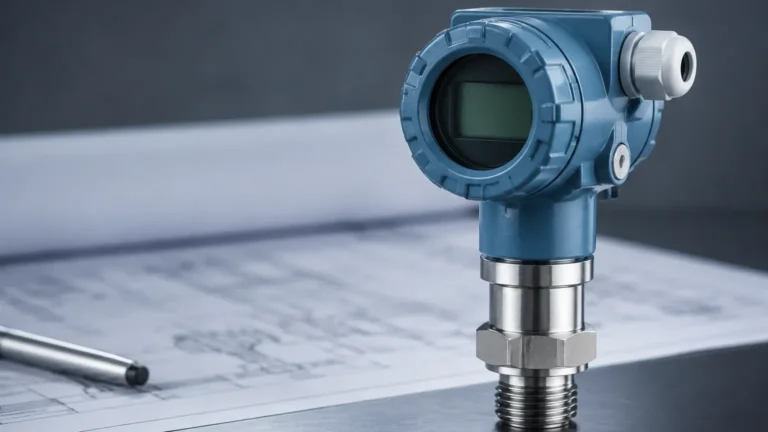
In industrial process control, monitoring the acidity or alkalinity of a liquid is critical for product quality, equipment protection, and environmental compliance. A ph analyzer transmitter serves as the essential electronic component that interfaces with a pH sensor to provide a standardized signal for control systems. Unlike simple laboratory pH meters, industrial transmitters are designed for continuous operation in harsh environments, offering robust signal conditioning, temperature compensation, and diverse communication protocols.
As a professional manufacturer of industrial measurement instruments, Welk provides high-precision solutions for complex fluid environments. While our expertise often focuses on level measurement, the integration of analytical instruments like the pH analyzer transmitter is vital for comprehensive process automation in water treatment, chemical processing, and the oil and gas sectors.
Measurement Principles of pH Analysis
To select and maintain a ph analyzer transmitter effectively, it is necessary to understand the electrochemical principles it manages. The measurement of pH is based on the potential difference between a sensing electrode and a reference electrode.
The Nernst Equation
The relationship between the measured voltage and the pH of the solution is governed by the Nernst Equation. In simplified terms, the voltage produced by the pH sensor is proportional to the absolute temperature and the logarithm of the hydrogen ion activity. At a standard temperature of 25°C (298.15 K), a change of one pH unit corresponds to a change of 59.16 millivolts (mV).
Signal Conversion and Impedance
A pH electrode acts as a high-impedance voltage source, often exceeding 100 MΩ to 1,000 MΩ. This makes the signal extremely susceptible to electromagnetic interference and leakage currents. The primary role of the ph analyzer transmitter is to provide an input stage with even higher impedance (typically >10^12 Ω) to prevent signal loading and then convert the raw millivolt signal into a stable, low-impedance output, such as 4-20mA or a digital bus signal.
Temperature Compensation
pH measurement is inherently temperature-dependent. Temperature affects both the sensitivity of the electrode (the "slope" of the Nernst Equation) and the actual pH of the process liquid. Modern transmitters utilize Automatic Temperature Compensation (ATC) by receiving input from a Resistance Temperature Detector (RTD), such as a Pt100 or Pt1000 sensor, located within or near the pH electrode assembly. The transmitter then adjusts the calculated pH value to reflect the standard reference temperature.
Key Components of an Industrial pH System
An industrial pH measurement loop typically consists of three main parts:
1. The pH Sensor (Electrode): Usually a glass-membrane electrode paired with a reference electrode (often Silver/Silver Chloride). Specialized versions exist for high temperatures, high pressures, or hydrofluoric acid applications.
2. The pH Analyzer Transmitter: The "brain" of the system that processes the signal, displays the value, and communicates with the control room.
3. The Sensor Housing/Mounting: This protects the sensor and ensures proper contact with the process fluid. Common types include immersion probes, flow-through assemblies, and retractable housings for maintenance without process shutdown.
Selection Criteria for Process Environments
Choosing the right ph analyzer transmitter requires an evaluation of both the electronic features and the physical environment. Engineers should consider the following factors:
Communication and Integration
For modern industrial automation, the transmitter must integrate seamlessly with a PLC or DCS. While 4-20mA analog signals remain the standard, many facilities now require digital protocols like HART, Modbus RS485, or Foundation Fieldbus to access diagnostic data, such as electrode slope and glass impedance.
Enclosure and Protection
Transmitters installed in the field must withstand moisture, corrosive vapors, and mechanical impact. Look for enclosures rated at IP66 or IP67, often constructed from polycarbonate or stainless steel. For hazardous areas, explosion-proof or intrinsically safe certifications (ATEX/IECEx) are mandatory.
Diagnostic Capabilities
Advanced transmitters provide "sensor health" monitoring. By measuring the impedance of the glass membrane and the reference junction, the transmitter can alert operators to cracked glass, electrode coating, or reference depletion before the measurement fails completely.
Practical Selection Table
| Feature | Specification | Industrial Benefit |
| :— | :— | :— |
| Input Impedance | > 10^12 Ω | Ensures accuracy with high-resistance glass electrodes. |
| Measurement Range | 0.00 to 14.00 pH | Covers the full range of acidity and alkalinity. |
| Output Options | 4-20mA, HART, Modbus | Flexible integration with various control architectures. |
| Power Supply | 24V DC or 110/220V AC | Compatibility with available plant power. |
| Temperature Comp. | Pt100 / Pt1000 (Manual/Auto) | Maintains accuracy across fluctuating process temperatures. |
| Relay Outputs | 2 to 4 SPDT Relays | Allows for local alarm or dosing pump control. |
Installation and Calibration Guidelines
Proper installation is as critical as the hardware itself. For a ph analyzer transmitter to provide reliable data, follow these engineering best practices:
Mounting Considerations
* Cable Length: Because of the high-impedance signal, the cable between the sensor and the transmitter should be kept as short as possible (typically under 15 meters) unless a pre-amplifier is used.
* Grounding: Ensure the transmitter is properly grounded to prevent ground loops, which can cause significant measurement drift or erratic readings.
* Accessibility: Mount the transmitter at eye level in a location that allows technicians to perform calibration and maintenance safely.
Calibration Procedures
Industrial pH systems require regular calibration using buffer solutions (typically pH 4.01, 7.00, and 10.01).
1. Two-Point Calibration: This is the most common method. The transmitter is calibrated at pH 7 (the zero point) and then at a second point (the slope) that brackets the expected process value.
2. Cleaning: Before calibration, the electrode must be cleaned of any scaling or organic fouling. A dirty electrode will result in a slow response and incorrect slope calculation.
For comprehensive system design and to explore how analytical transmitters integrate with broader instrumentation packages, users can visit the Main Page to review product options and application support.

Limitations and Maintenance
While a ph analyzer transmitter is a highly reliable electronic device, the overall measurement loop has inherent limitations:
* Electrode Aging: pH electrodes are consumable items. Over time, the glass membrane leaches and the reference electrolyte becomes contaminated. Transmitters must be recalibrated frequently to account for this drift.
* Coating and Fouling: In wastewater or chemical slurries, substances can coat the sensor. If the transmitter detects a high reference impedance, it indicates that the junction is blocked and requires cleaning.
* Temperature Extremes: Standard electrodes typically operate up to 80°C or 100°C. High-temperature applications require specialized sensors and transmitters capable of managing the increased thermal noise.
Frequently Asked Questions (FAQ)
Q: How often should I calibrate my pH transmitter?
A: Frequency depends on the process. In stable, clean water applications, monthly calibration may suffice. In harsh chemical processes, weekly or even daily calibration might be necessary to maintain accuracy.
Q: What is the difference between a pH controller and a pH transmitter?
A: A transmitter primarily converts the sensor signal for a remote system. A controller includes additional software and hardware (like multiple relays and PID control loops) to directly manage dosing pumps or valves based on the pH reading.
Q: Can I use any pH electrode with my transmitter?
A: Most industrial transmitters are compatible with standard BNC or S8 connector electrodes. However, you must ensure the temperature compensation element (e.g., Pt100 vs. Pt1000) matches the transmitter’s input configuration.
Q: Why is my pH reading drifting?
A: Common causes include a depleted reference electrode, a cracked glass membrane, moisture in the junction box, or electrical interference from nearby high-voltage equipment.
Conclusion
The ph analyzer transmitter is a cornerstone of industrial liquid analysis. By effectively managing the complex electrochemical signals from pH sensors and providing robust data to control systems, these devices ensure process stability and safety. When selecting a transmitter, engineers must prioritize high input impedance, robust environmental protection, and advanced diagnostics to ensure long-term reliability. For further technical specifications and to see how these instruments fit into a total process solution, visit the Welk Main Page for detailed product catalogs and engineering assistance.