Chlorine Sensor
Chlorine Sensor
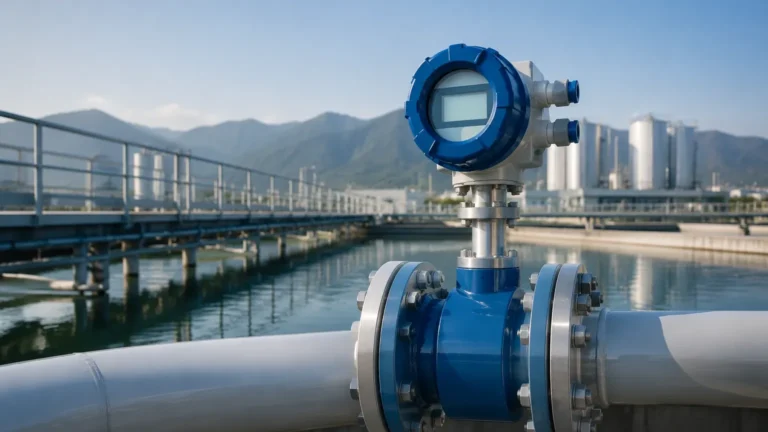
In industrial water treatment and process automation, the precise measurement of disinfectant concentrations is critical for safety, regulatory compliance, and operational efficiency. A chlorine sensor is an analytical instrument designed to detect and quantify the presence of chlorine in aqueous solutions. Whether used in municipal drinking water systems, cooling towers, or complex chemical manufacturing, these sensors provide the real-time data necessary to automate dosing systems and ensure that water quality remains within specified parameters.
While chlorine is an effective disinfectant, its concentration must be strictly controlled. Excessive levels can lead to equipment corrosion, harmful disinfection byproducts (DBPs), and increased operational costs, while insufficient levels fail to eliminate pathogens or prevent biofouling. This article provides a comprehensive technical overview of chlorine sensor technologies, their operating principles, and the engineering considerations required for successful integration into industrial processes.
Measurement Principles of Chlorine Sensors
Understanding how a chlorine sensor functions is the first step in selecting the appropriate technology for a specific application. Most industrial chlorine sensors utilize electrochemical methods, though colorimetric and potentiometric methods are also prevalent in certain sectors.
Amperometric Sensors
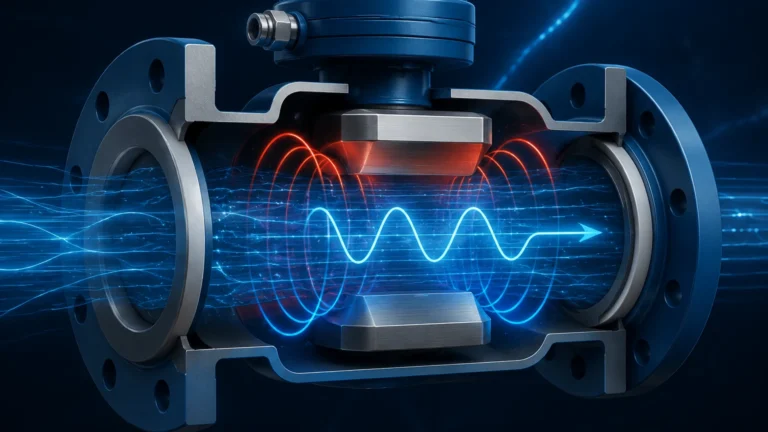
Amperometric measurement is the most common technology used for continuous online monitoring. This method relies on an electrochemical cell consisting of a working electrode (cathode) and a reference electrode (anode). When a constant polarization voltage is applied between these electrodes, a chemical reduction occurs at the cathode.
In the case of free chlorine, the hypochlorous acid (HOCl) molecules migrate through a gas-permeable membrane and are reduced at the cathode. This reaction generates an electrical current that is directly proportional to the concentration of chlorine in the sample.
There are two primary designs for amperometric sensors:
1. Membrane-Covered Sensors: These feature a selective membrane that allows only specific molecules (like HOCl) to pass through to the electrolyte-filled chamber. This design protects the electrodes from contamination and reduces the influence of flow fluctuations.
2. Open (Non-Membrane) Sensors: These sensors have electrodes in direct contact with the process water. While they offer faster response times, they are highly sensitive to changes in flow velocity and are more prone to electrode fouling.
Colorimetric (DPD) Method
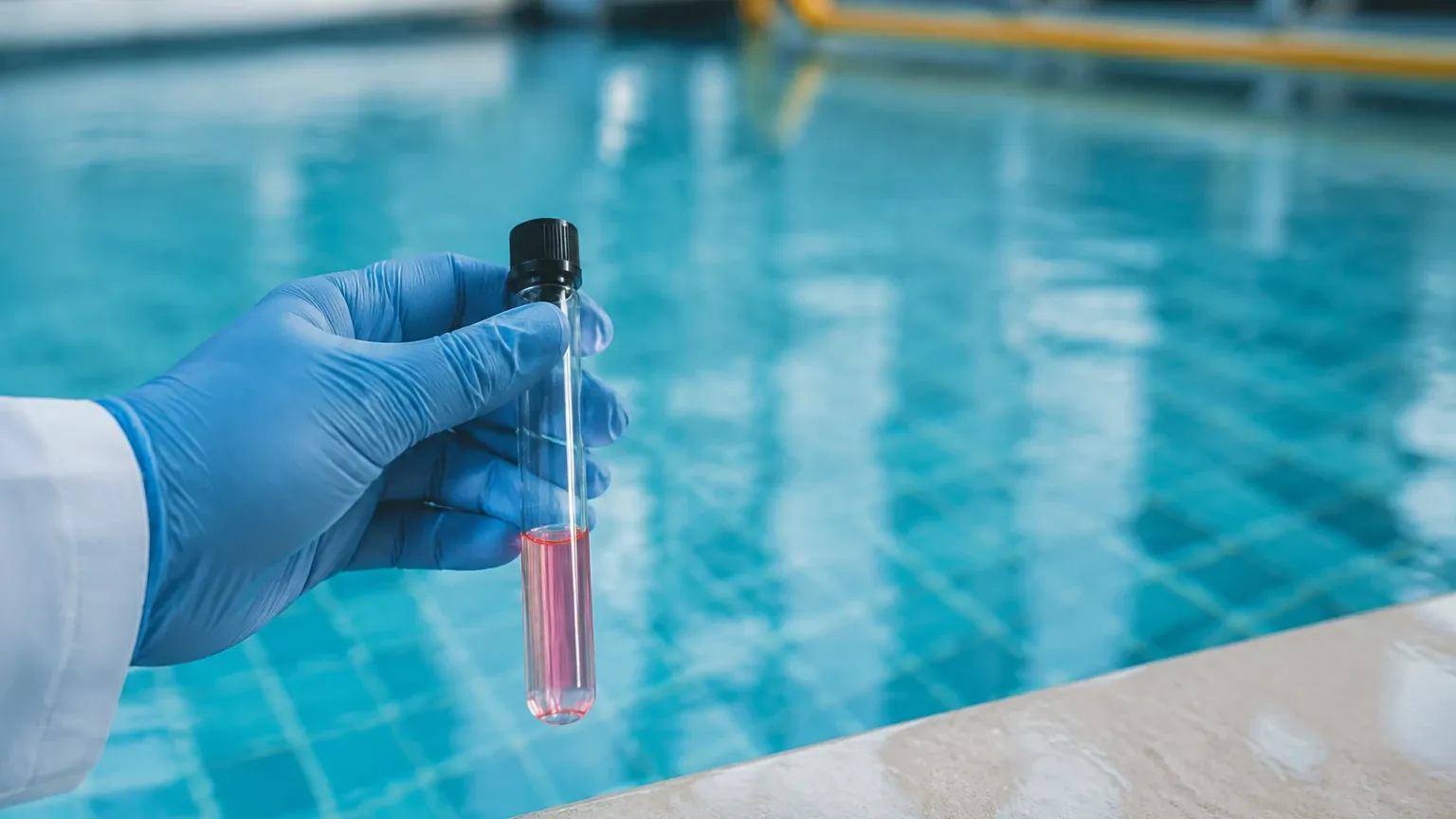
The N,N-diethyl-p-phenylenediamine (DPD) method is a laboratory standard adapted for automated online analyzers. In this process, a reagent is added to the water sample, reacting with chlorine to produce a pinkish-red color. An optical sensor then measures the intensity of the color (absorbance) at a specific wavelength. While highly accurate and less sensitive to pH fluctuations than amperometric sensors, colorimetric systems require the continuous consumption of reagents and involve more moving parts, such as pumps and valves.
Potentiometric (ORP) Measurement
Oxidation-Reduction Potential (ORP) sensors measure the overall oxidative capacity of the water rather than the specific concentration of chlorine. While ORP is a useful indicator of disinfection efficacy, it is not a direct measure of chlorine ppm (parts per million). ORP readings are influenced by all oxidizing and reducing agents in the water, making them less specific than dedicated chlorine sensors.
Types of Chlorine Measured
When selecting a chlorine sensor, it is essential to distinguish between the different forms of chlorine present in a system:
* Free Chlorine: The sum of dissolved chlorine gas (Cl2), hypochlorous acid (HOCl), and hypochlorite ion (OCl-). HOCl is the most effective disinfectant and is typically what sensors target in drinking water and pool applications.
* Combined Chlorine: Formed when free chlorine reacts with organic nitrogen or ammonia compounds (forming chloramines). These are weaker disinfectants and often responsible for the "chlorine smell."
* Total Chlorine: The sum of free chlorine and combined chlorine. Total chlorine sensors are frequently used in wastewater treatment and for monitoring dechlorination processes.
Technical Selection Criteria
Selecting the right chlorine sensor requires an evaluation of the process environment and the specific goals of the measurement. The following table summarizes the key differences between common sensor configurations:
| Feature | Amperometric (Membrane) | Amperometric (Open) | Colorimetric (DPD) |
| :— | :— | :— | :— |
| Target Analyte | Free or Total Chlorine | Free Chlorine | Free or Total Chlorine |
| Response Time (T90) | 30–120 seconds | < 30 seconds | 2–10 minutes (Batch) |
| pH Sensitivity | High (Requires compensation) | High | Low (Buffered) |
| Maintenance | Electrolyte/Membrane change | Electrode cleaning | Reagent replacement |
| Typical Range | 0–20 mg/L | 0–10 mg/L | 0–5 mg/L |
| Best Use Case | Clean water, stable flow | High-fouling water | Regulatory verification |
pH and Temperature Dependency
For amperometric sensors measuring free chlorine, pH is a critical variable. As pH rises, the equilibrium shifts from hypochlorous acid (HOCl) to the hypochlorite ion (OCl-). Since most membrane-covered sensors are significantly more sensitive to HOCl, a rise in pH will result in a lower current output even if the total free chlorine concentration remains constant. Modern systems often include an integrated pH sensor to provide automatic software compensation.
Temperature also affects the rate of diffusion through the sensor membrane and the chemical kinetics at the electrode. Most industrial-grade sensors include a Pt100 or Pt1000 temperature element to normalize the readings to 25°C.
Installation Considerations
Proper installation is vital for the longevity and accuracy of a chlorine sensor. Unlike level meters, which can often be mounted at the top of a tank, chlorine sensors usually require a continuous flow of sample water.
1. Flow Control: Amperometric sensors are flow-dependent. They should be installed in a dedicated flow cell (bypass assembly) that maintains a constant flow rate, typically between 30 and 60 liters per hour (L/h). If the flow is too low, the sensor will under-read due to the depletion of chlorine at the membrane surface.
2. Pressure Regulation: Sudden pressure spikes can damage delicate sensor membranes. A pressure regulator or a gravity-fed overflow weir should be used to ensure the flow cell operates at a stable pressure, usually not exceeding 1 bar (14.5 psi) for standard membrane types.
3. Orientation: Sensors should be installed vertically or at a slight angle to prevent air bubbles from accumulating on the membrane surface, which would interfere with the measurement.
4. Positioning in the Dosing Loop: The sensor should be located downstream of the chlorine injection point, but far enough away to ensure the chemical is fully mixed with the process water. However, the distance should not be so great that it introduces excessive dead time into the control loop.
In many chemical dosing applications, monitoring the level of the chlorine storage tank is as important as monitoring the concentration in the process line. For comprehensive fluid management solutions, engineers often refer to the Main Page of instrumentation providers to select compatible radar or ultrasonic level transmitters that work alongside chlorine sensors to ensure an uninterrupted supply of disinfectant.
Limitations and Common Risks
While highly effective, chlorine sensors are subject to several environmental interferences:
* Interfering Substances: Strong oxidants like ozone, chlorine dioxide, or bromine can produce false positive readings on amperometric sensors. In wastewater applications, high concentrations of surfactants can coat the membrane, preventing the diffusion of chlorine.
* Zero-Point Drift: Over time, the sensor’s baseline may shift. This is often caused by changes in the electrolyte chemistry or the accumulation of microscopic deposits on the electrodes.
* Air Bubbles: In pressurized systems, dissolved air can come out of solution and form bubbles on the sensor tip. This creates a physical barrier that prevents chlorine from reaching the cathode, leading to erratic or low readings.
* Membrane Fouling: In applications with high turbidity or biological activity, the membrane can become fouled. Regular cleaning and the use of pre-filtration are recommended for such environments.
Maintenance and Calibration
To maintain accuracy, a chlorine sensor requires a structured maintenance schedule.
* Calibration: Online sensors should be calibrated against a primary standard, such as a handheld DPD photometer. This should be performed at least weekly, or whenever the process conditions change significantly. A two-point calibration (zero and slope) is preferred, though a single-point slope calibration is often sufficient for stable processes.
* Electrolyte Replacement: For membrane-covered sensors, the internal electrolyte solution is consumed over time. Depending on the model and the chlorine concentration, the electrolyte and the membrane cap typically need replacement every 3 to 6 months.
* Visual Inspection: During routine checks, the membrane should be inspected for tears, wrinkles, or discoloration. Any damage to the membrane will result in electrolyte leakage and sensor failure.
Integration with Level Measurement Systems
In a B2B industrial context, a chlorine sensor is rarely a standalone device. It is typically part of a larger automation skid. For example, in a cooling tower water treatment system, the chlorine sensor provides the signal to start a dosing pump. Simultaneously, level sensors monitor the chemical day tank to ensure the pump does not run dry.
Reliable level measurement instruments, such as those provided by Welk, complement chlorine sensors by providing the "volume" side of the equation. By integrating high-accuracy level data with real-time chlorine concentration data, facility managers can calculate the exact consumption rates and optimize chemical logistics. You can explore various level measurement technologies for chemical storage on our Main Page.
Frequently Asked Questions (FAQs)
Q: Can a free chlorine sensor measure total chlorine?
A: No. A standard free chlorine sensor is designed to detect hypochlorous acid. To measure total chlorine, which includes chloramines, a specific total chlorine sensor with a different electrolyte and membrane configuration is required.
Q: How often should I calibrate my chlorine sensor?
A: For most industrial applications, a weekly calibration check against a DPD photometer is recommended. If the deviation is greater than 10%, a full calibration should be performed.
Q: Why is my sensor reading zero even though there is chlorine in the water?
A: This could be due to several factors: a depleted electrolyte, a blocked membrane, an air bubble trapped on the sensor tip, or a failed polarization voltage from the transmitter. Check the sensor's raw mA or mV output to diagnose the hardware state.
Q: Does water flow rate affect the reading?
A: Yes, amperometric sensors are flow-sensitive. If the flow drops below the manufacturer's minimum requirement (usually 30 L/h), the reading will drop because the sensor consumes the chlorine in the immediate vicinity of the membrane faster than the flow can replace it.
Q: Can I use a chlorine sensor in seawater?
A: Standard chlorine sensors may struggle in seawater due to the high bromide content. Chlorine reacts with bromide to form bromine, which many sensors cannot distinguish from chlorine. Specialized sensors designed for salt-water chlorination should be used in these instances.
By following these engineering guidelines and understanding the underlying electrochemical principles, industrial operators can ensure that their chlorine monitoring systems provide the reliability and accuracy required for modern process control.