Level Switch Chamber
Level Switch Chamber
In industrial process control, the accurate detection of liquid levels is critical for safety, efficiency, and environmental protection. While many applications allow for the direct mounting of sensors into a vessel, complex process conditions often necessitate an indirect approach. The use of a level switch chamber—also commonly referred to as an external cage or bypass chamber—provides a robust solution for isolating Level Switches from the main process vessel while maintaining accurate measurement. This guide explores the engineering principles, selection criteria, and installation requirements for these essential industrial components.
Understanding the Level Switch Chamber Principle
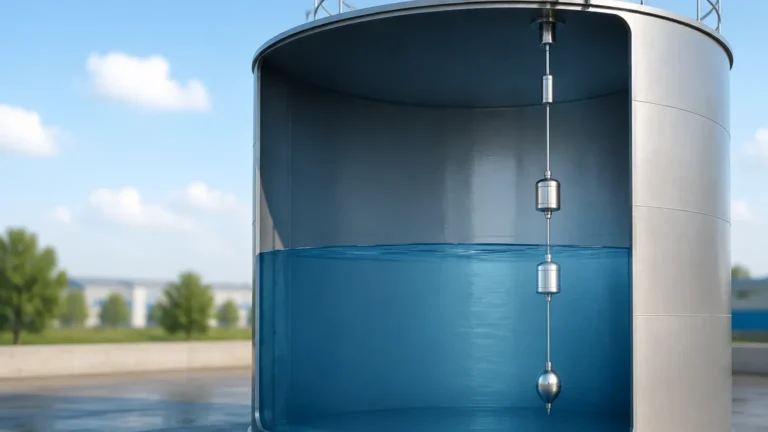
A level switch chamber operates on the principle of "communicating vessels." By connecting a vertical pipe (the chamber) to the side of a tank via two or more process connections, the liquid level within the chamber naturally equalizes with the level inside the main vessel.
The Role of the Chamber
The primary function of the chamber is to house the sensing element of a level switch. Instead of placing the switch directly into a large, potentially turbulent or pressurized tank, it is installed within this smaller, controlled environment. This setup allows the switch to detect high, low, or intermediate levels without being subjected to the full force of internal tank dynamics, such as agitation, splashing, or foam.
Compatible Level Switch Technologies
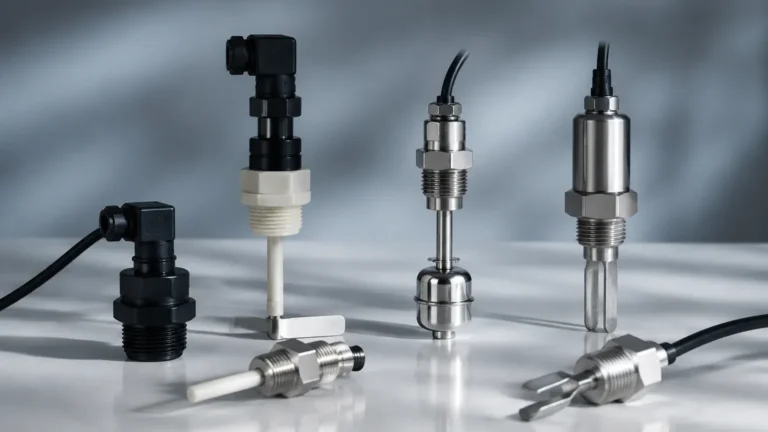
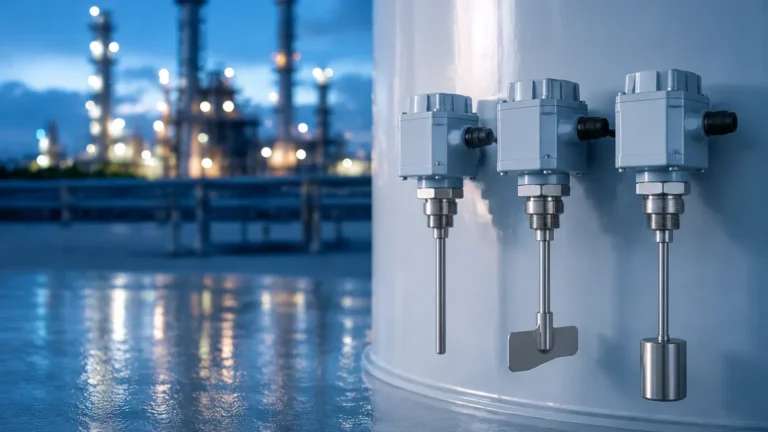
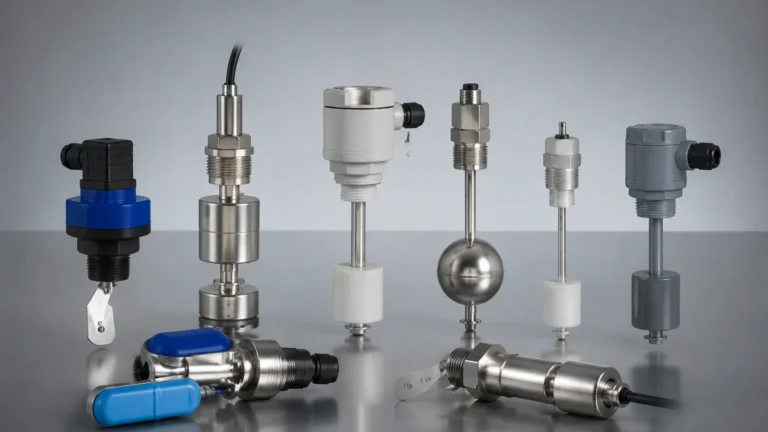
Several types of level switches are typically integrated with these chambers:
1. Float-Operated Switches: These utilize a buoyant float that moves with the liquid level. As the float rises or falls within the chamber, it actuates a microswitch or a reed switch through a magnetic or mechanical linkage.
2. Displacer Switches: Unlike floats, displacers are heavier than the liquid and rely on Archimedes' principle. The change in the apparent weight of the displacer as it is submerged triggers the switch mechanism.
3. Magnetic Level Switches: These often involve a float containing a permanent magnet that interacts with a switch mounted on the exterior of the chamber, providing complete hermetic isolation between the process fluid and the electrical components.
4. Vibrating Tuning Forks: These electronic switches detect the change in frequency when the fork is submerged in liquid. In a chamber, they are protected from the mechanical stress of high-flow tank inlets.
Why Use an External Level Switch Chamber?
Engineers specify a level switch chamber for several technical and operational reasons, particularly in heavy industries like oil and gas, chemical processing, and power generation.
Turbulence and Agitation Reduction
In tanks equipped with mixers or high-velocity inlets, the liquid surface can be extremely unstable. This turbulence can cause "chatter" in level switches—rapid, false triggering that can damage pumps or cause control system errors. The chamber acts as a stilling well, dampening the surface movement and providing a stable interface for the sensor.
Ease of Maintenance and Calibration
One of the most significant B2B advantages of an external chamber is the ability to service the instrument without shutting down the entire process. By installing isolation valves between the tank and the chamber, the chamber can be drained and the switch removed for inspection, calibration, or repair while the main vessel remains pressurized and in operation.
Protection from Internal Obstructions
Many industrial tanks contain internal structures such as heating coils, baffles, or ladders. A level switch chamber removes the sensor from these potential physical interferences, ensuring that the float or displacer has a clear, unobstructed path of travel.
High-Temperature and High-Pressure Isolation
Chambers can be engineered to withstand extreme pressures (up to 400 bar or more) and temperatures (exceeding 400°C). By moving the switch to an external pipe, it is sometimes possible to utilize cooling fins or specialized materials to protect the switch housing from the radiant heat of the main vessel.
Key Components and Design Standards
A high-quality level switch chamber is more than just a piece of pipe; it is a pressure-rated vessel manufactured to strict engineering standards.
Material Construction
The material must be compatible with the process fluid to prevent corrosion. Common materials include:
* 316/316L Stainless Steel: The standard for most chemical and water treatment applications due to its excellent corrosion resistance.
* Carbon Steel (ASTM A106/A105): Often used in oil and gas or steam applications where cost-effectiveness is required and corrosion is managed through inhibitors.
* Exotic Alloys: For highly aggressive media, materials like Hastelloy, Monel, or Inconel may be specified.
Connection Types
Chambers are typically connected to the vessel using flanges or NPT/BSP threaded connections. Flanged connections (e.g., ASME B16.5 or EN 1092-1) are preferred in high-pressure industrial environments for their reliability and ease of alignment.
Vent and Drain Ports
Standard designs include a vent at the top and a drain at the bottom. The vent prevents air pockets from forming, which would interfere with level equalization, while the drain allows for the removal of sediment and facilitates safe maintenance.
Selection Criteria for Industrial Applications
When selecting a level switch chamber, engineers must evaluate several parameters to ensure the assembly meets the project's safety and performance requirements.
| Criteria | Considerations | Impact on Performance |
| :— | :— | :— |
| Specific Gravity (SG) | The density of the liquid (e.g., 0.8 to 1.2). | Affects the buoyancy of floats and displacers. |
| Pressure Rating | Must match or exceed the vessel's Design Pressure. | Ensures structural integrity and safety compliance. |
| Temperature Range | Operating and design temperatures. | Determines material selection and gasket types. |
| Viscosity | Resistance of the fluid to flow. | High viscosity can cause lag or stickiness in floats. |
| Corrosion Allowance | Extra wall thickness for carbon steel. | Extends the service life of the chamber. |
| Welding Standards | Compliance with ASME Section IX or ISO 15614. | Critical for high-pressure and hazardous area certifications. |
| Center-to-Center (C-C) | The vertical distance between process connections. | Defines the detection range of the level switch. |
Installation and Maintenance Guidelines
Proper installation is paramount for the reliable operation of a level switch chamber. Failure to follow engineering best practices can lead to measurement errors or mechanical failure.
Orientation and Alignment
The chamber must be installed perfectly vertical. Even a slight tilt can cause a float or displacer to rub against the chamber wall, leading to friction that prevents the switch from triggering. For chambers exceeding 2 meters in length, additional support brackets should be used to prevent vibration and stress on the process nozzles.
Venting and Draining
Before commissioning, the chamber must be properly vented to ensure there is no trapped gas in the upper section. Trapped gas will prevent the liquid from rising to its true level. Similarly, the drain should be piped to a safe recovery system if the process fluid is hazardous.
Insulation
In applications involving high-temperature fluids or cryogenic liquids, the chamber should be insulated. This prevents temperature gradients between the tank and the chamber, which could cause density differences and lead to inaccurate level readings (the "cold leg" effect).
Periodic Inspection
Maintenance schedules should include:
* Flushing: Periodically opening the drain valve to remove any accumulated sludge or scale.
* Switch Testing: Manually lifting the float or displacer (where design allows) to confirm the electrical contact changes state.
* Gasket Inspection: Checking for leaks at the flange connections, especially after thermal cycling.
Common Risks and Technical Limitations
While highly effective, the level switch chamber is not a universal solution for every application. Engineers should be aware of the following limitations:
1. Build-up and Clogging: In fluids with high solids content or those that tend to crystallize, the narrow passages of the chamber and its connecting pipes can become blocked. This effectively "freezes" the level reading.
2. Magnetic Interference: For magnetic level switches, the presence of strong external magnetic fields or the use of carbon steel chambers (in some specific high-sensitivity setups) can interfere with the switch actuation. Stainless steel is generally preferred for magnetic applications.
3. Interface Measurement Challenges: If the chamber is used to detect the interface between two liquids (e.g., oil and water), the chamber must be fully filled with both liquids to ensure the float reacts to the specific gravity of the interface, which can be difficult to manage during startup.
4. Response Lag: Because the liquid must flow through the connecting pipes into the chamber, there is a slight delay in response compared to direct-mounted switches. This is usually negligible in large vessels but should be considered in small, fast-filling tanks.
Frequently Asked Questions (FAQ)
Q: Can I use a level switch chamber for steam boiler applications?
A: Yes, chambers are frequently used in boiler water level control. However, they must be designed to meet specific boiler codes (such as ASME Section I) and often require specialized high-temperature materials and steam-jacketed options to prevent condensation issues.
Q: What is the standard pipe size for a level switch chamber?
A: Most industrial chambers use a 2-inch (50mm) or 3-inch (80mm) schedule pipe. The size is chosen to provide enough clearance for the float or displacer while minimizing the volume of the chamber.
Q: Do I need a NACE-compliant chamber?
A: If your application involves "sour" gas (H2S), you must specify NACE MR0175/ISO 15156 compliance. This ensures the materials and welding processes used are resistant to sulfide stress cracking.
Q: How do I choose between a side-side and a side-bottom connection?
A: Side-side connections are the most common for high/low alarms. Side-bottom connections are often used when the bottom of the tank is not accessible or when the chamber needs to be completely drained into the tank.
Conclusion and Project Confirmation
Specifying a level switch chamber requires a thorough understanding of the process media and the mechanical constraints of the vessel. Before proceeding with a purchase or installation, project engineers should confirm the following:
* The exact Specific Gravity of the liquid at operating temperature.
* The required Center-to-Center distance for the process connections.
* Compliance with local pressure vessel regulations (e.g., PED, ASME).
* Compatibility of the switch technology with the chamber dimensions.
By isolating Level Switches within a dedicated chamber, industrial facilities can achieve higher reliability, easier maintenance, and safer operations in even the most demanding environments.