Level Switch Gems
Level Switch Gems
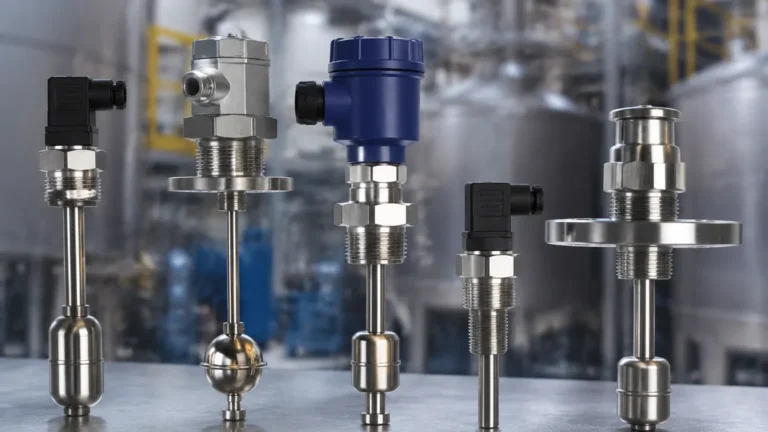
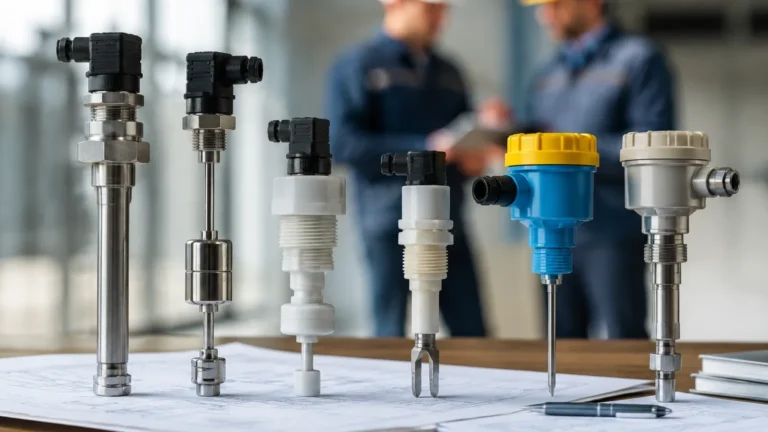
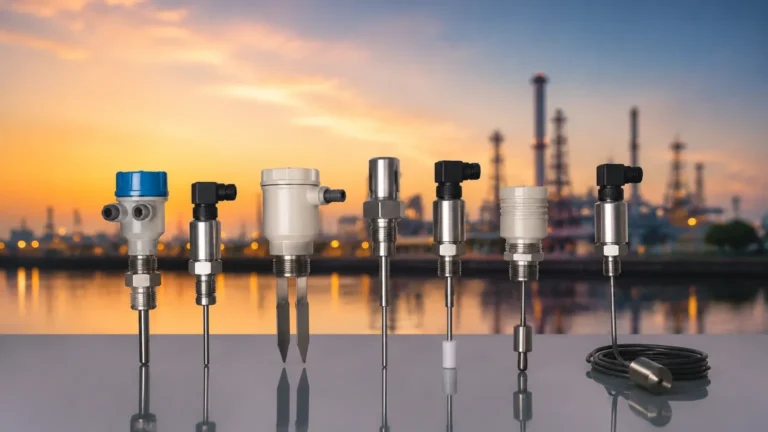
In the landscape of industrial automation and process control, point-level detection remains a fundamental requirement for safety, efficiency, and inventory management. When engineers discuss "level switch gems," they are often referring to the high-standard, compact, and reliable sensing components that define the industry benchmark for performance. These instruments, ranging from simple float switches to sophisticated ultrasonic and optical sensors, are the "gems" of a facility's instrumentation strategy, providing critical high-level alarms, low-level pump protection, and leak detection.
Selecting the right Level Switches requires a deep understanding of both the technology and the environment in which it will operate. This guide serves as a practical engineering reference for selecting, installing, and maintaining level switching technologies across various process industries.
Fundamental Measurement Principles
Before selecting a level switch, it is essential to understand the physics behind the most common sensing technologies. Each principle offers specific advantages depending on the fluid properties and tank conditions.
1. Magnetic Float Technology
This is perhaps the most widely recognized principle in the category of level switch gems. A float containing an internal magnet moves up and down a stem in response to the liquid level. Inside the stem, a hermetically sealed reed switch is positioned at a specific point. When the magnet in the float reaches the reed switch, the magnetic field causes the switch to open or close.
* Advantages: Simple, highly reliable, and requires no external power to operate the switch itself.
* Best For: Clean liquids, water, oils, and chemicals that do not exhibit high viscosity or crystallization.
2. Ultrasonic Point Level Sensing
Ultrasonic switches use high-frequency sound waves to detect the presence or absence of a liquid. The sensor typically consists of a gap through which the signal travels. When the gap is filled with air, the signal is attenuated; when liquid fills the gap, the signal is transmitted to a receiver, triggering the switch.
* Advantages: No moving parts, making them ideal for applications where mechanical wear is a concern.
* Best For: Viscous liquids and applications requiring low maintenance.
3. Optical Level Detection
Optical switches utilize an infrared LED and a light receiver. Within a conical tip, the light is reflected back to the receiver when the tip is in the air. When liquid covers the tip, the light is refracted into the liquid, and the receiver detects a change in signal intensity.
* Advantages: Extremely compact footprint, making them the "gems" of tight-space installations.
* Best For: Leak detection in double-walled pipes and small tank high/low alarms.
4. Capacitance Level Switches
These sensors measure the change in electrical capacitance between the probe and the tank wall (or a reference probe). As the liquid rises and covers the probe, the dielectric constant changes, altering the capacitance and triggering the output.
* Advantages: Can be used with solids and liquids; no moving parts.
* Best For: Slurries, powders, and liquids with consistent dielectric properties.
Technical Selection Criteria
Choosing a level switch involves more than just selecting a technology. Engineers must evaluate several mechanical and electrical parameters to ensure long-term reliability.
Material Compatibility
The wetted materials must be chemically compatible with the process media. Common materials include:
* Stainless Steel (316L): The standard for food, beverage, and pharmaceutical applications due to its corrosion resistance.
* Polypropylene (PP): A cost-effective choice for water and general chemical applications.
* PVDF (Kynar): Used for highly aggressive acids and high-purity water systems.
* Polysulfone: Often used in optical switches for its clarity and chemical resistance.
Pressure and Temperature Ratings
Industrial processes often operate at extremes. A standard plastic float switch might be rated for 7 bar (approx. 100 psi) and 80°C, whereas a heavy-duty stainless steel model can handle pressures exceeding 50 bar and temperatures up to 200°C. Always verify that the switch's maximum ratings exceed the process's peak conditions by at least 20%.
Electrical Output and Configuration
Level switches are typically available in several electrical configurations:
* SPST (Single Pole Single Throw): The simplest form, either Normally Open (NO) or Normally Closed (NC).
* SPDT (Single Pole Double Throw): Provides both NO and NC contacts, allowing for more versatile control logic.
* Solid-State Outputs: Common in ultrasonic and optical sensors, offering faster switching speeds and longer life than mechanical relays.
Selection and Comparison Table
The following table provides a quick reference for comparing different level switch technologies based on typical industrial requirements.
| Technology | Media Type | Max Pressure (Typical) | Max Temp (Typical) | Moving Parts | Viscosity Tolerance |
| :— | :— | :— | :— | :— | :— |
| Magnetic Float | Clean Liquids | 50 bar | 200°C | Yes | Low |
| Ultrasonic | Viscous Liquids | 70 bar | 150°C | No | Medium-High |
| Optical | Most Liquids | 15 bar | 100°C | No | Low-Medium |
| Capacitance | Liquids/Solids | 100 bar | 250°C | No | High |
| Tuning Fork | Liquids/Powders | 40 bar | 150°C | No (Vibrating) | Medium |
Installation Considerations and Best Practices
Even the highest quality level switch gems can fail if installed incorrectly. Proper placement and orientation are critical for accurate point detection.
1. Orientation
* Top Mount: Typically used for high-level alarms or pump-down control. Ensure the stem length is accurate for the desired switch point.
* Side Mount: Ideal for mid-tank level control. Ensure there is enough clearance for the float or probe to move freely without hitting the tank wall.
* Bottom Mount: Used for low-level alarms or pump-up control. Special care must be taken to prevent sediment buildup from interfering with the switch.
2. Avoiding Turbulence
If the tank has an agitator or a high-velocity inlet stream, the resulting turbulence can cause "chatter" in mechanical switches. To mitigate this:
* Install the switch in a stilling well (a pipe that surrounds the switch to dampen liquid movement).
* Use a switch with a built-in time delay to ignore momentary level changes.
3. Wiring and Protection
Always follow local electrical codes. For switches used in hazardous areas (explosive atmospheres), ensure the device is rated as Intrinsically Safe (IS) or Explosion-Proof (XP). Use a relay or a PLC input to handle the switching load; never wire a high-current pump motor directly to a small reed switch, as this will cause immediate failure.
Limitations and Common Application Risks
While level switches are versatile, they are not universal solutions. Understanding their limitations is key to avoiding process downtime.
* Coating and Buildup: In applications with sticky or crystallizing fluids, material can build up on the float or probe. This can cause a float to stick or a capacitance probe to give a false reading. In these cases, tuning fork or ultrasonic switches are often preferred.
* Specific Gravity: Float switches rely on buoyancy. If the liquid's specific gravity is lower than the float's design limit (e.g., < 0.5), the float will not rise. Always check the SG of your media against the switch specifications.
* Foam: Heavy foam on the surface of a liquid can confuse ultrasonic and optical sensors. If foam is present, a mechanical float or a specialized capacitance probe is usually more reliable.
Frequently Asked Questions (FAQ)
Q: Can I use a water level switch for oil?
A: It depends on the material. While the principle works, you must ensure the wetted materials (like the float and seals) are compatible with hydrocarbons. Also, ensure the float's buoyancy is sufficient for the lower specific gravity of oil.
Q: How do I test if my level switch is working?
A: For a float switch, you can manually move the float and check for continuity across the wires using a multimeter. For non-mechanical switches, look for the LED status indicator (if equipped) or measure the output voltage change when the sensor is immersed in a sample of the process fluid.
Q: What is the difference between a level switch and a level transmitter?
A: A level switch provides a discrete "on/off" signal at a specific point (e.g., tank is 90% full). A level transmitter provides a continuous signal (e.g., 4-20mA) representing the exact level throughout the entire range of the tank.
Q: How long do these switches typically last?
A: Magnetic reed switches are rated for millions of cycles if the electrical load is kept within limits. Solid-state switches like ultrasonic or optical models can last even longer as they have no mechanical wear components. Most failures are due to chemical attack or electrical overstress rather than mechanical wear.
Conclusion
Level switch gems—the reliable, compact, and precise instruments of the industrial world—are essential for modern process control. Whether you are managing a simple water storage tank or a complex chemical reactor, selecting the appropriate technology based on measurement principles, material compatibility, and installation environment is paramount. By adhering to engineering best practices and understanding the specific limitations of each technology, you can ensure a robust and maintenance-free level control system. For those seeking specific configurations or custom OEM solutions, exploring a comprehensive range of Level Switches is the first step toward optimizing your industrial application.