Mechanical Switches Noise Level
Mechanical Switches Noise Level
In the field of industrial automation and process control, the term "noise" often carries a dual meaning. For engineers and plant managers selecting level measurement instruments, understanding mechanical switches noise level involves evaluating both the physical acoustic output and the electrical interference generated during operation. Mechanical level switches, ranging from float-operated units to rotary paddles, remain a staple in the industry due to their reliability and cost-effectiveness. However, their mechanical nature introduces specific variables that must be managed to ensure system longevity and signal integrity.
This guide explores the principles of mechanical level switches, the factors influencing their noise levels, and how to select the right technology for specific industrial environments.
Principles of Mechanical Level Measurement
Before addressing noise characteristics, it is essential to understand how these devices function. Mechanical level switches rely on a physical change in the process medium to trigger a state change in an electrical circuit. Unlike continuous measurement technologies like radar or ultrasonic sensors, these switches provide point-level detection (e.g., high-level alarm or low-level pump control).
Float Level Switches
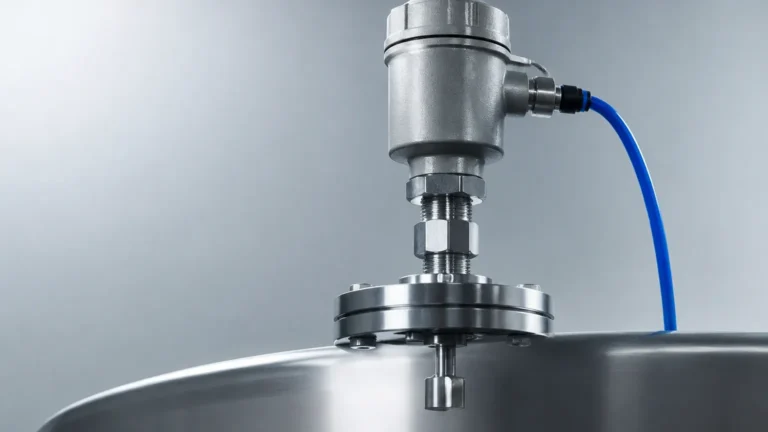
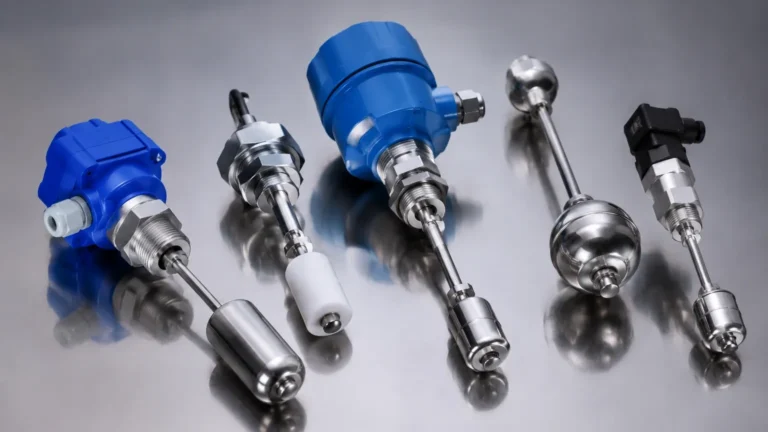
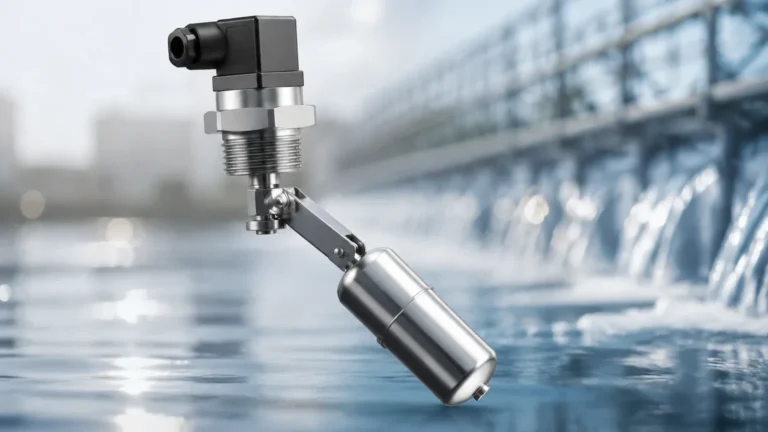
Float switches utilize a buoyant body that moves with the liquid level. As the float reaches a predetermined point, a magnet or a mechanical linkage actuates a microswitch or a reed switch. The "noise" here is typically a mechanical click or the electrical "bounce" of the contacts.
Rotary Paddle Switches
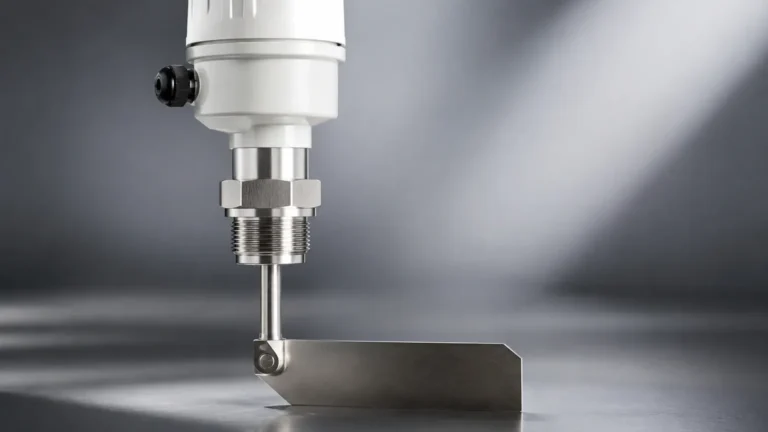
Designed for dry bulk solids, these units use a low-speed motor that rotates a paddle. When material reaches the paddle, the rotation is impeded. The resulting torque shifts the motor assembly, tripping a microswitch. The noise level in these units is primarily acoustic, stemming from the internal gear motor.
Vibration (Tuning Fork) Switches
While often categorized as electronic, many vibration switches utilize mechanical resonance. A piezoelectric crystal drives a fork at its natural frequency. When covered by media, the frequency shifts, triggering the switch. The noise here is high-frequency vibration, usually outside the audible range but relevant to mechanical fatigue.
Understanding Mechanical Switches Noise Level: Acoustic and Electrical
When evaluating mechanical switches noise level, we must distinguish between the sound produced by the device and the electrical noise it introduces into the control loop.
1. Acoustic Noise (Audible Decibels)
In most industrial settings, the acoustic noise of a level switch is negligible compared to pumps and compressors. However, in specific environments—such as laboratory water treatment or indoor chemical processing—the sound can be a factor.
* Rotary Paddle Motors: Standard AC motors in paddle switches typically operate at 30–45 dB. While quiet, a failing bearing can increase this noise level significantly, serving as a diagnostic indicator for maintenance.
* Microswitch Actuation: The physical "click" of a heavy-duty microswitch in a float-operated level controller can reach 50–60 dB momentarily. In large metal tanks, this sound can resonate, though it rarely exceeds safety thresholds.
2. Electrical Noise (Contact Bounce and EMI)
This is the more critical aspect of mechanical switches noise level for B2B applications. Every mechanical contact suffers from "contact bounce." When the switch closes, the physical leaves bounce against each other for several milliseconds before making a solid connection.
* Signal Chatter: If a liquid surface is turbulent, a mechanical float may rapidly open and close the circuit. This "chatter" creates significant electrical noise, which can confuse Programmable Logic Controllers (PLCs) or cause premature wear on motor starters.
* Electromagnetic Interference (EMI): Breaking an inductive load (like a solenoid valve) with a mechanical level switch creates an arc. This arc generates a burst of wideband RFI (Radio Frequency Interference), which can disrupt nearby sensitive sensors or communication lines.
Key Evaluation Criteria for Selection
To minimize the impact of noise and ensure reliable performance, engineers should evaluate Level Switches based on the following criteria:
| Criteria | Impact on Noise Level | Recommendation |
| :— | :— | :— |
| Contact Material | Electrical Noise | Use gold-plated contacts for low-current (logic) signals to reduce resistance-related noise. |
| Housing Material | Acoustic & EMI | Cast aluminum or stainless steel housings provide better EMI shielding and acoustic dampening than plastic. |
| Switching Frequency | Mechanical Wear | For high-frequency cycling, consider vibration switches over mechanical floats to reduce physical noise and wear. |
| Damping Mechanisms | Signal Stability | Specify switches with built-in time delays or slosh shields to prevent mechanical chatter in turbulent liquids. |
Practical Selection Table
The following table assists in selecting a switch type based on the acceptable mechanical switches noise level and application requirements.
| Switch Type | Acoustic Output | Electrical Noise Risk | Best Application |
| :— | :— | :— | :— |
| Magnetic Float | Extremely Low | Low (Reed Switch) | Clean water, oils, low-viscosity chemicals. |
| Heavy-Duty Float | Low (Click) | Moderate (Bounce) | Sumps, wastewater, high-current pump control. |
| Rotary Paddle | Constant (Hum) | Low | Grains, plastic pellets, cement silos. |
| Tilt Switch | Low | Moderate | Large bulk piles, conveyor belt overflow. |
| Vibration Probe | Negligible | Very Low | Fine powders, liquids with bubbles/foam. |
Installation Considerations to Mitigate Noise
Proper installation is the most effective way to manage mechanical switches noise level and ensure accurate point-level detection.
1. Stilling Wells: In tanks with high turbulence or agitation, installing a float switch inside a stilling well (a pipe with vent holes) prevents the float from bouncing. This eliminates both mechanical wear and electrical signal noise.
2. Snubber Circuits: When using a mechanical switch to drive an inductive load, always install an RC snubber or a flyback diode. This suppresses the arc at the contact point, drastically reducing electrical noise (EMI).
3. Mounting Orientation: For rotary paddle switches, ensure the unit is mounted away from the material inlet. Physical impact from falling media increases mechanical stress and acoustic noise.
4. Conduit Sealing: Use proper cable glands and conduit seals. This not only prevents moisture ingress but also acts as a secondary acoustic barrier, preventing the "echo chamber" effect inside the sensor housing.
Limitations and Risks
While mechanical switches are robust, they have inherent limitations regarding noise and environment:
* Mechanical Fatigue: Because these devices rely on moving parts, they have a finite cycle life. High mechanical switches noise level (acoustic) often precedes mechanical failure.
* Minimum Load Requirements: Some heavy-duty mechanical switches require a "wetting current" to keep contacts clean. If the current is too low, the switch may become electrically noisy due to oxidation build-up.
* Vibration Sensitivity: In environments with heavy machinery, external vibration can cause mechanical switches to trip falsely. In such cases, electronic level switches or heavily dampened mechanical units are required.
Frequently Asked Questions (FAQs)
Q: Does the noise level of a mechanical switch change over time?
A: Yes. An increase in acoustic noise usually indicates mechanical wear, such as a worn pivot pin in a float or a failing motor in a paddle switch. Electrical noise (chatter) may increase if contacts become pitted or oxidized.
Q: How can I distinguish between a faulty switch and electrical noise?
A: Use an oscilloscope to view the signal. If the "off" state shows irregular voltage spikes when the switch is supposed to be closed, you are likely dealing with contact bounce or EMI rather than a total mechanical failure.
Q: Are there "silent" mechanical level switches?
A: Magnetic reed-style float switches are the closest to silent. Since the contact is sealed in glass and actuated by a magnet, there is no external mechanical linkage and almost no audible click.
Q: Can mechanical switches noise level affect nearby ultrasonic sensors?
A: Generally, no. Most ultrasonic sensors operate at 20 kHz to 200 kHz. The acoustic noise from a mechanical switch is usually in the low-frequency audible range. However, the electrical EMI from a switch arc can interfere with the ultrasonic sensor's sensitive receiver if cables are run in the same conduit.
Conclusion
Evaluating mechanical switches noise level is a critical step in designing a resilient industrial control system. While the audible sound is rarely a primary concern in heavy industry, the electrical noise generated by mechanical contacts can lead to system instability if not properly addressed. By selecting the appropriate switch technology—such as robust Level Switches designed for specific media—and following best practices for installation and arc suppression, engineers can leverage the simplicity of mechanical measurement without compromising signal integrity.
When choosing a solution, always confirm the electrical ratings, housing ingress protection (IP), and the expected cycle life of the internal switching element to ensure the device meets the long-term demands of the application.