What Is E Switch
What Is E Switch
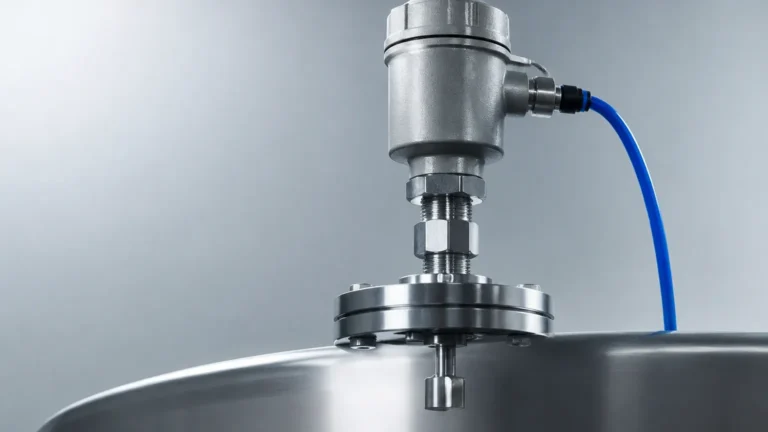
In the field of industrial automation and process control, the term "switch" has evolved significantly from simple mechanical contacts to sophisticated electronic devices. When engineers and procurement specialists ask "what is e switch" in the context of liquid or solid level detection, they are typically referring to an electronic level switch—a solid-state device designed to monitor the presence or absence of a medium at a specific point in a tank or vessel.
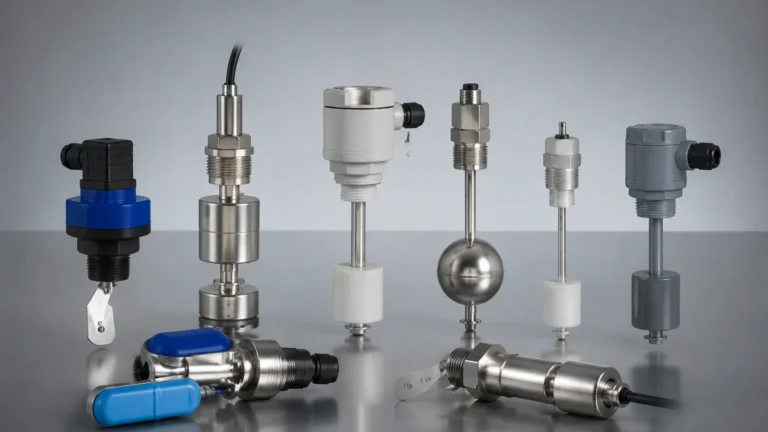
Unlike traditional mechanical float switches that rely on moving parts and physical buoyancy, an electronic level switch utilizes advanced sensing principles such as capacitance, vibration, or conductivity to trigger a signal. These devices are integral to modern industrial systems, providing the high-speed response and reliability required for overfill protection, pump control, and dry-run prevention. Understanding the nuances of electronic switching technology is essential for selecting the right Level Switches for demanding process environments.
Understanding Electronic Level Switching Technology
At its core, an electronic level switch (often abbreviated as an E-switch in technical discussions) is a sensor that provides a discrete output—typically an "on" or "off" signal—when it detects a material at a predetermined level. The "electronic" designation refers to the fact that the switching action is performed by solid-state components, such as transistors or thyristors, rather than mechanical relay contacts that physically open and close.
The Role of Solid-State Electronics
Solid-state switching offers several advantages over mechanical counterparts. There are no moving parts to wear out, jam, or corrode. This is particularly critical in applications involving viscous liquids, corrosive chemicals, or high-vibration environments. When considering what is e switch technology's primary benefit, durability and maintenance-free operation usually top the list.
Signal Processing and Output
The electronic circuit within the switch processes the raw data from the sensing element (e.g., a change in capacitance or a shift in frequency). Once the threshold is met, the switch changes state. Common output types include:
- PNP/NPN Transistor Outputs: Used for direct connection to Programmable Logic Controllers (PLCs).
- Two-wire DC/AC: Designed to replace traditional mechanical switches in existing wiring loops.
- Relay Outputs: While the sensing is electronic, the final output may be a mechanical relay for higher current loads, though pure solid-state outputs are preferred for high-cycle applications.
How Electronic Level Switches Function
To fully answer what is e switch functionality, one must look at the measurement principles that drive these devices. Electronic level switches do not "see" the level in the way a human does; instead, they detect a change in a physical property of the environment surrounding the sensor probe.
The Capacitance Principle
Capacitive level switches operate by measuring the change in electrical capacitance between the sensor probe and the tank wall (or a reference electrode). When the medium covers the probe, the dielectric constant changes, increasing the capacitance. The electronic circuit detects this shift and triggers the switch. This technology is highly versatile, working with both conductive and non-conductive liquids, as well as powders and granules.
The Vibrating (Tuning Fork) Principle
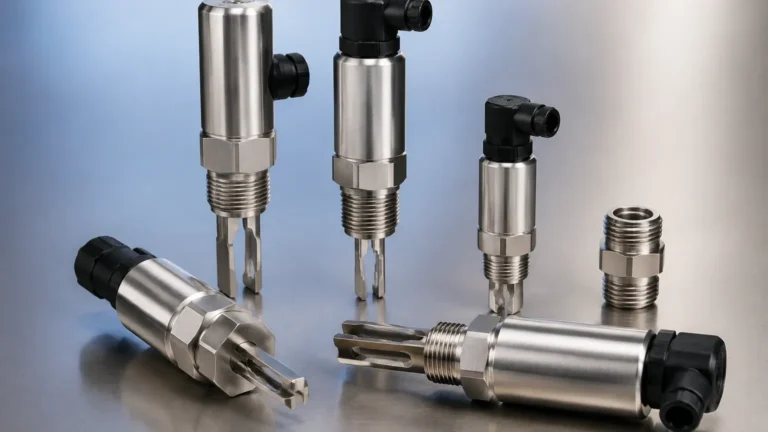
Vibrating level switches utilize a piezoelectric crystal to vibrate a metal fork at its natural resonance frequency. When the fork is submerged in a liquid or covered by solids, the frequency of vibration shifts or the amplitude is dampened. The electronics monitor this change in real-time. Because this method is independent of the medium's chemical properties (like density or conductivity), it is one of the most reliable forms of electronic switching.
The Conductivity Principle
Conductive level switches are the simplest form of electronic switches. They use low-voltage electrodes to detect the presence of a conductive liquid. When the liquid touches the electrode, it completes an electrical circuit between the probe and the tank wall. The electronics then amplify this small current to trigger a high-level output.
Common Technologies in Electronic Level Measurement
Selecting the correct technology requires matching the electronic sensing principle to the specific characteristics of the material being measured. Below are the most common types of electronic level switches used in modern industry.
1. Vibrating Level Switches
Often used for "high-high" or "low-low" level alarms, vibrating switches are immune to bubbles, foam, and changes in pressure or temperature. They are frequently found in water treatment and chemical processing where reliability is paramount.
2. Capacitance Level Switches
These are ideal for applications where the medium might be sticky or prone to build-up. Advanced electronic capacitance switches include "active shield" technology, which allows the electronics to ignore material build-up on the probe, ensuring the switch only triggers when the actual level reaches the sensor.
3. Ultrasonic Point Level Switches
Ultrasonic switches use a pair of crystals (a transmitter and a receiver) separated by a small gap. When the gap is filled with liquid, ultrasonic waves pass through easily. When the gap is filled with air or gas, the signal is attenuated. The electronics detect this transition instantly. These are excellent for clean liquids and are often used in the oil and gas industry.
4. Microwave Barrier Switches
For non-contact electronic switching, microwave barriers are used. A transmitter sends a microwave beam across a tank or chute to a receiver. If the beam is blocked by the material, the electronic receiver triggers a switch. This is common in mining and bulk solids handling.
Key Evaluation Criteria for Selecting Level Switches
When evaluating what is e switch hardware suitable for a specific project, engineers must look beyond the basic function and consider the environmental and electrical constraints of the application.
| Criterion | Consideration |
| :— | :— |
| Media Type | Is the material liquid, solid, slurry, or foam? Is it conductive or non-conductive? |
| Process Temperature | Electronic components have specific thermal limits. Standard switches often handle up to 80°C, while specialized versions reach 250°C or higher. |
| Process Pressure | The mechanical housing and seal must withstand the vessel pressure, often rated in bar or PSI (e.g., 10 bar / 145 PSI). |
| Output Type | Does the PLC require a 3-wire PNP signal, a 2-wire loop-powered signal, or a dry contact relay? |
| Response Time | Electronic switches typically respond within milliseconds, but some applications require adjustable delays to ignore splashing. |
| Hazardous Areas | Does the switch require ATEX, IECEx, or SIL2 certification for explosive or safety-critical environments? |
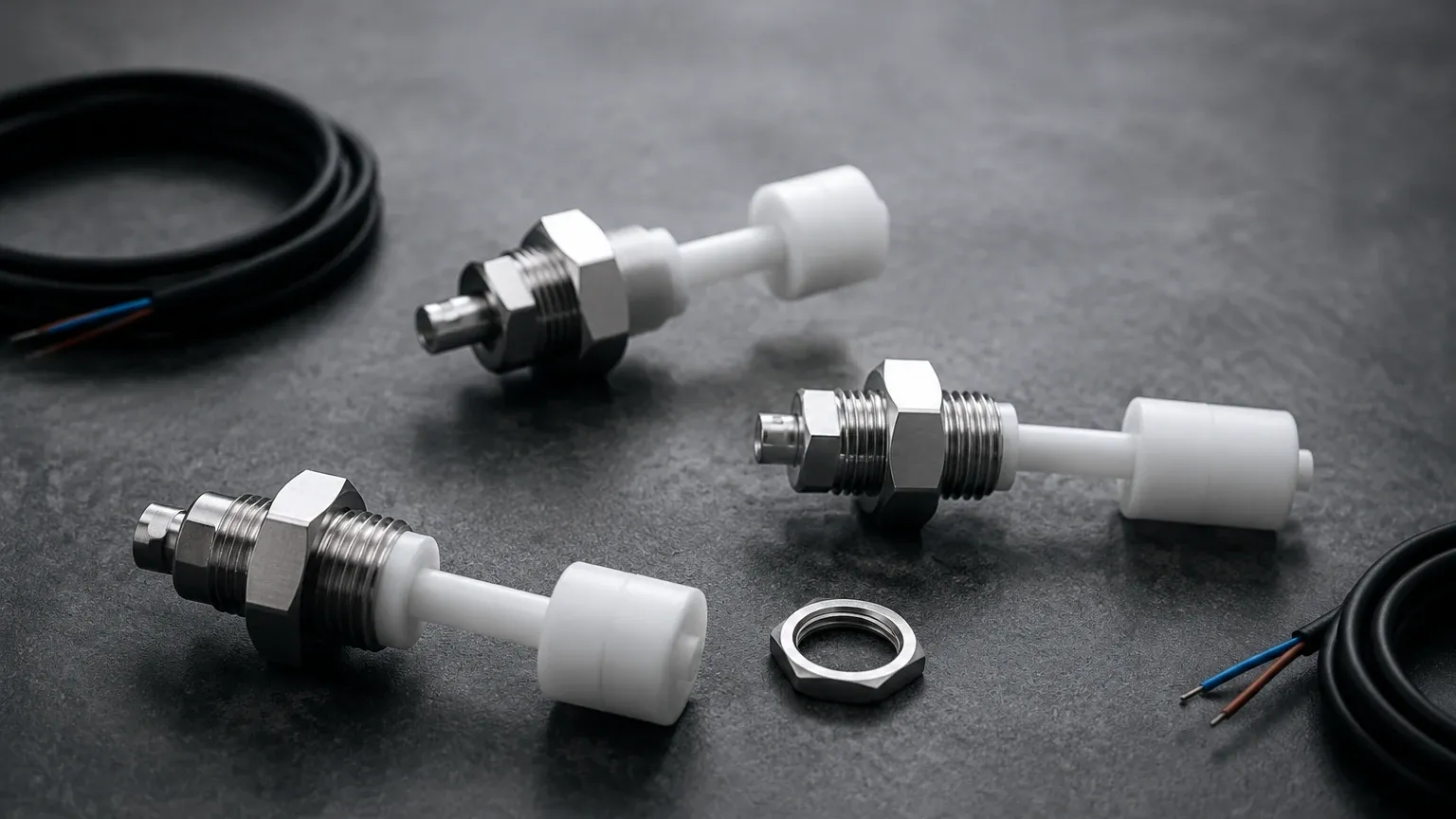
Practical Selection Table: Mechanical vs. Electronic Level Switches
To understand why an electronic switch (E-switch) might be preferred, it is helpful to compare it directly against traditional mechanical technologies.
| Feature | Mechanical Float Switch | Electronic (E-Switch) |
| :— | :— | :— |
| Moving Parts | Yes (Float, hinge, rod) | No (Solid-state) |
| Maintenance | High (Cleaning, lubrication) | Very Low (Self-cleaning options) |
| Service Life | Limited by mechanical wear | Extremely long (Solid-state electronics) |
| Build-up Sensitivity | High (Float can get stuck) | Low (Can be tuned to ignore build-up) |
| Vibration Resistance | Poor (Can cause false triggers) | Excellent |
| Response Speed | Slower (Mechanical inertia) | Instantaneous (Electronic) |
| Initial Cost | Lower | Moderate to High |
Installation and Wiring Guidelines
Proper installation is critical to the performance of any electronic level switch. Because these devices rely on sensitive electronic circuits, following manufacturer guidelines is essential for long-term accuracy.
1. Orientation: Most electronic switches can be mounted horizontally or vertically. However, for vibrating forks, the tines should be oriented so that the liquid can drain off easily, preventing "bridging" where material gets stuck between the forks.
2. Grounding: Since many electronic switches (especially capacitive and conductive types) use the tank wall as a reference, ensuring a solid electrical ground is mandatory. For plastic tanks, a reference electrode or ground strap must be used.
3. Cable Shielding: To prevent electromagnetic interference (EMI) from nearby motors or variable frequency drives (VFDs) from causing false trips, shielded cables should be used, and the shield should be grounded at the controller end.
4. Avoid the Fill Stream: Never install an electronic level switch directly in the path of the incoming material flow. The turbulence and force can cause premature wear or false alarms. Use a baffle or a stilling well if necessary.
Limitations and Maintenance of Electronic Switches
While electronic switches are robust, they are not invincible. Understanding their limitations is a key part of the answer to "what is e switch" application engineering.
- Coating and Build-up: While many electronic switches can ignore light coating, heavy or conductive build-up can eventually cause a "permanent" trigger state. Regular inspection or selecting a switch with a "coat-reject" feature is necessary for sticky media.
- Dielectric Constant (Dk): Capacitive switches require a minimum difference in dielectric constant between the air and the medium. If the Dk is too low (e.g., certain oils or gases), the electronics may struggle to detect the change.
- Temperature Sensitivity: The electronics inside the housing are sensitive to heat. In high-temperature applications, it is common to use an extended neck or a remote electronic housing to keep the sensitive components away from the heat source.
- Power Supply Stability: Unlike mechanical switches that are passive, electronic switches require a stable power supply. Voltage spikes or brownouts can cause the switch to reset or fail.
Frequently Asked Questions (FAQs)
What is e switch technology's main advantage in chemical plants?
The primary advantage is the lack of moving parts. In corrosive environments, mechanical seals and hinges on float switches often fail. Electronic switches, often housed in PVDF, PTFE, or high-grade Stainless Steel (316L), offer much higher chemical resistance and a longer service life.
Can electronic level switches detect foam?
Yes, but it depends on the technology. A vibrating fork switch can be tuned to either detect or ignore foam. Capacitance switches can also be calibrated to trigger only when the liquid phase is reached, ignoring the lighter foam layer on top.
How do I test an electronic level switch?
Most modern electronic switches include a "test" button or a magnetic test point on the housing. When activated, it simulates a high-level condition to verify that the internal electronics and the external alarm circuit are functioning correctly.
Is an electronic level switch the same as a level transmitter?
No. An electronic level switch provides a point-level signal (on/off). A level transmitter provides a continuous signal (e.g., 4-20mA or 0-10V) that represents the exact level percentage (0% to 100%) in the tank. However, many modern transmitters also include programmable electronic switching outputs.
What does "Fail-Safe" mean in electronic switching?
Fail-safe refers to the state the switch enters if power is lost. For high-level alarms, a "fail-safe high" configuration ensures that if the wire is cut or power fails, the system treats it as a high-level alarm, preventing a potential overflow. This is a critical safety feature in industrial electronic switches.
By understanding the principles and applications of these devices, engineers can ensure that their process systems remain safe, efficient, and reliable. Whether managing water treatment or complex chemical reactions, the transition to electronic point-level detection represents a significant leap forward in industrial reliability.