142 Part
142 Part
In the complex landscape of industrial process automation, the precision of level measurement instruments is often dictated by the integrity of their individual components. The term 142 part typically refers to a specific technical component or a standardized assembly segment within high-precision level measurement systems, such as radar level meters or magnetic level gauges. For engineers and procurement specialists, understanding the role of these parts is essential for ensuring long-term reliability and compliance with safety standards.
Industrial level measurement is not a one-size-fits-all field. It requires a deep understanding of physics, fluid dynamics, and electronic signal processing. Whether a facility is managing wastewater, volatile chemicals, or high-pressure steam, the selection of the correct instrument—and its corresponding sub-components—can mean the difference between seamless operation and costly downtime. For a comprehensive overview of available technologies, professionals can consult the Main Page of leading manufacturers like Welk to review product options and application support.
Principles of Industrial Level Measurement
Before diving into the specifics of the 142 part and its integration into modern systems, it is necessary to understand the primary measurement principles utilized in the industry today. Each technology has unique requirements for its internal components and external housings.
Radar Level Measurement (ToF)
Radar level meters operate on the Time-of-Flight (ToF) principle. The sensor emits a high-frequency electromagnetic wave (typically in the 26GHz or 80GHz range) toward the surface of the medium. The wave reflects off the surface and returns to the antenna. By measuring the time interval between emission and reception, the instrument calculates the distance to the product surface.
* 80GHz Radar: Offers a narrower beam angle, which is ideal for tanks with internal obstructions or narrow nozzles. It requires high-precision internal components to maintain signal focus.
* 26GHz Radar: A robust choice for larger vessels and applications where heavy dust or steam might be present.
Ultrasonic Level Sensors
Ultrasonic sensors function similarly to radar but use sound waves instead of electromagnetic waves. The sensor pulses ultrasonic waves that reflect off the material surface. This technology is highly effective for liquid level measurement in open channels or non-pressurized tanks. However, because sound speed is affected by air temperature and density, these sensors often include integrated temperature compensation components.
Hydrostatic Level Transmitters
Hydrostatic measurement relies on the principle that the pressure at the bottom of a liquid column is proportional to the height of that column. The formula $P = \rho \cdot g \cdot h$ (where $P$ is pressure, $\rho$ is density, $g$ is gravity, and $h$ is height) defines the relationship. These transmitters use a sensitive diaphragm to detect the pressure exerted by the liquid. The durability of the diaphragm and the internal sealing—often categorized under specific part designations like the 142 part—is critical to prevent media ingress into the electronics.
Magnetic Level Gauges
Magnetic level gauges utilize a float containing a permanent magnet. As the liquid level rises or falls, the float moves accordingly within a bypass chamber. This motion is coupled with an external indicator or a magnetostrictive transmitter. The mechanical precision of the float and the sealing of the chamber are paramount for safety, especially in high-pressure environments.
The Role of the 142 Part in System Integration
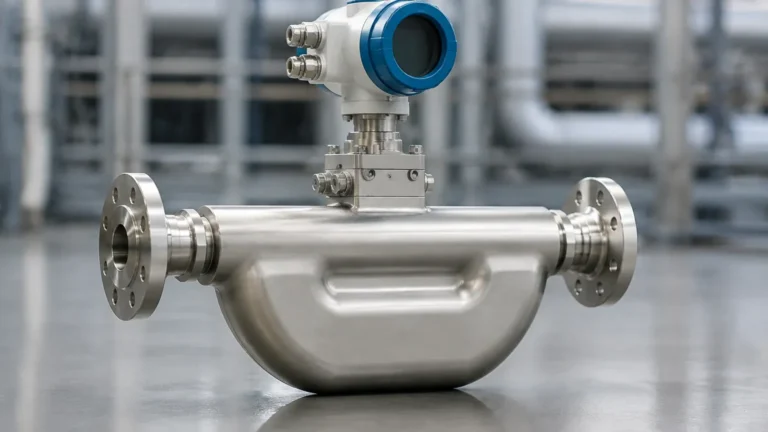
In the context of modular instrumentation, the 142 part often designates a specific assembly component, such as a flange adapter, a sealing insert, or a specialized housing segment designed to isolate electronic components from harsh process conditions.
Material Compatibility and Durability
When specifying a 142 part for a level transmitter, material selection is the primary concern. In chemical processing, components must withstand corrosive agents like sulfuric acid or sodium hydroxide. Common materials include:
* 316L Stainless Steel: The industry standard for general corrosion resistance.
* PTFE/PFA Linings: Used for extreme chemical resistance in radar antennas and hydrostatic diaphragms.
* Hastelloy C: Reserved for high-temperature, highly corrosive environments where standard stainless steel would fail.
Sealing and Environmental Protection
The 142 part often serves as the primary barrier between the process medium and the sensitive transducer electronics. In many designs, this part must maintain an Ingress Protection (IP) rating of IP67 or IP68. This ensures that the instrument remains functional even when subjected to temporary submersion or high-pressure washdowns, which are common in the food and beverage industry.
Technical Selection Criteria
Selecting the right level measurement technology and its associated components requires a systematic evaluation of the process environment. The following table provides a comparison of common technologies and their suitability based on typical engineering requirements.
| Technology | Typical Accuracy | Max Range | Pressure Limit | Temperature Limit | Common Application |
| :— | :— | :— | :— | :— | :— |
| 80GHz Radar | ±1 mm | 120 m | 160 bar (16 MPa) | -40°C to +250°C | Chemical reactors, narrow silos |
| Ultrasonic | ±0.25% of range | 15 m | 3 bar (0.3 MPa) | -40°C to +80°C | Water treatment, open sumps |
| Hydrostatic | ±0.1% FS | 200 m | N/A (Submersible) | -10°C to +80°C | Deep wells, water tanks |
| Magnetic Gauge | ±5 mm | 6 m | 320 bar (32 MPa) | -196°C to +450°C | Oil & Gas, Boiler drums |
When evaluating a 142 part within these systems, engineers must confirm that the part's pressure and temperature ratings exceed the maximum possible process excursions to ensure a safety margin.
Installation Considerations
Proper installation of level instruments is as important as the technology selection itself. Even the most advanced 80GHz radar will fail if the 142 part or the mounting flange is incorrectly positioned.
1. Nozzle Height and Diameter: For radar and ultrasonic sensors, the nozzle should be as short as possible. If the nozzle is too long, the signal may reflect off the nozzle walls, creating "ringing" or false echoes.
2. Obstruction Avoidance: Instruments should be mounted away from agitators, heating coils, or inflow streams. If obstructions are unavoidable, many modern transmitters offer "false echo suppression" software to ignore these signals.
3. Alignment: For ultrasonic and radar sensors, the transducer face must be parallel to the liquid surface. A tilt of even 2-3 degrees can significantly reduce the returned signal strength, especially in low-dielectric media.
4. Cable Gland Sealing: The entry point for wiring must be sealed using appropriate glands. If the 142 part involves an electronic housing, ensure the O-rings are seated correctly to prevent moisture from condensing inside the unit.

Limitations and Practical Constraints
While modern level measurement technology is highly advanced, there are inherent limitations that must be managed:
* Foam and Turbulence: Heavy foam can absorb radar and ultrasonic signals, leading to signal loss. In these cases, a stilling well or a contact-based technology like a magnetic level gauge may be required.
* Dielectric Constant ($ε_r$): Radar signals rely on the dielectric difference between the air and the medium. Low-dielectric materials (like liquefied gases or oils) reflect less energy, requiring more sensitive antennas or guided wave radar.
* Dust and Vapor: While 80GHz radar penetrates dust well, extreme steam or heavy condensation on the sensor face can attenuate the signal. Specialized 142 part accessories, such as air purge connections or PTFE drippers, can mitigate these effects.
Frequently Asked Questions (FAQ)
1. What is the significance of the 142 part in hazardous area installations?
In many modular instrument designs, the 142 part refers to the flameproof or intrinsically safe enclosure component. It is designed to contain an internal explosion or limit the energy available for ignition, ensuring compliance with ATEX or IECEx standards.
2. Can I replace a 142 part from one manufacturer with another?
Generally, no. Level measurement components are typically proprietary to the manufacturer's design to ensure pressure ratings and signal integrity are maintained. Always consult the original manufacturer, such as Welk, for compatible spare parts.
3. How does temperature affect the performance of the 142 part?
High temperatures can cause thermal expansion in metallic parts and degradation in elastomeric seals. It is vital to check the specific temperature rating of the component. For temperatures exceeding 150°C (302°F), specialized cooling fins or remote electronics may be necessary.
4. Why is my radar meter showing a "lost signal" error?
This is often caused by heavy buildup on the antenna, excessive foam, or the liquid level falling below the "blocking distance" (dead zone) of the sensor. Cleaning the sensor face or adjusting the mounting height can often resolve this.
5. Is hydrostatic measurement suitable for pressurized tanks?
Standard submersible hydrostatic sensors are not suitable for pressurized tanks because they cannot distinguish between liquid pressure and head pressure (gas pressure above the liquid). In these cases, a differential pressure (DP) transmitter is required.
Conclusion
The successful implementation of level measurement systems depends on a holistic approach that considers both the primary measurement principle and the quality of individual components like the 142 part. By understanding the strengths and limitations of radar, ultrasonic, and hydrostatic technologies, and by following rigorous installation and selection protocols, process engineers can achieve high levels of accuracy and safety. For those looking to specify new equipment or source reliable components, visiting the Main Page provides access to the technical documentation and expert support needed to navigate complex industrial requirements.