Ametek Liquid Level Float
Ametek Liquid Level Float
In the landscape of industrial process control, the Ametek liquid level float represents a cornerstone technology for precision measurement. Utilizing the fundamental principles of buoyancy and electromagnetics, these systems provide reliable data for inventory management, process safety, and automation. Whether applied in high-pressure chemical reactors or standard water storage tanks, understanding the mechanics, selection criteria, and installation nuances of float-based systems is essential for engineering excellence.
This guide explores the technical framework of float-level technology, specifically focusing on the high-accuracy magnetostrictive and mechanical variations often associated with industry leaders like Ametek, while providing a practical reference for engineers looking to optimize their level measurement strategies.
Understanding Float-Based Level Measurement Principles
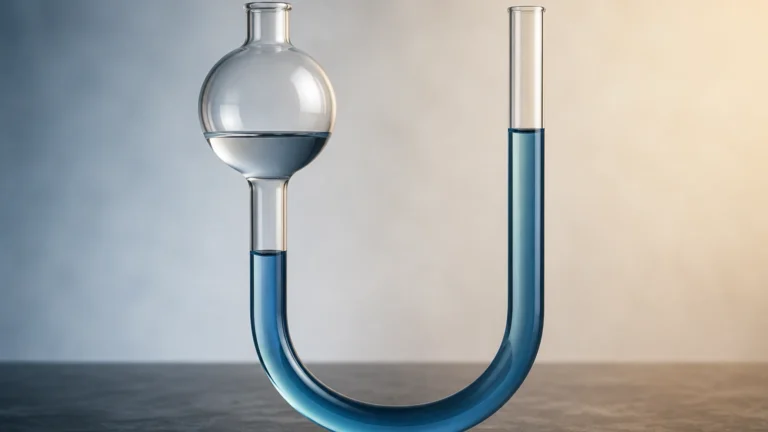
At its core, float-level measurement relies on Archimedes' principle: a body immersed in a fluid is buoyed up by a force equal to the weight of the fluid displaced by the body. In practical application, a float is designed with a known density lower than the process liquid, allowing it to ride on the surface or at the interface of two immiscible liquids.
The Magnetostrictive Principle
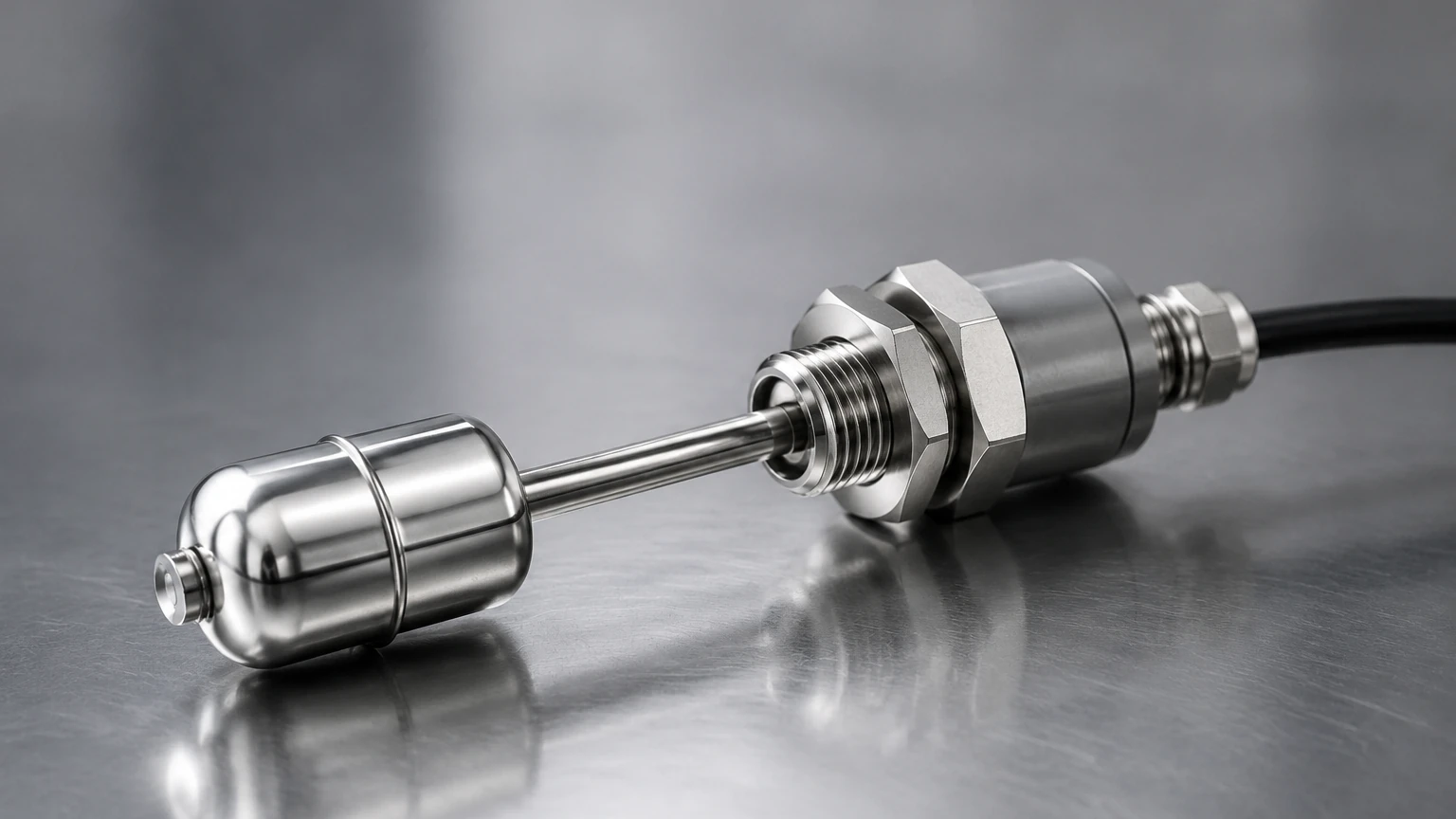
High-end float systems, such as the magnetostrictive designs popularized by Ametek’s Drexelbrook and Gemco divisions, utilize the "time-of-flight" principle. The system consists of a sensing tube (waveguide), a float containing internal magnets, and electronics located in the sensor head.
1. The Pulse: The electronics send a low-energy interrogation pulse down the waveguide.
2. The Interaction: When this pulse reaches the magnetic field of the float, a physical distortion occurs in the waveguide due to the Wiedemann effect.
3. The Return: This distortion creates a mechanical strain wave (torsion wave) that travels back up the waveguide at a known speed of sound.
4. The Calculation: By measuring the time elapsed between the initial pulse and the return of the strain wave, the transmitter calculates the exact position of the float with sub-millimeter accuracy.
Mechanical and Magnetic Coupling
Simpler float systems use magnetic coupling. In these designs, a float moves along a guide tube containing a series of reed switches or a resistive chain. As the float passes, its internal magnet closes the switches, altering the electrical resistance of the circuit. This change is converted into a 4-20mA signal or a digital output representing the liquid level.
Types of Ametek Liquid Level Float Systems
Float technology is not a one-size-fits-all solution. Depending on the application requirements, different float configurations are employed to ensure longevity and accuracy.
1. Magnetostrictive Level Transmitters
These are the flagship products for high-accuracy requirements. They are ideal for custody transfer and inventory control because they are unaffected by changes in dielectric constant, temperature, or pressure. They can also measure both the total level and the interface level (e.g., oil over water) simultaneously using two floats with different buoyancy ratings.
2. Magnetic Level Indicators (MLI)
Often referred to as "bypass chambers," these systems use a float inside a chamber mounted to the side of a vessel. The float moves a series of bi-color flags or a follower on the outside of the chamber. This provides a highly visible local indication without requiring power, while also allowing for the attachment of transmitters for remote monitoring.
3. Float Switches
Used primarily for point-level detection (high or low alarms), float switches are mechanical devices that trigger a contact when the liquid reaches a specific height. These are robust, cost-effective, and essential for overfill protection.
Technical Evaluation and Selection Criteria
Selecting an Ametek liquid level float or a comparable high-performance alternative requires a deep dive into the physical properties of the process media and the vessel environment.
Specific Gravity (SG)
The most critical factor is the specific gravity of the liquid. A float must be engineered to displace enough liquid to remain buoyant. For interface measurement, the top float must float in the upper liquid (e.g., SG 0.7) but sink in the lower liquid, while the bottom float must float in the lower liquid (e.g., SG 1.0).
* Standard Floats: Typically require an SG > 0.45.
* Interface Floats: Require a minimum SG difference of 0.1 between the two liquids.
Material Compatibility
Floats are subject to constant immersion and must resist corrosion. Common materials include:
* 316L Stainless Steel: The industry standard for water, fuels, and mild chemicals.
* Hastelloy C-276: For highly aggressive acids and chlorides.
* Titanium: Used for high-strength, low-weight requirements in corrosive environments.
* Plastics (PVDF/PTFE): For specialized chemical applications where metals are prohibited.
Pressure and Temperature Ratings
As pressure increases, the density of the float must be balanced against its structural integrity. Thin-walled floats may collapse under high pressure, while thick-walled floats may become too heavy to float in low-density liquids. Standard industrial floats are often rated up to 50 bar (approx. 725 psi), with specialized high-pressure versions reaching 200 bar.
Comparison Table: Float Technology Selection
| Feature | Magnetostrictive Float | Magnetic Level Indicator | Mechanical Float Switch |
| :— | :— | :— | :— |
| Accuracy | ±0.5 mm to ±1 mm | ±5 mm (visual) | N/A (Point level) |
| Measurement Type | Continuous | Continuous / Visual | Point Level |
| Max Temperature | Up to 425°C | Up to 540°C | Up to 250°C |
| Max Pressure | Up to 138 bar | Up to 200+ bar | Up to 40 bar |
| Interface Capability | Excellent (Dual Float) | Good | Limited |
| Power Required | Yes (Loop powered) | No (Visual only) | No (Dry contact) |
Installation and Maintenance Best Practices
To ensure the reliability of an Ametek liquid level float system, engineers must adhere to strict installation protocols.
Stilling Wells and Bypass Chambers
In tanks with high turbulence, such as those with agitators or high-velocity inflow, the float must be protected. A stilling well (a vertical pipe with vent holes) or an external bypass chamber provides a calm environment for the float to move freely without mechanical stress or lateral movement that could damage the sensing probe.
Orientation and Clearance
* Verticality: The sensing probe must be installed within 1° to 3° of true vertical. Excessive tilt increases friction between the float and the probe, leading to "sticking" and inaccurate readings.
* Proximity to Walls: Ensure sufficient clearance from tank walls and internal structures (ladders, heating coils) to prevent magnetic interference or physical snagging.
Maintenance Checklists
While float systems are relatively low-maintenance, they are not "set and forget." Periodic inspections should include:
1. Cleaning: Removing paraffin, scale, or biological growth from the float and probe.
2. Float Integrity: Checking for pinhole leaks or deformation in the float.
3. Signal Verification: Calibrating the transmitter against a manual dip tape measurement.
Limitations and Operational Constraints
Despite their versatility, float-based systems have specific limitations that must be managed:
* Coating and Buildup: In liquids that crystallize or have high solids content, material can build up on the probe or the float. This increases the float's weight (changing its buoyancy) or causes it to seize on the probe.
* Mechanical Wear: Because it is a contact technology with moving parts, there is a theoretical risk of mechanical failure over long periods in high-cycle applications.
* Vapor Space Sensitivity: While the measurement is unaffected by the dielectric of the liquid, extreme changes in vapor space pressure can slightly shift the buoyancy point, though this is usually negligible in most B2B industrial applications.
For engineers seeking a broader range of technologies, including non-contact radar or ultrasonic options that bypass these mechanical limitations, it is advisable to Review product options and application support at the Welk Main Page to compare float systems with modern solid-state alternatives.
Frequently Asked Questions (FAQs)
Q: Can an Ametek liquid level float be used in sanitary applications?
A: Yes, many float systems are available with 3-A or EHEDG certifications, featuring electropolished surfaces and tri-clamp fittings to meet food, beverage, and pharmaceutical standards.
Q: How does foam affect float-level measurement?
A: One of the primary advantages of float technology is its immunity to foam. The float will sink through light foam and ride on the actual liquid surface, providing a more accurate reading than ultrasonic or standard radar sensors in foaming conditions.
Q: What happens if the process liquid density changes?
A: Since buoyancy depends on liquid density, a significant change in specific gravity will cause the float to sit higher or lower in the liquid. For high-precision applications, the transmitter's software can often be programmed to compensate for known density shifts if a temperature input is available.
Q: Is it possible to replace a float without shutting down the process?
A: If the float is installed in an external bypass chamber with isolation valves, maintenance and replacement can be performed while the main vessel remains in operation. This is a significant advantage for continuous process industries.
Conclusion
The Ametek liquid level float remains a reliable standard for a reason: it provides a physical, intuitive, and highly accurate method of tracking liquid levels. By understanding the underlying magnetostrictive principles and carefully selecting materials based on specific gravity and chemical compatibility, facilities can achieve years of trouble-free service. For those designing new systems or upgrading legacy hardware, visiting the Main Page provides access to a comprehensive suite of level measurement instruments tailored for the most demanding industrial environments.