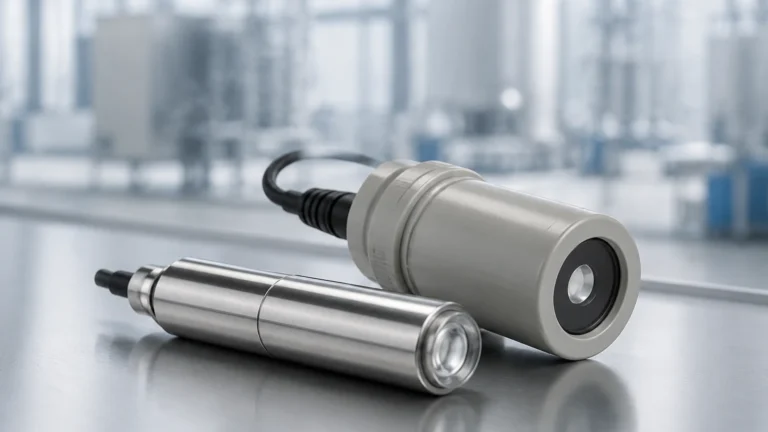
Asphalt Silo Integration
Asphalt Silo Integration
In the production of hot mix asphalt (HMA), the storage and management of raw materials and finished products represent a critical juncture in the supply chain. Asphalt silo integration refers to the seamless incorporation of level measurement instrumentation into the plant’s automated control systems. Accurate level monitoring is essential not only for inventory management but also for preventing silo overfills, ensuring batch consistency, and maintaining the continuous operation of the asphalt mixing plant (AMP).
Integrating sensors into an asphalt silo environment presents unique engineering challenges. The materials involved—typically a combination of bitumen and aggregates—are stored at high temperatures, often ranging from 150°C to 180°C (300°F to 350°F). Furthermore, the environment inside a silo is characterized by heavy dust, bitumen vapors, and mechanical vibrations. Selecting the correct measurement principle and ensuring its proper integration into the plant's PLC (Programmable Logic Controller) or SCADA system is the foundation of modern asphalt production efficiency.
Principles of Level Measurement in Asphalt Applications
Before proceeding with asphalt silo integration, engineers must understand the physical principles governing the sensors used in these harsh environments. There are three primary technologies employed: Non-contact Radar, Guided Wave Radar (GWR), and Ultrasonic sensors.
Non-Contact Radar (FMCW)
Non-contact radar, particularly Frequency Modulated Continuous Wave (FMCW) radar operating at 80GHz, is the gold standard for asphalt silo integration. The sensor emits a high-frequency signal that reflects off the surface of the asphalt. By measuring the frequency shift or time-of-flight, the distance to the material is calculated.
The 80GHz frequency is advantageous because it offers a narrow beam angle (often as small as 3 degrees). This allows the signal to avoid internal silo structures like ladders or braces. Because radar waves are electromagnetic, they are unaffected by the heavy dust and steam present during the silo filling process.
Guided Wave Radar (GWR)
Guided Wave Radar utilizes a probe (cable or rod) that extends into the material. A low-energy pulse of microwaves is sent down the probe, and when it reaches the asphalt surface, a portion of the energy is reflected back. While GWR provides a very stable signal, it is a contact-based method. In asphalt silos, the primary drawback is the potential for bitumen buildup on the probe, which can cause signal attenuation or "ghost" level readings if not maintained.
Ultrasonic Measurement
Ultrasonic sensors use sound waves to determine the level. While cost-effective, they are generally less suitable for asphalt silo integration. Sound waves are mechanical and require a medium (air) to travel. In an asphalt silo, temperature fluctuations significantly alter the speed of sound, leading to inaccuracies. Furthermore, heavy dust and bitumen vapors can absorb the acoustic energy, leading to signal loss.
Key Considerations for Asphalt Silo Integration
Successful asphalt silo integration requires more than just mounting a sensor. It involves the alignment of hardware capabilities with the software logic of the plant. For a comprehensive look at available instrumentation, engineers can Review product options and application support on our Main Page to identify the specific models compatible with high-temperature asphalt environments.
Communication Protocols
Most modern level meters provide a 4-20mA analog output with a HART (Highway Addressable Remote Transducer) protocol. Integration into the plant's control system typically involves:
1. Analog Integration: Connecting the 4-20mA signal to a PLC input card to provide a continuous level percentage or volume reading.
2. Digital Integration: Using RS485 (Modbus RTU) or Profibus to transmit not only the level but also diagnostic data, such as internal sensor temperature and signal strength.
Thermal Management
Because asphalt is stored at high temperatures, the integration process must account for heat transfer to the sensor electronics. While the antenna or probe may be rated for high temperatures, the housing containing the transmitter electronics often has a lower threshold (typically up to 80°C). Utilizing cooling fins, thermal spacers, or remote-mounted electronics is a standard practice in asphalt silo integration to ensure long-term reliability.
Practical Selection Table for Asphalt Silo Sensors
When evaluating technologies for asphalt silo integration, the following table compares the performance of the three main sensor types across critical industrial parameters.
| Feature | 80GHz Non-Contact Radar | Guided Wave Radar (GWR) | Ultrasonic Sensor |
| :— | :— | :— | :— |
| Temperature Resistance | Excellent (up to 250°C+) | Excellent (up to 400°C) | Moderate (up to 80°C) |
| Dust & Steam Resistance | High | High | Low |
| Accuracy | ±1 mm to ±2 mm | ±2 mm to ±5 mm | ±10 mm to ±20 mm |
| Maintenance Requirement | Low (Non-contact) | Moderate (Probe cleaning) | Moderate (Transducer cleaning) |
| Beam Angle | Narrow (3° – 8°) | N/A (Follows probe) | Wide (10° – 15°) |
| Installation Complexity | Low | Moderate | Low |
Installation Guidelines and Best Practices
Proper installation is the most significant factor in the success of asphalt silo integration. Even the most advanced radar meter will fail if it is positioned incorrectly.
1. Mounting Location
The sensor should be mounted at least 500mm from the silo wall to prevent signal interference from the wall surface. It should also be positioned away from the material inlet to avoid the direct flow of asphalt during filling, which can cause erratic readings or damage the instrument.
2. Nozzle Design
For non-contact radar, the mounting nozzle should be as short as possible. If a long nozzle is required, the antenna must extend past the end of the nozzle to prevent "ringing" or internal reflections that create a dead zone at the top of the silo.
3. Avoiding Obstructions
Internal reinforcements, heating coils, and ladders are common in asphalt silos. During integration, engineers should perform a "false echo suppression" or "background mapping" scan. This allows the sensor to memorize static reflections from internal structures and ignore them, focusing only on the moving surface of the asphalt.
4. Aiming and Orientation
In silos containing aggregate or solid asphalt components, the material surface is often uneven, forming a cone or a depression. Using an adjustable flange (swivel mount) allows the sensor to be aimed at the most representative point of the material surface, maximizing the return signal strength.

Limitations and Environmental Challenges
While asphalt silo integration significantly improves plant efficiency, there are inherent limitations to the technology.
* Bitumen Condensation: Bitumen vapors can condense on the lens of a radar sensor. While 80GHz radar can often penetrate thin films of oil, heavy buildup will eventually degrade the signal. The use of PTFE (Teflon) or ceramic covers, combined with an air purge system, can mitigate this risk.
* Dielectric Constant: Asphalt has a relatively low dielectric constant (εr ≈ 2.5 to 3.0). This means it is less reflective than water or metal. Sensors used in asphalt silo integration must have high sensitivity and sophisticated signal processing to distinguish the weak reflection from the background noise.
* Dead Zones: All sensors have a "blind zone" or "blocking distance" at the very top of the measurement range (typically 0.1m to 0.3m). Integration logic must account for this to prevent the silo from being filled into the sensor's blind zone, which would result in a loss of measurement.
Frequently Asked Questions (FAQ)
Q: Can I use a level switch instead of a continuous level meter for asphalt silo integration?
A: Yes, level switches (such as vibrating forks or rotary paddles) are often used as redundant high-level alarms. However, for inventory management and process control, a continuous level meter (radar) is required. Integration of both provides the highest level of safety.
Q: How does dust during the filling process affect the reading?
A: If using 80GHz radar, the effect is negligible. The wavelength of the radar signal is much larger than the dust particles, allowing the signal to pass through the dust cloud and reflect off the material surface. Ultrasonic sensors, however, will likely fail during high-dust events.
Q: Is it necessary to recalibrate the sensor frequently?
A: Once the initial integration and mapping are complete, non-contact radar sensors are generally maintenance-free. Recalibration is typically only necessary if the silo geometry changes or if there is extreme buildup on the sensor face.
Q: How do I handle the high temperatures of the silo?
A: Ensure the sensor is equipped with a high-temperature antenna and a thermal isolator. For asphalt silo integration, we recommend using a flange with a heat-dissipating extension to keep the electronic housing within its operating temperature limits.
Conclusion
Asphalt silo integration is a vital component of modern industrial automation in the construction materials sector. By selecting high-frequency radar technology and adhering to rigorous installation standards, plant operators can achieve precise, real-time data on their inventory. This leads to reduced waste, improved safety, and more streamlined production cycles. For engineers looking to implement these solutions, focusing on the communication between the sensor and the plant's control architecture is the key to a successful, long-term deployment.