Cannabis Ethanol Extraction Systems
Cannabis Ethanol Extraction Systems
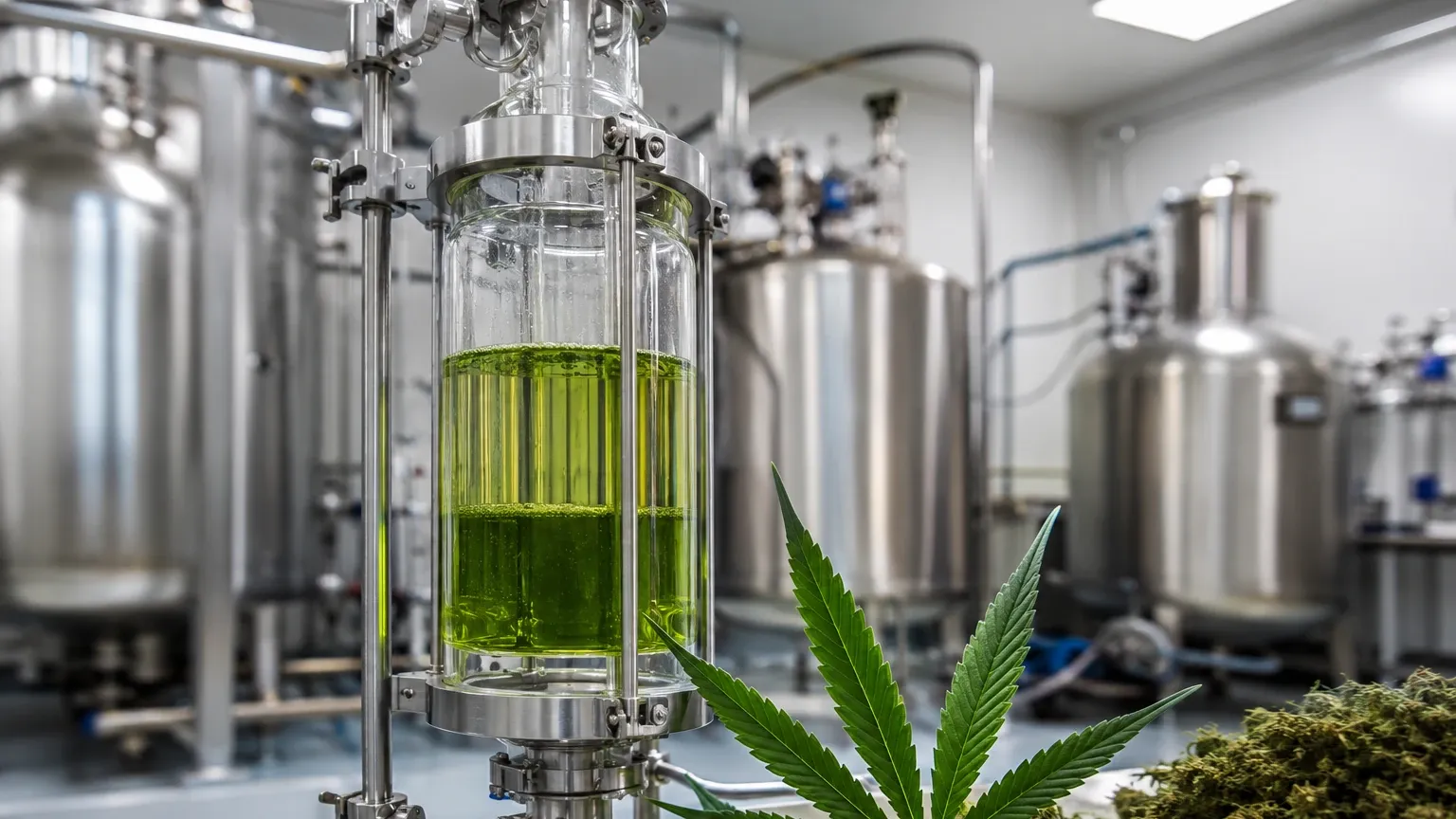
In the rapidly evolving botanical processing industry, cannabis ethanol extraction systems have emerged as the standard for high-throughput, industrial-scale production. These systems utilize ethanol as a solvent to strip cannabinoids, terpenes, and flavonoids from the raw plant material. Because ethanol is a polar solvent, it is highly efficient at capturing a broad spectrum of compounds, but its volatility and the specific environmental conditions required for extraction necessitate rigorous process control and precise instrumentation.
For engineers and facility managers, the primary challenge in managing cannabis ethanol extraction systems lies in the safe and accurate monitoring of solvent levels throughout the extraction, filtration, and recovery stages. Implementing reliable level measurement solutions ensures operational safety, prevents costly solvent loss, and maintains the consistency of the final extract.
Understanding the Extraction Process and Solvent Management
Cannabis ethanol extraction typically involves several distinct stages, each requiring specific vessel types and environmental controls. The process often begins with "winterized" or chilled ethanol, frequently cooled to temperatures between -40°C and -80°C. This cryogenic approach prevents the extraction of unwanted lipids and waxes, reducing the need for downstream purification.
1. Extraction/Soaking: The plant material is submerged in chilled ethanol. Level sensors here monitor the solvent-to-biomass ratio.
2. Filtration: The liquid "miscella" (ethanol and crude oil) is separated from the spent plant material. Storage tanks for the miscella require continuous level monitoring to manage throughput.
3. Evaporation and Solvent Recovery: A falling film evaporator or rotary evaporator separates the ethanol from the oil. The recovered ethanol is pumped back into storage tanks for reuse. Monitoring the level in both the evaporator and the recovery tank is critical to prevent dry-running or overfilling.
4. Decarboxylation: The final crude oil is heated to activate cannabinoids. Level measurement in these smaller vessels ensures batch consistency.
Throughout these stages, the Main Page of a facility’s control strategy must account for the hazardous nature of the solvent and the physical changes it undergoes during temperature shifts.
Measurement Principles for Level Instrumentation
Before selecting a specific sensor for cannabis ethanol extraction systems, it is essential to understand the underlying measurement principles. Different technologies interact with ethanol and botanical oils in unique ways.
Radar Level Measurement (Non-Contact)
Radar transmitters emit high-frequency microwave pulses that travel at the speed of light. When these pulses hit the surface of the ethanol, they are reflected back to the sensor. The device measures the time-of-flight to calculate the distance.
* Dielectric Constant ($εr$): Ethanol has a dielectric constant of approximately 24 at room temperature (20°C). This makes it an excellent reflector for radar signals. Even as temperatures drop in cryogenic stages, the dielectric properties remain stable enough for accurate measurement.
* Advantages: Radar is unaffected by vapor, pressure, or temperature fluctuations within the tank headspace, making it ideal for closed-loop ethanol systems.
Ultrasonic Level Measurement
Ultrasonic sensors use sound waves rather than electromagnetic waves. The sensor emits a pulse that reflects off the liquid surface.
* The Medium Factor: The speed of sound is highly dependent on the density and composition of the air or gas in the tank headspace. In ethanol extraction, the headspace is often saturated with ethanol vapors, which are denser than air. This can significantly slow down the sound wave, leading to measurement errors if the sensor is not properly compensated for the specific gas mixture.
Hydrostatic Pressure Measurement
This principle measures the pressure exerted by the liquid column at the bottom of the tank. The pressure is proportional to the height of the liquid and its density ($P = ρgh$).
* Density Sensitivity: In ethanol systems, density changes with temperature. Chilled ethanol is denser than room-temperature ethanol. Hydrostatic sensors must be calibrated to the specific gravity of the fluid at its operating temperature to ensure accuracy.
Magnetic Level Gauges
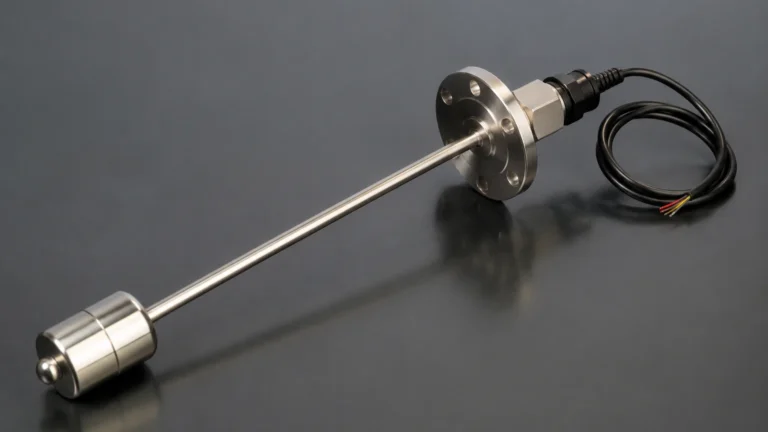
These instruments use a float containing a magnet that moves with the liquid level inside a bypass chamber. On the outside of the chamber, magnetic flags or a transmitter track the float’s position.
* Visual and Electronic: They provide a clear visual indication for operators on the floor while simultaneously sending a 4-20mA signal to the PLC (Programmable Logic Controller).
Selection Criteria for Cannabis Ethanol Extraction Systems
Selecting the right instrumentation for an extraction facility requires balancing regulatory compliance with technical specifications.
Hazardous Location Ratings
Ethanol is a flammable liquid (Class IB). Most extraction rooms are classified as Class I, Division 1 or Division 2 hazardous locations. All level sensors, switches, and transmitters must carry appropriate certifications, such as ATEX, IECEx, or UL listings for explosive atmospheres. Welk provides a range of intrinsically safe and explosion-proof instruments designed specifically for these environments.
Temperature Ranges
Standard industrial sensors are often rated for -20°C to +60°C. However, many cannabis ethanol extraction systems operate at -40°C or lower. It is vital to verify that the sensor housing, seals (such as Viton or PTFE), and electronics can withstand cryogenic temperatures without becoming brittle or failing.
Material Compatibility
To maintain the purity of the extract (especially for medical-grade products), all wetted parts should be constructed from Stainless Steel 316L. Gaskets and seals should be made of food-grade, solvent-resistant materials like PTFE (Teflon).
Comparison of Level Measurement Technologies
| Technology | Accuracy | Suitability for Ethanol | Temperature Resistance | Cost |
| :— | :— | :— | :— | :— |
| Guided Wave Radar | High (±2mm) | Excellent | Very High | Moderate/High |
| Non-Contact Radar | High (±3mm) | Excellent | High | Moderate/High |
| Ultrasonic | Moderate | Limited (Vapor interference) | Moderate | Low |
| Hydrostatic | Moderate | Good (Requires density comp.) | Moderate | Moderate |
| Magnetic Gauge | Moderate | Excellent (Visual check) | High | Moderate |
Installation and Maintenance Guidelines
Proper installation is as critical as the choice of technology itself. For cannabis ethanol extraction systems, consider the following:
* Avoid the Fill Path: Never install a level sensor directly under the solvent inlet. The turbulence and falling liquid will cause false readings or signal noise.
* Agitation and Baffles: Extraction tanks often include mechanical agitators to stir the biomass. Radar sensors should be positioned to avoid reflecting off agitator blades. If the tank is heavily cluttered, a Guided Wave Radar (GWR) with a coaxial probe can be used to "shield" the signal from internal obstructions.
* Venting and Vacuum: Many ethanol recovery systems operate under a vacuum to lower the boiling point of the solvent. Ensure that hydrostatic sensors are of the "differential pressure" type or are properly vented to the tank headspace to avoid errors caused by internal tank pressure.
* Cleaning-in-Place (CIP): If the system undergoes CIP cycles with caustic agents or high-pressure steam, the sensors must be rated for these conditions (typically IP67 or IP68) and be able to withstand the thermal shock.
Limitations and Challenges
While modern instrumentation is highly advanced, certain conditions in cannabis ethanol extraction systems can pose challenges:
1. Foaming: During the evaporation stage, ethanol can foam as it boils. Ultrasonic sensors may struggle as the foam absorbs the sound wave. Radar is generally more resistant to foam, but heavy, dense foam can still attenuate the signal. In these cases, a magnetic level gauge or a tuning fork level switch for high-level alarms is recommended.
2. Coating: Botanical oils are viscous and can coat the probes of contact-based sensors. Non-contact radar is the preferred solution to avoid maintenance issues related to buildup.
3. Dielectric Shifts: If the ethanol is heavily saturated with oils and plant matter, its dielectric constant may change slightly. While radar is generally forgiving, significant changes in fluid composition may require recalibration for contact-based capacitance sensors.
Frequently Asked Questions (FAQ)
Q: Can I use a standard water level sensor for my ethanol tank?
A: No. Ethanol is flammable and has different physical properties (density and dielectric constant) than water. You must use a sensor rated for hazardous locations and calibrated for the specific gravity or dielectric of ethanol.
Q: Why is radar preferred over ultrasonic for ethanol recovery?
A: Ethanol recovery involves high vapor concentrations. Ultrasonic waves change speed based on the gas mixture in the headspace, leading to inaccuracies. Radar uses electromagnetic waves, which are unaffected by ethanol vapors.
Q: How do I monitor the level in a tank that is at -80°C?
A: You need a sensor with a remote electronics housing or a specialized cryogenic extension. This keeps the sensitive electronic components away from the extreme cold while the probe or antenna remains in the tank.
Q: What is the best way to prevent a tank overfill in an extraction room?
A: For safety redundancy, it is best practice to use a continuous level transmitter (like Radar) paired with an independent high-level point switch (like a Vibrating Level Switch). The switch should be wired to a fail-safe circuit that can shut off the feed pump automatically.
Conclusion
Effective management of cannabis ethanol extraction systems requires a deep understanding of both the chemical process and the physics of measurement. By selecting the appropriate radar, hydrostatic, or magnetic level instruments, operators can ensure that their solvent handling is safe, efficient, and compliant with industrial standards. As the industry moves toward greater automation, the integration of high-precision sensors from manufacturers like Welk becomes a cornerstone of a successful extraction facility. For more detailed technical specifications and product options, engineers are encouraged to consult professional resources and Review product options and application support to find the best fit for their specific system architecture.
By focusing on material compatibility, hazardous area safety, and the unique challenges of solvent vapors and cryogenic temperatures, processors can optimize their yields and protect their most valuable assets—their personnel and their product.