Cannabis Oil Extraction Machine
Cannabis Oil Extraction Machine
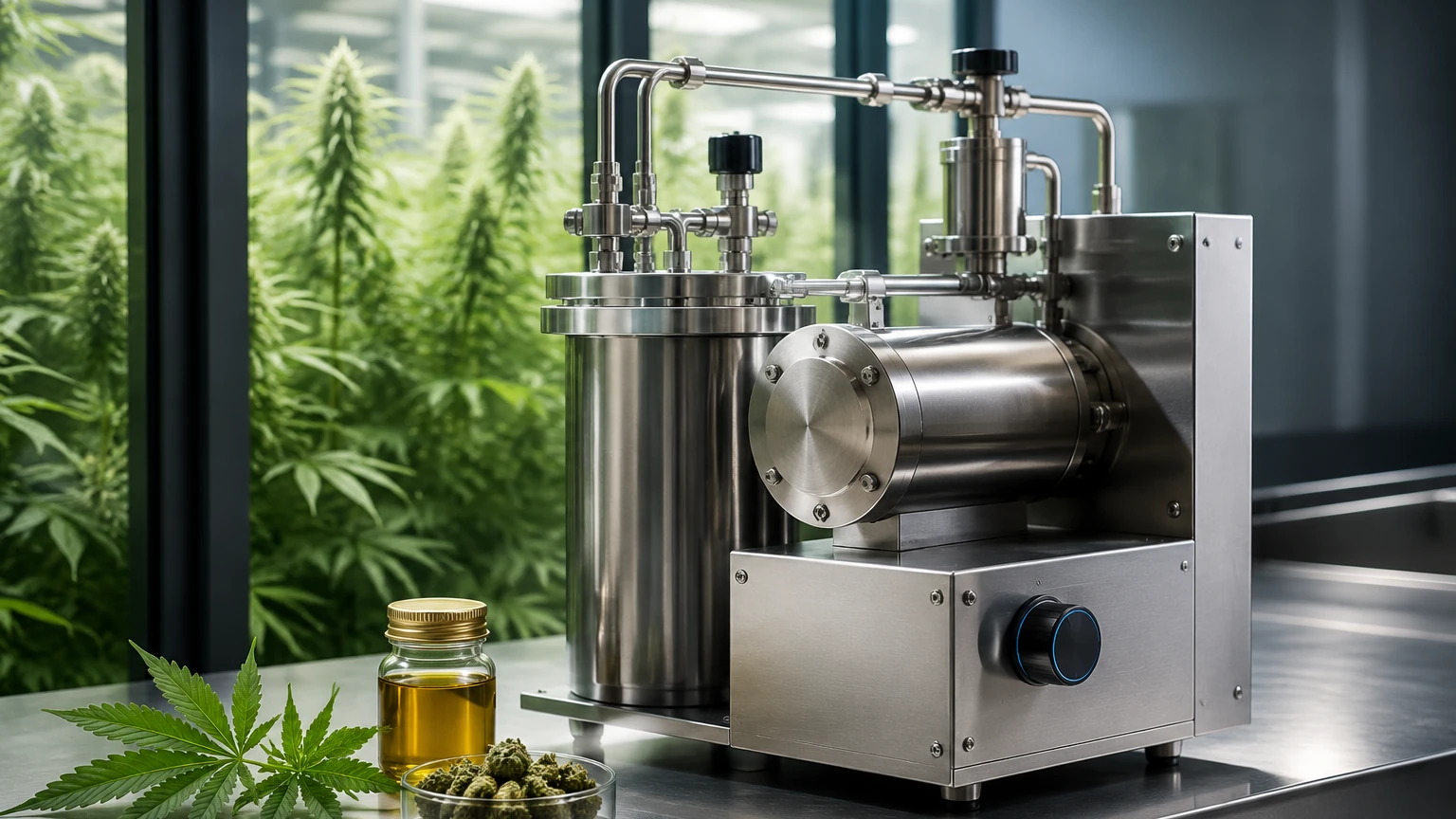
In the rapidly evolving botanical processing industry, the transition from artisanal methods to industrial-scale production has necessitated a sophisticated approach to equipment design. At the heart of this transition is the cannabis oil extraction machine, a complex assembly of pressure vessels, thermal management systems, and fluid control loops. For process engineers and facility managers, ensuring the efficiency, safety, and repeatability of these systems requires a deep understanding of how various components interact, particularly the instrumentation used to monitor solvent and extract levels.
Industrial extraction processes involve the use of solvents—such as ethanol, CO2, or hydrocarbons—to strip cannabinoids and terpenes from raw plant material. Managing these fluids requires precise level measurement to prevent vessel overfills, protect pumps from dry running, and ensure accurate solvent recovery. This guide examines the technical integration of level measurement technologies within cannabis oil extraction systems, providing a framework for selecting the right instrumentation for different extraction modalities.
Fundamental Principles of Level Measurement
Before selecting instrumentation for a cannabis oil extraction machine, it is essential to understand the physical principles governing level measurement. In industrial automation, level sensing is generally categorized into continuous measurement and point level detection.
Radar Level Measurement (Time-of-Flight)
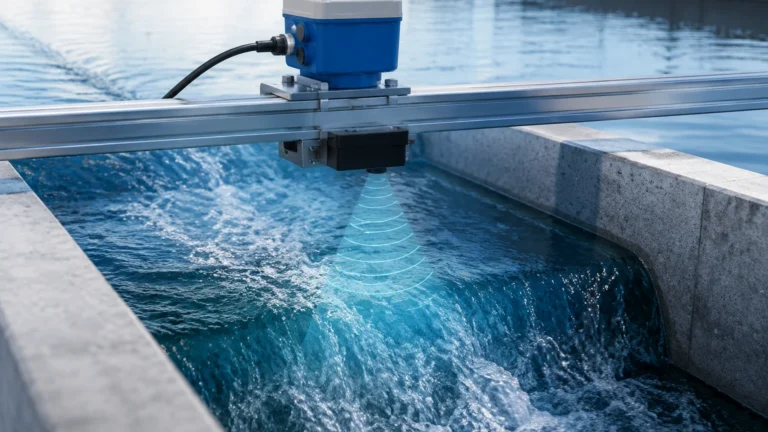
Radar level meters operate on the Time-of-Flight (ToF) principle. The sensor emits high-frequency electromagnetic pulses (typically in the 26 GHz or 80 GHz range) toward the surface of the liquid. These pulses are reflected back to the sensor. The distance is calculated based on the time interval between transmission and reception.
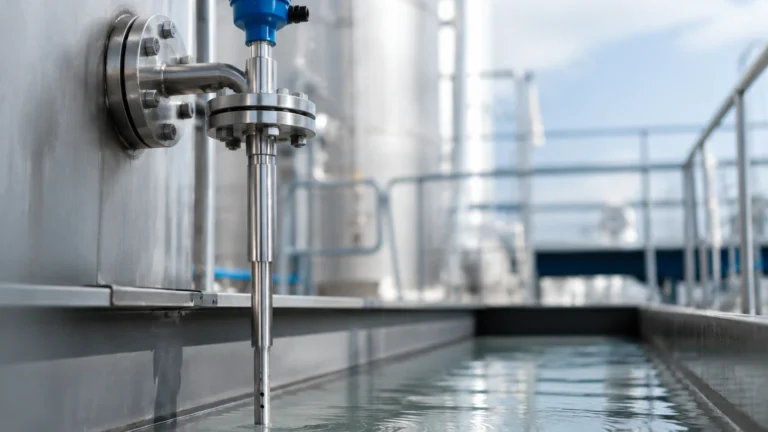
In extraction environments, non-contact radar is often preferred because it does not physically touch the solvent or oil, reducing contamination risks. Guided Wave Radar (GWR) is a variation where the pulse travels along a probe or cable, which is particularly useful in narrow vessels or liquids with low dielectric constants, such as certain hydrocarbons.
Ultrasonic Level Sensing
Ultrasonic sensors function similarly to radar but use sound waves instead of electromagnetic pulses. The transducer emits an ultrasonic pulse that bounces off the liquid surface. The time taken for the echo to return is proportional to the distance. While cost-effective, ultrasonic sensors can be sensitive to temperature fluctuations and the presence of heavy vapors or foam, which are common in solvent-based extraction.
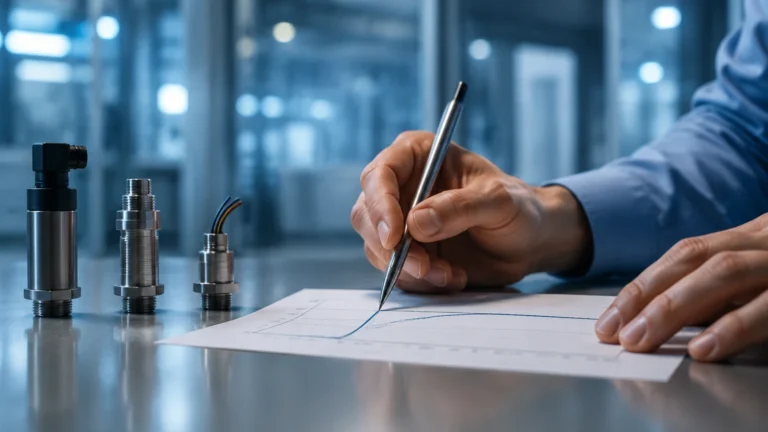
Hydrostatic Pressure Measurement
This principle relies on the relationship between the height of a liquid column and the pressure it exerts at the base of a tank ($P = \rho gh$). A pressure transmitter installed at the bottom of the vessel measures the "head pressure." If the density ($\rho$) of the solvent is known and constant, the level can be calculated with high accuracy. This method is robust but requires the sensor to be in direct contact with the process fluid.
Magnetic Level Gauges
Magnetic level gauges consist of a bypass chamber attached to the side of the extraction vessel. Inside the chamber, a float containing a permanent magnet moves up and down with the liquid level. Outside the chamber, a series of magnetic flags or a transmitter responds to the float's position. This provides a clear visual indication and can be coupled with electronic outputs for remote monitoring, making it ideal for high-pressure CO2 extraction where visual redundancy is critical.
Integration with Extraction Methodologies
The choice of a cannabis oil extraction machine dictates the specific challenges faced by level instrumentation. Each solvent type introduces unique chemical and physical variables.
1. Ethanol Extraction Systems
Ethanol extraction typically occurs at cryogenic temperatures (as low as -40°C to -80°C) to prevent the co-extraction of undesirable waxes and chlorophyll.
* Challenges: Extreme cold can affect sensor electronics and seal integrity.
* Recommended Solution: Hydrostatic transmitters with remote seals or specialized radar units rated for low-temperature service. For solvent recovery stages where ethanol is boiled off, radar is superior as it remains unaffected by the changing density of the evaporating liquid.
2. CO2 Extraction (Supercritical and Subcritical)
CO2 extraction operates at very high pressures, often exceeding 75 bar (1087 psi).
* Challenges: The high-pressure environment requires vessels and sensors with significant structural integrity. Furthermore, the supercritical state of CO2 can make the interface between liquid and gas difficult to distinguish.
* Recommended Solution: Magnetic level gauges are frequently used for their pressure resistance and clear visual feedback. Non-contact radar with high-pressure process connectors is also a standard choice for automated control loops.
3. Hydrocarbon Extraction (Butane/Propane)
Hydrocarbon extraction utilizes highly volatile solvents that require Class I, Division 1 (CID1) or ATEX Zone 0/1 explosion-proof ratings for all electronic components.
* Challenges: Flammability and the need for sanitary connections to meet food-grade or pharmaceutical standards.
* Recommended Solution: Intrinsically safe radar level meters. These provide the necessary precision for solvent recovery while adhering to strict safety protocols for hazardous environments.
Practical Selection Table for Extraction Level Sensors
| Criteria | Non-Contact Radar | Guided Wave Radar | Hydrostatic Pressure | Magnetic Level Gauge |
| :— | :— | :— | :— | :— |
| Accuracy | High (±2mm) | High (±2mm) | Moderate (±0.1% span) | Moderate |
| Pressure Range | Up to 160 bar | Up to 400 bar | Up to 600 bar | Up to 320 bar |
| Temperature | -40 to +250°C | -200 to +450°C | -40 to +120°C | -196 to +450°C |
| Viscosity Impact | None | Low | High (if clogging occurs) | Moderate |
| Installation | Top-mounted | Top-mounted | Bottom/Side-mounted | Side-mounted (Bypass) |
| Best Use Case | Solvent Recovery | Small/Narrow Tanks | Bulk Storage | High-Pressure CO2 |
Installation and Engineering Considerations
When integrating level sensors into a cannabis oil extraction machine, several engineering factors must be addressed to ensure long-term reliability:
1. Sanitary Requirements: Most extraction processes must comply with GMP (Good Manufacturing Practice) standards. Sensors should feature 316L stainless steel construction and Tri-Clamp or sanitary flange connections to facilitate Cleaning-in-Place (CIP) procedures.
2. Dead Zones: Every sensor has a "dead zone" (blocking distance) at the top of its range where it cannot measure. Engineers must account for this when sizing vessels to prevent the liquid from entering this zone, which could lead to false readings.
3. Vapor and Turbulence: In solvent recovery and decarboxylation stages, boiling and agitation are common. Radar sensors with advanced signal processing algorithms can filter out "noise" caused by surface turbulence or steam, providing a stable level reading.
4. Material Compatibility: Solvents like ethanol and hydrocarbons can degrade certain elastomers. Ensure that O-rings and seals (e.g., FKM, FFKM, or PTFE) are chemically compatible with the specific solvents used in the machine.
For engineers looking to optimize their process control, Welk offers a comprehensive range of instrumentation designed for these demanding environments. To review specific product options and application support, please visit our Main Page.
Limitations and Operational Constraints
While modern level measurement technology is highly advanced, certain limitations remain:
* Foam Interference: Heavy foam, often produced during the initial stages of extraction or during solvent purging, can absorb ultrasonic and radar signals. In these cases, GWR or hydrostatic sensors are more reliable.
* Dielectric Constant: Radar relies on the dielectric constant of the liquid to reflect the signal. Pure hydrocarbons have low dielectric constants, which may require the use of a stilling well or a guided wave probe to amplify the reflected signal.
* Coating and Buildup: Cannabis oil is inherently viscous and sticky. Over time, residue can build up on contact-type sensors (like GWR probes or hydrostatic diaphragms). Non-contact radar is the best way to mitigate maintenance issues related to product buildup.
Frequently Asked Questions (FAQ)
Q: Can I use one type of sensor for both the solvent tank and the extract collection vessel?
A: It depends on the extraction method. While a radar sensor might work for both, the extract collection vessel often deals with higher viscosity and potential foaming, which might favor a non-contact radar, whereas the solvent tank could use a simpler hydrostatic or ultrasonic sensor.
Q: How do I ensure my sensors meet safety codes for butane extraction?
A: You must select sensors with a Class I, Division 1 or ATEX Zone 0/1 rating. These sensors are designed to prevent sparks or heat that could ignite the flammable hydrocarbon vapors.
Q: What is the benefit of an 80 GHz radar over a 26 GHz radar in an extraction machine?
A: 80 GHz radar has a much narrower beam angle. This is beneficial in the small, crowded vessels typical of a cannabis oil extraction machine, as it avoids false reflections from internal heating coils, agitators, or vessel walls.
Q: How often should level sensors be calibrated in an extraction facility?
A: For GMP-compliant facilities, annual calibration is standard. However, if the machine processes high volumes of viscous crude oil, more frequent inspections of contact-type sensors may be necessary to check for residue buildup.
Conclusion
Selecting the appropriate level measurement technology is a critical step in the design and operation of a cannabis oil extraction machine. By understanding the principles of radar, ultrasonic, and hydrostatic measurement, and by accounting for the specific challenges of solvent properties and hazardous environments, operators can significantly improve their yield and safety. For professional-grade measurement solutions tailored to industrial automation, exploring the technical resources available on our Main Page can provide the necessary guidance for complex system integration.