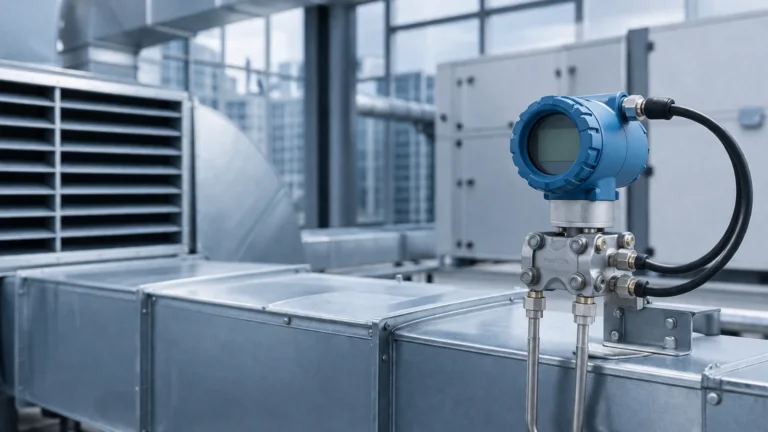
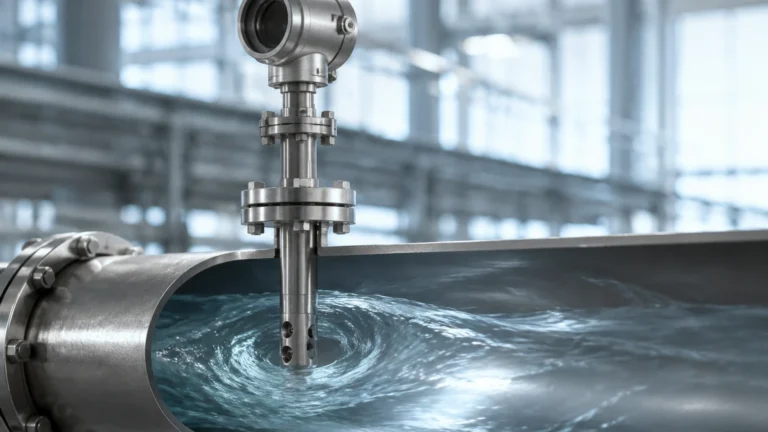
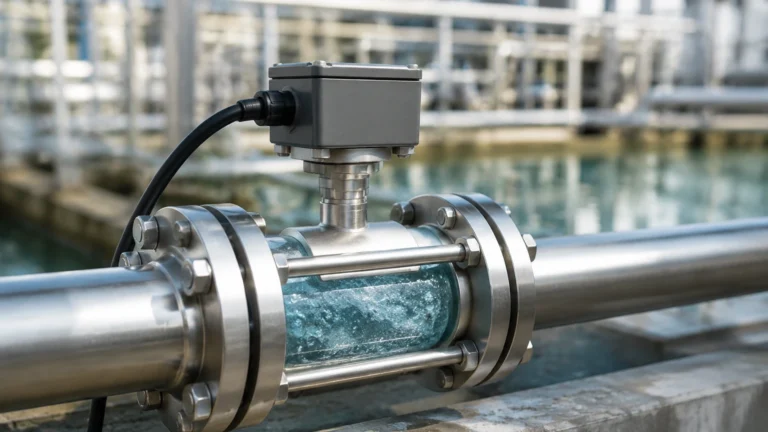
Cbd Ethanol Extraction Equipment
Cbd Ethanol Extraction Equipment
In the rapidly evolving botanical processing industry, cbd ethanol extraction equipment represents the backbone of large-scale production. Ethanol is preferred for industrial-scale hemp processing due to its efficiency as a solvent, its relative safety compared to hydrocarbons, and its ability to be recovered and reused. However, the operation of these systems requires precise control over fluid dynamics, temperature, and volume. Accurate level measurement is not merely a matter of inventory management; it is a critical safety and process efficiency requirement.
Industrial extraction systems involve complex stages—from initial biomass soaking and centrifugation to solvent recovery via falling film evaporation. Each stage requires specific instrumentation to monitor the presence and volume of ethanol, crude oil, and slurry. This article examines the technical requirements for level measurement within cbd ethanol extraction equipment, the principles of various sensing technologies, and the engineering considerations for successful integration.
Core Level Measurement Principles for Extraction Systems
Before selecting instrumentation for cbd ethanol extraction equipment, it is essential to understand the physical principles that govern level detection in these environments. Ethanol extraction often occurs at extreme temperatures (cryogenic or elevated) and may involve vacuum or pressurized states.
Hydrostatic Pressure Measurement
Hydrostatic level transmitters operate on the principle that the pressure at the bottom of a vessel is proportional to the height of the liquid column above it ($P = \rho \cdot g \cdot h$). In extraction tanks, these sensors are used to monitor the volume of solvent. Because ethanol has a specific gravity lower than water (approximately 0.789 at 20°C), the transmitter must be calibrated to the specific density of the fluid to ensure accuracy. This method is reliable for vented or atmospheric tanks but requires differential pressure compensation if the tank is pressurized or under vacuum.
Radar (Time of Flight)
Radar level meters, particularly Frequency Modulated Continuous Wave (FMCW) radar, are highly effective for cbd ethanol extraction equipment. They emit a high-frequency signal that reflects off the liquid surface. The time it takes for the signal to return determines the distance. Radar is a non-contact technology, making it ideal for sanitary applications where cross-contamination must be avoided. However, ethanol has a relatively low dielectric constant ($ε_r ≈ 24$), which means the reflected signal is weaker than that of water. High-sensitivity radar sensors are required to maintain a stable signal.
Ultrasonic Level Sensing
Ultrasonic sensors use sound waves to measure the distance to the liquid surface. While cost-effective, they face limitations in ethanol extraction. Ethanol vapors can change the speed of sound in the headspace of the tank, leading to measurement errors unless temperature and vapor density compensation are applied. Furthermore, if the process involves vacuum stages, ultrasonic waves cannot travel, rendering the sensor ineffective.
Magnetic Level Gauges
Magnetic level gauges provide both a visual indication and an electronic output via a reed switch or transmitter. A float containing a magnet moves with the liquid level inside a bypass chamber. This is a robust mechanical solution often used for solvent storage tanks where a secondary, non-electronic visual backup is required for safety protocols.
Technical Selection Criteria for Extraction Instrumentation
Selecting the right sensors for cbd ethanol extraction equipment requires a deep dive into the chemical and physical environment of the process. For comprehensive technical specifications and to Review product options and application support, engineers should consult the Main Page of specialized instrument manufacturers.
Material Compatibility and Sanitary Design
Ethanol is a powerful solvent. All wetted parts of the level sensor must be constructed from materials that resist corrosion and do not leach contaminants into the extract. Stainless steel 316L is the industry standard. Furthermore, because CBD is a consumable product, the equipment must adhere to sanitary standards (such as 3-A or EHEDG). This involves using Tri-clamp fittings and ensuring the sensor surface has a low roughness average (Ra < 0.8 µm) to prevent bacterial growth.
Hazardous Area Classifications
Ethanol is a Class I, Flammable Liquid. Any electronic instrumentation installed on cbd ethanol extraction equipment must carry appropriate explosion-proof or intrinsically safe certifications (ATEX, IECEx, or UL/CSA). In the United States, this typically means Class I, Division 1 or 2 ratings. Sensors must be designed to prevent any electrical spark or thermal energy from igniting the ethanol vapors.
Temperature Extremes
Cryogenic ethanol extraction often takes place at temperatures between -40°C and -80°C to minimize the extraction of unwanted waxes and chlorophylls. Level sensors must be rated for these low temperatures. Conversely, solvent recovery systems, such as falling film evaporators, operate at higher temperatures. The electronics of the sensor should be thermally isolated from the process connection to prevent damage.
Application-Specific Level Control in Extraction Stages
The integration of level sensors varies depending on which part of the cbd ethanol extraction equipment is being monitored.
1. Extraction Centrifuges: Level switches are often used as high-level alarms to prevent overfilling the centrifuge bowl with chilled ethanol. Point level detection is critical here to prevent mechanical imbalance or solvent overflow.
2. Solvent Storage Tanks: Continuous level measurement (Radar or Hydrostatic) is necessary for inventory management. These tanks are often large, and accurate measurement ensures the facility never runs out of solvent during a production run.
3. Falling Film Evaporators: This is a high-turbulence environment where ethanol is evaporated to leave behind the crude oil. Non-contact radar is preferred here because it is unaffected by the vapor velocity and can accurately track the liquid level in the separator flask.
4. Decarboxylation Vessels: As the crude oil is heated to activate the cannabinoids, the viscosity changes significantly. Level sensors must be able to handle thick, resinous fluids without fouling.
Installation and Engineering Considerations
Proper installation is as important as the technology selection. For cbd ethanol extraction equipment, the following guidelines should be followed:
* Avoid Obstructions: When installing radar or ultrasonic sensors, ensure the signal path is clear of agitators, spray balls, or internal bracing. If obstructions are unavoidable, use a stilling well or a guided wave radar (GWR).
* Mounting Position: Sensors should typically be mounted at 1/6th to 1/4th of the tank diameter from the side wall. Mounting too close to the wall can cause interference, while mounting in the center may result in false echoes from the vortex created by an agitator.
* Vapor Management: In high-concentration ethanol environments, condensation can form on the sensor face. Some radar sensors feature a PTFE drip shield or a parabolic antenna designed to shed condensation, ensuring the signal remains clear.
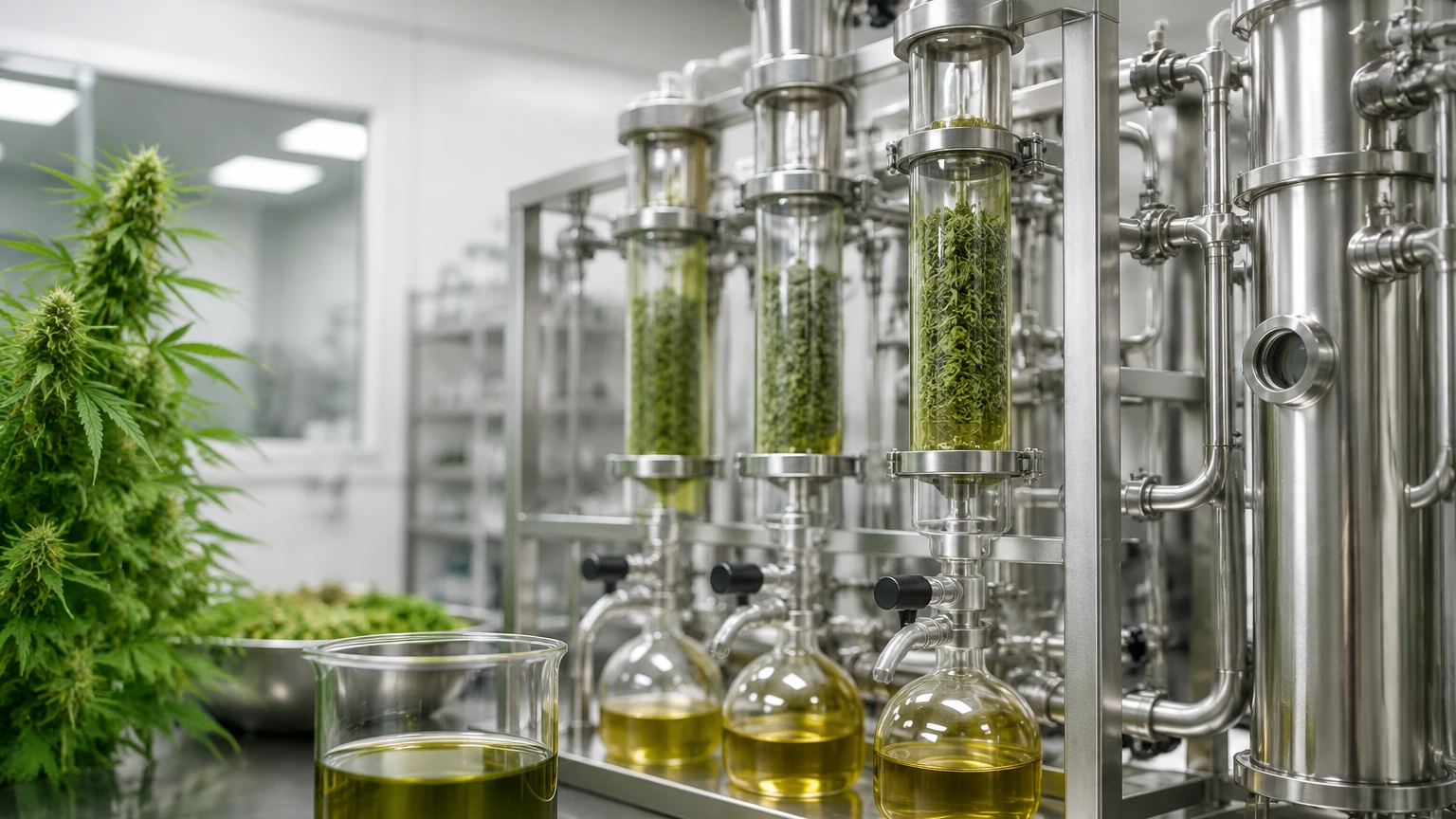
Comparison of Level Sensing Technologies for Ethanol
| Technology | Accuracy | Suitability for Ethanol | Limitations | Best Use Case |
| :— | :— | :— | :— | :— |
| FMCW Radar | ±2 mm | Excellent | Low dielectric constant ($ε_r$) | Solvent recovery, Vacuum tanks |
| Hydrostatic | ±0.1% FS | Good | Density dependent | Large storage tanks |
| Ultrasonic | ±0.25% FS | Moderate | Affected by vapors/vacuum | Atmospheric water/waste tanks |
| Capacitance | ±1% FS | Good | Requires recalibration if fluid changes | Small vessels, interface detection |
| Vibrating Fork | Point Level | Excellent | Build-up on tines | Overfill protection/High-level alarm |
Limitations and Troubleshooting
While modern instrumentation is highly reliable, certain factors can disrupt measurement in cbd ethanol extraction equipment. Foam is a common issue during the initial extraction phase. Excessive foam can absorb ultrasonic and radar signals, leading to a "loss of echo" error. In these instances, a guided wave radar (GWR) is often the solution, as the probe guides the signal through the foam directly to the liquid surface.
Another limitation is the build-up of botanical resins. In crude oil tanks, the sticky nature of the extract can coat sensor probes. Hydrostatic sensors with flush diaphragms or non-contact radar are preferred in these scenarios to minimize maintenance requirements. If a probe-based sensor is used, regular cleaning cycles (CIP) must be integrated into the SOP.
Frequently Asked Questions (FAQ)
Q: Why is non-contact radar preferred over ultrasonic for ethanol tanks?
A: Ethanol evaporates easily, creating a dense vapor layer in the tank headspace. This vapor changes the speed of sound, which causes ultrasonic sensors to give inaccurate readings. Radar uses electromagnetic waves, which are not affected by the gas composition in the headspace.
Q: Do I need a specific certification for sensors used in CBD extraction?
A: Yes. Because ethanol is flammable, the sensors must be certified for hazardous locations (e.g., Class I, Div 1). Additionally, for food-grade or pharmaceutical-grade CBD, the sensors should meet sanitary standards like 3-A or be made of FDA-compliant materials.
Q: How does temperature affect level measurement in chilled ethanol systems?
A: Chilled ethanol (-40°C) is denser than ethanol at room temperature. If you are using hydrostatic pressure sensors, the calibration must account for this increased density. Radar sensors are generally unaffected by temperature changes.
Q: Can I use a single sensor for both ethanol and the final CBD oil?
A: While the sensor hardware might be compatible with both, the settings (like density for hydrostatic or dielectric constant for radar) will differ. It is usually better to have dedicated sensors calibrated for the specific fluid in each vessel of the cbd ethanol extraction equipment.
For engineers and facility managers looking to optimize their extraction processes, selecting the correct instrumentation is a foundational step. By understanding the measurement principles and the unique challenges of the ethanol environment, you can ensure both the safety and the profitability of your operation. For more detailed technical guidance and product specifications, visit the Main Page to explore the full range of level measurement solutions.