Cbd Extraction Machine
Cbd Extraction Machine
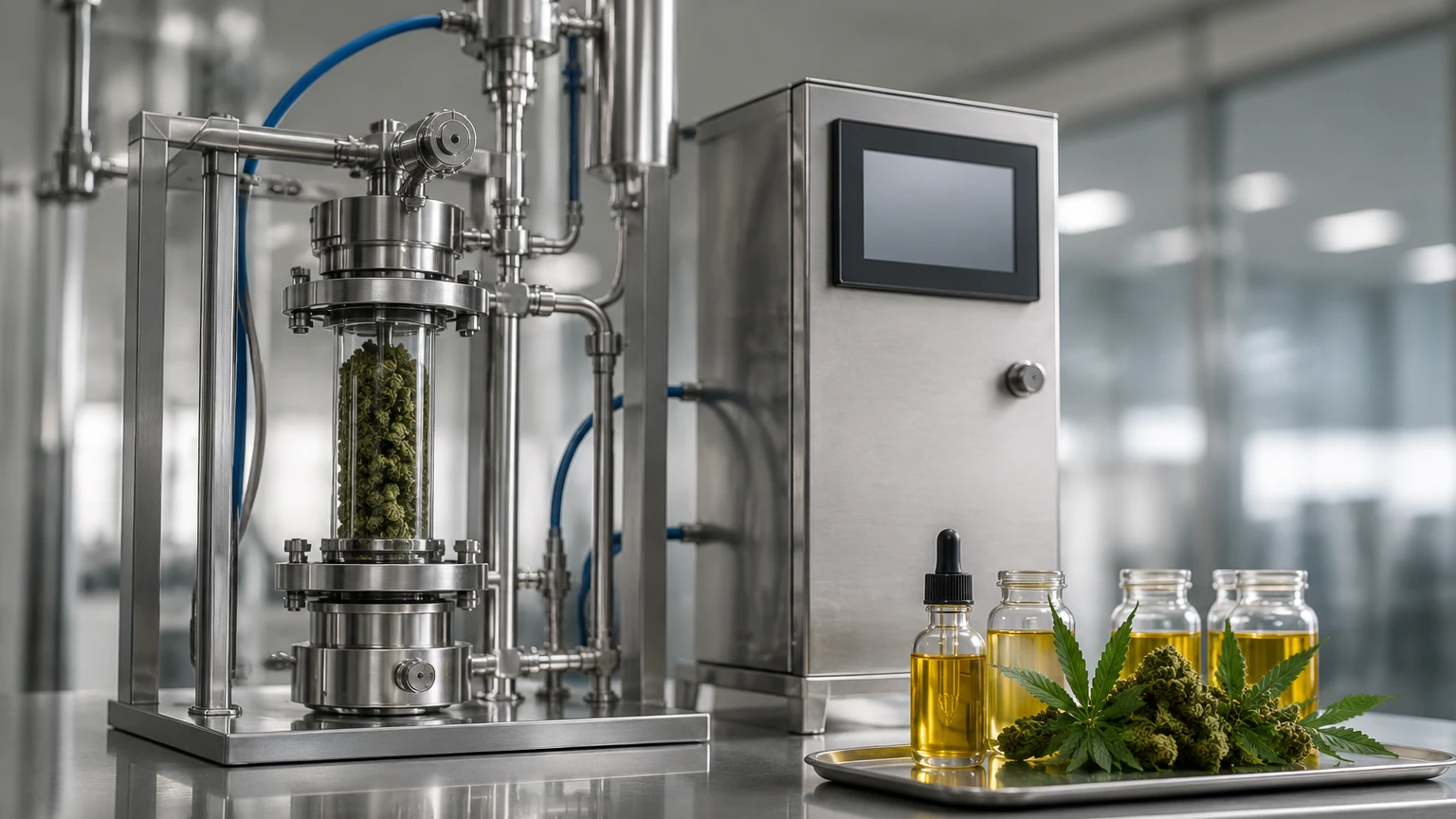
In the rapidly evolving landscape of botanical processing, the efficiency and safety of a CBD extraction machine depend heavily on the precision of its integrated instrumentation. Cannabidiol (CBD) extraction is a sophisticated chemical engineering process that requires the careful management of solvents, temperatures, and pressures. To achieve high-purity yields and maintain operational safety, engineers must implement reliable level measurement solutions across various stages of the extraction and refinement cycle.
Industrial level measurement instruments, such as those provided by Welk, play a critical role in automating these systems. From monitoring solvent reservoirs to managing the output of crude oil, the choice of level sensor impacts both the quality of the final product and the ROI of the extraction facility.
The Role of Level Measurement in CBD Extraction
A CBD extraction machine is not a single piece of equipment but a system of interconnected vessels, pumps, and heat exchangers. Level measurement is required in several key areas:
1. Solvent Storage Tanks: Monitoring the volume of ethanol, CO2, or hydrocarbons used for extraction.
2. Extraction Vessels: Ensuring the correct ratio of biomass to solvent is maintained.
3. Evaporators and Solvent Recovery: Controlling the level in falling film or rotary evaporators to prevent dry-running or overfilling during solvent reclamation.
4. Collection Tanks: Measuring the accumulation of crude extract or distillate.
Without accurate level data, operators risk vessel overflows, pump cavitation, and inconsistent batch quality. Furthermore, because many extraction solvents are flammable or operate under high pressure, level sensors serve as a primary safety layer to prevent hazardous incidents.
Measurement Principles for Extraction Environments
Before selecting a sensor for a CBD extraction machine, it is essential to understand the physical principles governing different measurement technologies. Each method has strengths and limitations based on the physical properties of the fluid being measured.
1. Radar Level Measurement (Non-Contact)
Radar level meters utilize Frequency Modulated Continuous Wave (FMCW) or pulse technology. The sensor emits an electromagnetic signal that travels to the surface of the liquid and reflects back. By measuring the time-of-flight or frequency shift, the instrument calculates the distance to the product surface.
* Advantages: Non-contact measurement means the sensor is not affected by the corrosive or sticky nature of crude hemp oil. It is highly accurate and works well in pressurized CO2 environments.
* Considerations: The dielectric constant of the liquid must be high enough to reflect the signal. Most solvents used in CBD extraction have sufficient dielectric properties for modern high-frequency radar.
2. Hydrostatic Level Measurement
Hydrostatic transmitters measure the pressure exerted by a liquid column. The pressure at the bottom of a tank is directly proportional to the height of the liquid and its density ($P = \rho \cdot g \cdot h$).
* Advantages: Simple to install and cost-effective for atmospheric tanks, such as ethanol storage.
* Considerations: If the tank is pressurized (common in CO2 extraction), a differential pressure setup is required to compensate for the overhead gas pressure.
3. Ultrasonic Level Sensors
Similar to radar, ultrasonic sensors use sound waves rather than electromagnetic waves. They measure the time it takes for a sound pulse to echo off the liquid surface.
* Advantages: Low cost and easy to program.
* Considerations: These are generally unsuitable for solvent-heavy environments because changes in vapor concentration or temperature significantly alter the speed of sound, leading to measurement errors.
4. Magnetic Level Gauges
Magnetic gauges use a float containing a magnet that moves with the liquid level inside a bypass chamber. This magnet flips external flags for visual indication and can be paired with a reed chain transmitter for electronic output.
* Advantages: Provides a clear visual reference for operators and is highly reliable for high-pressure applications where electronic components need to be isolated from the process fluid.
Comparing Technologies for CBD Extraction Machines
Selecting the right technology depends on the specific solvent and process stage. The following table provides a general guideline for choosing level instruments for a CBD extraction machine.
| Application | Recommended Technology | Why? |
| :— | :— | :— |
| Supercritical CO2 Extraction | Guided Wave Radar / Magnetic Gauge | Handles high pressure (up to 350 bar) and varying densities. |
| Cryogenic Ethanol Extraction | Radar (Non-contact) | Unaffected by extreme cold (-40°C to -80°C) and vapor. |
| Solvent Recovery (Evaporators) | Radar or Hydrostatic | Provides continuous feedback for automated pump control. |
| Waste/Water Treatment | Ultrasonic or Hydrostatic | Cost-effective for non-volatile liquids. |
| High-Level Alarm (Safety) | Tuning Fork Level Switch | Provides a redundant, independent signal to prevent overflows. |
Technical Considerations for Extraction Systems
When integrating level sensors into a CBD extraction machine, several technical factors must be addressed to ensure long-term reliability.
Chemical Compatibility
Extraction processes often involve aggressive solvents like ethanol, butane, or propane. The wetted parts of the sensor (the parts in contact with the liquid) must be compatible. Stainless steel (316L) is the industry standard, but for certain terpene-rich environments, specialized coatings or PTFE may be necessary.
Pressure and Temperature Extremes
* CO2 Extraction: Operates at very high pressures. Sensors must have the appropriate flange ratings and seals (e.g., Viton or EPDM) to prevent leaks.
* Ethanol Extraction: Often performed at cryogenic temperatures to minimize the extraction of waxes and chlorophyll. The electronics of the level meter must be thermally isolated from the process connection to prevent damage from freezing.
Sanitary Requirements
Since CBD is often intended for human consumption (as a nutraceutical or pharmaceutical), the CBD extraction machine must meet sanitary standards. This involves using Tri-Clamp fittings and ensuring sensors have a surface finish (Ra < 0.8 µm) that prevents bacterial growth and allows for Clean-in-Place (CIP) procedures.
Installation Guidelines
Proper installation is as important as selecting the right sensor. Poorly placed sensors can result in "dead zones" or false readings caused by internal tank structures.
1. Avoid Obstructions: For radar and ultrasonic sensors, ensure the signal path is clear of agitators, heating coils, or spray balls. If obstructions are unavoidable, use a bypass pipe or a stilling well.
2. Nozzle Height: The mounting nozzle should not be so long that it creates an interference zone for the sensor. Follow the manufacturer's "dead band" or "blanking distance" specifications.
3. Grounding: In environments with flammable solvents, ensure all instrumentation is properly grounded to prevent static discharge.
4. Orientation: Hydrostatic sensors should be mounted where sediment is least likely to accumulate on the diaphragm.
Limitations and Common Risks
While modern instrumentation is robust, certain conditions can challenge the accuracy of a CBD extraction machine's level control:
* Foaming: Some extraction processes create foam. Radar signals can be absorbed or scattered by thick foam, leading to a loss of signal. In these cases, a guided wave radar (using a probe) or a mechanical float-based system is preferred.
* Vapor Clouds: Heavy solvent vapors can attenuate ultrasonic signals. Radar is generally immune to this, making it the superior choice for volatile organic compounds (VOCs).
* Build-up: Crude oil is viscous and sticky. Over time, it can coat sensors. Choosing non-contact radar or using a level switch with "coat-rejection" logic (like certain tuning fork models) is essential for reducing maintenance frequency.
Frequently Asked Questions (FAQ)
Q: Can I use a standard water level sensor in my CBD extraction machine?
A: Generally, no. Standard sensors often lack the chemical compatibility for solvents and the pressure ratings required for extraction. Always verify that the sensor is rated for the specific solvent and hazardous zone (e.g., Class I, Div 1).
Q: How often should I calibrate my level sensors?
A: For critical extraction processes, an annual calibration check is recommended. However, if the density of your solvent changes (e.g., switching from 200-proof ethanol to a diluted mixture), hydrostatic sensors will need to be recalibrated immediately.
Q: What is the best way to prevent tank overfills?
A: The most reliable method is to use a "Primary" and "Secondary" system. Use a continuous level transmitter (like radar) for process control and an independent point-level switch (like a tuning fork) as a high-level alarm that can hardware-interlock the feed pump.
Conclusion
Efficient CBD production relies on the seamless integration of mechanical extraction and precision instrumentation. By understanding the measurement principles of radar, hydrostatic, and magnetic systems, engineers can design a CBD extraction machine that is both productive and safe. For more information on specific instrument specifications and to explore a wide range of industrial level measurement solutions, visit the Main Page to review product options and application support.
Whether you are scaling up a boutique laboratory or managing a large-scale industrial facility, choosing the right level measurement technology is a foundational step in optimizing your extraction workflow. Always consult with a technical specialist to ensure your instrumentation meets the specific chemical and safety requirements of your process.