Cbd Extraction Machines
Cbd Extraction Machines
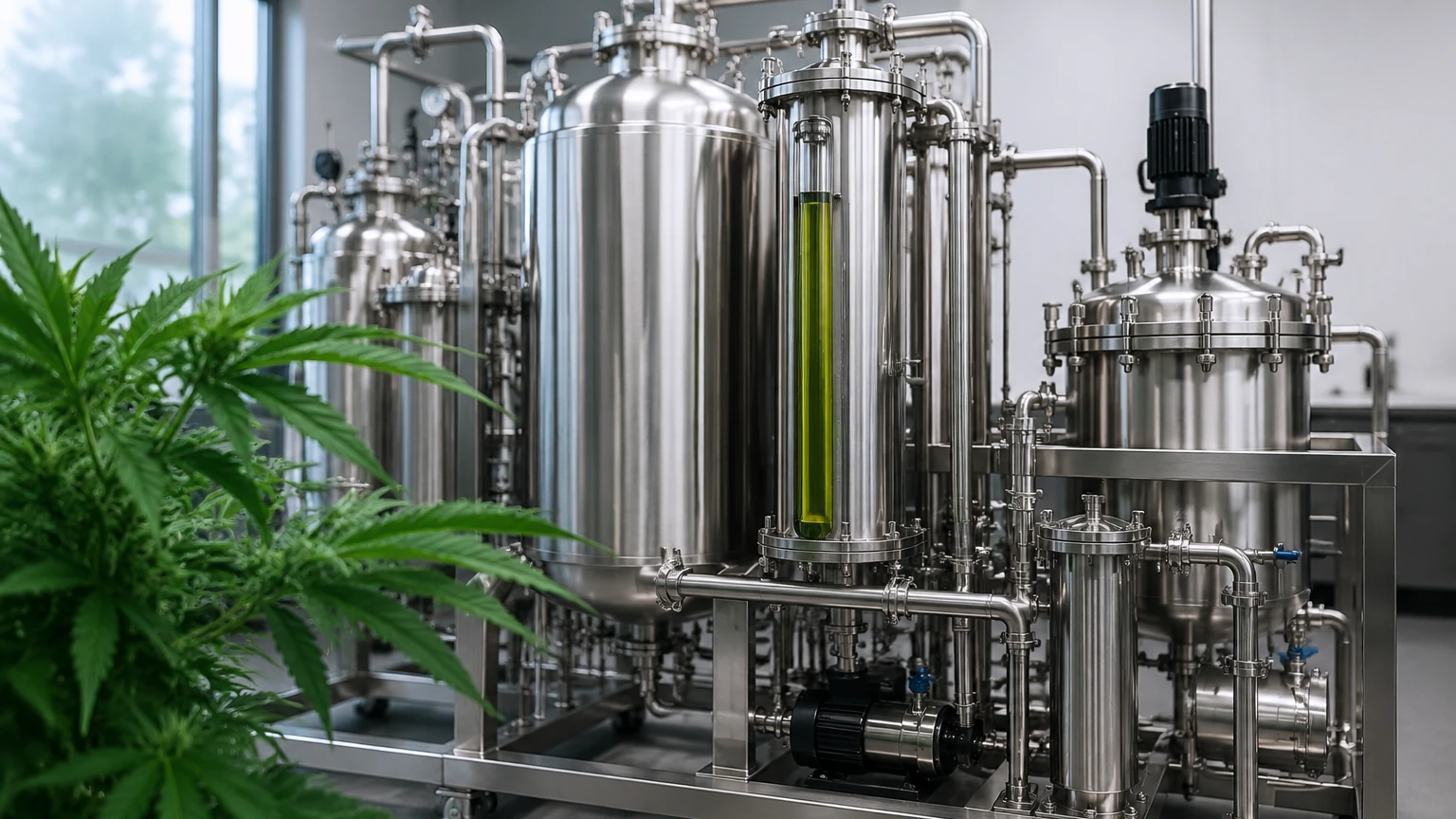
In the rapidly evolving botanical processing industry, CBD extraction machines represent a significant capital investment and a complex engineering challenge. These systems, designed to isolate cannabidiol from hemp biomass, rely on precise process control to ensure safety, efficiency, and product purity. Among the various control parameters, level measurement is one of the most critical. Accurate monitoring of solvent levels, extraction vessel contents, and waste recovery tanks is essential for automation and preventing hazardous overflows.
Industrial CBD extraction involves various methods, including supercritical CO2, chilled ethanol, and hydrocarbon extraction. Each method presents unique environmental challenges—such as extreme pressures, cryogenic temperatures, or volatile atmospheres—that dictate the choice of level measurement technology. This guide explores the engineering principles behind level sensors used in CBD extraction machines and provides a framework for selecting the right instrumentation.
Measurement Principles in Extraction Environments
Before selecting a sensor for CBD extraction machines, it is vital to understand the physics behind common measurement technologies. In these industrial setups, sensors must provide continuous data to a PLC (Programmable Logic Controller) to manage pump cycles and valve actuations.
Radar Level Measurement
Radar technology is widely considered the gold standard for high-precision extraction applications. It operates on the principle of microwave propagation.
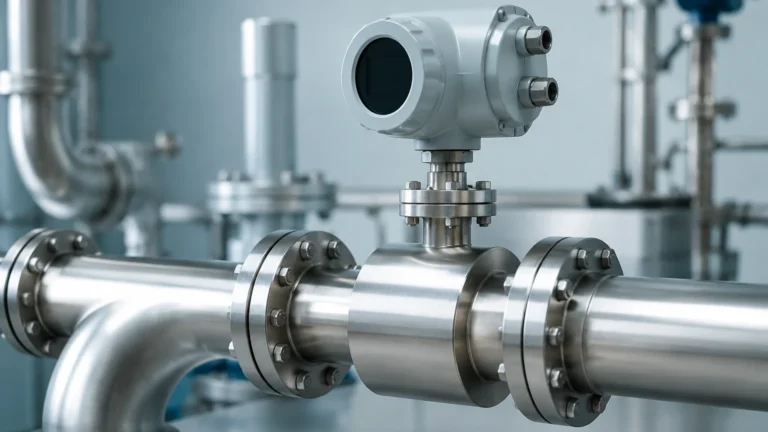
* Guided Wave Radar (GWR): This technology uses a probe (rod or cable) to guide microwave pulses from the sensor head to the liquid surface. When the pulse hits the medium, a portion of the energy is reflected back due to the change in the dielectric constant ($εr$). GWR is highly effective in CBD extraction because it is unaffected by vapor, pressure, or temperature shifts. It is particularly useful in tall, narrow solvent recovery columns.
* Non-Contact Radar: These sensors emit high-frequency signals (often 26GHz or 80GHz) through the air. The time-of-flight between emission and reception determines the distance. Because the sensor does not touch the medium, it is ideal for corrosive solvents or applications where hygiene and easy cleaning are priorities.
Ultrasonic Level Sensors
Ultrasonic sensors utilize sound waves at frequencies above the range of human hearing. The transducer emits a pulse that bounces off the liquid surface and returns. By measuring the time-of-flight and accounting for the speed of sound, the distance is calculated.
While cost-effective, ultrasonic sensors have limitations in CBD extraction machines. They are sensitive to the density of the gas space. In CO2 extraction, where the atmosphere is dense and pressurized, or in ethanol tanks where heavy vapors exist, the speed of sound changes, leading to inaccuracies unless the sensor has advanced temperature and gas compensation.
Hydrostatic Pressure Transmitters
Hydrostatic measurement relies on the principle that the pressure at the bottom of a vessel is proportional to the height of the liquid column and its density ($P =
ho × g × h$). In a CBD extraction context, these are often used for large outdoor ethanol storage tanks. They are robust and reliable but require the liquid density to remain relatively constant. If the ethanol concentration or temperature fluctuates significantly, the density change can introduce measurement errors.
Magnetic Level Gauges
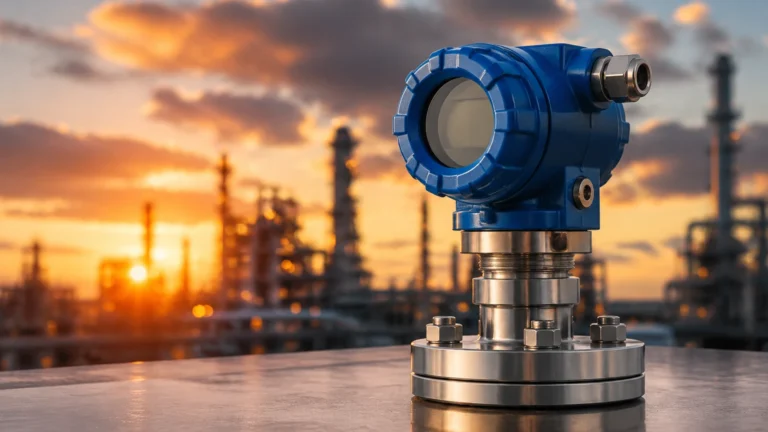
Magnetic level gauges provide both a visual indication and an electronic output. A float containing a magnet moves with the liquid level inside a bypass chamber. Outside the chamber, magnetic flags flip to show the level, and a reed-chain transmitter can send a 4-20mA signal to the control system. These are excellent for high-pressure CO2 separators where a physical visual check is required alongside electronic monitoring.
Key Evaluation Criteria for CBD Extraction
When integrating level sensors into CBD extraction machines, engineers must evaluate several environmental factors to ensure long-term reliability.
1. Chemical Compatibility
Extraction often involves aggressive solvents. Ethanol, butane, or propane can degrade certain seal materials. Sensors should ideally feature wetted parts made of Stainless Steel 316L, PTFE (Teflon), or PEEK. It is essential to confirm that the O-rings (e.g., Viton or Kalrez) can withstand the specific solvent used in the machine.
2. Pressure and Temperature Extremes
* Supercritical CO2: These systems operate at pressures often exceeding 70 bar (1,015 psi) and sometimes up to 700 bar (10,152 psi). Sensors must be rated for high-pressure flanges.
* Cryogenic Ethanol: To prevent the extraction of unwanted waxes and chlorophyll, ethanol is often chilled to -40°C (-40°F) or even -80°C (-112°F). Level sensors must be capable of operating at these low temperatures without the electronics failing or the seals becoming brittle.
3. Explosion-Proof Requirements (ATEX/IECEx)
Because many CBD extraction machines use flammable solvents, the entire extraction room is often classified as a hazardous area (Class I, Div 1 or 2). Level sensors must be certified as intrinsically safe or explosion-proof to prevent any electrical spark from igniting the solvent vapors.
Practical Selection Table for Extraction Components
| Component Type | Recommended Technology | Primary Benefit | Limitation |
| :— | :— | :— | :— |
| Ethanol Storage Tank | Hydrostatic or Non-contact Radar | Reliable for large volumes; easy to install. | Hydrostatic requires constant density. |
| CO2 Separator | Guided Wave Radar (GWR) | Works under high pressure; ignores foam. | Probe must be cleaned if oil buildup occurs. |
| Solvent Recovery Tank | Non-contact Radar (80GHz) | High precision; no contact with solvent. | Higher initial cost. |
| Waste Biomass Silo | Ultrasonic or Laser | Good for solids/slurries. | Dust can interfere with ultrasonic signals. |
| Small Buffer Tanks | Level Switches (Vibrating Fork) | Low cost; prevents overfill. | Only provides point level, not continuous. |
Installation Considerations and Best Practices
Proper installation is as important as selecting the right technology. For CBD extraction machines, consider the following:
1. Nozzle Interference: For radar and ultrasonic sensors, ensure the sensor is not mounted too close to the tank wall or near internal structures like agitators or heating coils. This prevents "false echoes" that can confuse the sensor.
2. Foaming Issues: During the evaporation or decarboxylation stages, the crude oil may foam. Ultrasonic sensors often fail in these conditions because the foam absorbs the sound wave. GWR or high-frequency radar is preferred here as it can penetrate or ignore light foam layers.
3. Dead Zones: Every sensor has a "dead zone" or "blocking distance" near the top where it cannot measure. Ensure the tank design accounts for this so the sensor can detect a full tank before it overflows.
4. Venting: In pressurized systems, ensure the sensor mounting does not create a leak path. Use NPT or Flanged connections rated for the system's maximum allowable working pressure (MAWP).
For more technical specifications and to see how these instruments integrate into industrial systems, you can review product options and application support on the Main Page.
Common Risks and Limitations
While modern instrumentation is highly advanced, certain risks remain in the CBD extraction environment. One common issue is coating and buildup. CBD crude oil is extremely viscous and sticky. Over time, it can coat the probes of GWR sensors or the faces of ultrasonic transducers. This can lead to "signal loss" or inaccurate readings. Regular maintenance schedules should include inspecting and cleaning wetted parts with high-purity ethanol.
Another risk is vibration. Extraction machines often involve heavy pumps and centrifuges that create significant mechanical vibration. If the level sensor is not ruggedized, the internal electronics may fail prematurely. Choosing sensors with potted electronics and robust housing is essential for these high-vibration environments.
Frequently Asked Questions (FAQs)
Q: Can I use a standard water level sensor for ethanol extraction?
A: Generally, no. Ethanol has a lower dielectric constant than water and is flammable. You need a sensor that is sensitive enough to detect low-dielectric liquids and is rated for hazardous locations (ATEX/Ex).
Q: How does pressure affect radar level meters?
A: Non-contact radar is largely unaffected by pressure. However, the physical housing and the seal (the "process connection") must be mechanically rated to withstand the vessel's pressure to prevent catastrophic failure.
Q: What is the best way to measure the level of hemp biomass in a hopper?
A: For dry biomass, ultrasonic sensors or high-frequency radar designed for solids are effective. If the material is very dusty, a rotating paddle switch or a vibrating rod is often used for high/low point detection.
Q: How often should level sensors in CBD machines be calibrated?
A: In most botanical processing applications, an annual calibration check is sufficient. However, if the machine is used for different types of solvents or if the temperature profiles change significantly, more frequent verification may be required to maintain 0.1% to 0.5% accuracy.
Conclusion
Selecting the appropriate level measurement technology for CBD extraction machines is a balance of safety, accuracy, and cost. By understanding the measurement principles—from the microwave pulses of radar to the pressure-based logic of hydrostatic sensors—engineers can build more resilient and automated extraction systems. As the industry moves toward larger-scale continuous processing, the role of precise instrumentation will only grow in importance, ensuring that every liter of solvent and every gram of extract is accounted for safely. For those looking to upgrade their current systems or design new extraction lines, visiting the Main Page provides access to the necessary tools and expertise to make an informed decision.