Chemical Compatibility Database
Chemical Compatibility Database
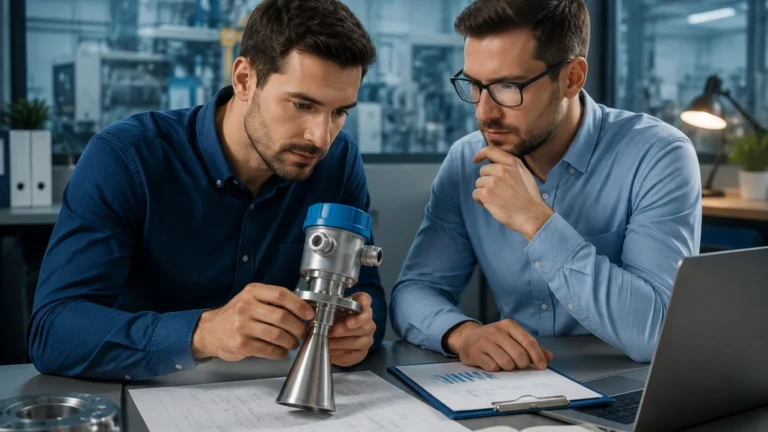
In industrial process automation, the longevity and accuracy of level measurement instrumentation are directly dictated by the interaction between the sensor materials and the process media. Selecting the wrong material for a radar antenna, an ultrasonic transducer, or a hydrostatic diaphragm can lead to catastrophic sensor failure, process contamination, and significant safety risks. A chemical compatibility database serves as a foundational engineering reference, allowing designers and maintenance teams to cross-reference process fluids with wetted materials to ensure long-term reliability.
When specifying instruments for water treatment, chemical processing, or oil and gas applications, engineers must look beyond basic pressure and temperature ratings. They must evaluate how corrosive, abrasive, or reactive a medium is in relation to the specific alloys and polymers used in the instrument's construction. This guide explores the principles of material selection and how to effectively utilize compatibility data to optimize instrument performance.
Measurement Principles and Material Interaction
Before consulting a chemical compatibility database, it is essential to understand how different level measurement technologies interact with the media. The physical interface—the "wetted part"—varies significantly between technologies.
Radar Level Meters (Non-Contact)
Radar level meters, particularly high-frequency 80GHz models, often use a lens antenna or a horn antenna. In corrosive environments, the antenna is typically encapsulated in PTFE (Polytetrafluoroethylene) or PFA (Perfluoroalkoxy). Because the measurement is non-contact, the primary concern is the resistance of the flange and the antenna cover to chemical vapors and potential splashing. If the chemical is highly aggressive, such as concentrated nitric acid, the database must confirm that the seal materials (O-rings) and the encapsulation polymer can withstand the specific concentration and temperature.
Ultrasonic Level Sensors
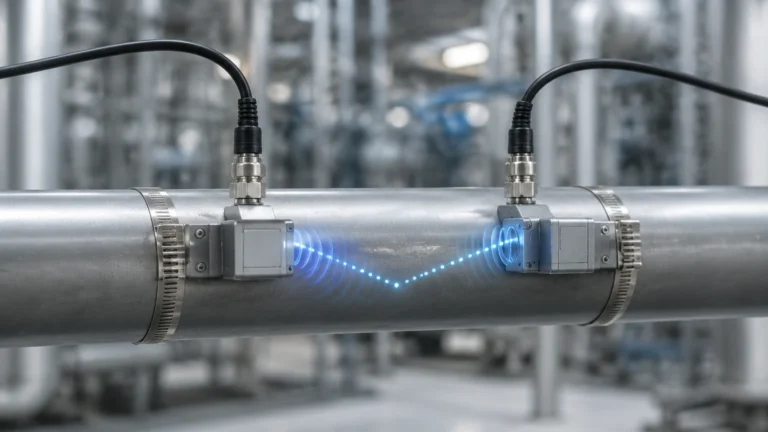
Ultrasonic sensors use a transducer to emit sound waves. These transducers are often made of PVDF (Polyvinylidene Fluoride) or PP (Polypropylene). While these plastics offer excellent resistance to many acids and bases, they can be susceptible to certain solvents or high-temperature degradation. The chemical compatibility database helps determine if the ultrasonic pulses will be attenuated by heavy vapors or if the transducer face will erode over time due to chemical exposure.
Hydrostatic Level Transmitters
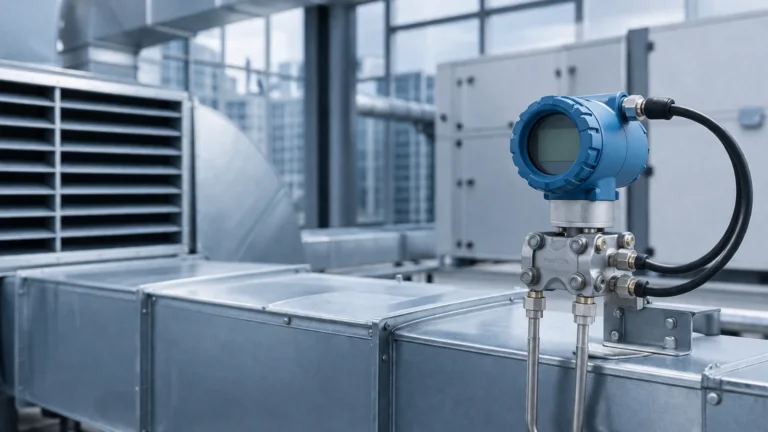
Hydrostatic sensors are submerged in the liquid. The wetted parts include the sensor housing, the cable jacket, and, most importantly, the sensing diaphragm. Diaphragms are extremely thin (often 0.05 mm to 0.1 mm) to ensure sensitivity. Even minor corrosion can lead to a breach, destroying the internal electronics. Common materials include 316L Stainless Steel, Ceramic (Al2O3), or exotic metals like Tantalum and Hastelloy C. For cable jackets, materials like PUR (Polyurethane), PE (Polyethylene), or FEP (Fluorinated Ethylene Propylene) are selected based on the fluid's profile.
Magnetic Level Gauges and Switches
Magnetic level gauges utilize a float inside a bypass chamber. Both the float and the chamber must be compatible with the liquid. Stainless steel is standard, but for aggressive chemicals, plastic-lined chambers (such as PTFE-lined) or specialized alloys are required. The chemical compatibility database is critical here because the float must maintain its buoyancy and structural integrity under constant immersion.
Key Evaluation Criteria in Chemical Compatibility
When using a chemical compatibility database, engineers must account for three primary variables that influence how a material reacts to a chemical: concentration, temperature, and pressure.
1. Concentration: Many materials that are resistant to a 10% concentration of an acid may fail rapidly at 50% or 98% concentration. For example, 316L Stainless Steel is generally suitable for low-concentration sulfuric acid at room temperature but will corrode rapidly as the concentration increases.
2. Temperature: Chemical reactions accelerate at higher temperatures. A material rated "Excellent" at 20°C (68°F) may be rated "Unsatisfactory" at 60°C (140°F). Always cross-reference the maximum process temperature with the compatibility rating.
3. Pressure: While pressure primarily affects the mechanical design of the instrument, it can also force chemicals into the pores of a material (permeation), leading to internal degradation or swelling of elastomers and plastics.
To ensure the best fit for your specific application, it is recommended to Review product options and application support from the manufacturer to verify material performance under combined stress factors.
Common Materials and Their Industrial Applications
Industrial level meters utilize a variety of metallic and non-metallic materials. Understanding the strengths and weaknesses of these materials is the first step in using a chemical compatibility database effectively.
Metallic Materials
* 316L Stainless Steel: The industry standard for water, food grade applications, and mild chemicals. It offers good general corrosion resistance but is susceptible to pitting in high-chloride environments (e.g., seawater).
* Hastelloy C-276: A nickel-molybdenum-chromium alloy with excellent resistance to a wide range of severe environments, including wet chlorine gas and strong oxidizing salts.
* Tantalum: Used almost exclusively for diaphragms in hydrostatic transmitters handling extremely aggressive acids like hot concentrated hydrochloric or sulfuric acid.
Polymeric and Elastomeric Materials
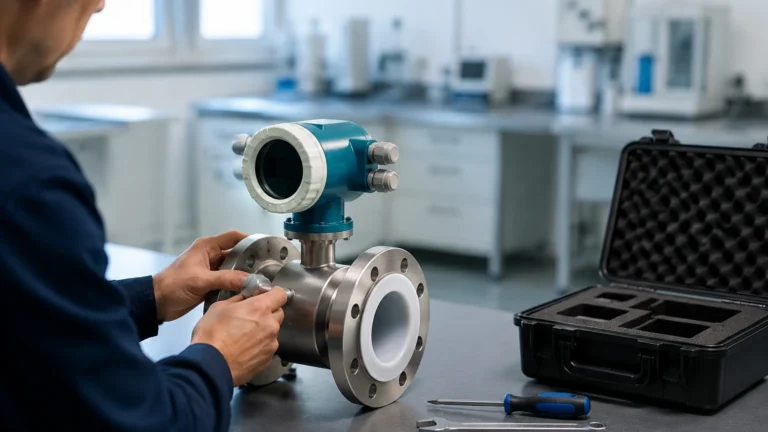
* PTFE/PFA (Teflon): Virtually inert to almost all chemicals. It is the preferred material for lining pipes and encapsulating radar antennas. Its temperature limit is typically around 250°C (482°F).
* PVDF (Kynar): A high-purity thermoplastic with excellent chemical resistance to acids and solvents. It is commonly used in ultrasonic transducers and chemical tank level switches.
* FKM (Viton): A fluoroelastomer used for O-rings and seals. It has excellent resistance to fuels and oils but can fail in the presence of ketones or organic acids.
* EPDM: Excellent for water, steam, and alcohols, but should never be used with petroleum-based oils or greases.
Chemical Compatibility Selection Table
The following table provides a general overview of material compatibility for common industrial chemicals. Ratings are typically categorized as:
* A (Excellent): No effect.
* B (Good): Minor effect, slight corrosion or discoloration.
* C (Fair): Moderate effect, not recommended for continuous use.
* D (Severe Effect): Not recommended.
| Chemical | Concentration | Temp (°C) | 316L SS | PTFE | PVDF | Hastelloy C |
| :— | :— | :— | :— | :— | :— | :— |
| Acetic Acid | 50% | 20 | A | A | A | A |
| Ammonia (Anhydrous) | 100% | 20 | A | A | B | A |
| Hydrochloric Acid | 37% | 20 | D | A | A | B |
| Nitric Acid | 10% | 20 | A | A | A | A |
| Nitric Acid | 70% | 50 | C | A | B | B |
| Sodium Hydroxide | 50% | 20 | B | A | B | A |
| Sulfuric Acid | 98% | 20 | D | A | B | B |
| Seawater | – | 20 | B | A | A | A |
*Note: This table is for reference only. Always consult a specific chemical compatibility database or manufacturer's datasheet for finalized engineering decisions.*

Risks of Improper Material Selection
Failure to consult a chemical compatibility database can lead to several types of material degradation that compromise the level meter's integrity:
* Pitting Corrosion: Small, localized holes in metal surfaces. This is common in stainless steel exposed to chlorides. It can cause a hydrostatic diaphragm to leak without warning.
* Stress Corrosion Cracking (SCC): The growth of crack formations in a corrosive environment. This can lead to the sudden failure of pressure-retaining parts like flanges or bypass chambers.
* Permeation: In plastic-lined instruments, small molecules of the process fluid can pass through the plastic layer and attack the metal substrate behind it. This is a common issue with thin PTFE liners in high-temperature vacuum applications.
* Swelling and Softening: Plastics and elastomers can absorb the process fluid, leading to dimensional changes. In a magnetic level gauge, a swollen float may become stuck in the chamber, providing false level readings.
Installation and Maintenance Considerations
When installing level meters in chemically aggressive environments, the physical installation method is as important as the material selection.
1. Gasket Selection: Ensure that the gaskets used between the instrument flange and the tank nozzle are as chemically resistant as the instrument itself. PTFE-enveloped gaskets are often used for this purpose.
2. Venting and Condensation: In tanks containing fuming acids (like HCl), vapors can condense on the sensor face. For radar meters, using a PTFE drop antenna or a purging system can prevent buildup that might interfere with the signal.
3. Isolation Valves: For hydrostatic transmitters, installing a chemical seal (diaphragm seal) with an isolation valve allows for the removal and inspection of the sensor without draining the tank.
4. Regular Inspection: Even with "Excellent" rated materials, periodic visual inspections for signs of discoloration, pitting, or embrittlement are necessary. This is especially true for ultrasonic transducers exposed to solvent vapors.
Frequently Asked Questions (FAQ)
Q: Can I use 316L Stainless Steel for all water treatment applications?
A: Not necessarily. While 316L is excellent for potable water, it can struggle in wastewater applications with high chloride content or in systems using high concentrations of chlorine for disinfection. In these cases, PVDF or plastic-coated sensors are safer choices.
Q: Why is temperature so critical in a chemical compatibility database?
A: Temperature acts as a catalyst. A chemical that is inert at 20°C (68°F) may become highly reactive at 80°C (176°F). Furthermore, the mechanical strength of plastics like PP and PVC drops significantly as temperature increases, leading to potential structural failure even if the chemical resistance remains okay.
Q: What is the best material for a level sensor in a sulfuric acid tank?
A: For high concentrations (98%), PTFE or PFA encapsulated radar sensors are the most reliable. For hydrostatic measurement, a Tantalum diaphragm is often required because stainless steel and even many Hastelloy grades will be attacked by concentrated sulfuric acid.
Q: How do I handle mixed chemicals or unknown compositions?
A: If the process fluid is a mixture, you must generally select materials compatible with the most aggressive component. If the composition is unknown, material coupons can be placed in the process for a set period to observe any degradation before installing a full-scale instrument.
For complex chemical applications, it is always best to consult with professionals. You can find detailed technical specifications and expert guidance on the Main Page of our product catalog to ensure your level measurement solution is perfectly matched to your process chemistry.
Conclusion
Utilizing a chemical compatibility database is a non-negotiable step in the engineering of industrial level measurement systems. By understanding the measurement principles of radar, ultrasonic, and hydrostatic technologies, and by carefully matching wetted materials to the chemical profile of the media, operators can prevent premature equipment failure and ensure process safety. Whether dealing with common acids or complex organic solvents, the right material choice—supported by factual data and manufacturer expertise—is the key to reliable automation.