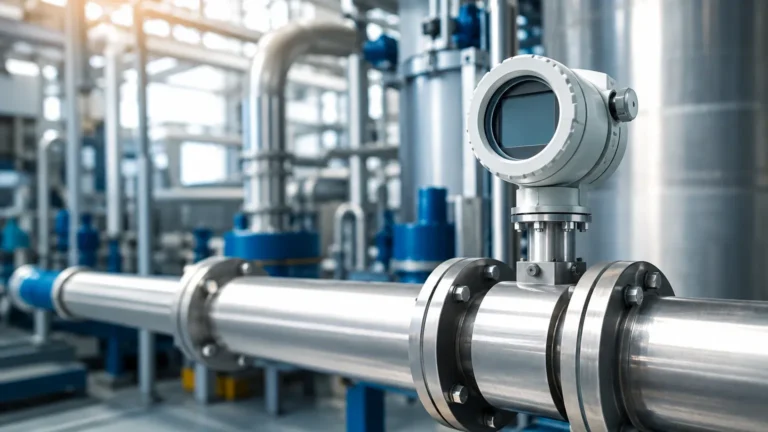
Cl2 Analyzer
Cl2 Analyzer
In industrial water treatment and chemical processing, the measurement of residual chlorine is a critical parameter for ensuring disinfection efficacy, preventing biofouling, and complying with environmental regulations. A Cl2 analyzer is an automated instrument designed to provide continuous or batch measurements of chlorine concentrations in aqueous solutions. This guide examines the underlying measurement principles, selection criteria, and installation requirements essential for engineering professionals managing water quality and chemical dosing systems.
Measurement Principles of Chlorine Analysis
Before selecting a Cl2 analyzer, it is necessary to understand the chemical forms of chlorine being measured. "Free Chlorine" refers to the sum of hypochlorous acid (HOCl) and hypochlorite ions (OCl-), which are the most active disinfecting agents. "Total Chlorine" includes both free chlorine and combined chlorine (chloramines), which are formed when chlorine reacts with nitrogenous compounds.
There are two primary technologies used in modern industrial Cl2 analyzers: Amperometric and Colorimetric.
Amperometric Measurement
Amperometric sensors are electrochemical devices that measure the change in current resulting from chemical reduction reactions at a gold or platinum electrode.
* Membrane-Covered Sensors: These sensors use a gas-permeable membrane to separate the electrodes and electrolyte from the sample water. Only the chlorine molecules (typically HOCl) diffuse through the membrane, where they are reduced at the cathode. This method is highly selective and reduces the risk of electrode fouling by minerals or organic matter.
* Bare-Electrode Sensors: These utilize direct contact between the sample and the electrodes. While they offer faster response times, they are more susceptible to interference from changes in flow rate and require frequent mechanical or chemical cleaning to prevent surface passivation.
Amperometric analysis is generally preferred for continuous monitoring because it does not require reagents, though it is highly sensitive to pH fluctuations. Since the ratio of HOCl to OCl- changes with pH, most amperometric Cl2 analyzers include an integrated pH sensor to provide software-based compensation.
Colorimetric (DPD) Measurement
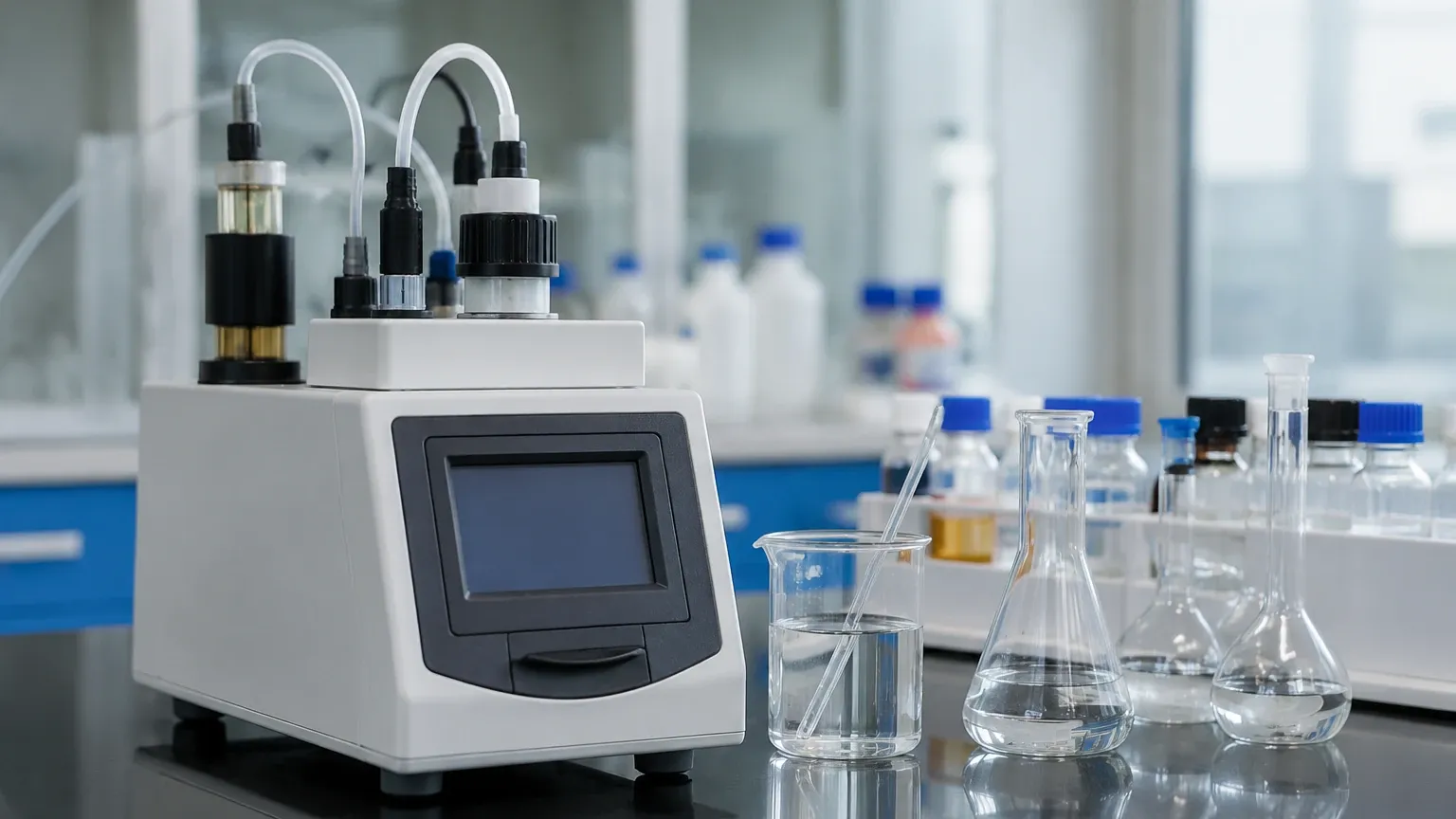
The DPD (N,N-diethyl-p-phenylenediamine) method is the established laboratory standard, adapted for automated field use. In this process, a specific quantity of DPD reagent is added to the water sample. The chlorine oxidizes the DPD, producing a magenta color. The intensity of the color is proportional to the chlorine concentration and is measured by a photometer at a specific wavelength (typically 510–565 nm).
Colorimetric analyzers are exceptionally accurate and are not affected by pH or temperature changes. However, they are batch-process instruments rather than continuous-flow, and they require a steady supply of reagents and more intensive maintenance of the internal plumbing.
The Relationship Between Chlorine Analysis and Level Measurement
In a complete industrial automation loop, a Cl2 analyzer rarely operates in isolation. It is typically part of a chemical dosing skid where the analyzer provides the feedback signal to a dosing pump. For the system to function reliably, engineers must also monitor the chemical inventory.
While the Cl2 analyzer monitors the concentration in the process line, level measurement instruments—such as those found on the Main Page—monitor the storage tanks containing sodium hypochlorite or other disinfectants. For example, a hydrostatic level transmitter or an ultrasonic sensor ensures that the dosing pump does not run dry, which could cause the Cl2 analyzer to report a false low reading, potentially triggering an over-dosage alarm or system shutdown. Integrating high-accuracy level data with real-time chlorine analysis allows for precise calculated chemical consumption tracking and automated reordering.
Selection Criteria for Cl2 Analyzers
Choosing the correct Cl2 analyzer requires an evaluation of the water matrix and the specific goals of the application. The following table provides a comparison of key performance characteristics.
Technical Comparison Table
| Feature | Amperometric (Membrane) | Amperometric (Bare) | Colorimetric (DPD) |
| :— | :— | :— | :— |
| Measurement Type | Continuous | Continuous | Batch (2–10 min cycles) |
| Reagent Requirement | None | None | Required (Monthly refill) |
| pH Sensitivity | High (Requires compensation) | High | Low (Independent) |
| Interference Risk | Low (Selective membrane) | High (Fouling/Flow) | Low (Turbidity/Color) |
| Maintenance Level | Moderate (Membrane/Electrolyte) | Low (Self-cleaning) | High (Tubing/Reagents) |
| Typical Range | 0–20 mg/L | 0–10 mg/L | 0–5 mg/L |
| Best Application | Cooling water, clean water | High-flow industrial | Drinking water, wastewater |
Installation and Engineering Considerations
Proper installation is paramount to the accuracy of a Cl2 analyzer. Unlike level sensors, which can often be installed at the top of a tank, analytical instruments require a continuous, representative sample of the process fluid.
Sample Delivery and Conditioning
1. Flow Rate Regulation: Amperometric sensors are flow-sensitive. Most analyzers require a constant flow between 200 mL/min and 500 mL/min (approx. 12–30 L/h). A flow-cell with an integrated pressure regulator is recommended to maintain stability.
2. Pressure Limits: Most industrial analyzers operate at low pressures, typically below 1 bar (14.5 psi) at the inlet. If the process line is at high pressure, a pressure-reducing valve must be installed before the sample reaches the analyzer.
3. Drainage: Colorimetric analyzers produce a waste stream containing DPD reagents and acidified water. This must be piped to a dedicated chemical drain. Amperometric analyzers typically return the sample to the process or a standard drain as no chemicals are added.
4. Temperature Stability: While electronic compensation exists, extreme temperature fluctuations can affect the kinetics of the chlorine reaction. The sample line should be shielded from direct sunlight or extreme heat sources.
Sensor Placement
The analyzer should be installed as close to the sample point as possible to minimize "lag time." In a disinfection loop, the sample point should be located after a sufficient contact time (usually 10–30 minutes depending on the application) but before the water reaches the distribution point.
Limitations and Operational Risks
Engineers must be aware of the following limitations to prevent measurement errors:
* Interfering Oxidants: Cl2 analyzers are often sensitive to other oxidants such as bromine, iodine, ozone, or manganese. If these are present in the water, they may be reported as "false chlorine."
* Biofouling: In wastewater or cooling tower applications, biofilm can grow on the sensor membrane or inside the photometer cell. Regular cleaning cycles and the use of biocides in the cleaning system may be necessary.
* Reagent Degradation: For DPD-based systems, reagents have a limited shelf life (typically 6–12 months) and are sensitive to light and temperature. Degraded reagents will lead to a significant underestimation of chlorine levels.
* Air Bubbles: Micro-bubbles in the sample line can settle on the sensor membrane or interfere with the optical path of a colorimeter, leading to erratic readings.
Frequently Asked Questions (FAQ)
1. How often should a Cl2 analyzer be calibrated?
Calibration frequency depends on the technology and the stability of the water matrix. Amperometric sensors typically require a weekly or bi-weekly "grab sample" calibration using a handheld DPD kit to align the sensor's slope. Colorimetric analyzers are more stable but should have their optical path zeroed monthly.
2. Can I use a free chlorine analyzer to measure total chlorine?
No. The sensors and reagents are specific to the chemical species. A free chlorine amperometric sensor will not detect chloramines. If you need to measure both, a dual-channel analyzer or a total chlorine specific unit is required.
3. What is the impact of pH on amperometric sensors?
At a pH of 5.0, nearly 100% of free chlorine exists as hypochlorous acid (HOCl), which the sensor detects easily. At a pH of 8.5, only about 10% is HOCl, and 90% is hypochlorite ion (OCl-). Without pH compensation, an amperometric analyzer will show a massive drop in chlorine concentration even if the actual chlorine level remains the same.
4. Is it better to measure chlorine before or after the pump?
The analyzer must measure a representative sample of the treated water. It should be installed downstream of the injection point, ensuring the chlorine has had sufficient time to mix thoroughly with the water stream.
Conclusion
The selection of a Cl2 analyzer is a balance between the required accuracy, the available maintenance budget, and the specific chemistry of the water being treated. While DPD colorimeters offer the highest precision, amperometric sensors provide the continuous, reagent-free data required for high-speed process control. When integrated with robust level measurement solutions for chemical inventory management, these analyzers ensure a safe and efficient disinfection process. For further information on the level instrumentation necessary to support these analytical systems, engineers should review the technical specifications on the Main Page.