Closed Water Systems Monitoring
Closed Water Systems Monitoring
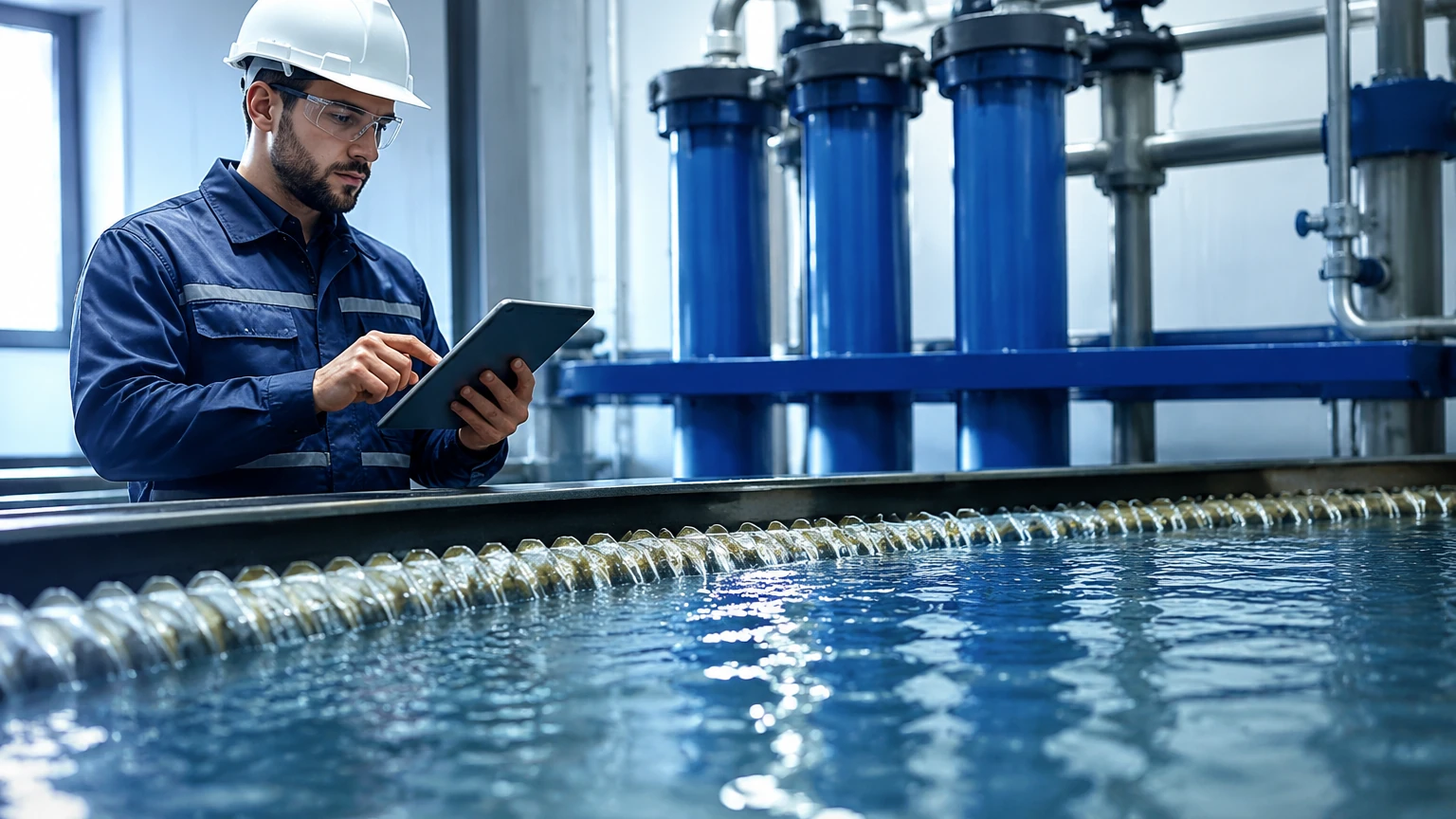
Closed water systems are fundamental components in industrial and commercial infrastructure, serving as the primary medium for thermal energy transfer in HVAC systems, process cooling loops, and high-pressure heating circuits. Unlike open systems, such as cooling towers that rely on evaporation, closed systems operate in a sealed environment where water is recirculated. Effective closed water systems monitoring is essential to maintain hydraulic balance, prevent structural damage from corrosion or scaling, and ensure operational efficiency.
At the core of monitoring these systems is the precise measurement of fluid levels and pressures. Because these systems are pressurized and often contain chemical additives to inhibit corrosion, the choice of instrumentation must account for specific physical and chemical variables. This guide explores the principles of level measurement within closed loops, selection criteria for instrumentation, and best practices for maintaining system integrity.
Principles of Level Measurement in Closed Systems
In a closed water circuit, monitoring typically focuses on the expansion tank or the pressurized buffer vessel. These vessels accommodate the thermal expansion and contraction of water as temperatures fluctuate. Maintaining the correct water level and air cushion within these tanks is critical to prevent over-pressurization or pump cavitation.
Hydrostatic Level Measurement
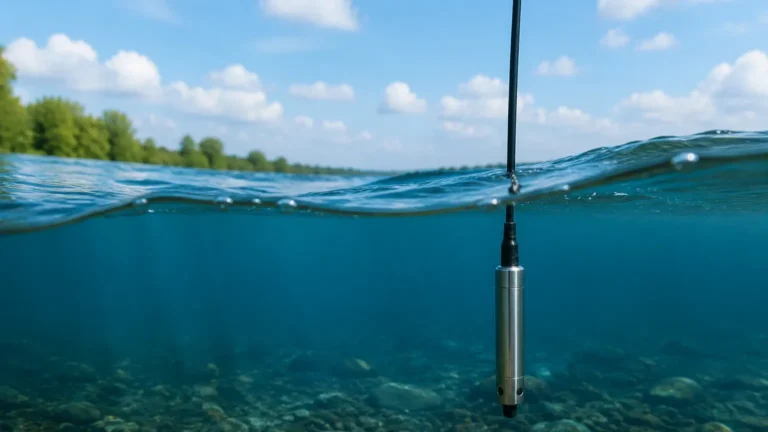
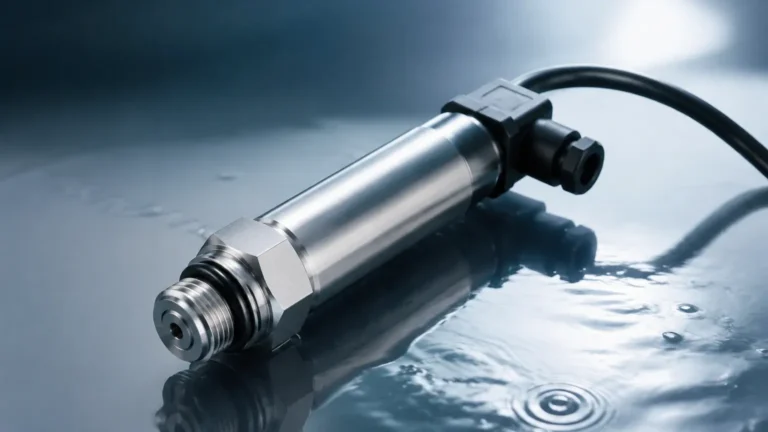
Hydrostatic transmitters measure the pressure exerted by the liquid column. In a closed, pressurized tank, a differential pressure (DP) approach is often required. The sensor measures the difference between the total pressure at the bottom of the tank and the gas-side pressure at the top.
* Principle: $P = \rho \cdot g \cdot h$, where $P$ is pressure, $\rho$ is fluid density, $g$ is gravity, and $h$ is the height of the liquid.
* Application: Ideal for expansion tanks where the fluid density remains relatively constant.
Ultrasonic Level Sensing
Ultrasonic sensors emit high-frequency sound pulses that reflect off the water surface. The time taken for the echo to return (Time of Flight) determines the distance to the liquid level.
* Principle: $Distance = (Speed \ of \ Sound \cdot Time) / 2$.
* Application: Best suited for non-pressurized or low-pressure vented tanks. In high-pressure closed systems, changes in gas density can affect the speed of sound, potentially leading to inaccuracies unless temperature compensation is robust.
Radar Level Measurement
Radar transmitters use high-frequency electromagnetic waves (typically 26GHz or 80GHz). Unlike ultrasonic waves, radar signals are not affected by air temperature, pressure, or gas composition changes within the head-space of a closed vessel.
* Principle: Frequency Modulated Continuous Wave (FMCW) or pulse radar measures the frequency shift or time delay of the reflected signal.
* Application: Highly recommended for pressurized closed water systems monitoring where precision is paramount and the environment may involve steam or condensation.
Magnetic Level Gauges
Magnetic level gauges (MLGs) provide a visual indication and can be equipped with reed switches or transmitters for remote monitoring. A float containing a permanent magnet moves with the liquid level inside a bypass chamber, flipping magnetic flags on the exterior.
* Principle: Buoyancy and magnetic coupling.
* Application: Excellent for high-pressure and high-temperature boiler feed water or closed cooling loops where a physical visual reference is required alongside electronic data.
Key Evaluation Criteria for Instrumentation
When selecting sensors for closed water systems monitoring, engineers must evaluate several technical parameters to ensure long-term reliability.
1. Pressure Rating: Closed systems often operate at pressures ranging from 3 bar (43.5 psi) in small HVAC loops to over 40 bar (580 psi) in industrial process heating. The instrument housing and process connection must be rated for the maximum allowable working pressure (MAWP).
2. Chemical Compatibility: Water in closed systems is often treated with glycol (antifreeze), oxygen scavengers, and corrosion inhibitors like nitrites or molybdates. Wetted parts, such as diaphragms or floats, should be made of 316L stainless steel, PTFE, or Hastelloy depending on the chemical concentration.
3. Temperature Range: Thermal loops can vary from chilled water at 4°C (39°C) to hot water systems exceeding 120°C (248°F). Sensors must feature temperature compensation or be mounted with cooling elements (siphons) to protect the electronics.
4. Signal Output: For integration into Building Management Systems (BMS) or Industrial Control Systems (ICS), sensors should provide standard 4-20mA (HART), Modbus RTU, or Profibus signals.
Selection Table: Level Technologies for Closed Water Loops
| Technology | Accuracy | Pressure Suitability | Chemical Resistance | Best Use Case |
| :— | :— | :— | :— | :— |
| Hydrostatic (DP) | High | Excellent | High | Pressurized expansion tanks |
| Radar (Non-contact) | Very High | Excellent | Excellent | High-precision process loops |
| Ultrasonic | Moderate | Limited | Good | Atmospheric vented make-up tanks |
| Magnetic Gauge | Moderate | High | Excellent | Boiler feed and visual bypass monitoring |
| Float Switch | Low | Moderate | Moderate | High/Low level alarm redundancy |
Common Risks in Closed Water Systems
Failure to implement a robust monitoring strategy can lead to several systemic risks:
1. Oxygen Ingress and Corrosion
Closed systems are designed to be airtight. However, leaks at pump seals or valve packings can introduce oxygen-rich make-up water. Monitoring the level in the expansion tank helps detect these leaks early. If the level drops frequently, it indicates a loss of fluid and a potential entry point for oxygen, which accelerates internal pipe corrosion.
2. Pump Cavitation
If the water level in the supply side of a closed loop falls below a critical threshold, air can be drawn into the pumps. This causes cavitation—the formation and collapse of vapor bubbles—which can destroy pump impellers and mechanical seals within hours.
3. Thermal Expansion Failure
In heating loops, water expands as it warms. If the expansion tank level is too high (leaving no room for the air cushion), the resulting pressure spike can trigger safety relief valves, leading to fluid loss and system instability.
Installation Considerations
Proper installation is as critical as the choice of technology. For closed water systems monitoring, consider the following:
* Stilling Wells: If the expansion tank experiences turbulence from return flows, installing a radar or ultrasonic sensor inside a stilling well (a vertical pipe) can provide a stable surface for measurement.
* Bypass Chambers: For magnetic level gauges, the bypass chamber should be mounted vertically and connected to the side of the vessel. Isolation valves should be included to allow for maintenance without draining the entire system.
* Dead Zones: All non-contact sensors have a "dead zone" or "blocking distance" near the sensor face. Ensure the sensor is mounted high enough that the maximum water level does not enter this zone, typically 50mm to 300mm (2 to 12 inches) depending on the frequency.
* Orientation: Hydrostatic sensors should be mounted where sediment is unlikely to accumulate on the diaphragm. Side-mounting or using a flush diaphragm is often preferred in systems with potential particulate matter.
Limitations of Monitoring Technologies
While modern sensors are highly capable, they are not without limitations. Ultrasonic sensors can struggle in high-pressure environments because the increased gas density alters the speed of sound, requiring precise temperature and pressure compensation. Radar, while more robust, can be affected by heavy foam on the water surface, though this is rare in well-treated closed systems. Hydrostatic sensors are sensitive to changes in fluid density; if the glycol concentration in a system is significantly altered, the sensor may require recalibration to maintain accuracy.
Frequently Asked Questions (FAQ)
Q: How often should level sensors in closed systems be calibrated?
A: For most industrial applications, an annual calibration check is recommended. However, if the system undergoes a major chemical flush or a change in glycol concentration, recalibration should be performed immediately.
Q: Can I use a standard pressure transmitter instead of a level sensor?
A: In an atmospheric tank, a pressure transmitter at the base can calculate level. In a closed, pressurized system, you must use a differential pressure transmitter to subtract the top-side gas pressure from the total bottom pressure.
Q: Why is my radar sensor showing inconsistent readings in a hot water tank?
A: This is often due to heavy condensation on the sensor face. Selecting a radar with a higher frequency (e.g., 80GHz) and a PTFE-encapsulated antenna can help shed condensation and maintain a clear signal.
Conclusion
Effective closed water systems monitoring is a multi-faceted discipline that requires a deep understanding of both fluid dynamics and instrumentation. By selecting the appropriate level measurement technology—whether it be hydrostatic, radar, or magnetic—operators can ensure their systems remain efficient, safe, and free from the hidden costs of corrosion and mechanical failure. For engineers looking to specify new equipment or upgrade existing loops, it is advisable to Review product options and application support on our Main Page to find the most suitable solution for their specific process requirements.