Complete Htst Pasteurization System Suppliers for Dairy Processing Plants
Complete Htst Pasteurization System Suppliers for Dairy Processing Plants
High-Temperature Short-Time (HTST) pasteurization remains the most prevalent method for ensuring microbiological safety in the global dairy industry. For dairy processing plants, selecting complete HTST pasteurization system suppliers is a critical decision that impacts product shelf life, energy efficiency, and regulatory compliance. An HTST system is not merely a collection of heat exchangers; it is a complex, integrated thermal process that requires precise synchronization between flow control, temperature regulation, and liquid level management.
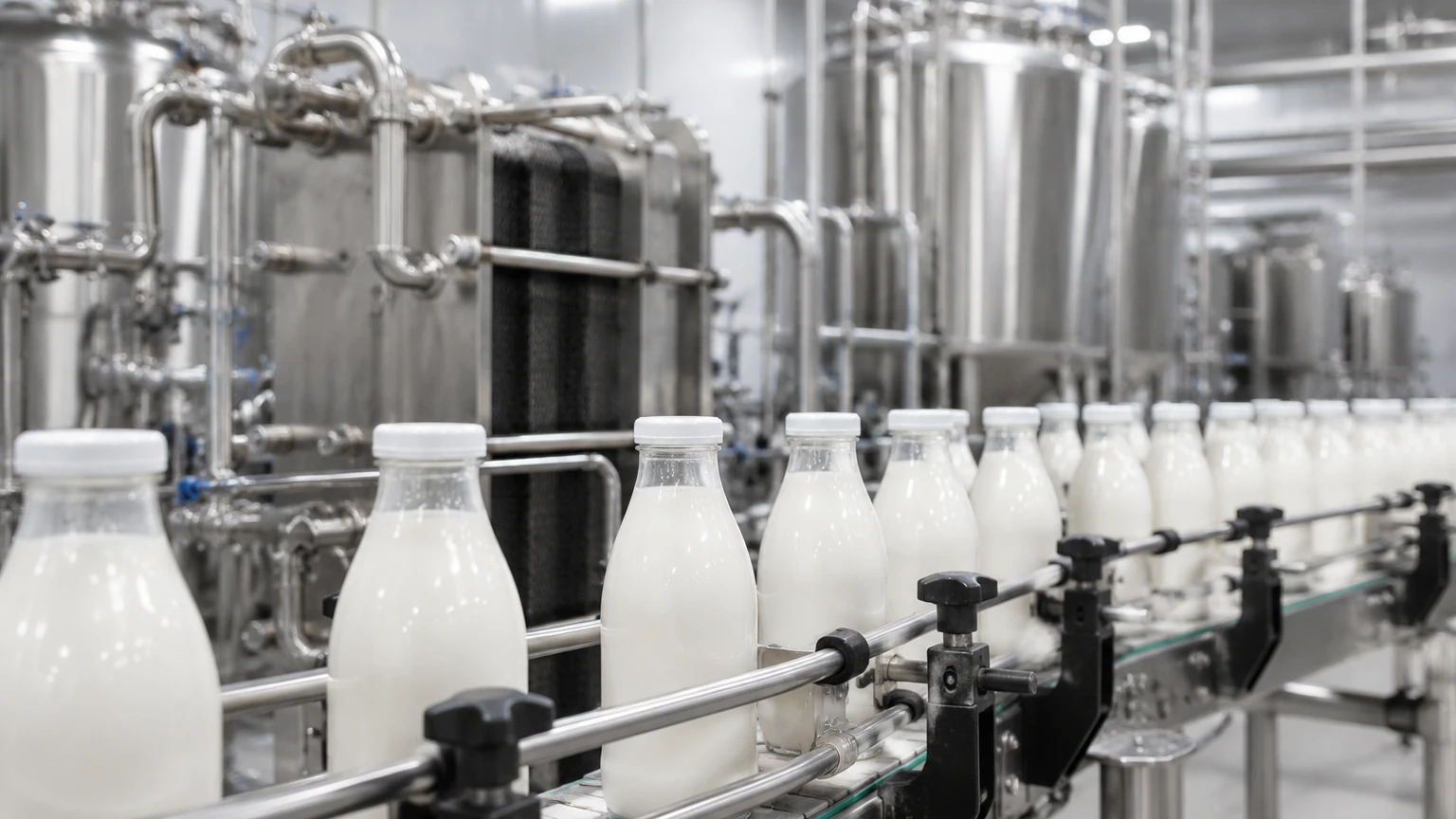
In the dairy sector, the "complete" nature of these systems refers to the integration of raw milk reception, balance tanks, plate heat exchangers (PHE), holding tubes, flow diversion valves, and cooling sections. Central to the operational stability of these systems is the instrumentation that monitors the state of the product at every stage. This guide explores the engineering requirements for HTST systems and the criteria for evaluating suppliers who provide these turnkey solutions.
Understanding the HTST Pasteurization Principle
Before evaluating complete htst pasteurization system suppliers for dairy processing plants, it is essential to understand the underlying measurement and control principles that govern the process. The standard HTST protocol for milk typically requires heating the product to at least 72°C (161°F) and holding it at that temperature for a minimum of 15 seconds.
The process follows a specific sequence:
1. Regeneration: Raw milk is pre-heated by already pasteurized milk. This heat recovery can reach efficiencies of over 90%.
2. Heating: The milk is brought to the final pasteurization temperature using hot water or steam.
3. Holding: The milk passes through a holding tube where the 15-second duration is verified by flow rate.
4. Safety Check: If the temperature is below the setpoint, a Flow Diversion Valve (FDV) sends the milk back to the balance tank.
5. Cooling: The pasteurized milk is cooled to storage temperatures (usually below 4°C).
From a measurement perspective, the balance tank acts as the heart of the system. It ensures a constant head pressure for the timing pump and prevents air from entering the heat exchanger. Accurate level measurement in the balance tank is non-negotiable; if the level drops too low, vortexing can occur, leading to air incorporation and potential burn-on in the heat exchanger plates.
The Role of Level Measurement in Dairy Processing
While temperature and flow are the primary safety variables, level measurement is the primary operational variable. Suppliers of complete HTST systems must integrate reliable level sensors into several key areas of the plant.
The Balance Tank
In the balance tank, the liquid level must be maintained within a narrow band. High levels can lead to overflow and product loss, while low levels risk pump cavitation. Most suppliers utilize hydrostatic pressure transmitters or ultrasonic sensors here. Hydrostatic sensors measure the weight of the liquid column above the diaphragm, providing a reliable reading regardless of surface turbulence.
Raw Milk Silos and Buffer Tanks
Before milk enters the HTST system, it is stored in large silos. Monitoring these levels is essential for inventory management and production planning. For these applications, non-contact radar level meters are often preferred due to their high accuracy and ability to ignore the heavy agitation often found in milk silos.
For engineers looking to optimize these specific measurement points, it is helpful to Review product options and application support to ensure the selected sensors meet sanitary 3-A or EHEDG standards.
Key Evaluation Criteria for HTST System Suppliers
When sourcing complete htst pasteurization system suppliers for dairy processing plants, the evaluation should extend beyond the initial capital expenditure. The following factors are critical for long-term operational success:
1. Sanitary Design and Compliance
In the dairy industry, all equipment must be designed for Clean-in-Place (CIP). Suppliers must provide documentation that all wetted parts are made of 316L stainless steel and that seals are food-grade (e.g., EPDM or Viton). The system must be free of "dead legs" where bacteria could proliferate.
2. Automation and Control Integration
A modern HTST system should be fully automated. The supplier should provide a PLC-based control system (such as Allen-Bradley or Siemens) with a user-friendly HMI. This system must handle the complex logic of start-up, pasteurization, diversion, and CIP cycles automatically. Data logging is also a regulatory requirement; the system must record temperatures and diversion events for inspection by health authorities.
3. Energy Recovery Efficiency
With rising energy costs, the regeneration efficiency of the plate heat exchanger is a major differentiator. Top-tier suppliers design systems with high regeneration rates, significantly reducing the steam required for heating and the chilled water required for cooling.
Level Measurement Technology Selection for Dairy
Choosing the right level measurement technology is vital for the integration of a complete system. The following table compares common technologies used by HTST system suppliers:
| Technology | Principle of Operation | Advantages in Dairy | Limitations |
| :— | :— | :— | :— |
| Hydrostatic Pressure | Measures liquid head pressure via a diaphragm. | Simple, robust, handles foam well. | Sensitive to density changes; requires contact. |
| Non-Contact Radar | Emits microwave pulses; measures time-of-flight. | Extremely accurate; no contact with product; unaffected by steam. | Higher initial cost; requires proper mounting to avoid internal obstructions. |
| Ultrasonic | Emits sound waves; measures echo return time. | Cost-effective; non-contact. | Sensitive to temperature fluctuations and heavy steam/foam. |
| Capacitance | Measures change in electrical capacitance. | Good for point-level detection (high/low alarms). | Sensitive to product buildup on the probe. |
Installation and Maintenance Considerations
Proper installation is as important as the equipment itself. When working with complete htst pasteurization system suppliers for dairy processing plants, ensure the following engineering standards are met:
* Mounting and Fittings: All sensors should use standard sanitary fittings, such as Tri-Clamp or Varivent, to ensure leak-proof and hygienic connections.
* Thermal Shock Resistance: During CIP, the system may transition from 4°C milk to 85°C caustic solution in seconds. Instrumentation must be rated for thermal shock to prevent diaphragm fatigue or electronic failure.
* Calibration Access: Level and temperature sensors must be installed in locations where they can be easily accessed for annual calibration and verification, as required by the Pasteurized Milk Ordinance (PMO) or local equivalents.
* Vibration Dampening: Pumps in the HTST skid can create significant vibration. Sensors should be mounted or shielded to prevent mechanical fatigue of the electronics.
Common Risks and Limitations
Even when sourcing from reputable complete htst pasteurization system suppliers for dairy processing plants, certain operational risks remain. One of the most common issues is foam formation in the balance tank. If an ultrasonic sensor is used, the foam can absorb the sound signal, leading to a "loss of echo" error. In such cases, switching to a hydrostatic transmitter or a guided wave radar is often necessary.
Another limitation is product buildup. In the heating section of the PHE, milk proteins can bake onto the plates (fouling) if the temperature differential between the heating medium and the product is too high. Suppliers should design systems with a small "Delta T" to minimize this effect and extend the time between CIP cycles.
Frequently Asked Questions (FAQ)
Q: What is the difference between a standard pasteurizer and a complete HTST system?
A: A standard pasteurizer might only refer to the heat exchanger. A complete HTST system includes the balance tank, pumps, holding tubes, diversion valves, control logic, and all necessary instrumentation (level, pressure, and temperature sensors) integrated into a single skid.
Q: Why is level control in the balance tank so critical?
A: The balance tank maintains a constant head for the timing pump. If the level fluctuates, the flow rate through the holding tube changes, which can compromise the legal pasteurization time. It also prevents air from entering the system, which causes inconsistent heating and potential equipment damage.
Q: Do these systems require specific certifications?
A: Yes. In the United States, systems must comply with the Grade "A" Pasteurized Milk Ordinance (PMO). Globally, EHEDG and 3-A Sanitary Standards are the benchmarks for hygienic design.
Q: Can HTST systems handle products other than milk?
A: Yes, complete HTST systems are used for juices, cream, and plant-based milks. However, the heat exchanger plate gap and the level sensor settings may need to be adjusted for higher viscosity products.
Conclusion
Selecting the right complete htst pasteurization system suppliers for dairy processing plants involves a deep dive into both thermal engineering and process instrumentation. While the heat exchanger does the work of pasteurization, the level measurement and control systems ensure that the process remains stable, safe, and efficient. By focusing on sanitary design, automation capabilities, and the appropriate selection of level measurement technologies, dairy processors can ensure a high return on investment and consistent product quality.
Download Complete Htst Pasteurization System Suppliers for Dairy Processing Plants as a PDF